Build an African Safari Around the Experience You Want to Live
An unforgettable African safari can take very different forms. One traveler remembers watching a riverbank from a boat, another the detail revealed during a guided walk, and another the effort and anticipation of entering a forest with a tracking team. The destination matters, but so does the way you participate in it and the route that gets you there. Before choosing a country collection, decide what kind of adventure you want your days to contain: close attention to landscape, patient vehicle observation, a permitted walking activity, or a specialist encounter with its own booking requirements. Then select a region and an itinerary that support that purpose. Africa offers enough variety that trying to fit everything into one trip can dilute the very experiences you hoped would make it memorable. A focused journey with well-understood arrangements often provides more depth than a route built mainly to accumulate famous names.
A: Compare the participation you enjoy, the actual guiding arrangements, and how each activity fits your comfort and interests.
A: A suitable proposal may combine river and land perspectives; confirm the exact location and included outings.
A: Ask where it is, which areas you will explore, what permissions apply, and how travel affects activity time.
A: No; additional movement should serve a clear experience rather than mainly increasing the destination count.
A: Its permits, reporting location, walking uncertainty, and preparation require more deliberate planning than a casual optional stop.
A: Ask what each move adds and how much usable observation time remains between transfers.
A: Check its publication and validity dates, then obtain the current tariff and booking requirements from Uganda Wildlife Authority for your actual activity and travel period.
A: It can draw attention to tracks, vegetation, sounds, and details that deepen understanding of the environment.
A: Discuss core interests, early starts, rest, and optional outings before choosing a route and paying deposits.
A: It should connect the desired experience with complete daily arrangements, responsibilities, inclusions, and realistic uncertainty.
South Luangwa for an Adventure in Observation
Zambia’s South Luangwa is a compelling candidate when the idea of a safari includes learning to notice the landscape at a different pace. Zambia Tourism’s park guide describes walking safaris among its activities, alongside vehicle and other experiences. These are organized activities with appropriate guiding arrangements, rather than an invitation to wander independently through wildlife habitat. Ask the operator exactly which walks are offered, who leads them, and what participation involves on the dates you are considering.
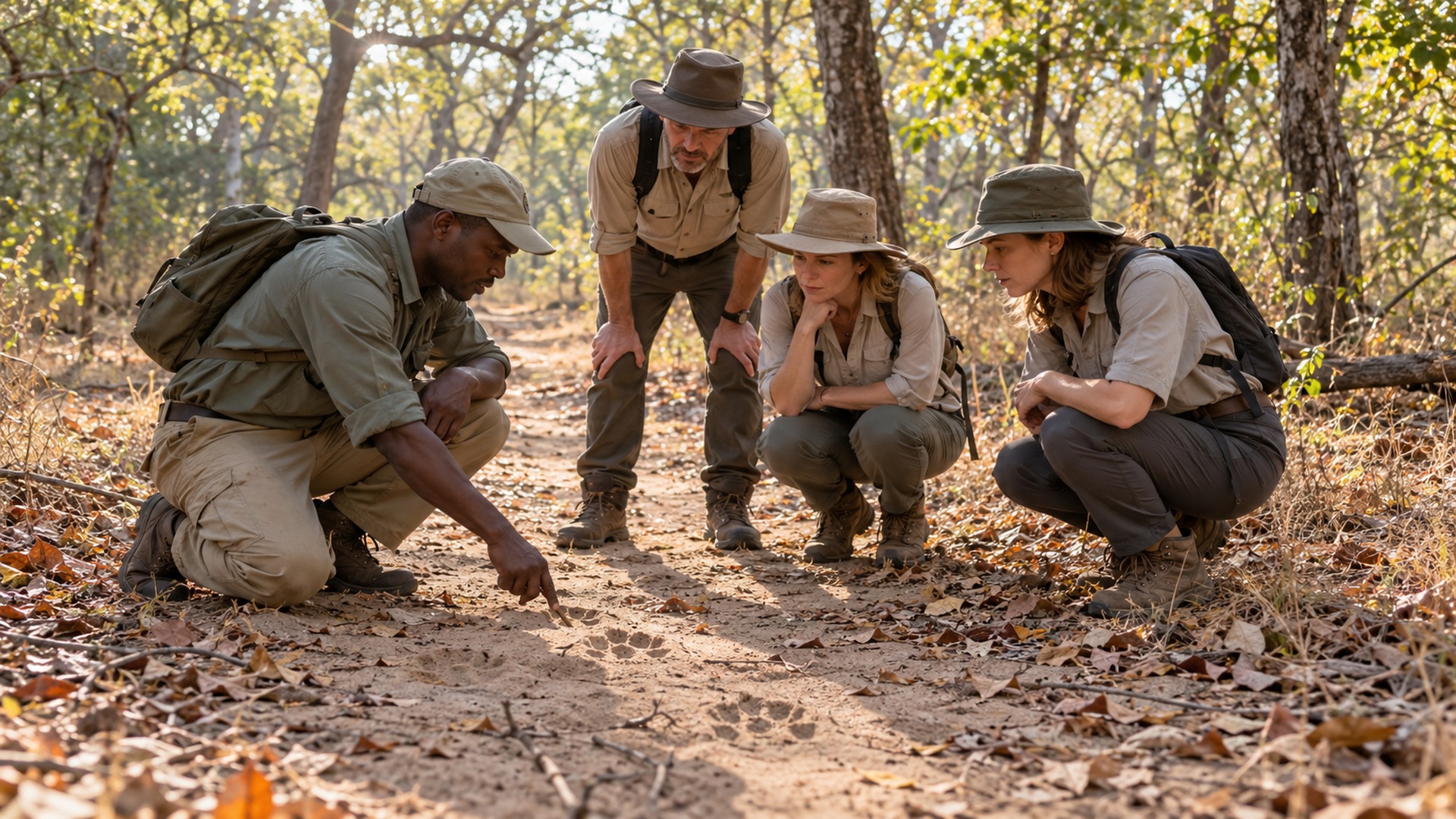
The adventure here can be intellectual as well as physical. A walk may draw attention to tracks, vegetation, sounds, and the relationships that make a setting understandable. Explain your interests and comfort with outdoor walking, and ask how the outing’s length, terrain, and pace are selected. You do not need to turn every day into a more demanding activity to appreciate this perspective; a thoughtfully planned mix can let one format enrich what you notice during another.
Compare camps by the daily experience they organize, not solely their room style. Find out how outings fit around meals, rest, and any moves between bases. Ask what happens when conditions make a planned activity unsuitable and whether an alternative changes the main reason you selected the trip. A clear explanation helps you choose a journey with flexibility while keeping the walking component meaningful rather than merely a phrase in a brochure.
Chobe for a Safari With a River at Its Center
Botswana’s Chobe offers an African safari idea centered on a river as well as the surrounding land. Botswana Tourism describes distinct areas within the park and wildlife viewing along the Chobe Riverfront, including river cruises that provide another perspective on the setting. Begin with its official Chobe National Park information, then identify the precise area and activities in your proposal. A booking described simply as Chobe can hide meaningful differences in location, transfer needs, and how much time you actually spend near the river.
Make a River-and-Land Combination Work
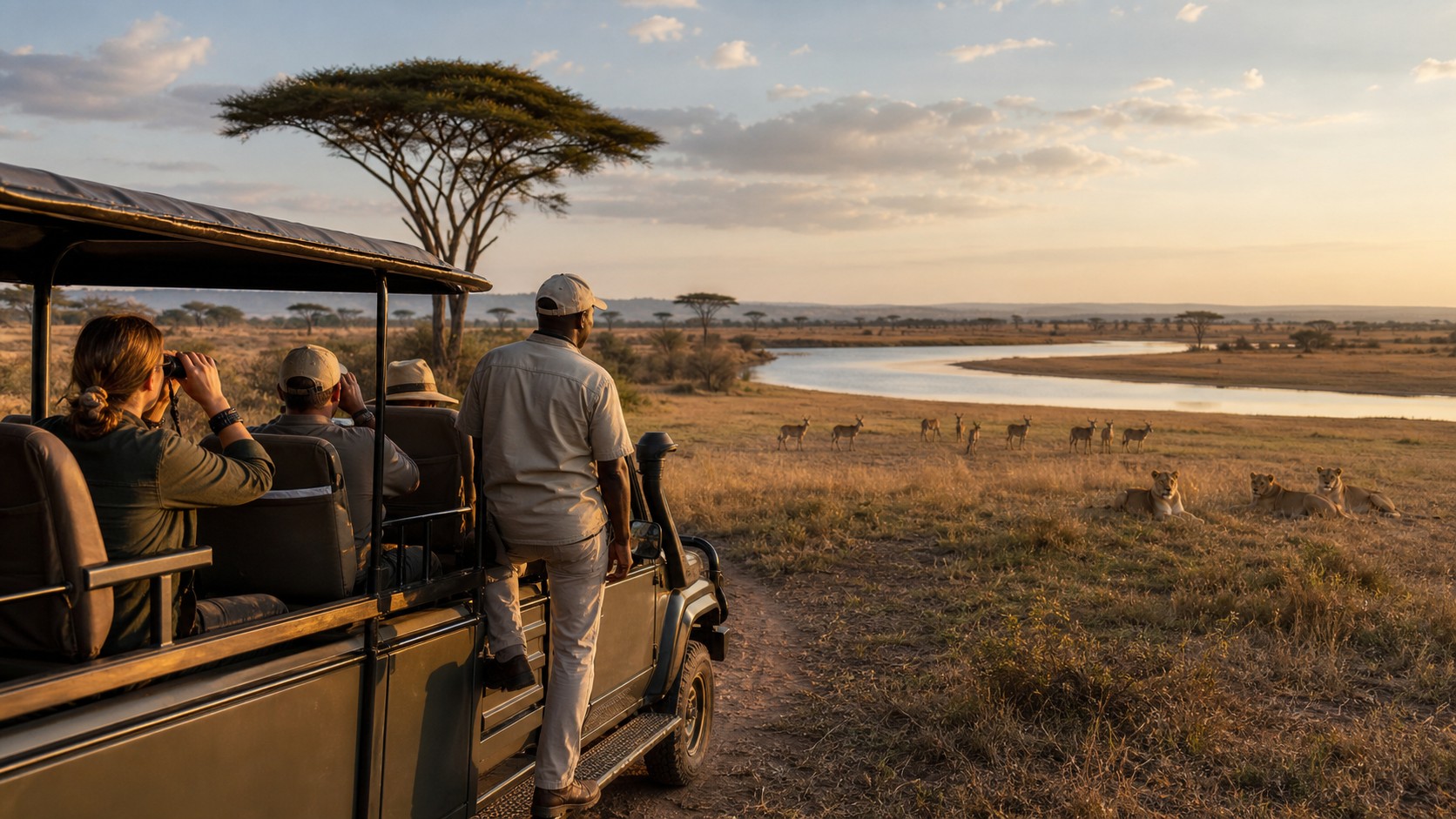
For many travelers, the appeal lies in combining complementary perspectives without repeatedly changing accommodation. A vehicle outing and a river activity may show the same broad environment in different ways, but the operator should explain what is included and what depends on conditions. Discuss the timing, passenger numbers, shade, seating, and ordinary arrangements that affect comfort over several hours. Those details help turn an appealing destination idea into a daily experience you can realistically enjoy.
Think carefully before treating Chobe as a brief stop between other attractions. A short visit can be worthwhile, but arrival, border movements where relevant, and departure may reduce the usable wildlife time. Ask for a full schedule rather than counting each overnight stay as a full day outdoors. If the river experience is central to your plans, protect enough time for it and avoid adding another destination that leaves you watching the clock during the outing you came to experience.
Kenya’s Mara Region for a Carefully Chosen Base
Kenya’s Mara region belongs on this shortlist for a plains-based wildlife journey, rather than the river emphasis of Chobe or the walking focus of a South Luangwa program. Kenya Tourism Board’s Maasai Mara guide provides a destination-specific starting point. Compare a stay centered on the national reserve with a proposal identifying a particular neighboring conservancy. Have the operator name where you sleep and where each included outing takes place, because the broad Mara label does not establish the same permissions or daily movements. The destination’s appeal includes observing a wide landscape over time; a hoped-for river crossing is a different, uncertain interest that should be described honestly rather than used as the measure of every day.
Ask What the Mara Itinerary Is Designed to Deliver
A traveler seeking broad wildlife observation may want patient drives and time to return to a setting. Someone choosing a particular photographic or seasonal interest needs a more specific explanation of how the route supports it. Share that purpose before accepting an itinerary and ask the provider to describe an ordinary day, including time spent traveling to the viewing area. The answer should connect your base with the experience, rather than rely on exceptional images that could have been taken somewhere else in the region.
Keep wildlife movement uncertain in your expectations. A seasonal emphasis can shape a trip without making an encounter guaranteed, and the value of the visit should extend beyond a single anticipated event. Ask how guides adapt to what is actually happening and how the outing handles busy observation situations. This gives you a more realistic picture of participation than a promise that the trip will reproduce one dramatic moment from a documentary.
Also consider what a second base would change. It may provide a different environment or experience, but changing camps can consume observation time and introduce another round of packing and transfers. Request a clear reason for the move and compare it with staying longer at the first base. A more focused route may suit someone who enjoys learning a place gradually, while a carefully justified combination can suit a traveler who values distinct settings.
Tanzania’s Plains for an Itinerary With Room to Develop
The Serengeti offers a useful Tanzanian counterpart when you want to follow different landscape settings through a longer plains journey. Tanzania National Parks’ wildlife description distinguishes open grassland, riverine forest, woodland, swamps, and kopjes, including the Seronera Valley and Grumeti River. Ask which of those environments a proposed route actually reaches. A two-base itinerary should have a reason for changing location, such as introducing another setting, rather than simply putting a second lodge name on the confirmation. Animal movement and current conditions determine opportunities within that route.
Compare the Serengeti idea with the Mara choice through the journey you can give it, not through an invented guarantee of superior sightings. Count usable observation days between arrival, camp moves, and departure. A traveler with a short holiday may prefer one settled base, while someone with more time may value the contrast between defined areas. Those are itinerary choices to investigate, not rules that one country requires constant movement. Select the proposal that connects your interests with enough time to observe, and let a qualified provider explain how the chosen dates affect the actual route.
Uganda’s Forests for a Distinct Tracking Journey
Uganda’s gorilla-tracking opportunities belong on an African wildlife shortlist as a different type of experience from a vehicle safari. The Uganda Wildlife Authority’s activity information identifies Bwindi Impenetrable and Mgahinga Gorilla national parks as tracking locations. The activity requires its own arrangements, preparation, and current rules. Treat it as a substantial part of the itinerary, with a suitable base and clear booking confirmation, rather than a casual addition assumed to fit between flights and other outings.
Understand the Commitment Before Booking a Trek
Ask how the selected accommodation relates to the actual tracking location and reporting arrangements. Discuss the likely nature of walking, what support can be arranged, and which personal concerns need attention before committing. Avoid assuming that all participants follow an identical route or that a fixed walking time can be promised. The operator should explain the ordinary process and uncertainty clearly enough that you can judge whether the activity fits your circumstances and the purpose of the trip.
Check permit arrangements through current official guidance and a suitable provider. Uganda Wildlife Authority publishes permit purchase guidance and tracking management guidelines; confirm the rules applicable to your booking instead of relying on a remembered fee or an old travel account. Understand what has been secured, which details must match your documents, and what the terms say about changes. That clarity helps protect an experience whose logistics differ from simply reserving a general game drive.
Leave With More Than a Collection of Sightings
Respect the instructions that make the encounter possible. Follow guides, observe current park rules, and accept that some situations require distance, patience, or a change of plan. A thoughtfully selected trip should make those responsibilities feel like part of participation, with enough time and support to act on them comfortably. When the route, activity, and expectations fit together, an African safari can provide both excitement and a deeper understanding that continues after you return home.