Choose the Park and the Base Together
A desert vacation in the United States is shaped by two settings: the landscape you came to explore and the place where you begin and end each day. Tall cacti, pale dunes, rock formations, and broad arid valleys create very different adventures, while the overnight base determines how easily you reach them, eat, rest, and adapt the plan. Choose those two parts together. A striking park may be a weak fit for a short break if the route creates more driving than your group wants. A convenient town can make a carefully selected outing feel spacious and enjoyable. Begin with the kind of desert environment that interests you, then examine a realistic day from the accommodation door and back again. The best vacation will connect memorable scenery with ordinary routines that work, giving you enough time and energy to appreciate the place rather than continually manage the journey.
A: Saguaro is worth investigating through its relationship with Tucson and the specific district you want to visit.
A: Use the park’s official planning information to choose a suitable format and check current access details.
A: One environment and one practical base can offer more enjoyable time than a route dominated by connections.
A: It supports the actual daily route, ordinary meals, arrival, and comfortable time between outings.
A: Read the park’s current official guidance close to travel rather than relying on an older account.
A: A shared core and a base with practical alternatives can support those preferences.
A: Accommodation, arrival and local transport, relevant fees, activities, equipment arrangements, and meals.
A: The group should know how to obtain the food and supplies required by its specific outing.
A: Seek appropriate local support or choose a suitable alternative through current guidance.
A: Describe a full ordinary day at each, including movement, the main landscape experience, meals, and rest.
Saguaro for a Desert-and-City Combination
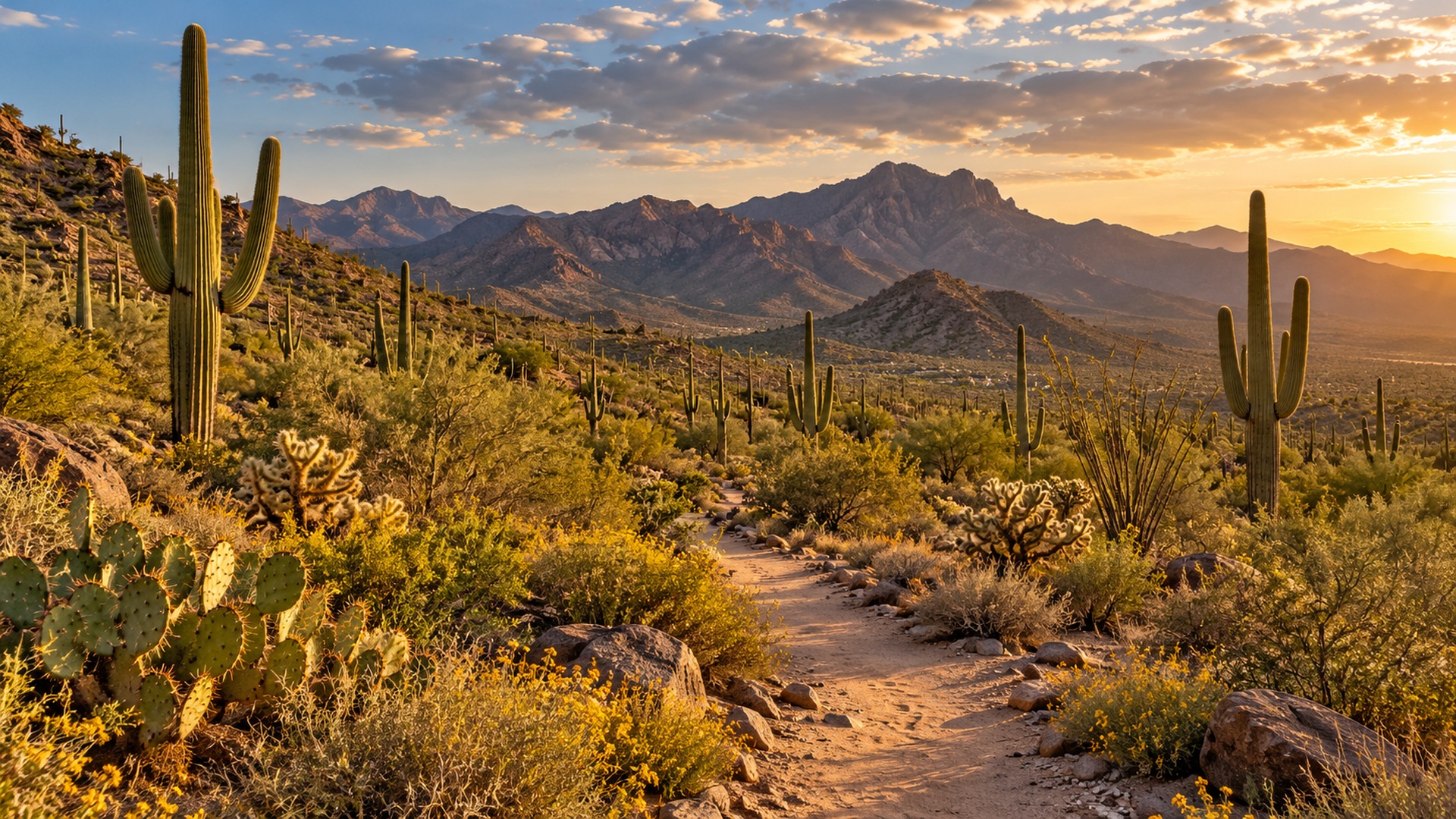
Saguaro National Park is useful to investigate when you want a desert experience alongside a city base. The National Park Service’s Saguaro visitor page explains its two districts around Tucson and links to activities, safety, and accessibility information. Start with the district and visitor experience that suit your interests. Then choose accommodation through the actual movement the day will require.
This format can suit travelers who enjoy an outdoor highlight followed by ordinary restaurant choices and comfortable indoor time. Keep the park experience focused rather than trying to visit every district and attraction immediately. Compare the routes and current guidance for the outings you are considering. A convenient combination of landscape and city services can give the holiday flexibility without requiring a large touring circuit.
Discuss how the group wants to divide its time. A companion who prefers a shorter outdoor session may still enjoy the destination if the base supports other interests. Agree on shared meals and clear meeting arrangements. Let the itinerary reflect the actual people traveling instead of treating a desert vacation as an obligation to remain outdoors throughout the day.
Joshua Tree for a Distinctive Park Setting
Compare a Joshua Tree or Twentynine Palms base through the park entrance and selected experiences it supports. The National Park Service hiking guide identifies Hidden Valley as a one-mile nature-trail loop, providing a concrete outing to assess through current conditions and your group’s needs. The attraction is time within the park’s boulder-and-desert setting, rather than an assumption that every visit needs a demanding hike. A short listed distance does not settle questions about heat, footing, access, or preparation. Plan the road approach, supplies, and return alongside the outing, using the park’s official visitor information for current guidance. Choose the actual town accommodation through that sequence rather than treating all rooms marketed as Joshua Tree as equally convenient.
White Sands for a Focused Dune Experience
Alamogordo provides a concrete town base to compare for White Sands National Park. National Park Service information describes the eight-mile Dunes Drive from the visitor center into the gypsum dunefield. A scenic-drive-focused visit and a selected walk ask different things of the group, so choose the format before assigning the day. Confirm current hours, road access, and any closures, then include the approach from the town, meals, supplies, and return. The dunes’ light-colored appearance is part of the landscape interest, not evidence that heat or exposure can be ignored. This pairing suits a focused dune visit without requiring a large touring circuit.
Consider how the overnight base supports the timing you choose. Include the approach, meals, and return when estimating the commitment. Avoid adding a distant second highlight simply because the map makes it appear connected. A memorable encounter with one landscape can be enough for the day, particularly when you leave time to notice its changing appearance.
Arches for Rock Formations With a Practical Town Base
Moab is the named town base for comparing an Arches National Park vacation. Begin with the National Park Service planning guide, then investigate a defined area such as the Windows rather than leaving every day at the level of ‘see some arches.’ Compare a scenic road-and-viewpoint plan with a walk selected through its actual demands, current access, and your group’s experience. Moab’s services can support the evenings, but the chosen room’s route to the park and the selected outing still matter. Check the entry requirements for your dates directly; a town booking does not establish park access or permission for a particular activity.
Research the base and the park day as one arrangement. Think about departure, food, the selected stops, and the return before committing to an ambitious sequence. A nearby town may support comfortable evenings, but the convenience of your specific accommodation still deserves scrutiny. Judge the location through the itinerary you intend to use.
Respect the park’s guidance about where visitors may go and how they should behave around protected features. An impressive formation is not an invitation to improvise a route or climb it. Keep the plan within suitable permitted experiences. The visual drama of the setting remains available without turning the visit into an inappropriate challenge.
Death Valley for Travelers Who Plan Deliberately
A Furnace Creek-area stay gives Death Valley’s accommodation-and-park comparison a specific focus. Investigate Badwater Basin for its salt-flat setting and Zabriskie Point for badlands scenery through National Park Service visitor information, then identify the services and roads your day relies on. Accommodation within or outside the park can create substantially different approach and return journeys. The relevant choice is not simply how close the property looks on a regional map, but whether its actual access supports a suitable visit during your dates. Use current safety and road guidance to set the scope, and change the plan when heat or conditions make the intended outing inappropriate. A conservative viewpoint visit can still have a clear landscape purpose.
Read Accommodation Through the Daily Route
A room’s location can affect the vacation more often than an extra decorative feature. Trace the journey to the park, the meal arrangements, and the return after the main outing. Ask about arrival and parking where relevant. Compare the actual address rather than relying on a broad claim that a property is near the destination.
Consider the hours spent at the base as part of the holiday. Comfortable seating, suitable meal access, and a practical routine can make a lighter afternoon enjoyable. If rest is important to the group, the room should support it. A base that provides satisfying intervals lets you choose outdoor experiences through interest rather than pressure to fill every hour.
For a family or mixed-interest group, discuss room layout and individual needs before booking. Confirm important access details directly with the property and relevant activity providers. Do not assume that a general description resolves every traveler’s requirements. Clear accommodation decisions help everyone participate comfortably in the vacation’s shared rhythm.
Set Activity Ambitions Through Current Guidance
Choose each outing through the responsible park’s current information and the group’s actual experience. A short-looking route can still require preparation that is not obvious in a photograph. Avoid applying a familiar park’s assumptions to another desert environment. The activity should be appropriate to the real conditions, not merely fit the remaining time in the schedule. Use qualified local support when unfamiliar terrain or an activity lies outside your competence.
Keep Food and Supplies Within the Plan
Investigate the services on which the park day depends before departure. Confirm where the group obtains food and the supplies required by the specific outing. Follow official and provider guidance for those requirements rather than assuming that every destination offers the same facilities. Decide who carries each responsibility.
Pack through the actual arrangement. A scenic visit, a guided activity, and an overnight camping plan have different needs. Check supplied equipment and any limits attached to the booking. Organize useful items so they can be reached without repeatedly unpacking everything.
Keep essential information available when connectivity is uncertain. Save booking contacts, relevant official guidance, and the details required for the planned route. Make sure more than one adult can access the core information. This preparation supports a simpler day and avoids relying on one device or one organizer for every decision.
Leave an Alternative That Belongs to the Trip
A changed park outing should not force the group to invent an entirely unrelated holiday. Identify a worthwhile experience near the base that suits the original travel purpose. It might be a town visit, a cultural stop, a relaxed meal, or comfortable time at the accommodation. Check any operating details the alternative depends on.
Keep the decision process straightforward. Use current official advice for outdoor choices and the actual booking terms for logistical changes. Communicate the change clearly to companions. A useful alternative gives the group a satisfying day while preserving the flexibility that desert travel can require.
Decide Through the Vacation’s Ordinary Day
A memorable US desert vacation does not require an extensive circuit or the most difficult outing. It needs a suitable environment, a practical base, and time to appreciate both. Make those parts work together, then let the actual day guide optional choices. The adventure comes from engaging with the place through a plan you can comfortably sustain.