There Is More Than One Kind of Desert to Discover
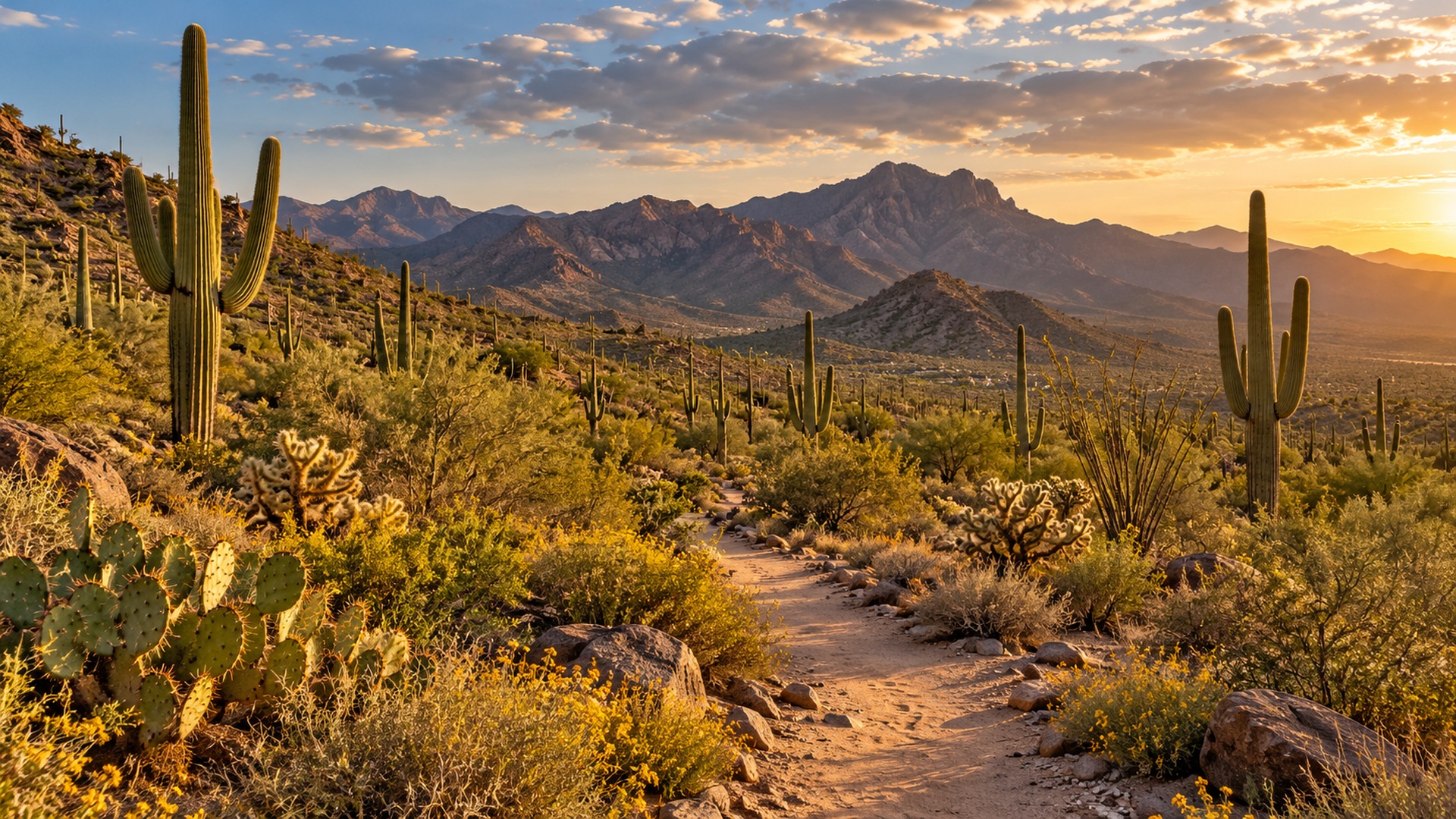
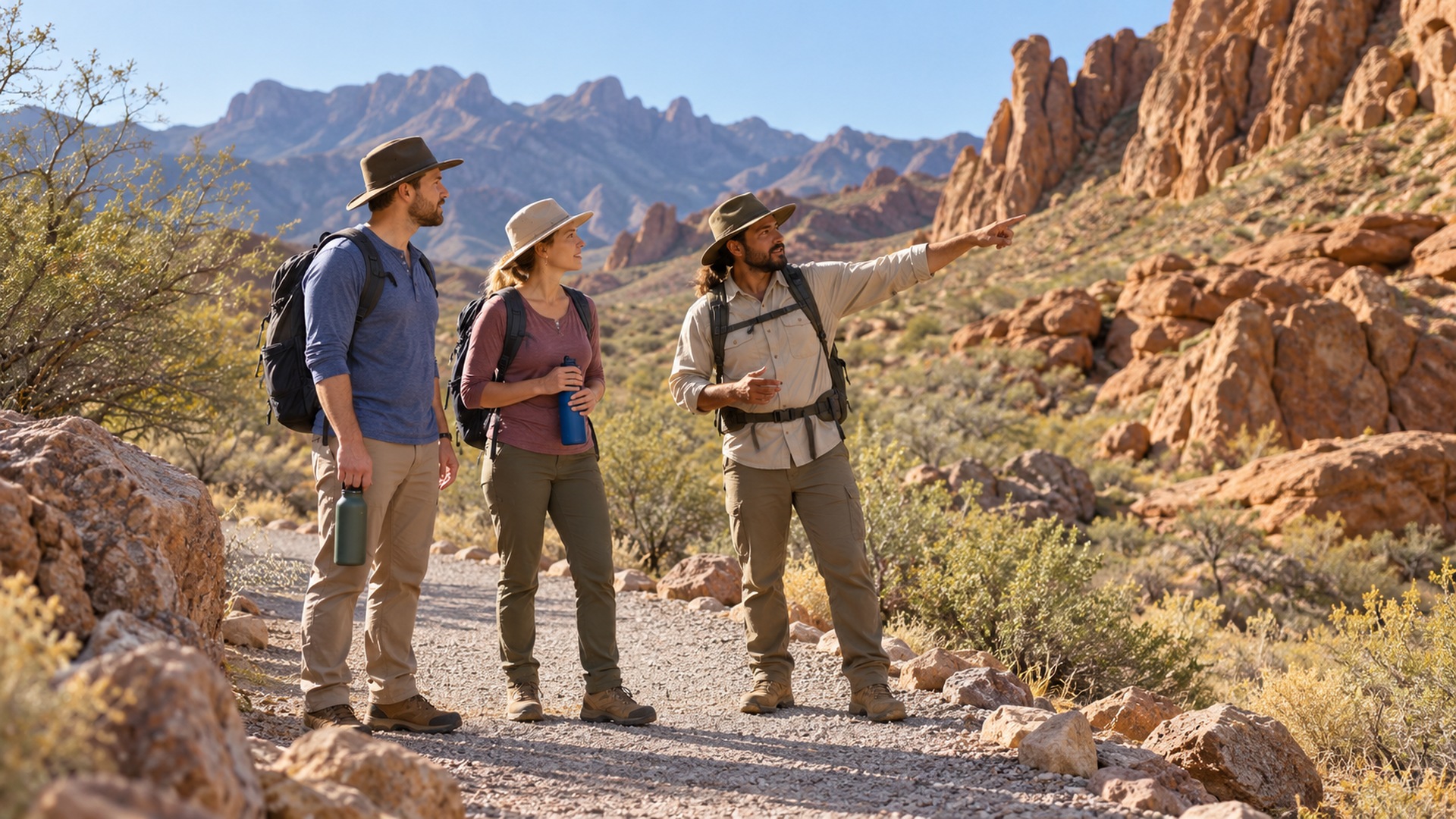
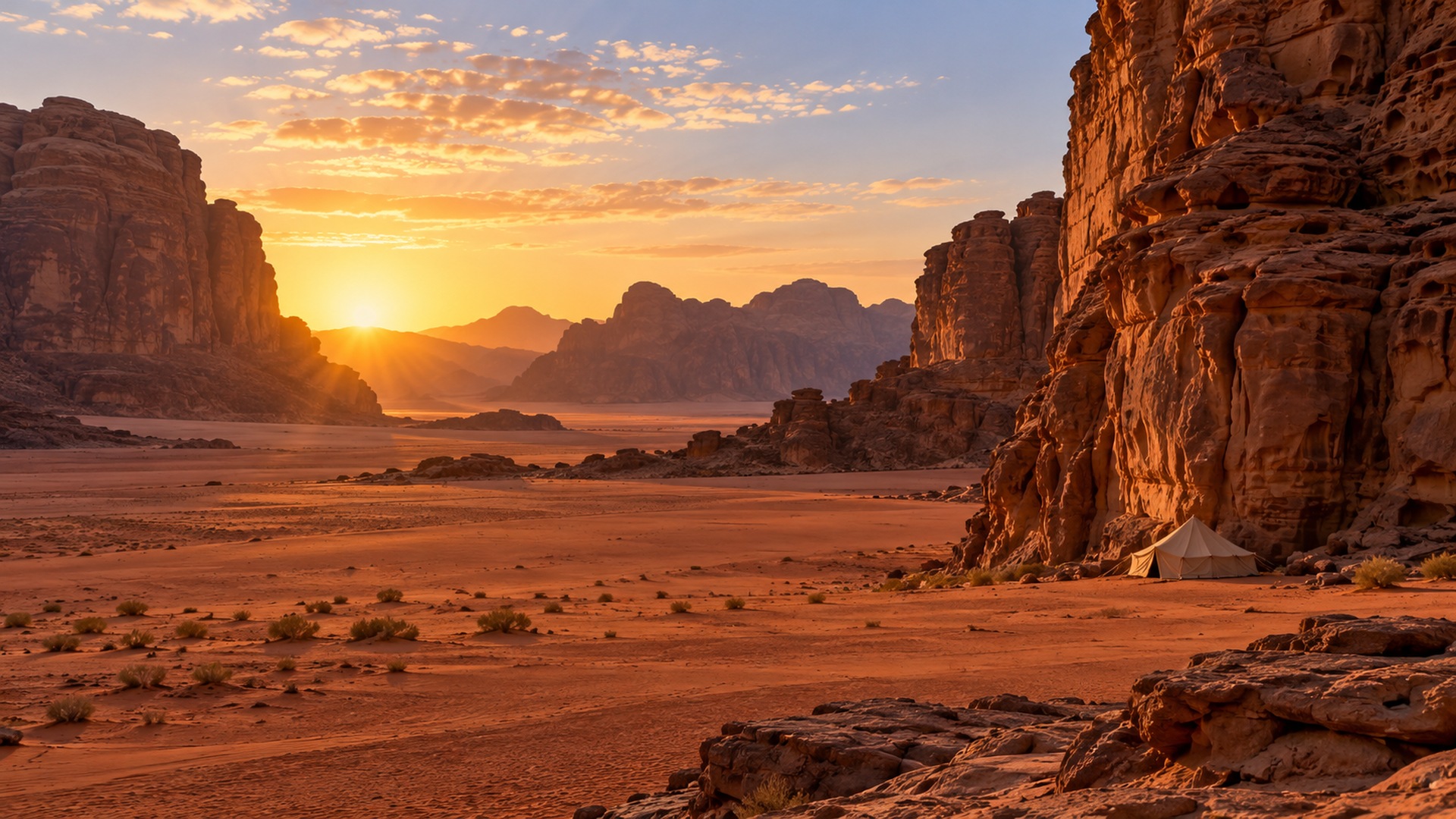
Ask several travelers to picture a desert and many will describe the same scene: open sand, a dune ridge, and an enormous sky. That image represents only one direction for a desert journey. Other places invite attention to rocky hills, unusual plants, an inhabited region’s architecture, or the relationship between a dry landscape and the forces that shape it. The best deserts to visit around the world should therefore be understood through their differences, rather than arranged into a contest of size or dramatic appearance. Start by choosing what you are curious about. A dune-focused visit, a landscape-learning trip, and a journey that combines a desert setting with local cultural life will lead to different decisions. Understanding that variety helps you select a place whose actual character interests you, then plan a suitable way to experience it without expecting every desert to reproduce the same photograph.
A: Deserts differ in landforms, ecological context, local life, and the practical formats available to visitors.
A: UNESCO describes a coastal environment whose fog and dune systems contribute to its distinctive character.
A: The city offers a context for combining local cultural interests with a separately researched desert outing.
A: A specific area and route make the visit understandable; the Sahara’s name alone is too broad to define the holiday.
A: A suitable visitor outing can be rewarding without taking on a more involved remote journey.
A: Assess each activity’s demands, transfers, and preparation separately instead of assuming one regional standard.
A: Ask which aspects of the landscape the outing explains and how time is divided between observation and movement.
A: It can deepen understanding when the city’s context connects naturally with the landscape experience.
A: Consult the new destination’s own current information and the requirements of its particular activities.
A: Choose the landscape question that interests you, then compare suitable visitor formats that help explore it.
The Namib Sand Sea: Dunes With a Coastal Story
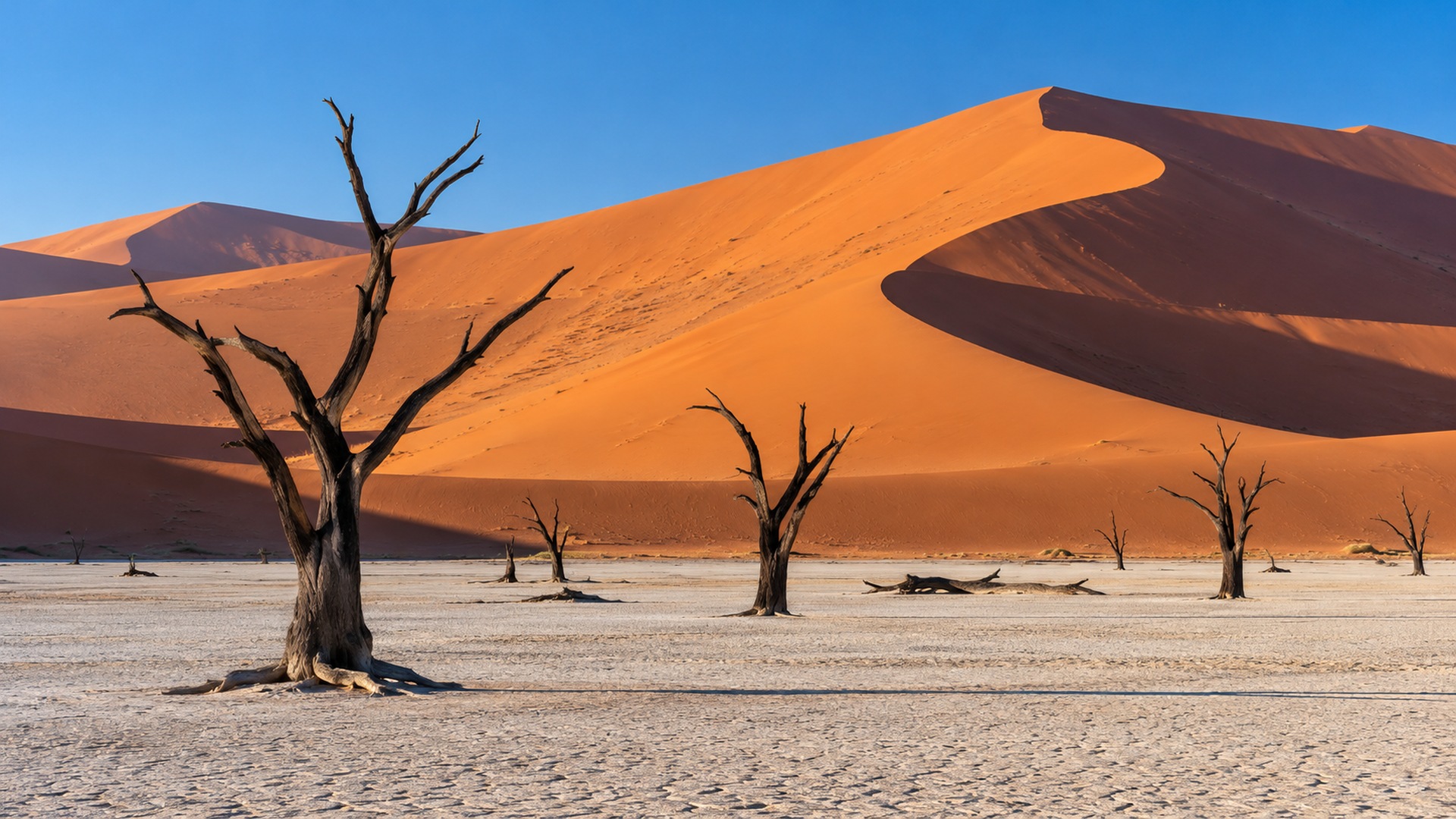
The Namib Sand Sea offers a useful example of why a desert deserves more than a visual description. UNESCO’s account of the site explains the importance of coastal fog and describes both dune systems and other associated landforms. This context changes the way you look at the scenery. The dunes belong to a distinctive environment, rather than simply provide a setting for a dramatic photograph.
For a visitor, the appeal may be the shapes of the dunes, the scale of the landscape, or learning how life fits this environment. Decide which interest will guide your visit and investigate suitable current visitor arrangements. A photography-centered outing and an interpretation-focused excursion may use time differently. Ask the provider how the experience introduces the setting beyond its most recognizable view.
The Thar Region: A Desert With Human Context
The Thar offers a different research direction for travelers interested in the relationship between a desert and an inhabited region. India’s official Jaisalmer destination page introduces both the city and its desert setting. Use that connection to consider a journey that includes architecture and ordinary local life alongside a researched desert outing. The value of the trip can lie in how these experiences inform one another. Avoid treating a city or its residents as a brief decorative prelude to the dunes.
Morocco’s Sahara Gateway: Choose a Specific Area
The Sahara is too broad a name to function as a complete holiday plan. Morocco’s tourism authority describes southern desert journeys and Merzouga as one visitor direction. Treat a named gateway and a defined itinerary as the practical starting point. A general image of the Sahara does not explain the route you will take or the daily experience you will have.
Research the exact base, approach, and visit format. Consider whether your purpose is a focused dune stay or a broader journey that includes a desert segment. Those choices create different commitments on either side of the main experience. Trace the entire route before judging how much time the visit needs.
Accommodation and transport can substantially change two offers that appear similar. Read the meal arrangements, sleeping facilities, group format, and included activities closely. Ask how changes are handled and which responsibilities remain with travelers. The landscape may draw you to the region, while these details determine the quality of the actual stay.
Mojave National Preserve: Dunes Within a Larger Desert
Mojave National Preserve is a particular protected setting within the much larger Mojave Desert, and its variety includes the Kelso Dunes. National Park Service interpretation explains the dune landscape and its notable booming-sand phenomenon. The dunes also tell a story about sediment and wind. The park explains how material carried through the Mojave River system was exposed as lake environments changed, then moved by wind into the dune field. Nearby mountains influence where that sand accumulates. This makes the site an example of landscape processes, not merely a large expanse of sand to climb. Treat that phenomenon as something to learn about, not a performance guaranteed during a visit. Compare the dune interest with another defined area, such as Hole-in-the-Wall, through the preserve’s current road and visitor information. Naming the protected setting matters: a visit to one site cannot stand in for the experience or access rules of the whole inhabited desert region.
Understand the Difference Between Visiting and Venturing Farther
A researched visitor outing and a remote backcountry journey are different undertakings. The preserve’s backcountry guidance describes the experience expected for more involved travel. Read the actual requirements before considering that format. A first desert visit does not need to include it to be worthwhile.
Choose the scope that supports your curiosity comfortably. A suitable accessible viewpoint, a guided experience, or a modest outing may reveal more than an ambitious route dominated by logistical concerns. The degree of remoteness is not a measure of the value of the trip. Good judgment helps you remain engaged with the place you came to understand.
Atacama: Compare Particular Landscapes Within a Region
Valle de la Luna near San Pedro de Atacama gives the Atacama comparison a landform-focused place to investigate. Chile Travel’s destination information introduces this valley among the northern landscape interests. Compare its forms, scale, and changing light with the dunes and rock settings elsewhere in the shortlist, rather than assuming every desert should resemble the same sand photograph. A town-based valley outing also differs in scope from a journey farther into the Altiplano. Research the actual site and appropriate interpretation, keeping the cultural, access, and preparation requirements tied to the place rather than to a generic idea of desert exploration.
A consistent base can make that comparison easier for travelers who prefer familiar evenings. Ask providers how the proposed outings fit together and what participation requires. Consider the time spent reaching each place as part of the activity itself. A collection of contrasting landscapes should not become a sequence in which every day is mostly transfer.
Allow room to absorb what makes the selected places different. An interpretation-focused outing, a suitable scenic visit, and an evening in the base can each contribute to understanding the region. Choose through your interests rather than a list of superlatives. The destination becomes more meaningful when its distinct experiences remain clear in your memory.
Australia’s Red Centre: More Than an Empty Interior
Uluṟu-Kata Tjuṯa National Park provides a defined visitor setting within Australia’s Red Centre. Parks Australia’s Mala walk information describes a route at Uluṟu and its ranger-guided interpretation. That is a useful comparison with viewing a dune field solely for its shape: the visit includes learning how a landscape is understood and cared for as well as noticing its physical presence. Follow the park’s cultural access and photography guidance, and avoid treating the region as empty simply because a photograph omits people. The national park is one specific part of a larger inhabited setting, with its own current visitor framework.
Use Each Place’s Own Visitor Information
Research conditions and access for the actual destination and activity, rather than transferring assumptions from a previous desert trip. A suitable season, a vehicle arrangement, and an equipment requirement belong to a specific journey. Read current official guidance and ask qualified local providers about the proposed format. Keep general inspiration separate from the information on which a booking depends.
Confirm practical responsibilities before departure. Understand who supplies what, how transfers work, and how changes are communicated. For an overnight stay, inspect the facilities and routine as carefully as the scenery. Specific preparation supports a calmer visit.
Share the central arrangements with companions. People can be drawn to the same photograph while expecting different levels of comfort, activity, or independence. Discuss those expectations before committing to a format. A clear shared understanding lets the destination’s character become the focus once you arrive.
Let the Desert Remain a Place, Not a Backdrop
Use the named places to sharpen the question that interests you: dune ecology in the Namib, a town-and-regional relationship around Jaisalmer, a chosen Moroccan gateway, a particular preserve site in the Mojave, a valley near San Pedro, or interpreted landscape at Uluṟu. These examples have different boundaries, histories, and visitor arrangements. Choose through that substance rather than a universal claim about which desert is most spectacular. A smaller, well-understood visit can give a clearer memory than moving rapidly between settings whose differences you have no time to notice.
The best desert to visit is the one whose particular character makes you curious and whose visitor format suits your circumstances. It may be a dune environment, a rocky preserve, or a region where the landscape and cultural setting are closely connected. Choose a clear purpose, arrange appropriate support, and leave room for observation. That approach gives the journey depth without requiring a claim that one desert is universally better than another.