Choose the Kind of Participation You Want to Remember
Extreme experiences can look similar when reduced to a dramatic photograph, but they can feel very different to the person taking part. A brief jump event concentrates attention into one moment, a tandem flight introduces a supported aerial perspective, and a rafting day brings the group into an activity that develops over time. A guided climb or an introductory diving experience may appeal through learning as much as adrenaline. The best choice depends on what you want to do, how you prefer to learn, and what kind of support the actual format provides. Compare the participant’s role before comparing the size of the thrill. This helps you distinguish an experience you would enjoy from one whose photograph is impressive but whose ordinary process does not interest you. A well-matched adventure can be memorable through teamwork, landscape, new understanding, or a short intense event without requiring all of those qualities at once.
A: Look at the participant role, setting, learning, teamwork, duration, and support that interest you.
A: Someone drawn to a concentrated experience, while still willing to assess its full process and requirements.
A: They are distinct activities whose actual formats and participation requirements need separate explanation.
A: It may offer an unfolding group activity with teamwork, transport, preparation, and a broader day’s rhythm.
A: Not alone; ask the provider about the particular route’s prerequisites and participation demands.
A: It can offer attentive instruction and skill discovery rather than focus only on a dramatic endpoint.
A: No; an introductory experience and the training needed for later participation have different purposes.
A: When gaining a defined skill is a stronger goal than completing a one-off visitor event.
A: Respect individual interests, arrange the day clearly, and plan when the group reconnects.
A: It can show whether landscape, teamwork, sensation, or learning should guide the next booking.
A Brief Jump Event for a Concentrated Moment
A defined commercial event such as Kawarau Bridge Bungy illustrates the short-event end of this comparison. The experience is concentrated around a supervised jump sequence, even though check-in, preparation, waiting, and travel occupy more time. This can appeal if you want one intense event rather than a day centered on learning a technical activity. Compare the provider’s current requirements and decision process before booking, including what happens if you choose not to continue. Selecting the format is a personal decision, not an obligation created by the event’s reputation or a companion’s expectations.
Think about whether the anticipation itself is part of what interests you. Some travelers enjoy a compact experience that becomes the day’s centerpiece; others would rather spend longer actively exploring a landscape. Discuss the process for deciding not to continue and read the booking terms. You should know what you are choosing before group excitement or an already purchased photo package makes the event feel compulsory.
A Tandem Flight for a Supported Aerial Perspective
A Beatenberg tandem paragliding flight near Interlaken illustrates a supported aerial format with a different participant role from a jump event. You travel to a launch setting, receive instructions, and fly with a pilot responsible for the flight. Its appeal may be the sustained perspective on the landscape rather than the shortest possible burst of adrenaline. Ask about the actual takeoff and landing participation, current requirements, transfer, and conditions-based decisions. A passenger experience does not establish independent flying competence, and the complete outing should be assessed through the provider rather than inferred from an attractive image.
Rafting for Teamwork Across a Whole Outing
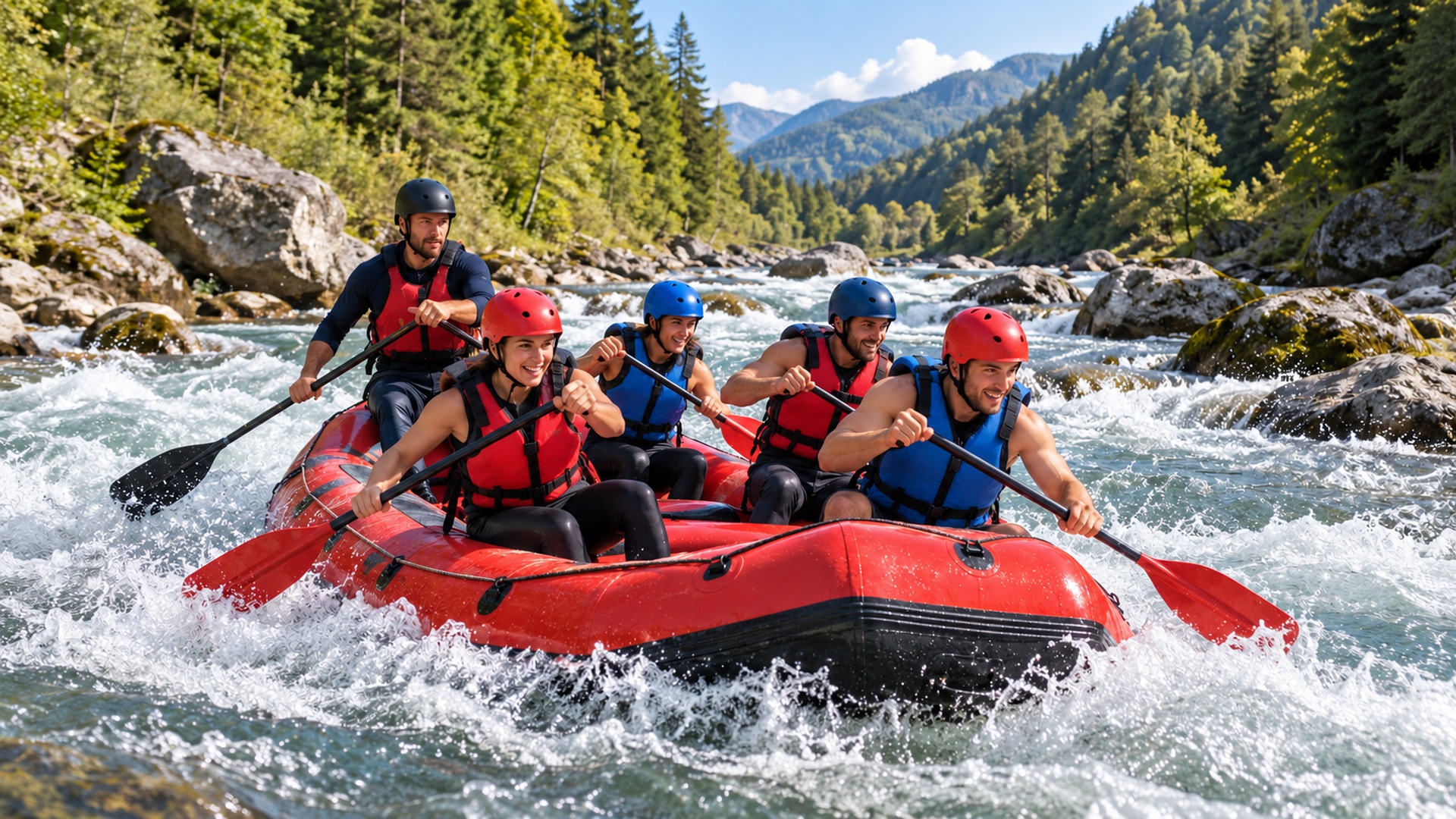
A guided rafting trip may suit someone who enjoys participating with others as the experience develops. The crew’s role, the river section, and the provider’s format determine the activity, not the word rafting alone. Ask what participants are expected to do, what preparation is provided, and what the whole day includes beyond the time in the raft. A lively water photograph cannot establish whether the particular outing fits your experience and circumstances.
Obtain current information about the route and conditions from the operator, including how changes affect participation or operation. Do not transfer an eligibility description from a different river or another provider’s outing. Explain relevant experience honestly and use the briefing to clarify the instructions you need to follow. The teamwork appeal is strongest when everyone understands their role rather than assume the guide’s presence removes all participant responsibilities.
Compare the group format with what you want from the day. A traveler may value meeting others and working together, while another chiefly wants landscape and interpretation. Ask how the outing accommodates ordinary breaks, transport, and the return, and keep enough time afterward for a comfortable transition. A team activity can become a shared memory when the schedule supports the whole experience rather than rushes everyone from the raft into another commitment.
Canyoning for an Experience That Changes as You Move
A guided canyoning experience can combine different kinds of movement through a terrain-based route, depending on the actual booking. Ask for a plain-language description of the participation required and which prerequisites apply. The provider should explain the outing’s format, supplied equipment, guiding arrangements, and decisions affected by conditions. Treat it as its own activity rather than assume experience with an unrelated walk or swim makes every canyon route appropriate. A traveler interested in variety may enjoy the changing character, provided the demands and support fit the individual.
Guided Climbing for an Adventure With Learning at Its Center
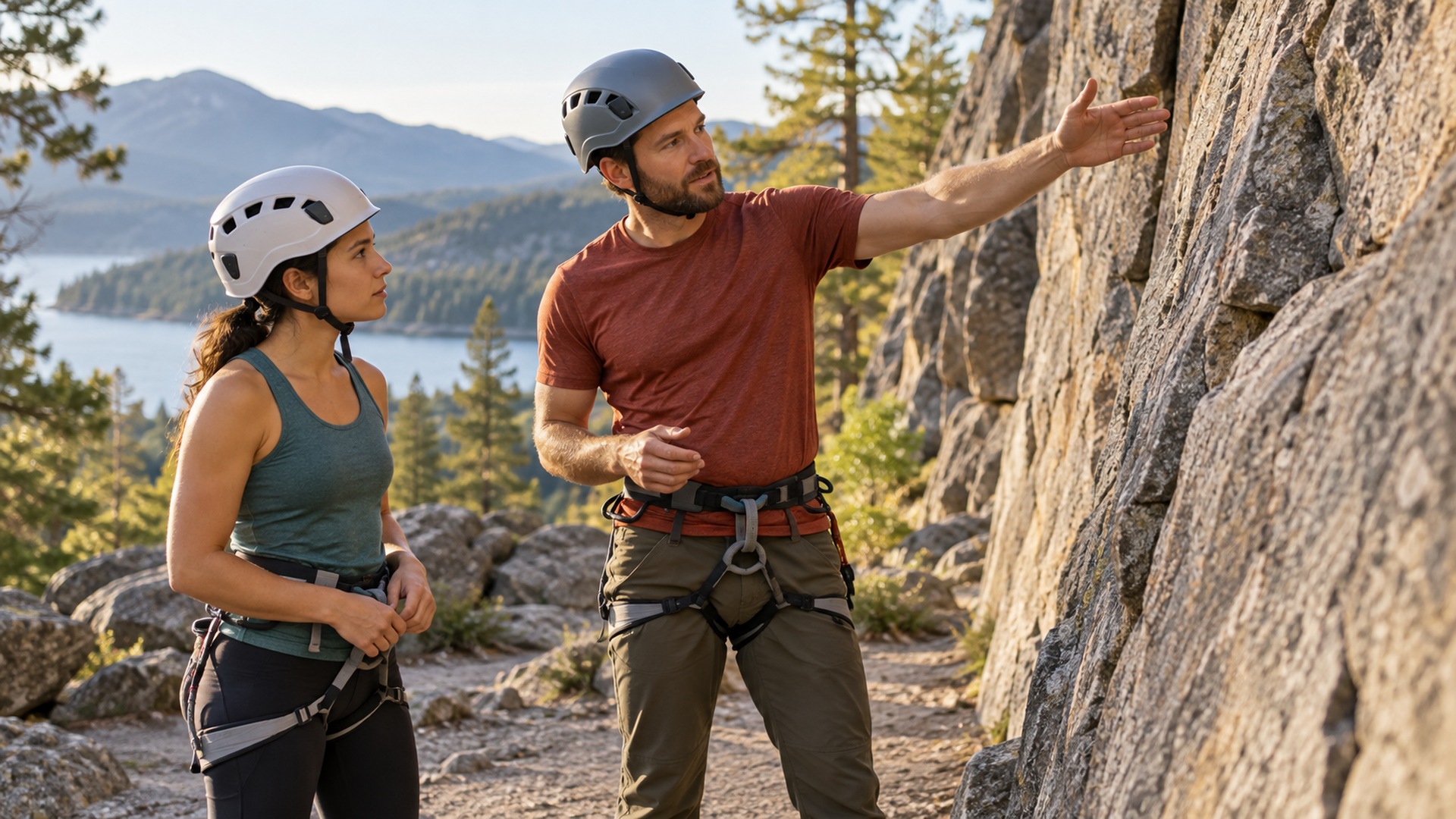
A climbing introduction can offer an experience based on learning and attention rather than merely reaching a dramatic position. Ask how instruction, equipment, and supervised participation are organized for the actual session. Choose a format matched to your level and let the qualified staff explain the technical process. An introductory booking should help you understand the activity within its scope; it does not establish independent competence for a later outing simply because you completed one supervised experience.
Consider whether you enjoy repeating and developing a skill. A learner may find a thoughtful session more satisfying than a single intense event because it provides a new way to interact with terrain. Explain your interests to the instructor and ask what progression would be appropriate if you want to continue. The experience can be worthwhile even without the highest route or the most exposed photograph, because the quality of learning is part of its purpose.
Keep the surrounding schedule manageable. Learning requires time to listen, ask questions, and respond to feedback, and a rushed arrival can reduce that opportunity. Avoid combining the introduction with another booking that forces you to leave before the session’s normal conclusion. A well-chosen learning adventure rewards attention, so the travel plan should give you enough room to bring that attention to the activity.
A Diving Introduction for a Different Kind of Discovery
An introductory diving experience offers another participation style, with instruction and a supervised setting rather than an independent dive. PADI’s Discover Scuba Diving information describes a first experience in a pool or calm-water environment. Use the provider’s current requirements and appropriate professional advice to assess your own participation. An introduction and a certification course have different purposes, so choose according to whether you want to try the experience or begin a more substantial learning process.
Choose Underwater Participation Through the Actual Program
Ask the dive professional where the introduction takes place, which screening and prerequisites apply, and what it includes. Follow their preparation instructions and use qualified medical advice where individual circumstances require it. Explain the full travel schedule before booking, including flights and any later travel to altitude. Divers Alert Network’s flying-after-diving guidance addresses why the timing after a dive matters; obtain advice applicable to the actual dive and itinerary rather than treating a generic gap in a holiday schedule as enough. A first introduction is a supported experience, not permission to arrange an independent dive afterward.
Connect the diving plan with the rest of the itinerary through the professional’s guidance. Explain the relevant travel schedule and ask about arrangements that affect participation and subsequent plans. Keep enough time for the learning process and any required preparation instead of treating the session as a brief item to squeeze into an already crowded day. A thoughtful introduction can clarify whether underwater travel belongs among the interests you want to develop further.
Book the Experience That Fits Your Real Holiday
Choose the provider and format through clear current information, then check relevant insurance for the exact activity and circumstances. Keep eligibility, supplied equipment, meeting arrangements, and change terms connected to the reservation. If a detail remains unclear, obtain an answer before allowing the itinerary to depend on it. The destination may inspire the choice, but the actual booking needs to fit the person who will take part and the day in which it occurs.