Find an Ocean Adventure With the Right Kind of Movement
Adventure on the ocean can mean slipping into a reef world, watching wildlife from a small expedition vessel, or paddling along a coast where mountains meet the sea. Those experiences share salt water but ask different things of the traveler. Some reward practiced swimming and comfort with equipment; others place the emphasis on observation, patient travel, or learning a skill with a capable guide. Choosing well means looking beyond a destination’s blue-water photograph and imagining what you will actually do from morning to evening. The strongest ocean escape gives your preferred activity a suitable environment, provides support appropriate to your experience, and leaves enough flexibility for changing conditions. This comparison focuses on the character of the adventure rather than on a fixed ranking of the world’s coastlines, helping you identify a journey that is exciting for reasons you will still appreciate once the first dramatic view becomes familiar.
A: Reef trips emphasize underwater observation, while kayaking centers movement along the coast with distinct skills and conditions.
A: Its wildlife and protected environments often shape the itinerary more strongly than ordinary beach relaxation.
A: Cold water, shoreline conditions, weather, and crossing demands require suitable equipment, guidance, and an activity matched to experience.
A: Some observation-focused programs may suit them; confirm the specific itinerary and alternatives with the operator.
A: Discuss cabins, privacy, meals, motion, daily roles, and the way conditions may change the route.
A: Select appropriate instruction and conditions rather than a destination renowned for challenging waves.
A: No; ask how supervision and participant support work in practice.
A: Interpretation, varied observations, landscape, and learning can provide value beyond one hoped-for animal sighting.
A: Match the mix to your interests, experience, workload, and the time available for learning and recovery.
A: Describe each one's actual daily experience, then compare demands, support, accommodation, and alternatives.
Australian Reef Journeys for Underwater Discovery
Reef travel suits adventure seekers who want to spend meaningful time observing life beneath the surface. Australia’s reef destinations offer different settings and ways to enter that experience, from shore-based snorkeling opportunities to boat outings and diving trips. The Tourism Australia snorkeling overview identifies examples including the Great Barrier Reef and Ningaloo. Use those places as starting points for comparing actual activities, then investigate the entry method, supervision, expected conditions, and transport associated with the particular site you are considering.
A reef holiday can feel quite different depending on where you stay and how excursions work. An island base may offer a slower routine close to the surrounding marine environment, while a mainland base may provide more accommodation and dining choices alongside boat access to specific sites. Neither format is automatically more adventurous. Think about how much time you want on a vessel, whether every traveler intends to enter the water, and how you will enjoy a day when the original outing is changed.
Galápagos for Marine Wildlife and Guided Observation
The Galápagos appeals to travelers interested in the relationship between the ocean, island landscapes, and wildlife. Rather than treating it as a conventional beach destination, think of the journey as a sequence of observations shaped by the permitted itinerary and the guide’s interpretation. A land-based stay and a vessel-based program provide different patterns of movement, accommodation, and access. Compare the actual route and activities carefully, because the experience comes from where the program takes you and how much time it allows, not simply from having the archipelago’s name on the booking confirmation.
Responsible access is central to the experience. The Galápagos government visitor rules provide official guidance for protected areas, and your operator should explain the rules relevant to the proposed activities. Follow the guide’s directions and keep wildlife observation within the permitted arrangements. The reward is learning how the environment functions, including moments that may be quieter than the dramatic animal encounter you first imagined.
Consider how comfortable you are with the chosen daily routine. A vessel-based trip may involve nights aboard, regular landings, changing water conditions, and limited opportunities to alter the program independently. A land-based plan can offer a different balance of excursions and personal time, although it still depends on transport and authorized access. Ask how participants who choose not to enter the water are accommodated, and select a format that remains rewarding for everyone in your party rather than assuming wildlife interest automatically creates identical activity preferences.
Norway for Sea Kayaking Through Mountain Coasts
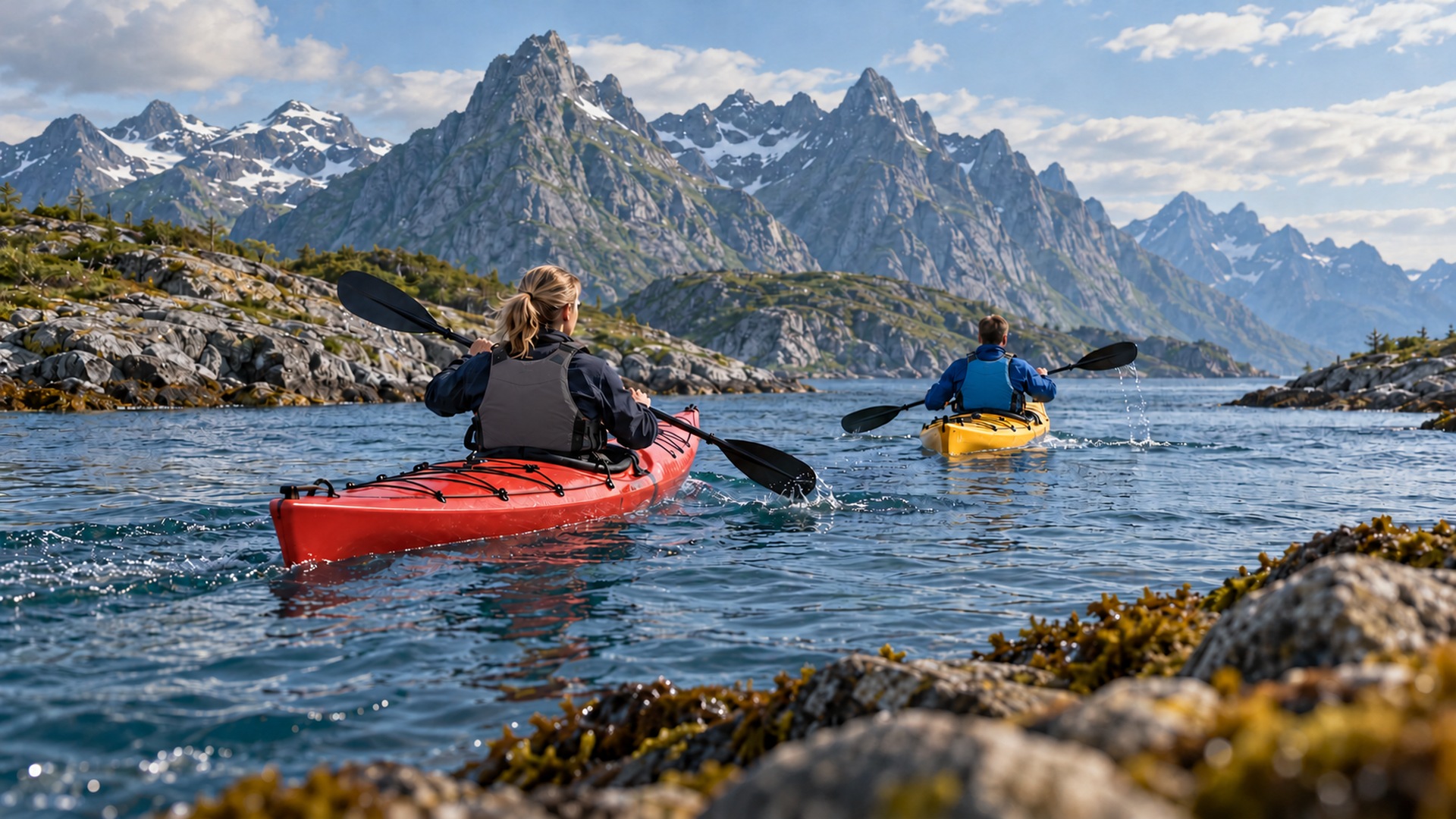
A northern coastline can provide an ocean adventure with a very different atmosphere from tropical snorkeling. Norway’s fjords and island-dotted coasts attract paddlers through close contact with the shoreline, changing perspectives, and the combination of sea and mountain landscapes. Visit Norway’s paddling guidance describes areas such as Helgeland and emphasizes local advice, suitable equipment, cold water, and the demands of open crossings. For travelers unfamiliar with the area, a suitable guided outing can connect the scenery with instruction and local judgment, while keeping the activity matched to actual paddling experience.
Whitsunday Sailing for Days Between Islands
Australia’s Whitsundays gives a sailing holiday a specific destination and a useful choice of formats. Tourism Australia’s Whitsundays guide identifies sailing among the region’s central experiences. Compare a crewed overnight journey with a day sailing outing from a mainland base: the first makes the vessel your accommodation, while the second lets you try the experience before committing several nights to it. This is a strong shortlist choice when passages and island scenery are part of the attraction, rather than transport you want to finish quickly. An independent charter belongs in a separate comparison because it brings responsibilities that buying a berth on a professionally crewed trip does not.
Read the proposed sailing day from departure to overnight anchorage or return. Determine how much participation is invited, where guests sleep, which shore or water activities are included, and what changes when the skipper adjusts the route. Look at cabin sharing, luggage space, meals, motion, and privacy together; a short outing provides little evidence of how you will feel living aboard. If one companion wants reef observation and another mainly wants sailing, compare the actual activity balance rather than assuming every Whitsunday itinerary serves both equally. Equipment storage and drying arrangements also belong in this conversation, particularly when a boat holiday follows another part of a longer trip.
Taghazout for a Surf-Focused Learning Holiday
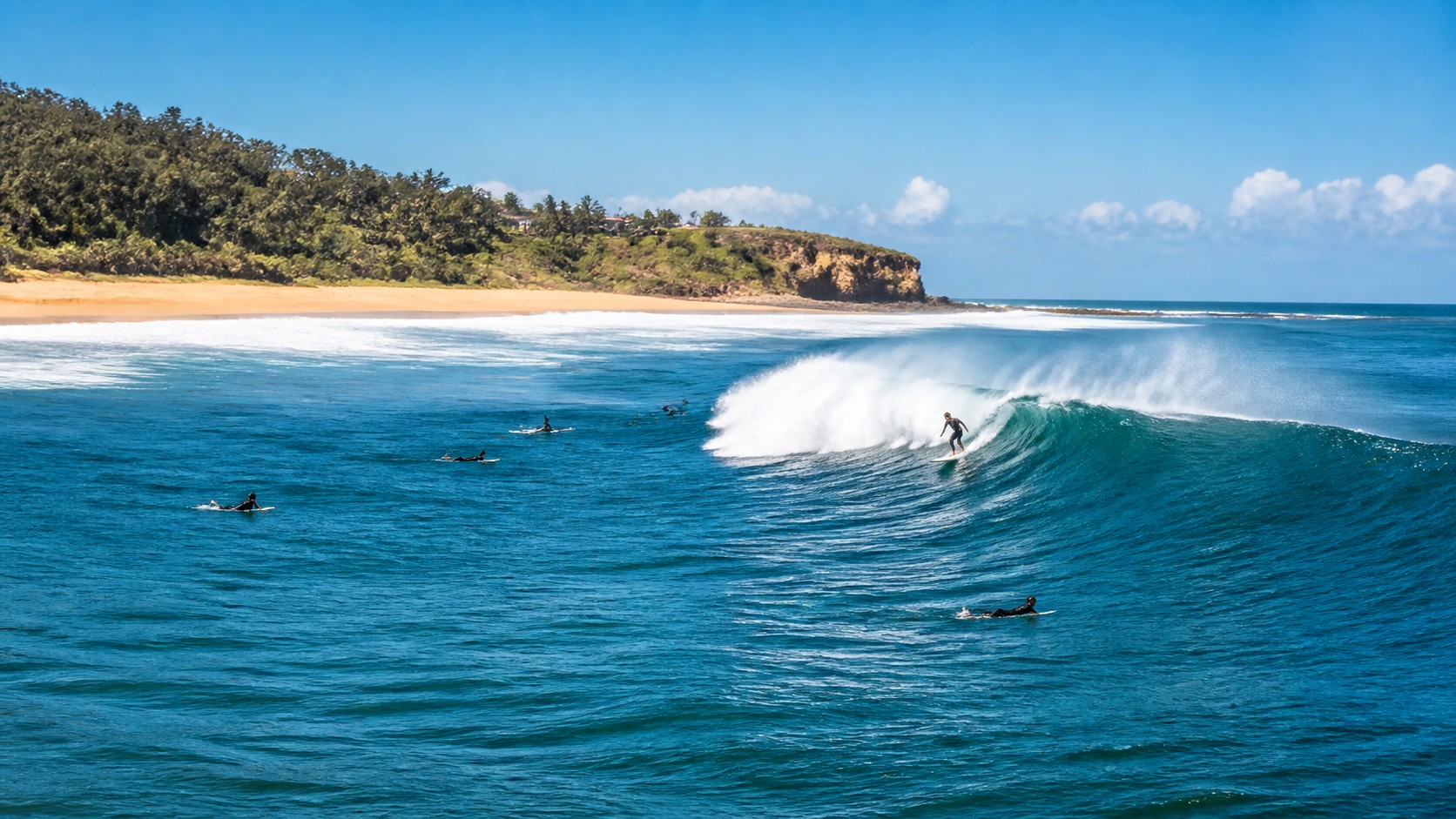
Taghazout, on Morocco’s Atlantic coast near Agadir, is a specific option for travelers who want their ocean escape to revolve around surfing. The Moroccan National Tourist Office’s destination guide describes schools serving different experience levels and distinguishes lessons from broader packages with accommodation and food. Compare those formats before choosing a room: a residential learning week and a coastal stay with a few independent lessons create different commitments. Taghazout’s reputation includes demanding waves, so the destination name alone does not establish that a particular break is appropriate for a newcomer.
A beginner should select the instructional program first and let the school assess suitable sites for the day’s conditions. Ask how students are grouped, how much coached practice is included, and whether transport to the chosen teaching beach is part of the price. Explain water confidence and previous surfing experience separately. You are buying a learning environment, not access to the most famous wave in the photograph. A school that clearly describes prerequisites and conditions-based decisions gives you something more useful to compare than an assurance that determination is enough.
Give repeated lessons a sustainable place in the holiday. Rest, ordinary meals, equipment care, and an unhurried return to accommodation make a difference after several sessions. Companions who prefer a general coastal break may want their own daytime plans, so establish whether the package requires everyone to join the same routine. Keep progress personal: becoming more comfortable with the board, understanding instructions, or deciding which teaching format suits you can make the journey worthwhile. Those gains are more realistic goals for a first surf holiday than expecting a particular ride before you have met the instructor.
Kaikōura for Marine Wildlife From a Town Base
Kaikōura on New Zealand’s South Island offers a marine-observation option for travelers who do not want a holiday centered on entering the water. Tourism New Zealand’s town guide identifies whale-watching excursions alongside other wildlife experiences. A boat outing from a settled town base differs substantially from a multi-night expedition vessel: you can devote a day to guided observation and return to your own accommodation afterward. This makes Kaikōura worth comparing when wildlife is the main interest but sleeping aboard is not. Ask the selected operator about vessel access, excursion duration, participant restrictions, and how cancellations or changed sea conditions are handled. Wildlife remains unpredictable, and a tour listing is not a promise that a particular species or behavior will appear. Shore-based time and the wider coastal setting should also appeal, so the trip has value beyond its hoped-for encounter.
Make Marine Respect Part of the Adventure
Choose operators that can explain how activities fit the local environment and its rules. Follow instructions around wildlife, protected habitats, landing sites, and equipment use, and avoid treating close contact with an animal as the measure of a successful outing. Observation becomes richer when you understand behavior and context rather than only trying to collect a dramatic image. Keep your own movements and belongings within the arrangements the guide describes, including waste handling and any restrictions relevant to the site.
Ask questions that demonstrate curiosity about the place rather than demands for a particular encounter. A guide may help you notice changes in shoreline geology, marine behavior, or the relationship between local communities and the sea. Those details can become memorable even on a day without the expected highlight. The best ocean adventure therefore gives you both movement and attention, allowing the destination to offer more than the activity that first brought you there.
Build a Shortlist You Can Explain
Before booking, describe each option in one practical sentence about its daily experience. For example, you might compare a guided reef outing from a settled base with a multi-night vessel journey or a paddling holiday built around coastal instruction. Then add the demands, support, and flexible alternatives that matter to your group. A shortlist made this way is easier to discuss and less likely to be controlled by a single attractive image, helping you choose an ocean escape whose adventure remains meaningful through the whole journey.