Choose the Wildlife World You Want to Understand
A safari destination is more than the name of an animal you hope to see. It is a whole setting: open grassland or tangled forest, a broad river or a dry waterhole, a vehicle route or a quiet stretch of shoreline. Those differences shape how you watch, how much patience a day requires, and which details become memorable between the headline encounters. For wildlife lovers, the best destination is therefore a match between curiosity and habitat, supported by practical arrangements that give observation enough time. African parks remain central to many safari plans, but forest safaris in India and wetland journeys in Brazil offer different ways to encounter wild animals. Compare these places through the experience they can provide rather than trying to rank them on a single universal list. A carefully chosen setting can reward your attention even when the creature at the top of your wish list remains out of sight.
A: There is no universal winner; habitats, viewing formats, and personal interests lead to different good choices.
A: The broad plains setting creates a different viewing rhythm from searching through vegetation and partial openings.
A: No; confirm the specific camp, dates, conditions, and planned activity mix.
A: Its park framework offers different arrangements whose value depends on the accommodation and activities actually booked.
A: Its open landscape and waterhole setting can support watching arrivals and interactions rather than continually moving.
A: Forest habitat, other wildlife, and informed interpretation can still reward attention, although no particular encounter is certain.
A: No; the region supports several formats, and some wildlife itineraries emphasize river outings.
A: Keep the animal interest, but examine what the habitat and daily experience offer beyond that target.
A: Look at usable wildlife time and complete daily arrangements rather than just the number of package nights.
A: It should place your curiosity in a suitable setting with enough time and support to observe thoughtfully.
Serengeti: Give the Plains a Larger Story
Tanzania’s Serengeti belongs on a shortlist for travelers drawn to the relationship between animals and a wide landscape. The park authority describes a setting that includes plains, kopjes, rivers, predators, and migratory wildlife, creating more than one way to understand the ecosystem. Use the official Serengeti attractions overview as an introduction, then ask a provider how your actual route and dates connect with those environments. The appeal lies partly in watching animals within that broader setting, where movement, vegetation, and distance contribute to the scene instead of functioning as a backdrop for a photograph.
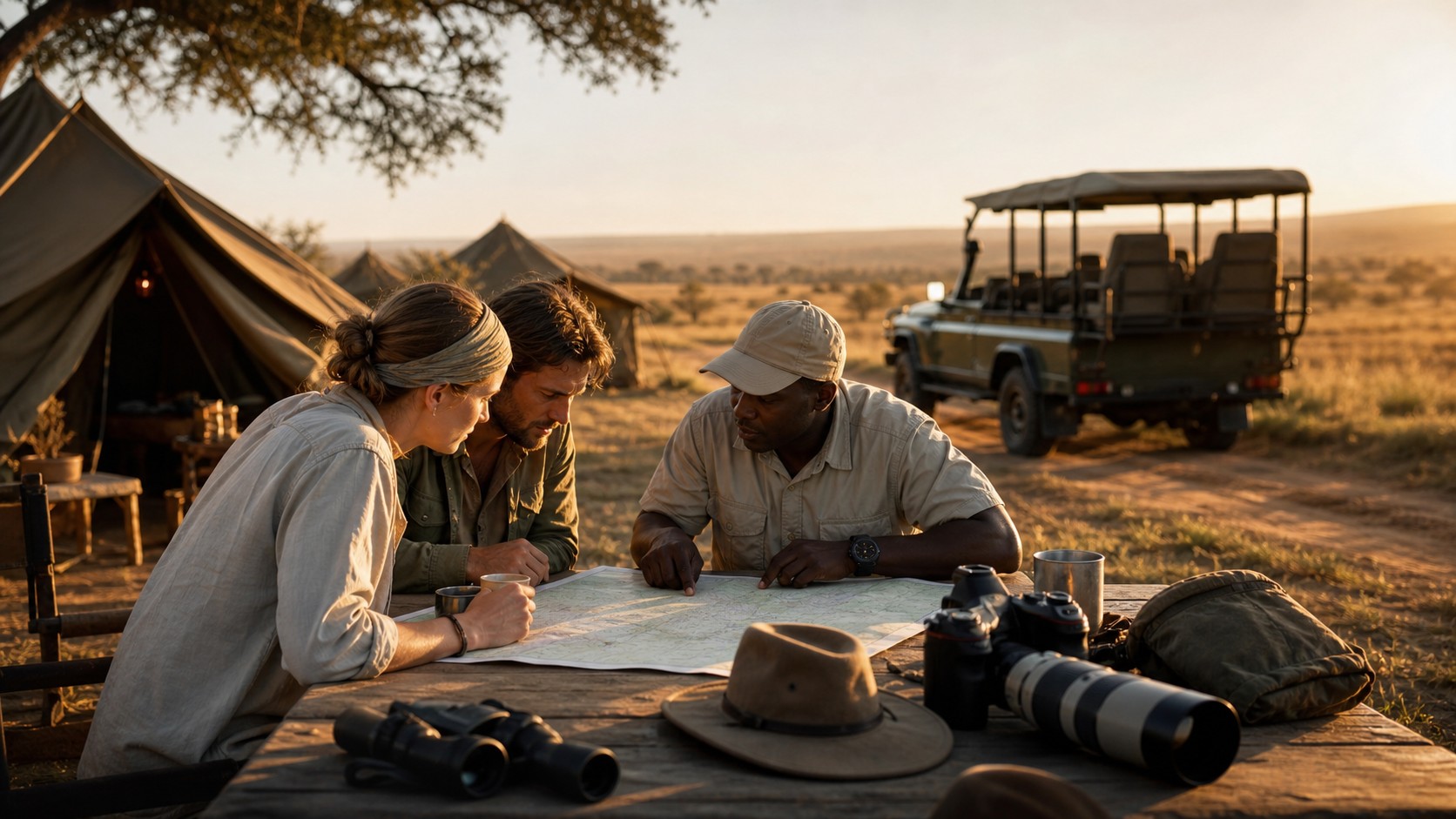
Give the itinerary enough time that one quiet drive does not decide your impression of the park. Ask where you will stay, how far the accommodation lies from the areas you expect to explore, and how a guide adjusts a day when conditions change. A migration-focused trip needs a realistic explanation of uncertainty, because wildlife movement cannot be booked like a train departure. Travelers who enjoy landscape as well as individual sightings may find the experience especially rewarding when they approach it as an unfolding ecological story.
Okavango: Compare the Water and the Land
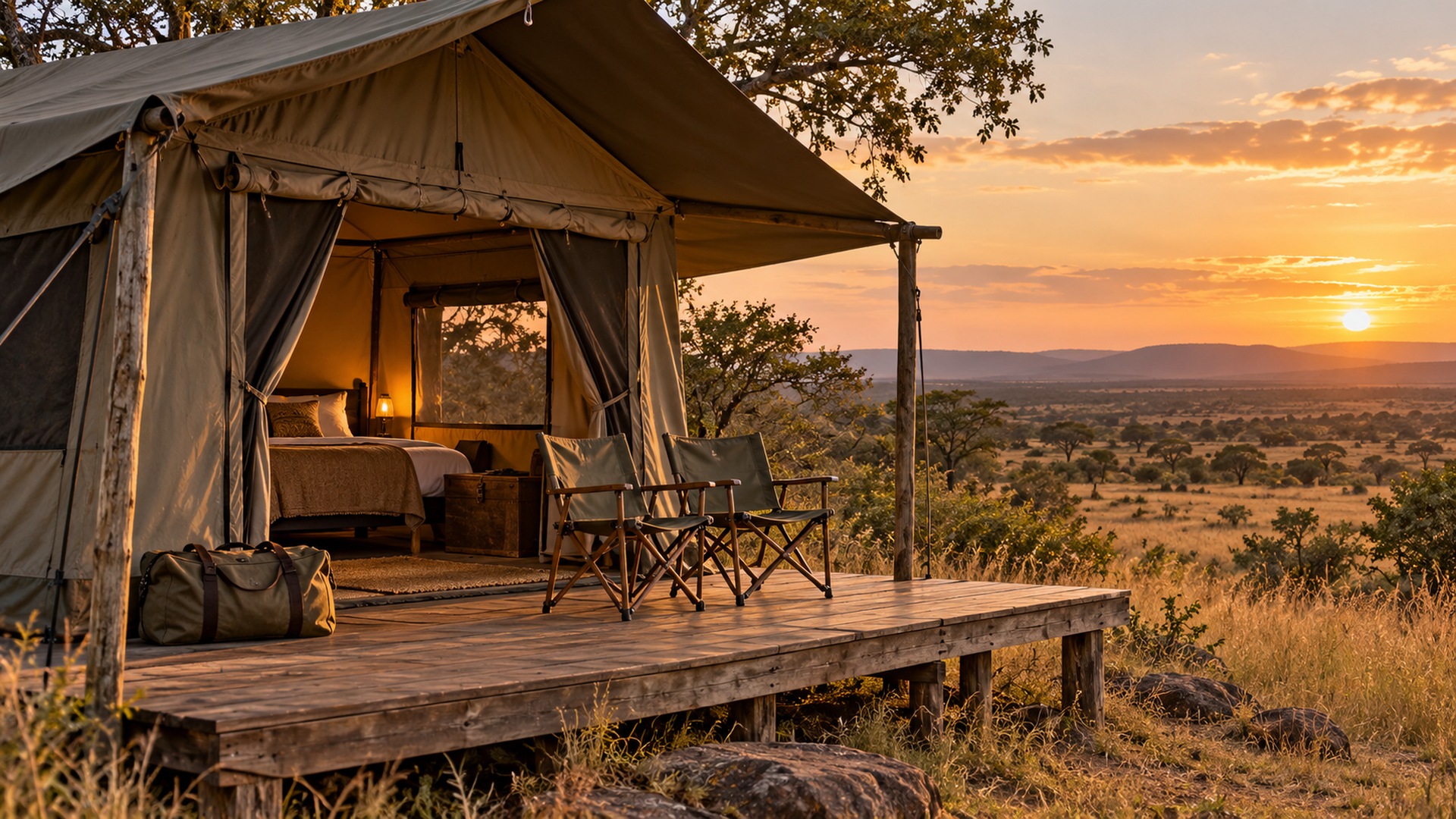
Botswana’s Okavango Delta offers a different starting point for wildlife travel: waterways and islands alongside areas explored on land. Botswana Tourism describes mokoro journeys as one of the delta’s characteristic experiences, while accommodation and activity choices vary considerably. Start with the official Okavango destination information, then ask a camp what activities are actually available during your proposed stay. A place associated with water does not automatically provide the same water outing every month, and two camps within the same broad destination can deliver substantially different daily experiences.
Make the Delta Activity Mix Explicit
For a traveler interested in birdlife, waterside observation, and quieter movement, a suitable water-based activity may be a meaningful reason to choose the delta. Someone chiefly interested in vehicle drives should ask how much driving the selected camp includes and what landscapes it reaches. Discuss the activity balance before comparing lodge photographs, because a beautiful room cannot supply an outing that the location or current conditions do not support. The most useful proposal explains what is typical, what depends on circumstances, and what alternative would replace an unavailable activity.
Transfers also influence the experience. Understand the complete journey from the arrival point to camp, including luggage arrangements and the time available for an outing on the first and last days. Consider whether a second camp would add a different habitat or mainly repeat an experience with another transfer between it. A smaller itinerary can still feel varied when the daily observation changes naturally between water, land, and time spent watching the environment around your base.
Keep the scope of wildlife expectations broad. A water outing can be worthwhile through birds, vegetation, reflections, and the guide’s interpretation, without being judged solely by how many large mammals appear. Ask how participants are briefed and what conduct is required for the particular activity. This helps connect the destination’s distinctive setting with a form of participation that suits your interests and comfort.
Kruger: Look Closely at the Format You Book
South Africa’s Kruger is the shortlist’s practical starting point for comparing a public-park stay with booked guided activities. Begin with a named camp such as Skukuza rather than an unspecified ‘Kruger area’ hotel. SANParks identifies Skukuza as the park’s largest rest camp, and its game-drive information describes guided outings. A stay within the park and accommodation requiring a daily approach through a gate are different propositions. Check the location and current activity arrangements together, including how you reach the departure point and which movements are permitted.
This choice can suit wildlife lovers who want an established booking framework and the opportunity to revisit a setting over several days. It is less directly comparable with a remote delta camp whose price combines specialist transfers and a different activity mix. Assess the actual days: a transfer and check-in may consume much of the first, while the final day follows your departure route. Confirm entrance requirements, gate and activity times, and the driving responsibilities you intend to accept through current official information. Kruger earns its place through the range of arrangements you can investigate, not an assurance that every itinerary or part of the park produces the same experience.
Etosha: Watch the Edges of an Open Landscape
Namibia’s Etosha provides a contrasting visual character, with an expansive salt-pan setting and waterholes that feature in the destination’s wildlife experience. The Namibia Tourism description of Etosha helps explain that landscape, but a visit still depends on the actual conditions and itinerary. Ask where you will spend your time and how the daily route balances waterhole observation with movement through the park. This destination can appeal to travelers who enjoy watching arrivals, pauses, interactions, and changing light within a relatively open scene, while remembering that animal presence remains unpredictable.
Bandhavgarh: Accept the Different Pace of a Forest Safari
India’s Bandhavgarh introduces a forest-based safari experience that differs from an open African plain. The official Incredible India destination page identifies the park as a tiger destination in Madhya Pradesh. If that interest brings you here, ask how the proposed visit is organized, which access arrangements apply, and what the operator can explain about observation beyond a hoped-for tiger encounter. A forest can reveal wildlife in partial views and brief openings, making attentive listening and patient interpretation part of the experience.
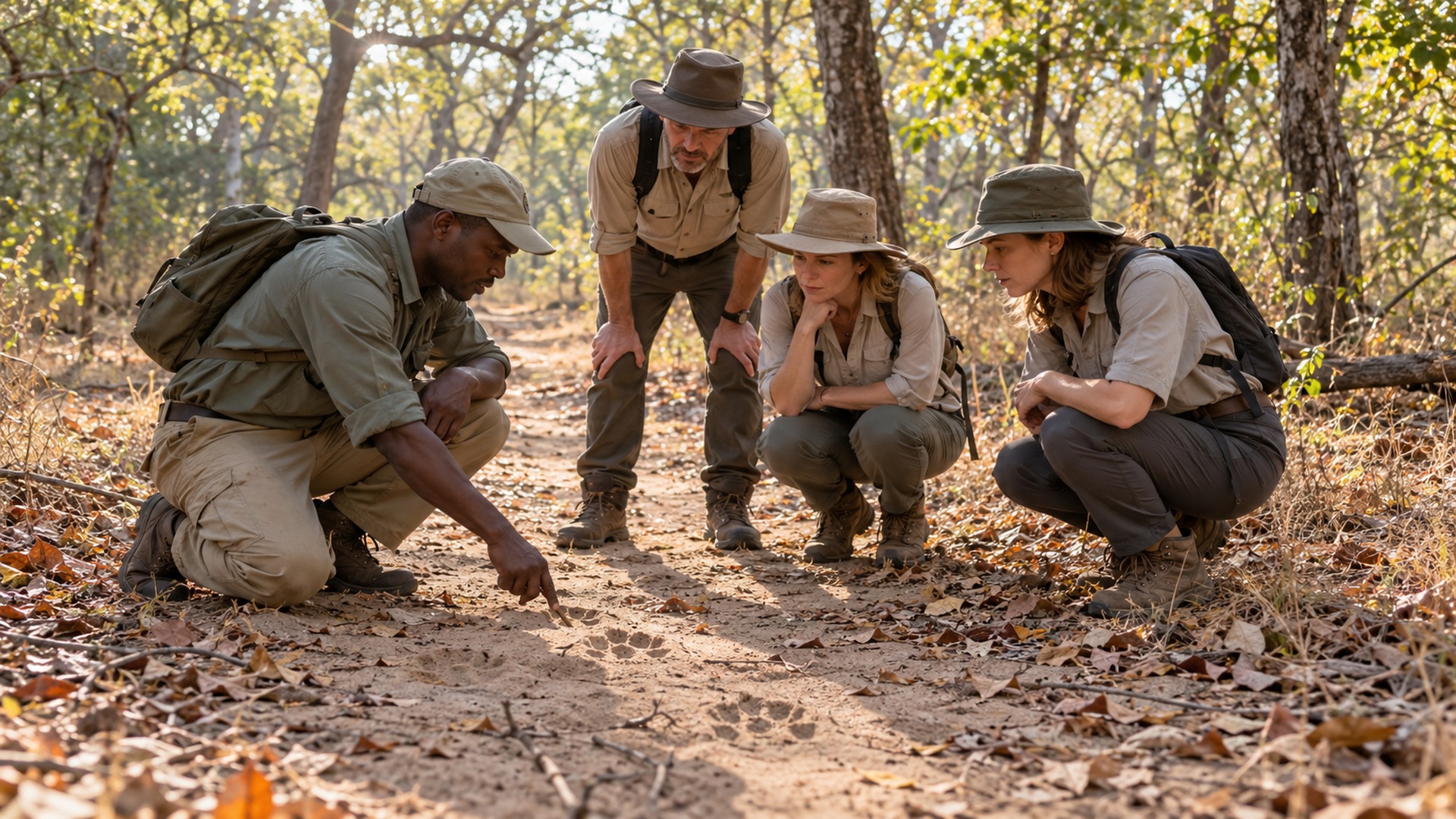
Avoid comparing a forest drive with a plains drive only through the number of animals visible at once. Vegetation, light, and the way wildlife uses cover can produce a different rhythm. Discuss the guide’s approach to tracks, habitat, birdlife, and other observations, and choose enough time that a single missed encounter does not overwhelm the visit. Your interest in a tiger can remain central without turning every other part of the forest into something to overlook.
Pantanal: Let the River Change Your Perspective
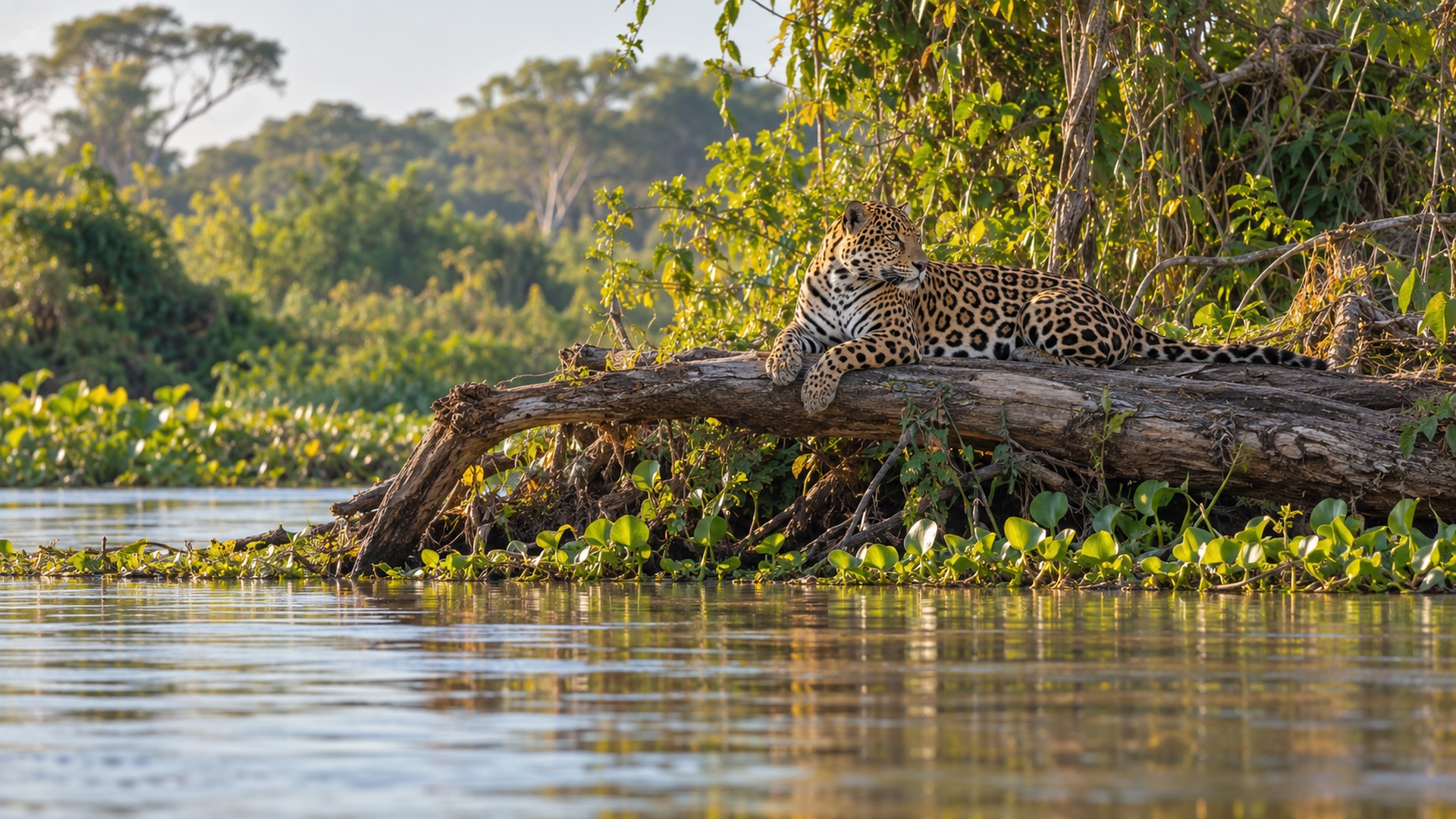
Brazil’s Pantanal widens a safari shortlist beyond the familiar African circuit. Visit Brasil’s Pantanal overview describes a wetland wildlife setting with boat, vehicle, walking, and other experiences, including the possibility of observing jaguars and many other animals. The exact format depends on the area and provider, so ask where you will travel and how the activity relates to that location. A river-based day changes the viewing perspective: the bank becomes a place to study slowly, with water, vegetation, and wildlife contributing to the same scene.
Choose a Pantanal Trip for Its Full Wildlife Day
A jaguar-focused journey deserves clear discussion about observation practices and the ordinary schedule, without treating any sighting as certain. Ask how much time is spent on the water, how breaks work, and how the operator handles busy wildlife encounters. Travelers with a photographic purpose should explain their needs beforehand, including whether they expect a shared outing or a specialist arrangement. Understanding that format is more helpful than assuming every trip using the word safari provides the same opportunities or pace.
Consider the wider wetland experience too. Birds, capybaras, water movement, and changing river margins can hold interest during the search for a larger animal. A traveler who enjoys ecological detail may return with a richer understanding than someone who considers the day unsuccessful whenever a jaguar stays hidden. Ask a provider how conditions affect the proposed route and which parts of the experience remain worthwhile when the main wildlife target is elusive. This gives the journey a purpose that can survive the uncertainty inherent in wild observation.
Build a Shortlist That Rewards Your Attention
Traveling well also means responding to the place you chose. Follow the instructions of guides and park authorities, accept that some situations call for waiting or withdrawing, and avoid pressuring anyone to manufacture an encounter. The lasting value of a safari often comes from a moment you could not have planned precisely: a behavior, a changing landscape, or a small observation that deepens your understanding. A destination matched to your curiosity gives those moments more room to matter.