Choose the Landscape You Want to Spend Time Watching
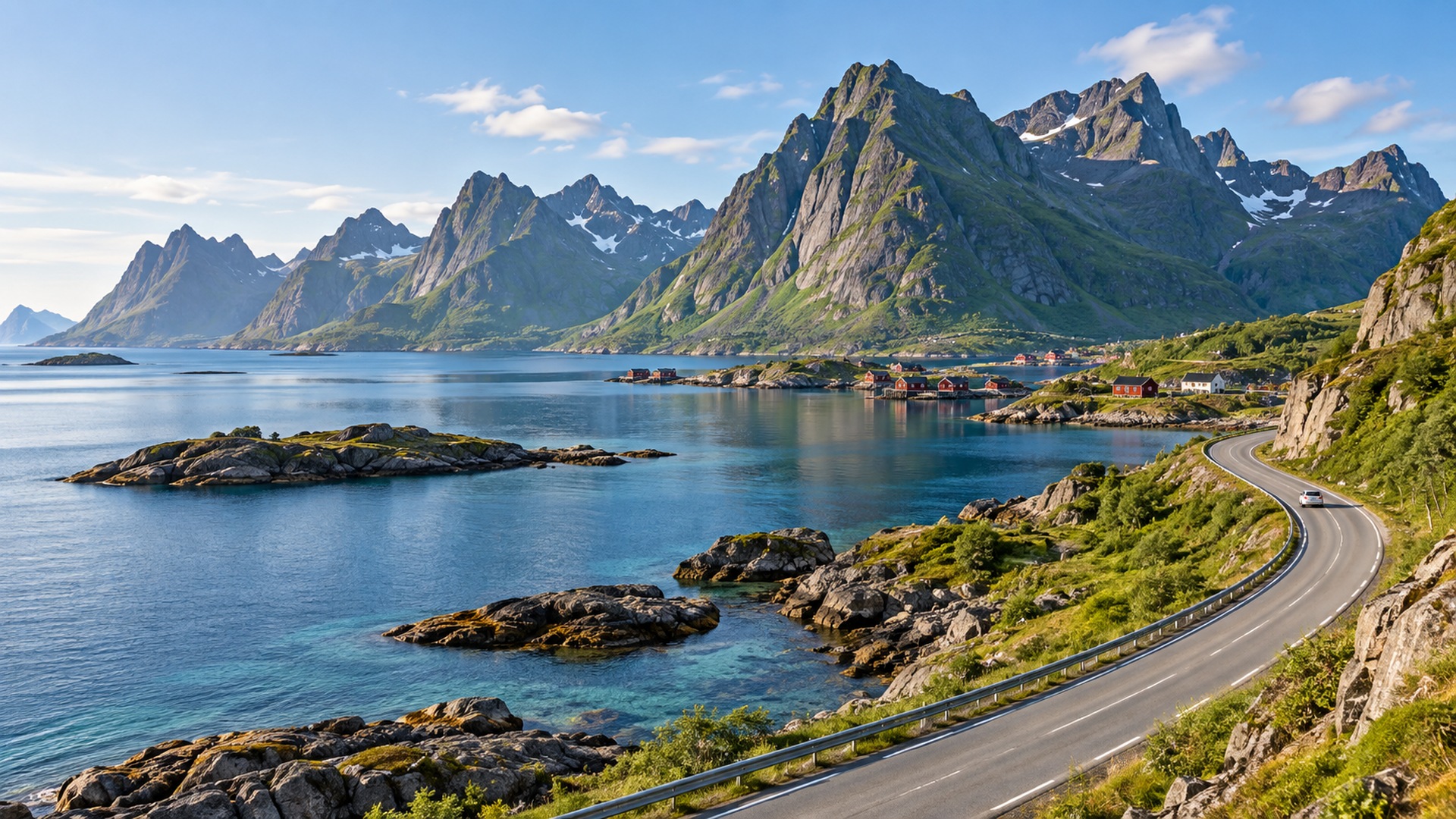
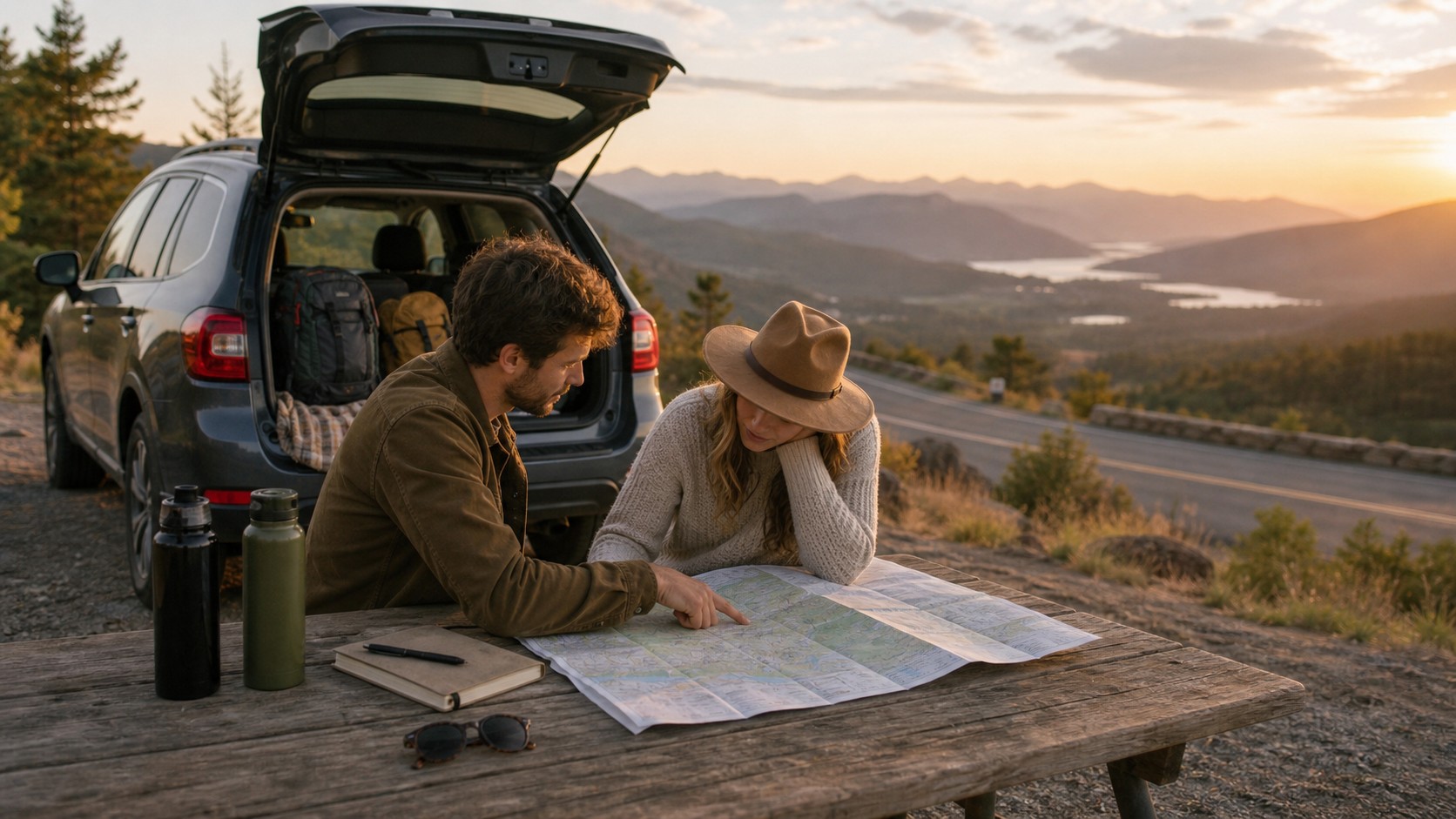
A scenic road trip is a chance to let a landscape change gradually around you. The view may shift from one blue ridge to another, open toward the Pacific, climb into high country, or settle into a quiet wooded corridor with places to pause along the way. The best route depends on which of those experiences you want and how much time you can give it. Rather than choosing a drive only because it appears on a celebrated list, think about the kind of scenery you enjoy watching and the pace that lets you appreciate it. A selected stretch can provide a satisfying journey without requiring you to complete an entire road. Plan suitable stops, current access, and a comfortable overnight progression, then allow the scenery to remain the main purpose. A good scenic itinerary leaves the driver able to concentrate on the road and everyone else enough time to enjoy the places where the journey invites a pause.
A: No; a carefully selected accessible section can provide a satisfying journey with time for meaningful stops.
A: Consult current segment-specific road and closure information before shaping the actual route.
A: Choose suitable bases and fewer priority visits so shoreline time does not compete with constant relocation.
A: Seasonal access and current conditions can affect the intended segment and the journey onward.
A: Yes; official planning information includes shorter drives and visits rather than requiring the full corridor.
A: The hike has its own preparation, suitability, and access considerations beyond parking at a view.
A: Plan appropriate stops with time for the driver to park and appreciate the surroundings too.
A: Discuss preferences for viewpoints, walks, communities, interpretation, and the amount of daily driving.
A: When it provides more comfortable time with the landscape within the holiday’s real arrival-to-return schedule.
A: Experiencing selected places with attention and a suitable pace, rather than merely finishing a named road.
Blue Ridge Parkway for Layers of Mountain Scenery
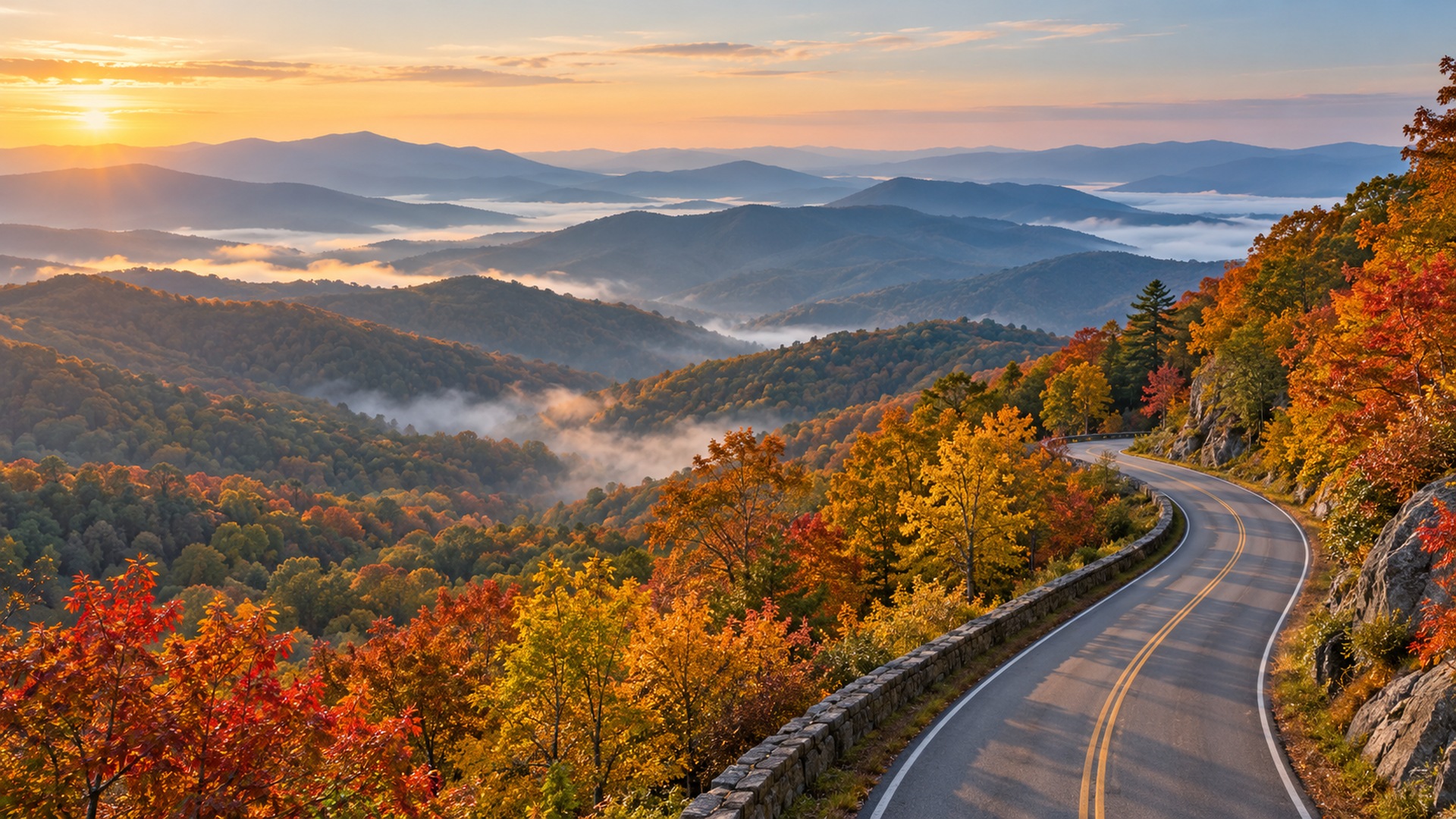
A short Blue Ridge Parkway idea can be anchored near Asheville rather than an ambition to cover the whole corridor. Investigate the Folk Art Center as a concrete interpretive stop, then choose only the nearby scenic segments shown as open on the National Park Service’s current closure map. A half-day allocation is an illustration for a local visit, not a claim about how much continuous road will be available on your dates. The area’s appeal can combine Appalachian craft interpretation with ridge scenery. Check the chosen stop’s operating information separately, because access to a building and through travel along a parkway segment are different questions.
A sectional approach can work well if the holiday is short. Select an overnight area with convenient access to the portion you intend to explore, rather than using total parkway length as the measure of a successful visit. Think about where you want time outside the vehicle and how those stops fit between the day’s start and finish. The scenery is easier to appreciate when the route has enough space for a few meaningful pauses instead of expecting every overlook to receive the same hurried visit.
Oregon’s Pacific Coast Scenic Byway for a Changing Shoreline
Oregon’s Pacific Coast Scenic Byway follows the coast between Astoria and the Brookings area, giving the regional idea defined ends. Travel Oregon’s coast overview connects those communities through Highway 101. For a shorter research sketch, compare Astoria–Cannon Beach with a central-coast stay around Newport rather than promising yourself the entire shoreline. Choose the former if a northern town-and-beach introduction fits the trip, or investigate the latter through the visits you want nearby. An illustrative two-night stay in one area can protect time beside the sea; it is not a prescribed duration or an assurance that every attraction operates on your dates.
Compare a few potential bases through the scenery and visits you want nearby. A town can provide practical services while letting you explore a section without packing each morning. A moving itinerary offers another kind of progression, but each relocation should fit the day’s coastal stops and realistic arrival time. The route becomes more enjoyable when accommodation supports the shoreline experience instead of repeatedly pulling you away from it for an inconvenient late drive.
Research the actual coastal visits separately. A beach, a viewpoint, and a walk can each have different access and condition considerations, even when all appear under one regional description. Use the relevant site’s current guidance before choosing an outing, and give yourself permission to remain at a suitable viewing place when another activity would be inappropriate. A scenic holiday does not require every coast stop to become a longer excursion.
Beartooth Highway for a High-Country Scenic Day
The Beartooth Highway connects the Red Lodge and Cooke City areas along U.S. 212, providing a defined high-country route to compare. Visit Montana identifies those endpoints, while the Montana Department of Transportation’s seasonal-road information points toward current status. Treat an unhurried scenic day as a planning example, with appropriate stops and the overnight arrangement tested against actual access. A published seasonal description is not confirmation that the road will be open when you arrive. Choose this route only when current conditions support the journey, and have a workable alternative between your overnight places.
Prepare for the driving character as well as the view. Research the route through the responsible authorities, confirm that the vehicle and driver are suitable for the intended journey, and keep the day free of unnecessary pressure from distant appointments. Scenic driving requires attention even when the purpose is relaxation. The strongest plan lets the driver focus while giving the group deliberate opportunities to stop and appreciate the surroundings in appropriate places.
Give the High-Country Route a Clear Alternative
Consider what you would do if the intended road segment is unavailable or conditions make the drive unsuitable. The alternative should account for the next overnight destination, travel time, and any connected bookings. Check those implications before departure rather than discover them while standing at an unexpected closure. A high-country road can be a memorable part of a scenic journey, but it should not require preserving the original route when current information calls for another decision.
Keep the scenic experience distinct from any outdoor activity you might add. Stopping at a viewpoint and undertaking a walk involve different preparation and suitability questions. Research the specific activity and follow the relevant guidance rather than assume arriving by car answers those questions. You can enjoy a substantial scenic day through carefully selected viewing stops without needing to turn it into an outing beyond the group’s experience.
Review the whole day after choosing the segment. Include the drive to reach it, appropriate pauses, meals, and the travel onward, not just the famous road portion. A celebrated route may occupy only part of a longer journey that still needs practical services and a manageable ending. Giving those ordinary hours attention lets the scenery remain enjoyable rather than become the reason you arrive tired and late at the next base.
Natchez Trace Parkway for a Quieter Scenic Journey
For a shorter Natchez Trace visit, use the Tupelo area and the National Park Service’s Parkway Visitor Center at milepost 266 as a concrete starting point. Investigate a nearby stretch and selected interpretive stops rather than assuming you need the full corridor to understand its appeal. A morning at the center followed by an appropriate short drive or walk is a possible day shape, subject to current operating and access information. This choice suits travelers who want scenery alongside interpretation, with time to read and consider a place. Let the visits determine the section instead of using distance completed as the measure of the holiday.
Let Interpretation Add Depth to the Trace
Scenic travel can include understanding the places beside the road as well as watching the view. If an interpretive site interests you, allow time to read, walk, and consider its context rather than treating it as a quick break before the next driving segment. Check the current operating arrangements and identify which visits contribute most to your own interests. A route with both scenery and stories can reward an unhurried approach even when the visual drama is different from a mountain or ocean drive.
Plan the services your selected section requires. Identify suitable overnight areas, meals, and the access needed to enter or leave the route, using current information rather than relying on the parkway’s name alone. The practical plan should support a calm day and make it easy to decide where to pause. A scenic corridor works best as a lived journey with understandable arrangements, not a long line that you feel obliged to complete before returning home.
Make Viewpoint Stops Deliberate and Comfortable
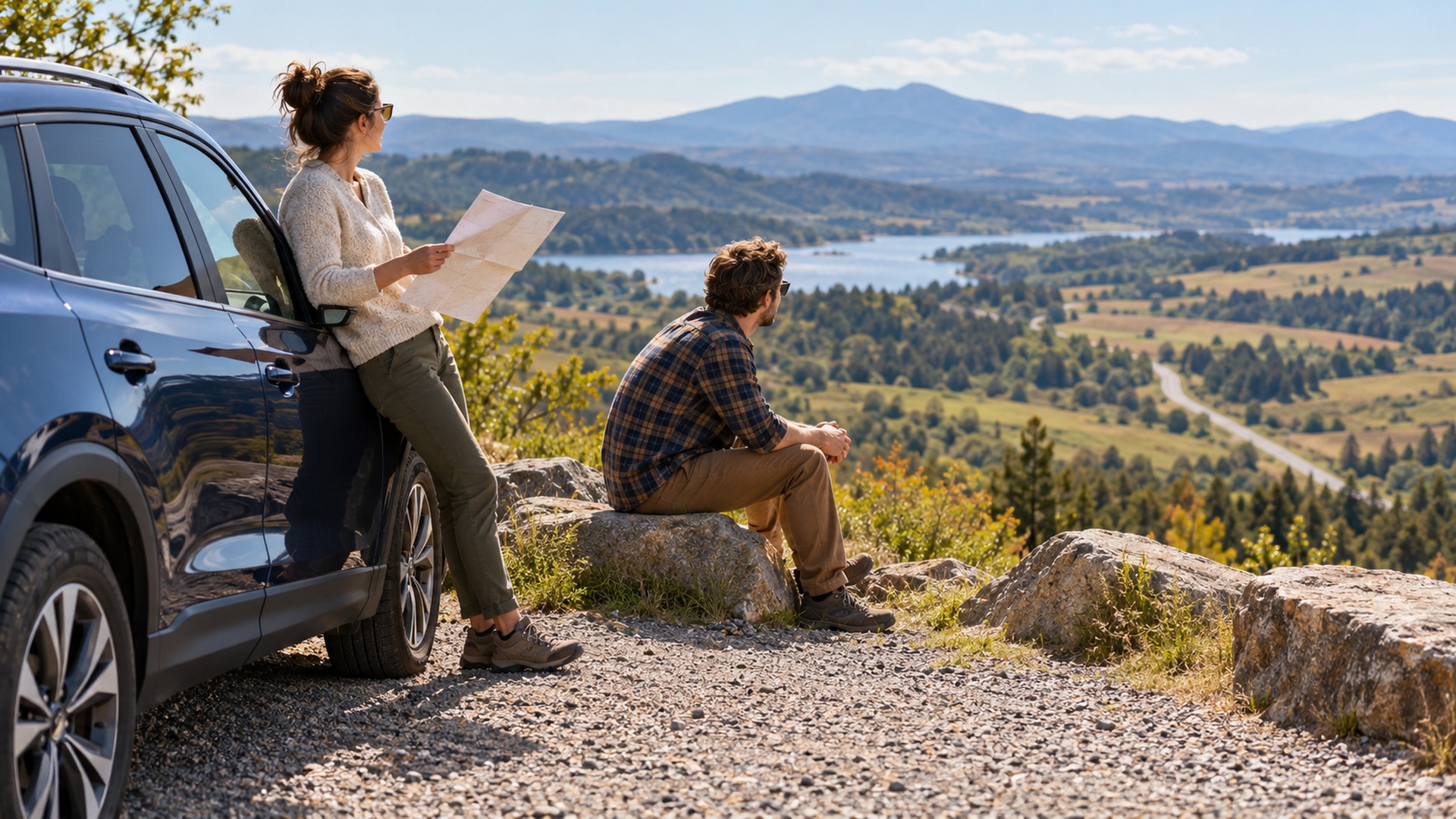
Research a few appropriate stopping places before traveling, then review current access as the trip approaches. Think about parking, walking distance, facilities, and the group’s needs, especially if a pause involves more than stepping briefly out of the car. Leave time for the driver to share the view after the vehicle is parked. A scenic route should not make one person responsible for all the driving while everyone else enjoys the landscape without planning opportunities for that person to enjoy it too.
Return With a Route You Have Actually Experienced
Keep the journey’s purpose clear while allowing the day to develop. Conditions may change the view, an appealing community may deserve longer, or the group may prefer fewer stops than originally planned. Use current information and practical needs to make decisions, then give the selected places your attention. A scenic road trip can be rewarding through a smaller stretch explored well, with enough time to notice the relationship between the road and its surroundings.
Afterward, remember the views that held your interest and the pace that made them enjoyable. Those observations can help choose a later journey, whether it calls for another mountain road, a longer coastal stay, or a quieter corridor with interpretive visits. The best scenic route is not a title you can cross off once driven. It is a landscape you had time to experience, supported by arrangements that made the travel comfortable enough for its details to matter.