A Snow Holiday Can Take Many Forms
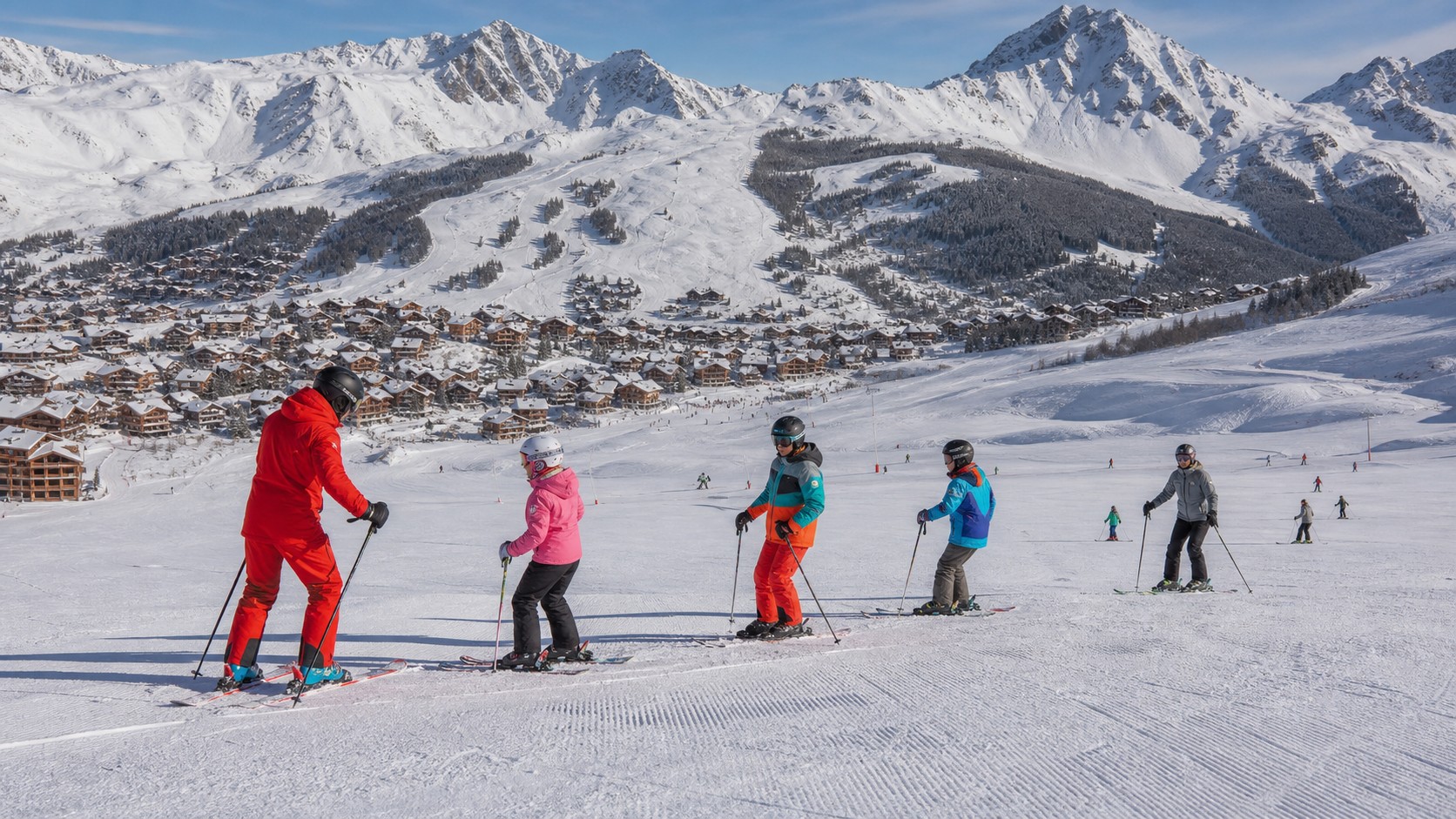
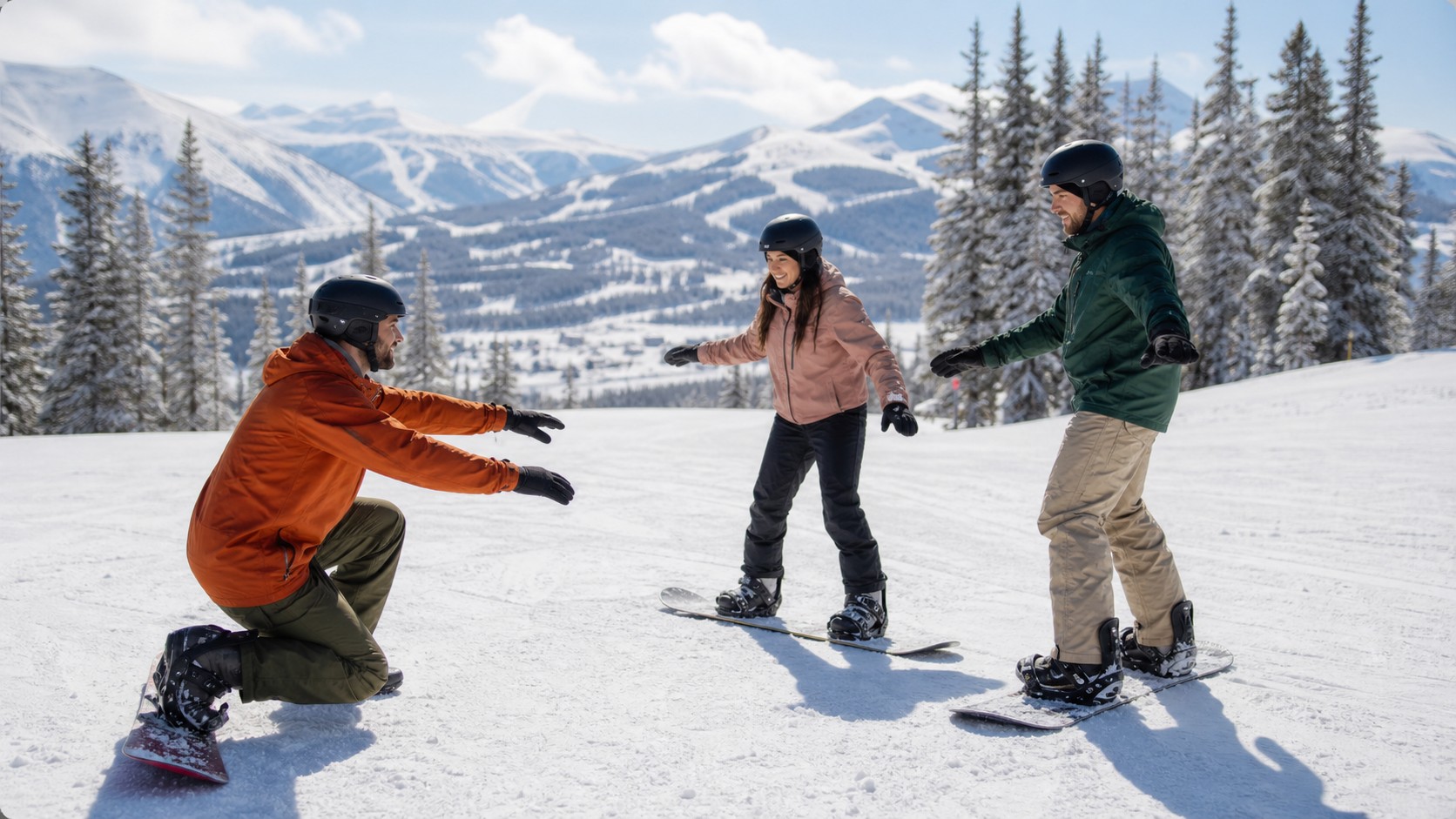
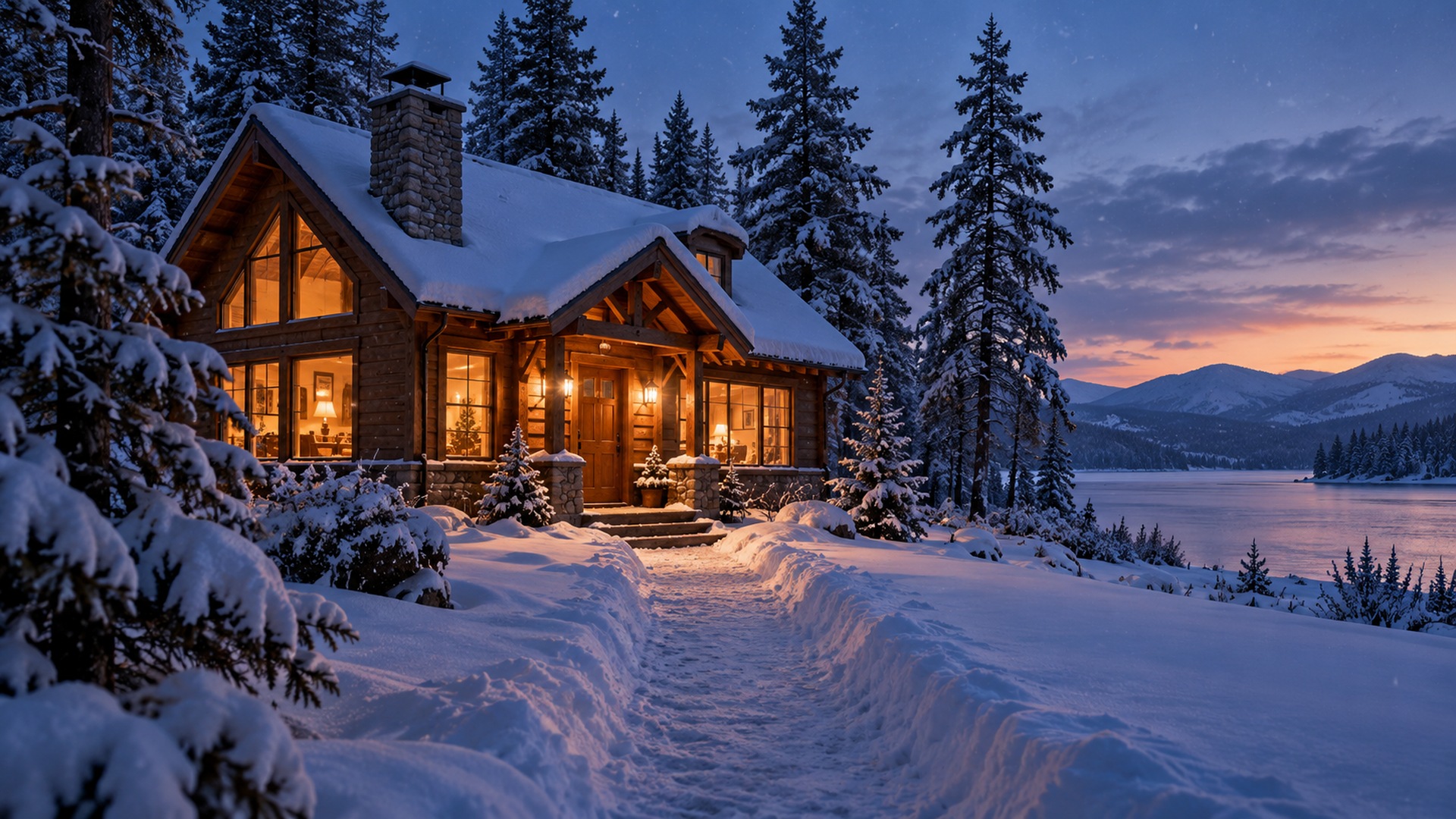
Snow changes how a place feels before you choose a single activity. Forest branches soften, familiar sounds become quieter, and a short walk can seem like an excursion into a different landscape. For snow lovers, that transformation may matter more than a lift pass or a demanding ski itinerary. The best winter vacation destination is the one that gives you an enjoyable relationship with the snow: learning a new skill, moving gently along a prepared trail, watching a mountain view from a village, or sharing simple outdoor moments with family. Those wishes call for different bases and different levels of support. Decide how you want to spend time in the snow before comparing destinations. Then examine the conditions, operating arrangements, and ordinary services that will make those days work. A successful snow vacation combines anticipation with a comfortable routine, leaving room to enjoy the landscape without turning every outing into a test.
A: No; forest outings, Nordic learning, prepared walks, and village stays can make snow central to the holiday.
A: Look for convenient arrival, equipment support, appropriate activities, and ordinary services nearby.
A: Confirm the demands, duration, terrain format, equipment arrangements, and suitability for your experience.
A: They can choose different sessions while sharing a practical base and clear meeting routines.
A: Recovery and reflection help the unfamiliar movement feel manageable before the next session.
A: Research that provider’s seasonal arrangements and change terms, and acknowledge how dependent your holiday is on it.
A: Prioritize suitable supervision, short initial sessions, convenient warm-ups, and easy meals.
A: First confirm what the provider supplies or rents and what the particular activity requires.
A: Choose something nearby that still serves the holiday’s original purpose and your group’s preferences.
A: Walk through the full day, including transfers, dressing, equipment collection, and recovery time.
Ylläs for a Finnish Forest-and-Fell Snow Holiday
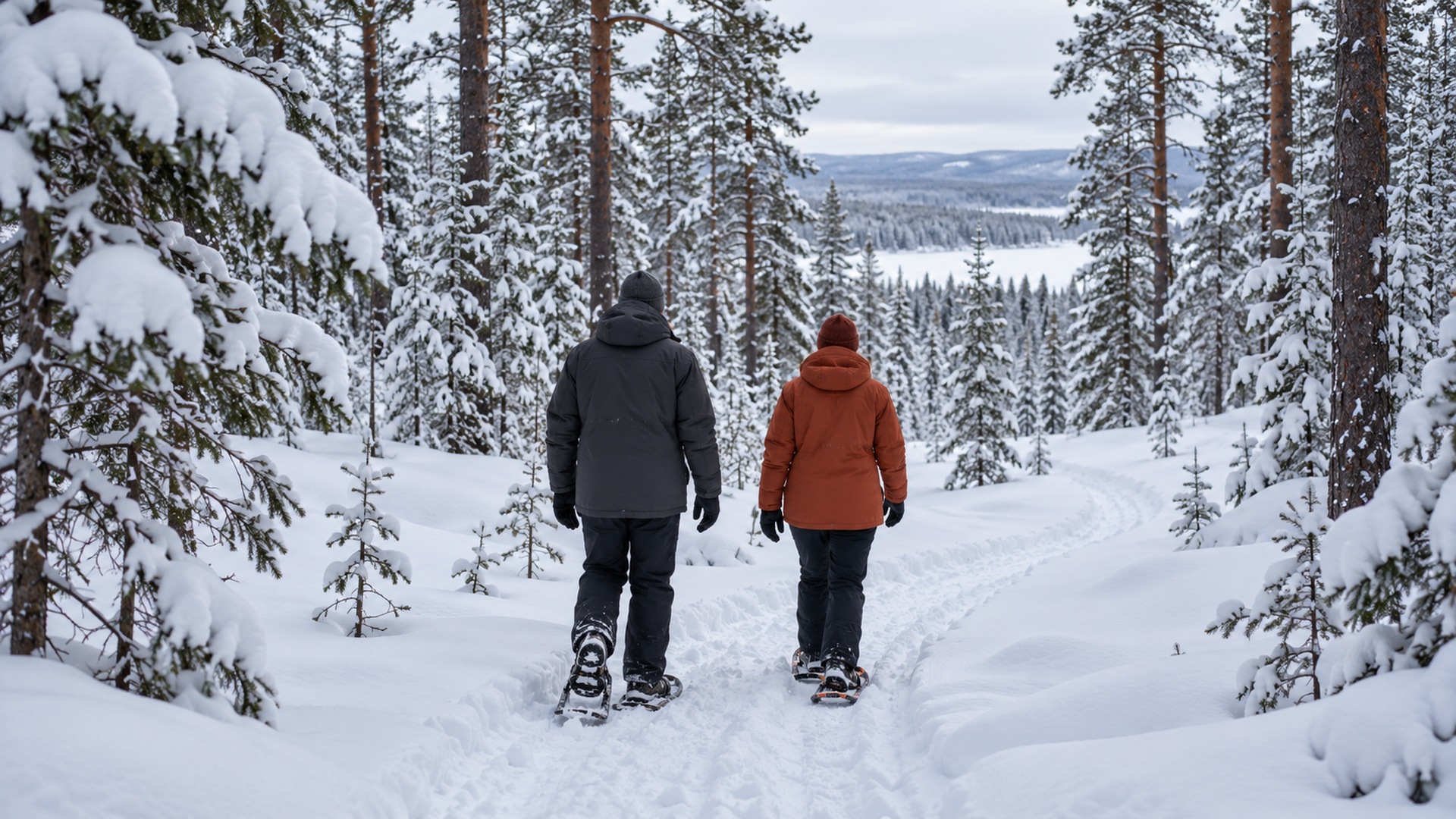
Ylläs provides a specific Finnish Lapland option for a holiday centered on the snow landscape. Visit Finland lists snowshoe rental and guided tours in the Ylläs setting, giving you an identifiable activity to investigate. Compare a guided introduction with simply renting equipment: they provide different levels of instruction and route judgment. Choose the base through how you reach the selected outing and enjoy the hours around it, not an assumption that every accommodation marketed as Lapland is near the same forest or trail. Current conditions and a qualified provider’s assessment determine the actual route.
Choose a base whose daily routine supports the forest time you want. Ask where outings begin, what clothing or equipment is supplied, and how visitors spend the intervals between activities. A snowy photograph does not reveal whether dinner is nearby or whether every departure requires a transfer. The right setting balances immersion with the level of convenience your group prefers.
Give quiet time a place in the itinerary. A forest holiday can lose its distinctive appeal if every morning and afternoon becomes a different timed reservation. Book the experience that matters most and allow space for a slow breakfast or an ordinary walk where suitable. The landscape will feel more present when you have time to notice it.
Wengen for a Swiss Village With Winter Interests
Switzerland Tourism describes Wengen as a car-free mountain village, making it a specific base to compare when mountain scenery and village life are both priorities. Investigate current prepared winter routes and connections for the outings you want instead of treating the whole Jungfrau region as one convenient doorstep. The car-free setting changes the arrival question as well: establish how you and your luggage reach the accommodation, then how you leave for a lesson or scenic visit. This recommendation concerns a village-based snow holiday, not an assurance that every walk or mountain activity is suitable for a first visit.
A village base may be especially useful when companions want different levels of exertion. One person might investigate instruction while another prefers a shorter scenic outing, with both meeting afterward. Compare the actual connections and meal options before assuming that this flexibility will be easy. The best base reduces the organizing needed to make different days coexist.
Banff for a Serviced First-Snow Base
Banff is a concrete mountain-town candidate when ordinary services and several possible activities matter to a first snow holiday. Its official winter destination guide introduces the choices to research. Compare a convenient town stay with a more isolated property through meals, equipment arrangements, instruction, and actual transfers. Choose one suitable introduction rather than treating the region’s whole activity list as an obligation. A nearby indoor alternative and a room you can return to comfortably may matter more than an ambitious excursion. Check the selected provider’s prerequisites and current conditions before deciding what your first snow day should contain.
Seefeld for a Nordic-Skiing Learning Holiday
Seefeld in Austria supplies a named destination for a Nordic-skiing focus. The region’s official winter information identifies cross-country skiing among its central activities. Start with a lesson appropriate to your experience, then compare the teaching location, equipment fitting, and route information with the accommodation you are considering. A network of trails does not mean a new skier can select any route independently. The appeal here is a holiday organized around repeated learning and a defined Nordic setting, with the instructor helping determine suitable progression rather than a distance target controlling each day.
Be honest about your expectations for the first sessions. Coordination, equipment routines, and unfamiliar movement can take attention even if you are generally active. Avoid surrounding every lesson with other demanding commitments. A lighter afternoon lets you absorb what you learned and return to the next session with interest.
If experienced companions are joining, discuss how shared and separate time will work. A beginner should not feel responsible for slowing the entire group, and a practiced skier should not dictate the new learner’s pace. Choose a base with practical alternatives and establish a shared meal or other easy meeting point. This protects the holiday from becoming a comparison of ability.
Snowshoeing for a Slower Landscape Experience
A snowshoe holiday can be planned around learning to move and observe rather than reaching a distant landmark. In Ylläs, compare a guided introduction listed by Visit Finland with an equipment-rental arrangement before deciding which describes the experience you want. The guided option should explain fitting, instruction, route selection, and the return; the rental option requires a separate understanding of what you can appropriately do and where. Do not infer route-finding competence from having walked in snow before. A clear introductory purpose lets the guide assess participation without making the day depend on a particular photograph or distance. Equipment that makes movement possible does not by itself establish that any terrain is suitable.
Imagine a first outing that leaves time to fit equipment, practice the unfamiliar movement, pause to observe the surroundings, and return before fatigue controls the experience. Discuss that purpose with the provider and confirm the actual duration and arrangements rather than booking it as an anonymous gap between two other activities. Keep clothing changes, lunch, and a warm interval visible afterward. On a later day, you might repeat a suitable introduction, choose another guided setting, or enjoy the village instead of assuming progress always means a longer route. These are examples of a learning rhythm, not directions for independent travel or a prescribed schedule for every participant. The strongest destination match gives that slower relationship with the snow enough time to become enjoyable in its own right.
Ruka for a Family Snow-Play Comparison
Ruka in Finland provides a specific family option beyond an unnamed mountain-town promise. The resort’s family information describes the Rosa & Rudolf Family Park, including a tubing area, playground, and rest hut. Use those concrete facilities to ask about current operation, access, charges, and the ages and supervision relevant to your group. A listed family area does not make every activity suitable for every child. Compare how a short visit fits around food, clothing changes, and returning to the room, allowing different household members to enjoy different amounts of outdoor time.
Check Snow Expectations Against Actual Dates
Snow lovers should distinguish between wanting a snowy atmosphere and requiring a particular activity to operate. The first wish may allow a broader choice of dates and experiences; the second creates a more specific booking dependency. Research the exact destination and provider, including current seasonal information and change policies. No general promise about winter should replace that work.
Understand what would happen if conditions differ from your expectations. Would you change the outing, travel to another location, or use a different activity already near the base? A sensible alternative should suit the original travel purpose without demanding an entirely new itinerary. If nothing else would make the trip worthwhile, acknowledge that dependence before committing money.
Keep checking information as departure approaches, particularly when transport or a booked activity depends on current conditions. Save the relevant contacts and know how updates will reach you. Avoid interpreting an early seasonal description as a permanent guarantee. A snow holiday feels more relaxed when changes have a clear communication path.
Make Clothing Changes Easy
Clothing routines influence a snow vacation every day. Ask activity providers what they expect participants to bring and which suitable items they supply or rent. Arrange your own equipment around those answers rather than purchasing everything that appears in a general winter list. Consider how your clothing works during transfers, indoor stops, and waiting as well as during movement.
The accommodation should support the return from an outing. A place to dry suitable gear and organize the next departure can prevent repeated minor frustrations. Pack and store items so that companions can manage their own routines where possible. Easy transitions leave more attention available for the landscape and the experience.
Judge a Snow Destination Through a Realistic Day
Bring the comparison back to the practical booking. Select accommodation, transport, and activities as parts of the same day rather than as independent bargains. Explain the plan to companions so that its pace and tradeoffs are understood. A snow vacation becomes memorable when the setting, support, and schedule work together, leaving you free to enjoy the season rather than continually reorganize it.