A Good Mountain Expedition Starts With the Right Objective
A mountain expedition becomes manageable when you stop treating it as one enormous adventure and start examining the decisions that support each day. The destination matters, but so do the route, the people responsible for it, the sleeping arrangements, the pace of ascent, and the options available if the original plan stops making sense. For a beginner, the strongest starting point is an objective that stretches existing experience without requiring unfamiliar skills to appear on demand. That might mean a supported mountain trek, an introductory alpine course, or a guided climb after suitable training, rather than a remote summit chosen for its reputation. Planning then becomes a practical conversation about what you can already do, what you need to learn, and how much uncertainty the group can responsibly accept. With those questions answered honestly, the mountain feels less like a promise you must keep and more like a journey you are equipped to evaluate.
A: Only if the route, prerequisites, and support fit your experience; a trek or course can be a better starting objective.
A: Compare their actual routes, staffing, participant requirements, sleeping schedules, contingencies, and inclusions.
A: Possibly, but explain that gap and choose a supported itinerary with realistic opportunities to practice beforehand.
A: Ask before paying; changes depend on route access, staffing, accommodation, and the operator's schedule.
A: Budget for plausible extra lodging, transport changes, and replacement essentials specific to the journey.
A: Coverage varies; confirm the named activity, elevation, rescue, and evacuation terms directly with the insurer.
A: Choose a reliable person who understands contact expectations and has a clear action plan if you become overdue.
A: Discuss responsibility and criteria before departure, then follow the leader's current assessment in the field.
A: First confirm the operator's equipment list and rental options, then purchase items that need personal fitting or practice.
A: Sound decisions, useful learning, competent participation, and a safe return provide a strong foundation for another journey.
Define What the Expedition Actually Involves
The word expedition can describe very different experiences, from walking between staffed mountain lodges to hauling equipment into an isolated camp. Before comparing itineraries, write down the activity you expect to undertake and the level of independence it demands. Ask whether the route stays on trails, crosses glaciers, involves exposed scrambling, or includes climbing that requires ropes and specialist instruction. A photograph of the destination cannot answer those questions, and a short description such as moderate adventure may conceal a considerable gap between your expectations and the operator’s assumptions.
Match the Route to Your Present Experience
Use recent experience as your baseline instead of relying on how athletic you feel in ordinary life. Describe the terrain you have walked, the load you have carried, how you recovered after consecutive long days, and whether you have slept comfortably outside. A runner may have excellent endurance but little familiarity with loose descents, while a regular backpacker may understand camp routines but have no experience with glacier travel. Those are different preparation needs, and recognizing them early helps you choose a route that fits the skills you can realistically develop before departure.
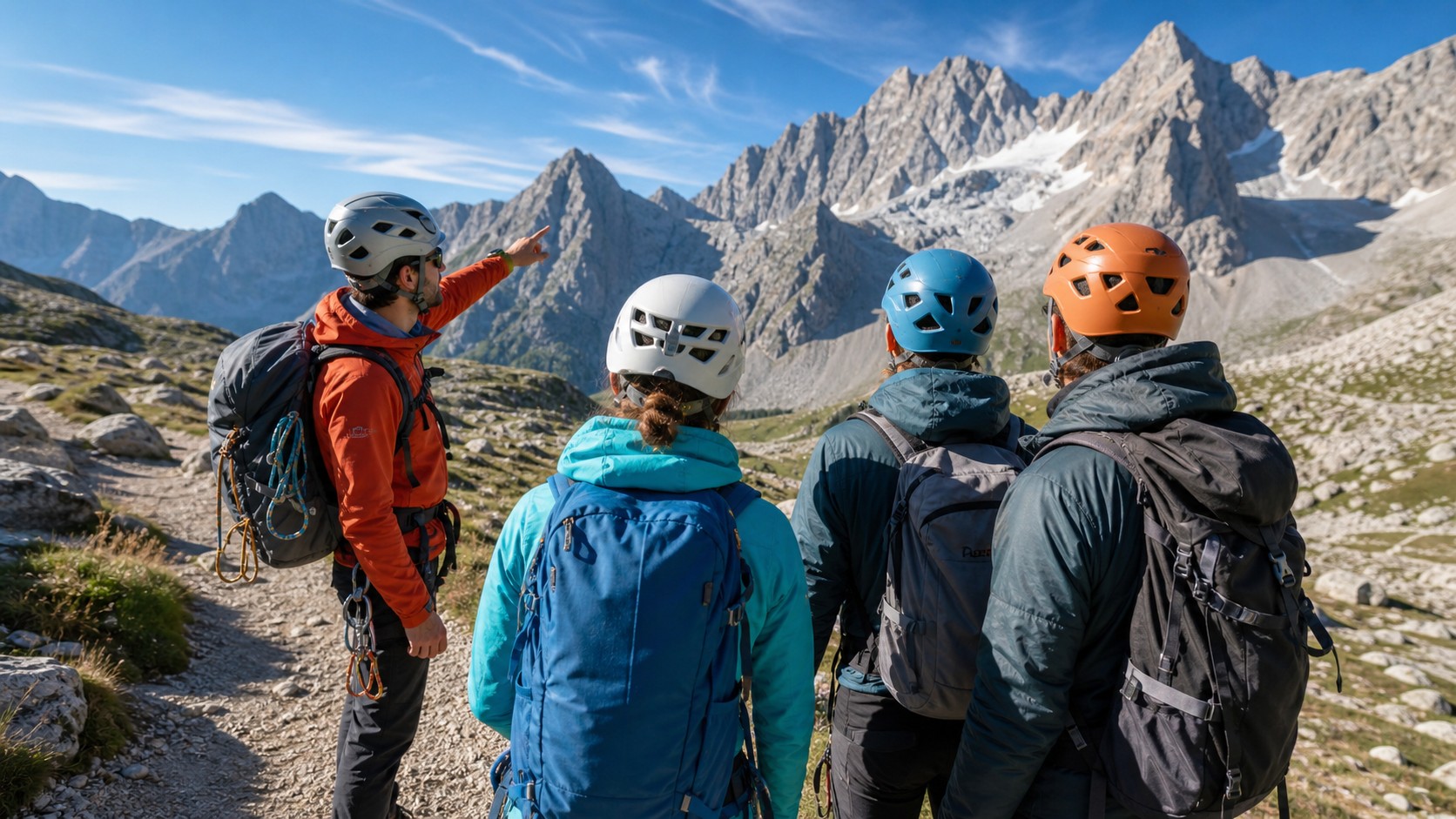
The right support depends on what the group will actually do, so evaluate a guide or operator against the route rather than against a general reputation for adventure. Ask about relevant qualifications, local experience, participant screening, group size, and who makes decisions when conditions deteriorate. Clarify whether one guide remains responsible for everyone or whether additional staff allow a participant to descend without disrupting the entire group. A clear explanation of roles, equipment, communication, and emergency arrangements is more valuable than an enthusiastic promise of excellent summit chances, because the important work often happens when the intended objective becomes unavailable.
Work Through a First-Expedition Planning Example
Imagine two regular day hikers considering a supported mountain trek rather than a technical summit. Their first planning record names the proposed trail, the overnight stops, the guide responsible for the group, and the load each person will carry. They mark camping as an unfamiliar task and arrange a nearby overnight rehearsal before making the final commitment. One hiker has experience with long ascents but struggles on steep descents, so their questions focus on the hardest downhill stage and the options for changing that day. This example is a way to organize decisions, not a recommendation for a particular route or a substitute for the operator’s assessment.
Build a Calendar With Breathing Room
Start with the mountain itinerary and work outward to the arrival journey and return home. A delayed bag, rough road transfer, missed connection, or restless first night can affect readiness even before the walking begins. Avoid placing the most demanding day immediately after complicated international travel, and keep essential gear accessible when possible. The purpose of an arrival buffer is to absorb ordinary disruption while giving you time to check equipment and understand the plan, rather than to add another sightseeing commitment.
At altitude, a tightly compressed schedule deserves particular scrutiny. Ask how sleeping elevations change, where adaptation days occur, and how the itinerary responds when someone feels unwell. Physical conditioning does not make every ascent schedule suitable for every person, so discuss relevant health concerns with an appropriate clinician and the expedition leader beforehand. The UIAA’s mountain medical guidance is a useful starting point for the questions to take into that conversation, while individualized advice should come from someone qualified to assess your situation.
Protect time after the mountain portion as well. A weather delay should not automatically become a conflict between a safe descent and a fixed flight home. Decide which extra days are part of the expedition contingency and which belong to leisure travel, then make cancellation terms clear before paying. A reserve day only works if the group can actually use it, including accommodation, local transfers, staff availability, and the financial consequences of changing the plan.
Make the Budget Reflect the Whole Journey
An expedition price is only one part of the amount you will spend. Compare quotations by identifying what each includes: guide services, local transfers, lodging, food, permits, shared equipment, porter support where appropriate, and any required training. Then add the costs that sit outside the package, such as flights, equipment rental, personal clothing, insurance, and nights before or after the expedition. Two offers with different inclusions cannot be compared fairly through their headline prices, even when they describe the same destination.
Keep a contingency fund separate from optional upgrades. That reserve might cover an extra hotel night, a changed transfer, replacement equipment, or other ordinary disruption, depending on the trip. Read insurance terms for the actual activity, elevation, rescue arrangements, and evacuation circumstances instead of assuming a general travel policy covers mountaineering. Ask the insurer to explain ambiguous terms in writing, and keep the confirmation with your booking records so that the leader and your home contact know what support is available.
Agree on Decisions Before Pressure Builds
The group needs an understanding of how decisions will be made, particularly around weather, pace, fatigue, and changes to the objective. Ask who chooses the turnaround time and how a participant can raise a concern without having to argue in front of everyone. Discuss what happens if one person needs to descend, whether the group can split with suitable leadership, and which alternatives remain available. These conversations are easier before money, effort, and summit expectations make a change of plan feel emotionally expensive.
A backup should be a real option rather than a reassuring sentence in an itinerary. Identify an alternative route or lower objective that fits the group’s abilities and current access, and understand how the logistics would change. The National Park Service trip planning guide encourages travelers to assess their party, route, equipment, and trusted contact arrangements. That same habit can help organize the planning conversation even when your expedition takes place outside a national park.
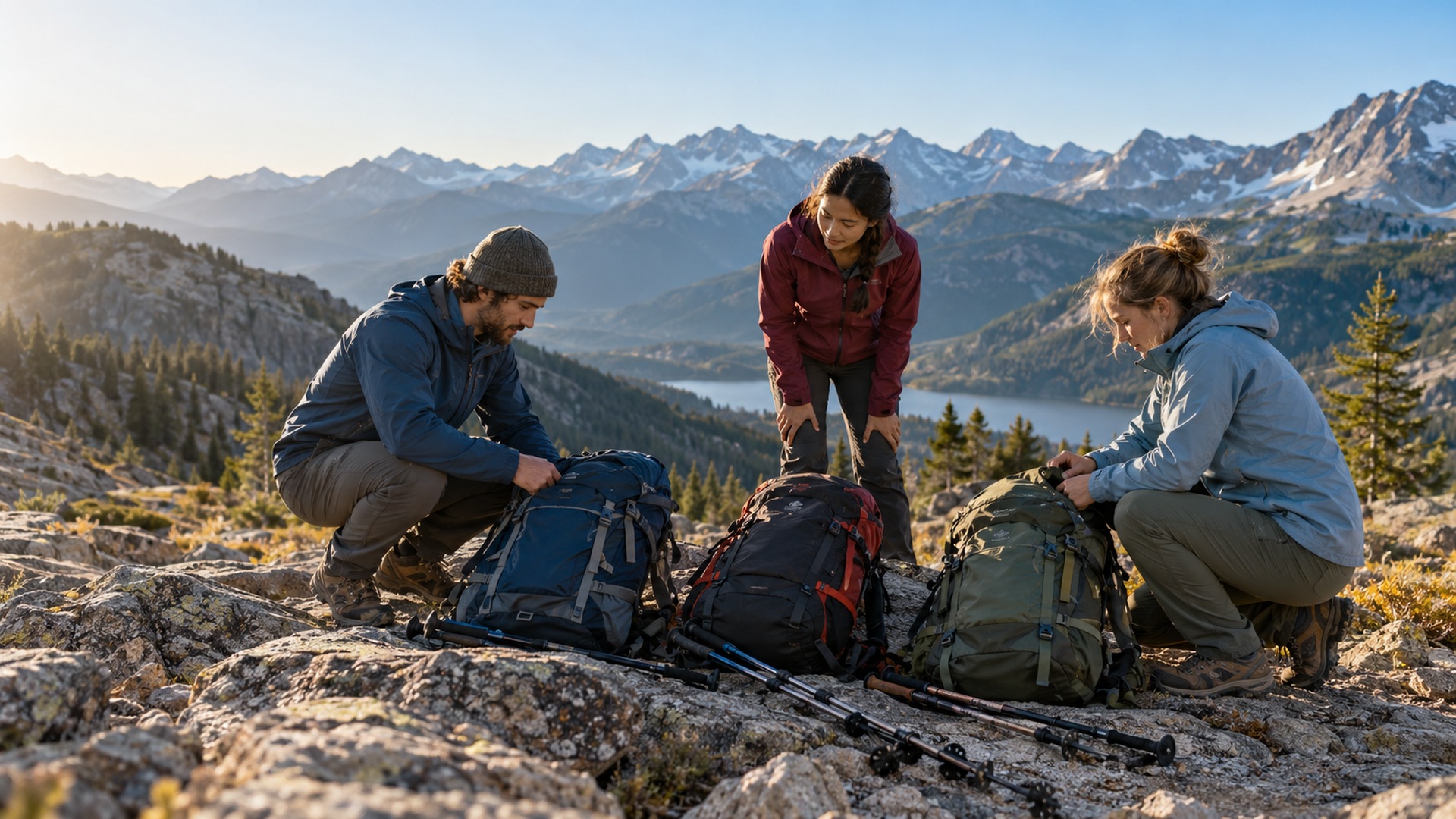
Preparation should test the trip you have chosen, including the unglamorous parts. Walk with the footwear and pack you expect to use, practice accessing layers and snacks without unpacking everything, and try the sleeping arrangement before a remote departure if possible. Learn specialist techniques through appropriate instruction rather than from a packing checklist or a video watched the night before. A rehearsal day is successful when it reveals a problem you can fix at home, whether that is an uncomfortable strap, an overly heavy pack, confusing equipment, or a pace that leaves too little energy for the following morning.
Leave Home With a Clear Departure Plan
Gather the final itinerary, contact details, insurance information, equipment requirements, and booking terms in a form you can access without dependable reception. Give a trusted person at home the relevant route and communication expectations, including when a lack of contact should prompt action and whom they should call. Agree how that person will receive changes if the itinerary shifts. A useful plan tells somebody what to do with the information, rather than simply sending them the name of a mountain and hoping it will be enough.
Set your own definition of a worthwhile first expedition before departure. Learning to manage mountain days, understanding a new environment, contributing to a group, and returning with a clear sense of what to practice next are meaningful outcomes. A summit can be part of that experience, but it should not control every decision along the way. The strongest beginner plan gives you enough structure to travel with confidence and enough flexibility to respond honestly when the mountain offers a different journey.