Begin With the Experience, Then Understand What It Asks of You
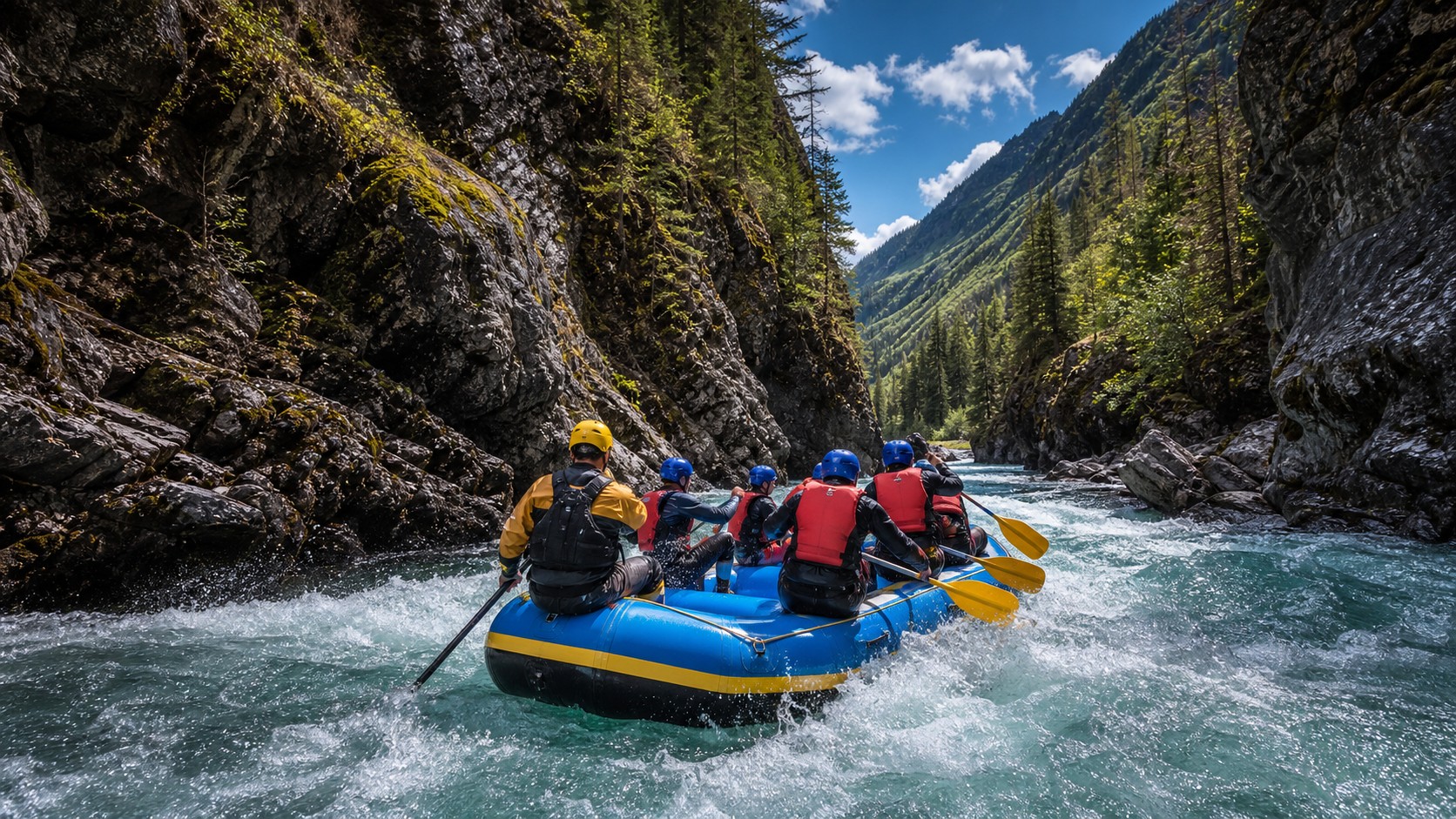
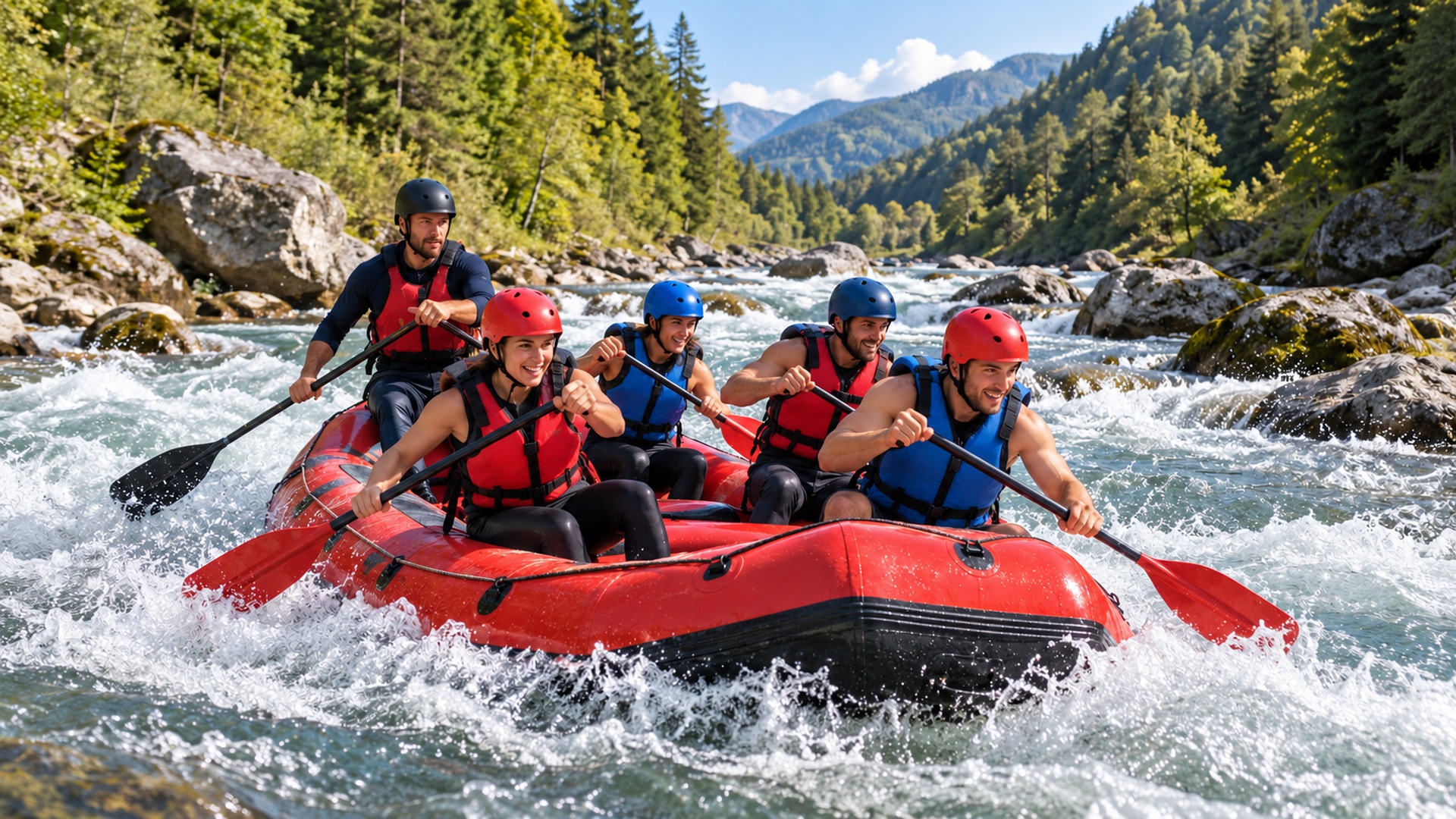
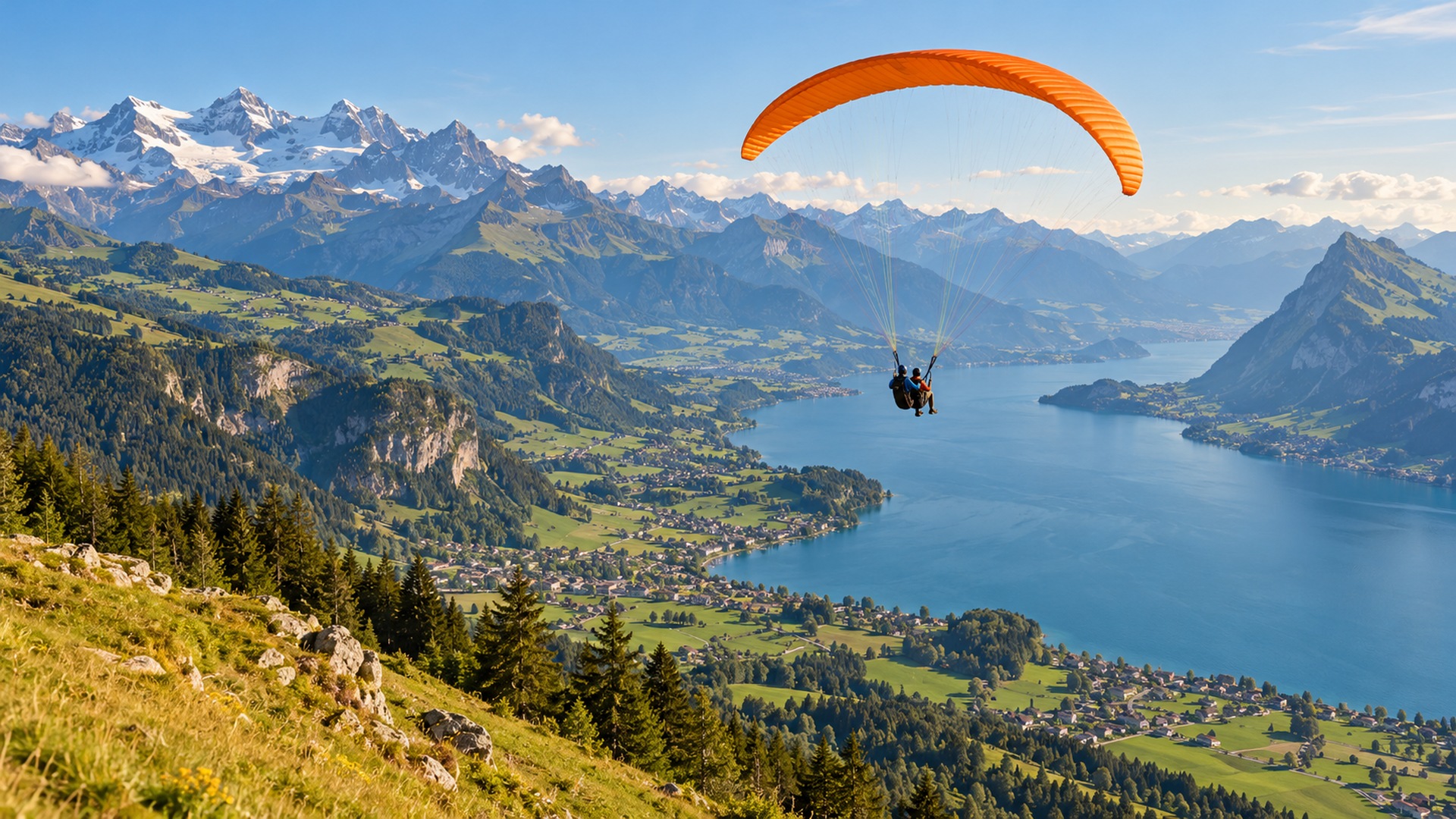
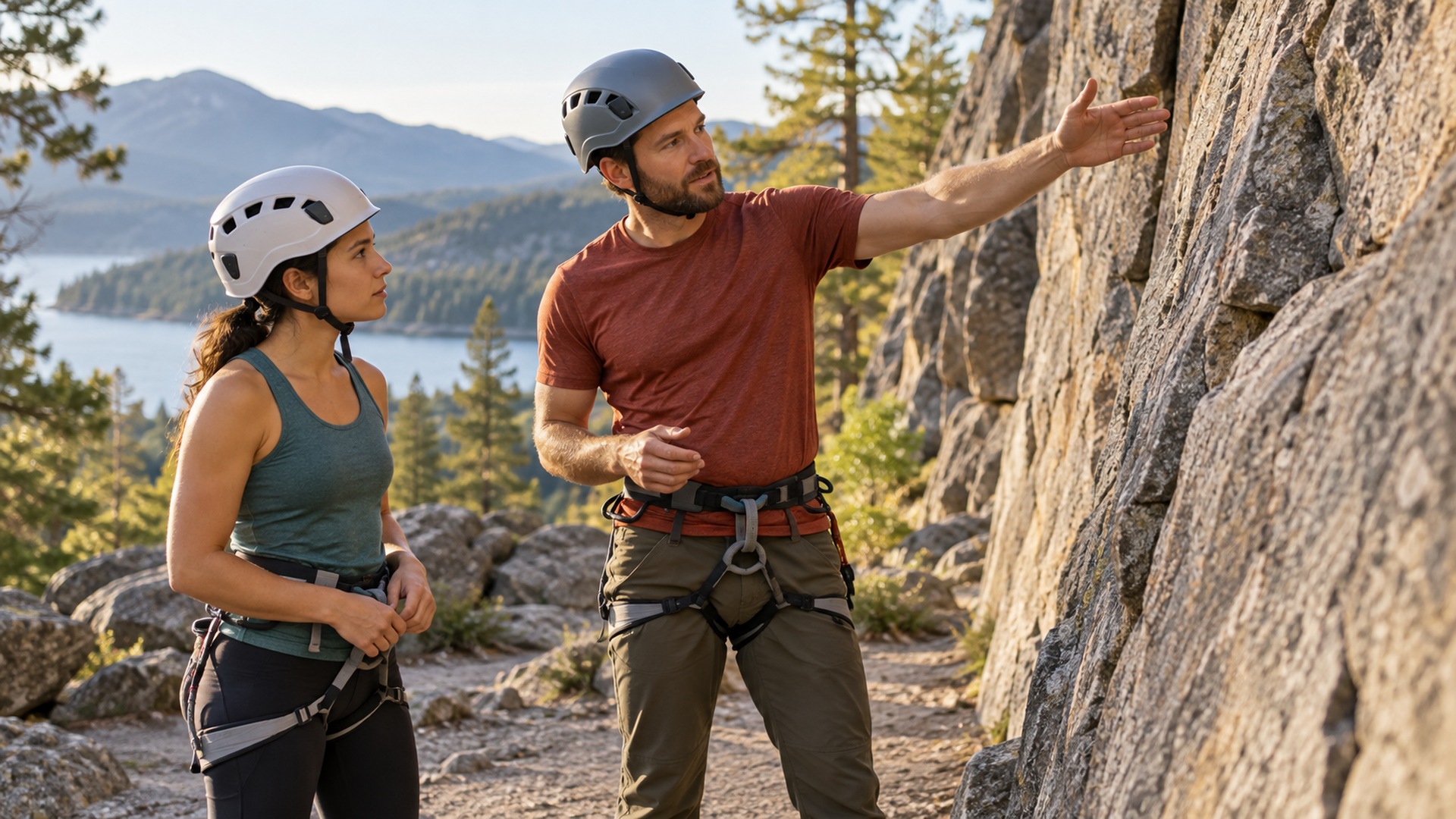
Your first extreme adventure may begin with a dramatic image: a jump above a valley, a river moving through a gorge, or a climb that brings an unfamiliar landscape into view. The planning starts earlier, with choosing an activity you actually want and understanding the role you will have in it. A supervised visitor experience, a technical course, and an independent expedition can look similarly exciting in photographs while requiring very different preparation. For a beginner, the useful question is not how to make the trip as extreme as possible. It is how to choose a suitable experience, obtain clear answers from the people responsible for it, and arrive ready to participate within their requirements. Give yourself room to learn, ask questions, and change your mind. A well-planned adventure supports your curiosity without making excitement or social pressure substitute for an informed choice.
A: Choose a specific experience and investigate its participation role, prerequisites, and support before judging its drama.
A: No; the provider still has instructions and eligibility conditions that apply to the actual booking.
A: State your own preference early and keep participation a freely made choice.
A: The operating provider should explain activity-specific arrangements; relevant medical or insurance concerns also need qualified advice.
A: It should identify the real prerequisites and support instead of imply universal suitability.
A: No; check the exact activity and circumstances through your insurer and the policy terms.
A: It helps you arrive attentive, ask questions, and resolve preparation matters before participation.
A: Use the provider’s stated process and assess suitable alternatives without pressuring staff to operate.
A: No; choose through the interests and abilities the first experience helped you understand.
A: A clear choice, understandable requirements, suitable support, honest communication, and practical room for change.
Name the Activity and Your Role in It
Replace a broad wish for adrenaline with a specific experience you can investigate. Think about whether you are interested in a short dramatic event, a guided day that unfolds gradually, or learning a skill over several sessions. These choices shape the preparation, schedule, and operator conversation. A first adventure becomes easier to assess when you can explain what appeals to you beyond the photograph and what kind of participation you are comfortable considering.
Ask what the participant actually does from arrival through completion. A tandem or guided format still has instructions and requirements, but it differs from operating independently or joining an advanced technical activity. Get a description of the ordinary sequence in plain language, including briefings, preparation, the activity, and return. This helps you assess the experience without confusing the apparent drama of the setting with the skill level the booking expects.
Choose a Provider Through Clear Evidence and Answers
Identify the operator responsible for the activity, then check the type of authorization relevant to its setting and jurisdiction. Where a regulator maintains a public register, compare the business identity, permitted activity, and current listing rather than treating a reseller badge as evidence. In a park or concession setting, the managing authority may identify authorized providers instead. Ask who supplies the instruction, who is responsible on the day, and which requirements participants must already meet. The evidence you seek should fit the actual activity; a general tourism award does not establish permission to operate every adventure format.
Look for consistency between the listing, the provider’s explanation, and the booking terms. If a claim is vague, ask for the specific meaning rather than supply an optimistic interpretation yourself. For example, suitable for beginners should describe the actual prerequisites and support, not imply that every person can participate under every circumstance. Clear information gives you a more useful basis for choosing than a promise that the trip will be unforgettable.
Give practical questions a legitimate place in the conversation. Ask about meeting arrangements, the length of the whole booking, transport, group size, and the process if you decide not to continue. The answers can affect comfort as much as the main activity. A provider who explains these details helps you imagine a complete day rather than only the few exciting seconds shown in advertising.
Check Eligibility Before Paying
Read the actual participation requirements for the specific booking and disclose relevant information through the provider’s appropriate process. Age, size, experience, health considerations, and other conditions may apply differently across activities. Do not assume that eligibility for one operator or format transfers automatically to another. When a personal medical concern affects the choice, seek individualized advice from a qualified clinician as well as the operator’s activity-specific information, rather than use a general travel article to decide your suitability.
Read Insurance Terms for the Exact Activity
Use the real activity name and circumstances when checking travel insurance. Both New Zealand SafeTravel’s adventure-tourism guidance and the UK government’s insurance guidance emphasize checking cover for planned activities, with specialist arrangements or additions sometimes relevant. Ask the insurer to clarify anything uncertain in your own policy. A broad label such as adventure holiday does not establish cover for every experience, location, or participation format you might consider.
Keep the confirmation connected to the itinerary you actually book. If you change the activity, setting, or level of participation, review whether the insurance information still applies. Understand relevant exclusions and the assistance process through the policy and insurer. This is part of making the travel arrangements coherent, alongside accommodation and transport, rather than something to assume will be resolved after the main activity is purchased.
Plan Equipment Through the Provider’s Instructions
Ask what is supplied, what you must bring, and which clothing or personal-item arrangements apply. Avoid buying technical equipment simply because it appears in a promotional photograph. Use the operator’s instructions and suitable professional guidance for the actual activity, including any fitting or training they provide. Familiarity with ordinary travel gear does not automatically establish competence with specialized equipment. A beginner should understand the process for receiving and using it within the supervised experience.
Give the Briefing Your Full Attention
Arrange the day so you can arrive without rushing and listen to the explanation. Ask for clarification when a requirement is unclear, and tell the staff when something about the preparation does not feel resolved. Do not let a group’s desire to move quickly make you pretend to understand an instruction you have not understood. The briefing is part of the experience you booked and deserves the same attention as the dramatic moment.
Agree with companions that questions and decisions to pause will be respected. Nervousness can be normal, but it should not be used to dismiss a concern about eligibility, equipment arrangements, or an instruction. The responsible staff should address those matters within their process. Your role is to communicate honestly and follow their guidance, not to invent a personal workaround for something the provider needs to resolve.
Build the Day Around the Whole Booking
Compare two illustrative bookings before fixing the rest of the holiday. A short supervised jump event might involve a transfer, check-in, screening, equipment fitting, a briefing, waiting, the event itself, and the return. Its dramatic moment can be brief while the complete booking occupies a substantial part of the day. Confirm the actual sequence with the provider rather than allowing the advertised event duration to stand in for the time you need.
An introductory climbing day has another purpose and rhythm. Meeting the instructor, checking equipment, traveling to the teaching setting, learning and practicing techniques, taking breaks, and returning are parts of the experience you came to have. Ask what participants practice and what the course does not qualify them to do independently. Do not place the same tight onward departure after both examples simply because each advertisement uses the word adventure.
Now test the decision against your interests and companions. Someone seeking one concentrated event may prefer the first format; someone interested in learning may value the instructional day even without a dramatic objective. Keep meals, personal-item instructions, transport, and the evening manageable around the chosen booking. A quieter remainder of the day also gives companions room to respond differently without requiring another intense activity immediately afterward.
Understand What Happens When Conditions Change
Ask how the provider decides whether the activity operates and how that decision is communicated. Read the terms for postponement, cancellation, alternative arrangements, and refunds before paying. Keep enough clarity about transport and accommodation that a changed booking does not create another avoidable problem. An operator’s decision to postpone or cancel should be treated through its stated process, not challenged because the itinerary or a photograph made you expect the activity to happen regardless.
Keep a Meaningful Alternative
Choose another experience near the base that still interests you if the main activity cannot proceed. It may be a different guided outing, a learning opportunity, or time in the landscape that first attracted you. Check its own suitability and access rather than assume any substitute is automatically easier. A worthwhile alternative helps the holiday retain purpose while respecting the fact that outdoor and specialist activities depend on real conditions.
Distinguish disappointment from pressure to improvise. If the activity cannot operate as booked, do not use an unofficial version merely to preserve the original idea. Ask about the provider’s options and decide through the actual information available. The quality of a first adventure includes understanding the boundaries of participation, which can prepare you for better choices on later trips as much as completing the headline event.
Learn From the First Experience Before Choosing the Next
A good first-adventure plan combines an informed choice, appropriate instruction or supervision, understandable requirements, and time to prepare. It leaves room to raise concerns and reconsider when circumstances change. Choose future progression through the skills and interests you have actually developed, keeping curiosity and qualified assessment connected rather than letting a checklist dictate the next booking.