Turn a Desert Landscape Into a Workable Journey
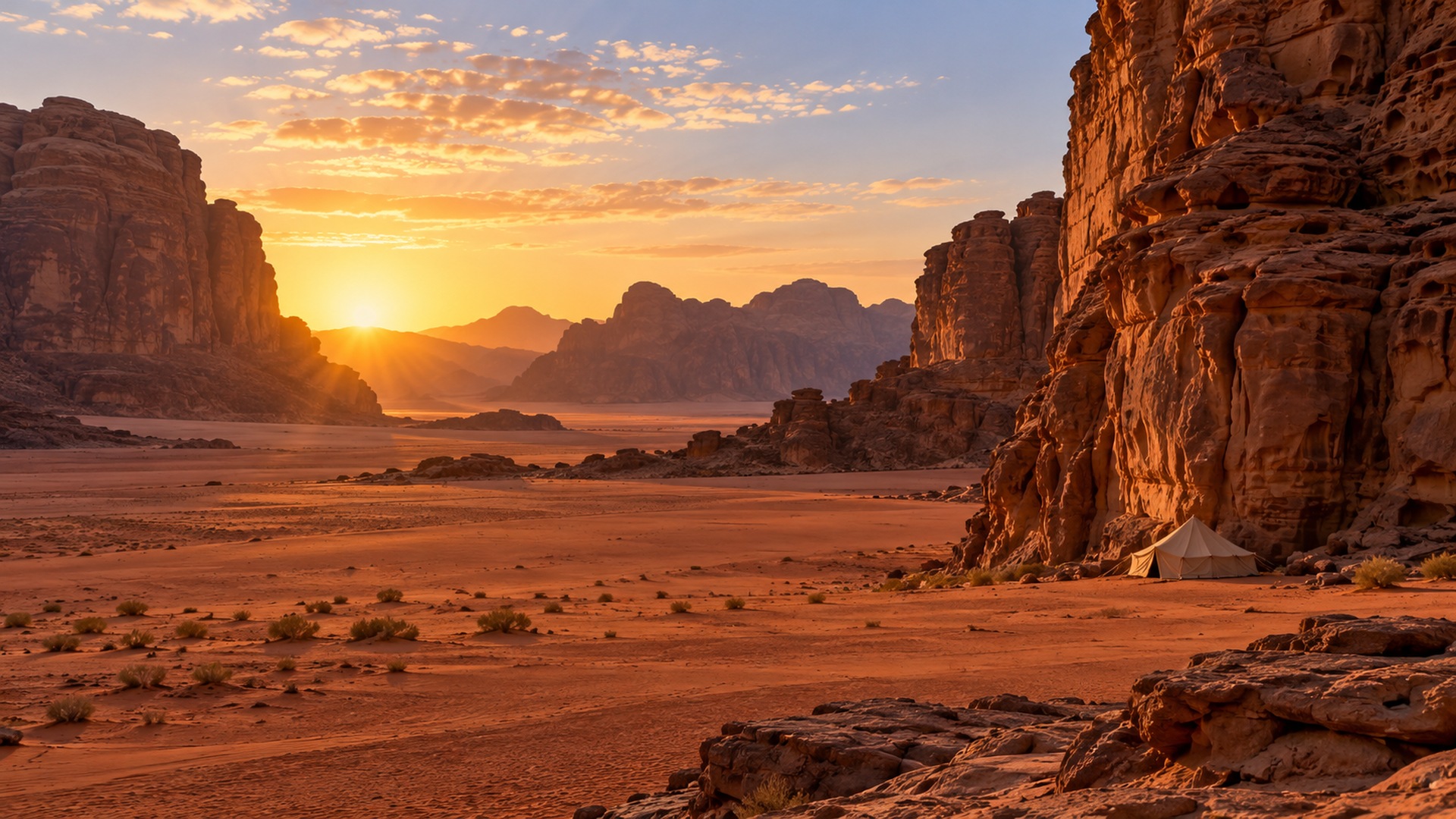
A photograph of dunes or a sandstone canyon rarely shows the decisions that make visiting it enjoyable. It does not explain how travelers arrived, where they found shade, who checked the route, or what happened when the conditions changed. Planning the perfect desert adventure means making those details part of the appeal from the beginning. Start with the landscape you want to understand and the way you hope to experience it: a guided walk, a scenic drive, a comfortable camp stay, or a more involved journey with specialist support. Then examine the season, access, transport, and daily routine required by that choice. Desert travel rewards a conservative pace because the surroundings deserve attention and the practical margins matter. A well-designed trip gives you time to notice the terrain while keeping the ordinary needs of the group clear, supported, and achievable.
A: Identify the landscape, activity format, comfort level, and support you want.
A: Fitness does not resolve unfamiliar access, conditions, or environmental judgment; choose support for those gaps.
A: Research the exact region and activity through current official guidance and local providers.
A: A camp concentrates accommodation and daily logistics in the operator’s arrangement, while a town may offer more independent services.
A: The group needs to know explicitly what is supplied and what each traveler must bring for the particular outing.
A: Check actual access, conditions, vehicle suitability, and permitted rental use before relying on it.
A: Only if the facilities, routine, and experience suit the people traveling.
A: Leave recovery and practical routines enough room, and let the group’s response guide additional activity.
A: It explains the specific journey, responsibilities, support, and response to changes rather than offering broad reassurance.
A: Where you stay, how you move, what the activities require, and who manages each transition.
Choose Dates Through the Specific Destination
Research the destination’s seasonal conditions before selecting flights or accommodation. The appropriate travel period depends on the exact region, elevation, route, and activity rather than on a general assumption that deserts are always hot. Consult current official information and ask local providers how the proposed format works during your dates. A suitable season reduces logistical strain, but it does not remove the need to respond to current conditions. Treat temperature, daylight, and the possibility of disrupted access as parts of the itinerary design.
Use Official Guidance to Set Practical Limits
For a US park trip, begin with the park’s own visitor and safety information. The National Park Service’s Death Valley safety guidance discusses heat as well as other conditions that can affect a visit. Read the specific recommendations for the place you intend to travel, rather than transferring a rule from another desert. Use the advice to assess whether your preferred activity and timing are suitable.
Separate a general visitor overview from the current information needed immediately before an outing. Conditions, closures, and local advice may alter the available plan. Know where to check those updates and who can help interpret them for your experience level. A conservative change is part of competent planning, rather than a failure to achieve the original schedule.
Avoid using confidence or a strong fitness level as substitutes for local knowledge. A traveler can be comfortable with strenuous activity while unfamiliar with the environment and its access constraints. Choose support according to that gap. The objective is to enjoy the landscape with an arrangement suited to the real circumstances.
Choose Local Expertise for the Unfamiliar Parts
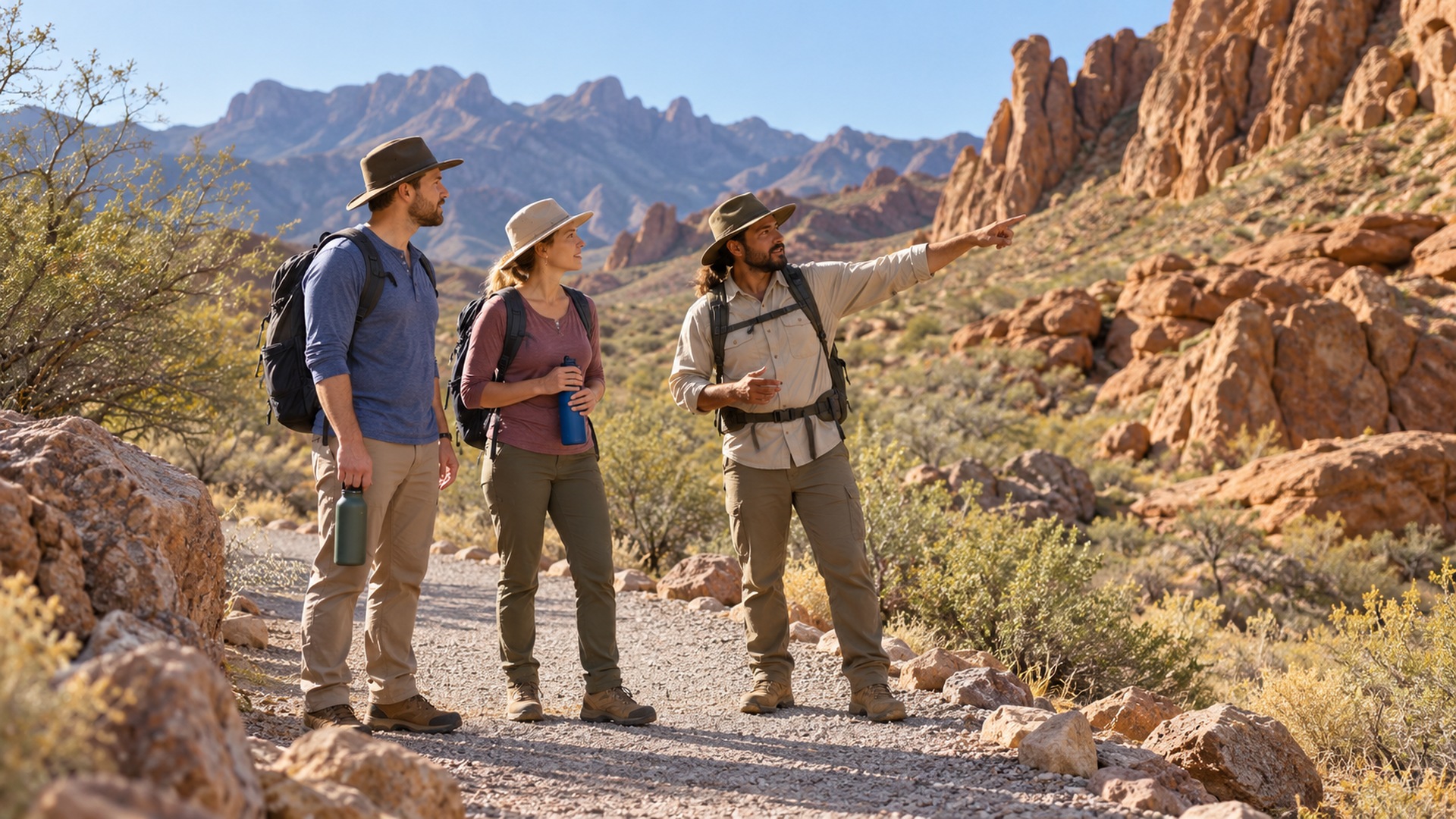
Guidance is especially useful when the route, access, or activity lies outside your experience. Evaluate an operator through the details of the proposed journey: the group size, guide role, daily demands, supplied equipment, and response to changing conditions. Ask how the itinerary is adjusted for different participants. A useful answer should explain the actual arrangement rather than repeat a reassuring adjective. Choose the provider whose approach matches the trip you want and the support you need.
Clarify Transport Responsibilities Before Arrival
Decide whether the journey will use independent driving, arranged transfers, or an operator-managed route. The choice affects the responsibilities carried by the group. Check the actual road access, vehicle requirements, rental terms, and current conditions through the appropriate official and provider information. Do not infer suitability from a map that shows a connecting line.
If using a transfer, understand the pickup, luggage arrangements, duration, and return plan. Ask what happens if an arrival delay changes the connection. If driving, keep the route within your experience and the vehicle’s permitted use. Clear transport responsibilities prevent an appealing desert itinerary from becoming a sequence of uncertain access decisions.
Discuss Supplies Through the Actual Activity
A Joshua Tree day gives the supplies conversation a destination-bound example. National Park Service visitor guidance says to carry at least a gallon of water per person each day. Treat that as the park’s stated preparation guidance, not a universal amount for every desert or a ceiling on what you might need. In an illustrative supported day, confirm who brings the water, what remains with the vehicle, what you carry during a selected outing, and whether any refill is genuinely available. Match the route and timing to current park advice and the qualified leader’s requirements. If heat or conditions make the outing unsuitable, change it; carrying supplies does not make every plan appropriate. Repeat the same responsibility check for food, personal protection, communication, and any equipment specific to the booked activity.
Pack for Movement, Waiting, and Overnight Comfort
Clothing and equipment should serve the trip’s complete routine. Consider the activity, transfers, periods of waiting, and any overnight arrangements instead of packing only for the image of a sunny desert walk. Follow current provider guidance for suitable items and avoid unnecessary purchases until supplied equipment is clear. Organize what you need so that it is accessible when the schedule requires it.
For a camp stay, ask what the sleeping arrangement includes and what guests should provide themselves. Clarify luggage limits if part of the route uses a particular transfer format. Pack through those answers rather than through a romantic idea of traveling light. Comfortable practical preparation lets you appreciate the camp’s setting without repeatedly wishing for an omitted essential.
Keep devices and travel information organized for the actual communication arrangements. Save the contacts and booking details you may need without assuming continuous connectivity. Ask the operator how messages reach the group during the journey. This preparation should support the itinerary quietly rather than become a complicated system that nobody understands.
Make an Overnight Stay a Deliberate Choice
A supported day from a serviced town and an overnight desert camp create different preparation problems. In the day-trip version, you can return to ordinary meals, a room, and supplies after the selected outing. In the camp version, those needs move into the booking itself: the shelter, bedding, meals, water provision, wash arrangements, and onward transfer need explicit confirmation. This is a comparison of formats, not a claim that every camp provides the same comforts. Decide whether the appeal includes spending the quiet hours in that setting or chiefly visiting the landscape during the day. A camp stay should earn its place through the experience you want, with its responsibilities understood before you leave the serviced base.
Respect the Place and the People Hosting You
Follow the destination’s guidance about permitted routes, protected features, waste, and access. A landscape that appears empty may still have ecological, cultural, or community significance. Ask before photographing people or participating in a locally hosted activity. Let the host explain the context instead of treating the encounter as a scenic addition.
Choose experiences whose organization is clear. Understand who is guiding, who is hosting, and what the arrangement includes. When a cultural element is advertised, look for a respectful account of participation rather than an invitation to perform a stereotype. The most rewarding encounter often involves listening carefully and accepting the boundaries the host sets.
Compare the Complete Cost of the Journey
Include accommodation, transfers, guiding, meals, necessary equipment arrangements, and the time required to reach the region. A camp quote and a town-based itinerary may include different portions of that total. Ask for the inclusions and exclusions in writing so the comparison remains useful. Read change and cancellation terms for the parts most dependent on access or conditions.
Keep a practical margin for changes without inventing a universal amount that would suit every trip. Think through the specific consequences of a delayed transfer or altered outing. Review appropriate cover through its actual terms and the activities planned. A clear budget is one whose assumptions you understand, rather than one built from the lowest headline prices.
Make sure companions understand the cost responsibilities before booking. A shared vehicle, private guide, or camp arrangement can create obligations that differ from individual hotel reservations. Agree on the scope and comfort level together. Financial clarity at this stage helps the group focus on the landscape once the journey begins.
Finish With a Route Everyone Can Explain
Before departure, summarize where the group will stay, how it will move, what the main experiences require, and who is responsible for each transition. Keep the information available to more than one participant. Recheck current destination guidance and confirm important arrangements with the provider. Resolve assumptions that could change the route or the suitability of an outing.
Then preserve the room you intentionally built into the journey. A desert adventure should leave time to notice light, texture, distance, and the character of the place. You do not need to turn every interval into another activity. A thoughtful plan supports those observations through appropriate timing, local knowledge, comfortable routines, and a pace the group can sustain.