Design the Coastal Days You Actually Want
An ocean escape might begin with a picture of clear water, a quiet terrace, or a boat moving beyond the harbor, but a satisfying holiday depends on how those moments fit into ordinary days. The coast you choose needs to support the activities you enjoy, the comfort you want, and the amount of movement you are willing to organize. A dramatic beach can be wonderful for walking yet unsuitable for the swimming you imagined, while a convenient harbor town may offer a richer daily experience than an isolated property with a spectacular photograph. Planning works best when you define the rhythm of the trip before choosing the accommodation. Think about mornings, meals, transfers, water confidence, and what you will do when conditions change. The result can still feel spontaneous, because practical choices made early leave more attention available for the sea, the place, and the people traveling with you.
A: Compare the daily access, meals, activities, quiet, and transport each setting offers against your preferred routine.
A: Appearance alone does not establish safety; seek local guidance, suitable supervision, and current conditions information.
A: Book important anchors and leave open periods for rest, changing conditions, and local discoveries.
A: Choose a base and schedule with enjoyable shore-based alternatives and avoid making participation compulsory.
A: Use the operator's current information and build a realistic buffer appropriate to the consequence of a delay.
A: Yes, if the weather expectations, transport, businesses, and activities you need are available in that period.
A: Consider drying space, rest, shade, meals, accessibility, and the ease of returning from excursions.
A: Use a prepared alternative and follow the provider's conditions assessment rather than seeking to force the original plan.
A: Pack for confirmed activities and ask providers what they supply, keeping hypothetical specialist gear out of the bag.
A: A useful base, realistic transfers, flexible activities, and open time allow ordinary pleasures to become part of the trip.
Decide What an Ocean Escape Means to You
Start with the experience you want rather than a list of famous coastlines. You might imagine leisurely beach days, active time on the water, coastal walking, harbor restaurants, or a combination that changes from day to day. Rank a few priorities and distinguish necessities from appealing extras. If comfortable swimming is central, investigate actual swimming conditions and supervision; if walking matters more, a windswept coast may be attractive even when the sea is unsuitable for entering.
Choose a Coast by Its Everyday Character
Compare a coastal base through the day it supports. Imagine a harbor-town stay where breakfast, restaurants, and the departure point for a booked boat outing are within a practical local route. This suits a group wanting different daytime choices: one person can take a lesson while another explores the town, then both return for dinner. Check the actual walking route, traffic or steps, and the excursion’s meeting point before treating the location as convenient. The harbor view is a bonus; the useful feature is the independence the base provides.
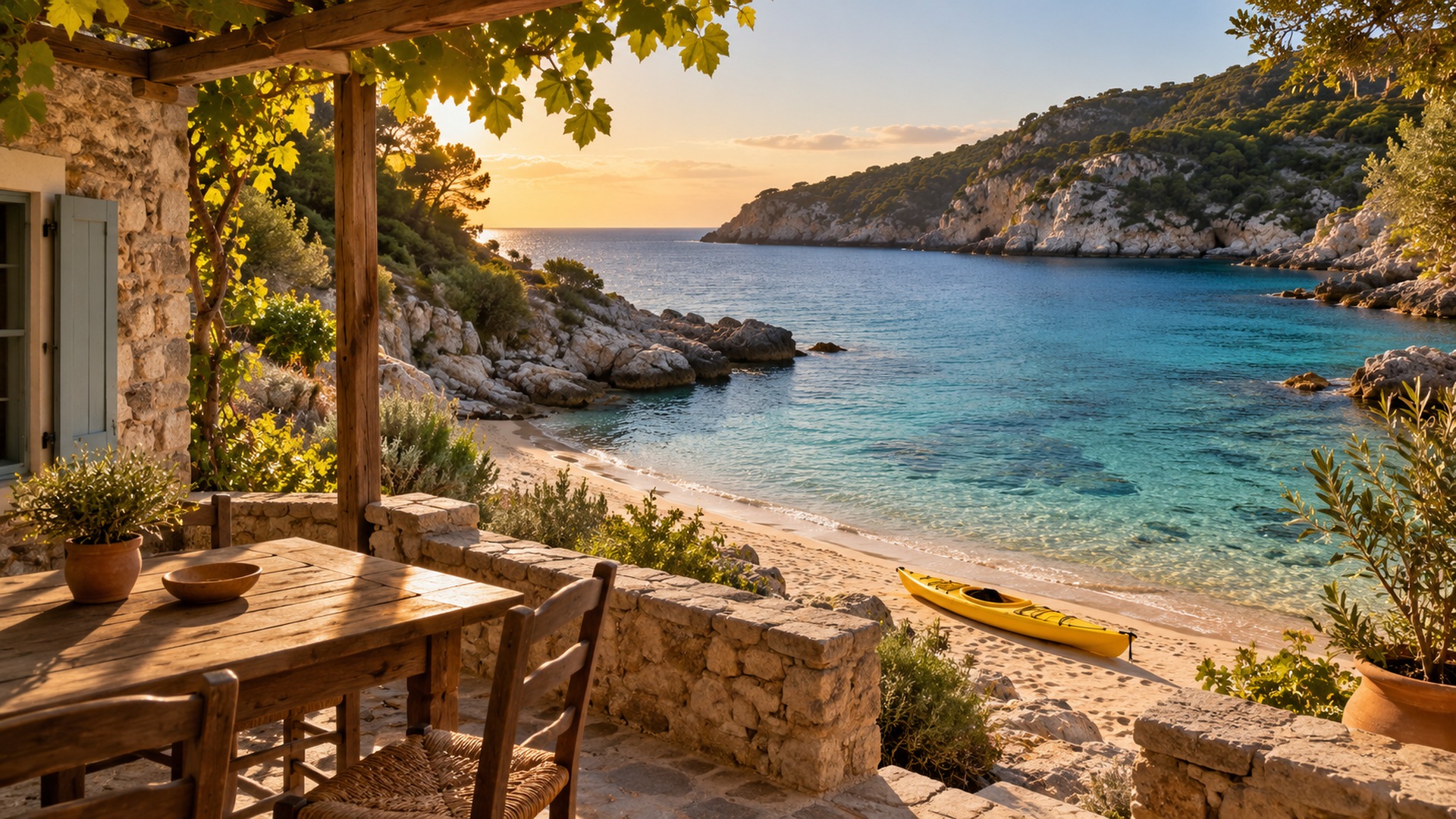
Now imagine a remote bay property where the shoreline and accommodation are the main setting of the week. It may offer the quiet you want, but meals, transfers, and alternatives need more deliberate arrangement. Confirm what is available on site, how guests reach ordinary shops, and whether everyone would enjoy a day without an excursion. These are illustrative stay formats rather than promises about a particular property. A bay that looks sheltered in a photograph still needs current local guidance before swimming or joining a water activity.
Put both options beside the priorities you agreed at the start. The town may fit varied interests and independent dining; the remote stay may fit shared rest and fewer daily decisions. Ask each property to explain one realistic arrival, one activity morning, and one weather-affected afternoon. If its answers depend on repeated private transfers or services unavailable during your dates, include that effort and cost in the comparison. Choose the base whose routine sounds enjoyable when the view is no longer new.
Check the Season for the Activities You Want
The right travel period depends on the destination and your priorities, so investigate the conditions relevant to your own trip. Beach weather, water conditions, daylight, seasonal transport, business opening periods, and demand may not align in the way a promotional description suggests. Check destination-specific information and current provider schedules before booking, especially when the itinerary relies on boats or a particular activity. Shoulder periods can offer appealing quieter surroundings, but they should be chosen with a clear understanding of which services and experiences remain available.
Make Arrival and Transfers Part of the Plan
Map the complete journey from arrival airport or station to the accommodation. Include the final road transfer, ferry, luggage handling, and walking access where relevant. A property that feels wonderfully removed from busy areas may be awkward to reach after a late arrival or a delayed connection. Ask the host how visitors usually arrive and what happens if the normal transfer is missed, then compare those arrangements with your booking rather than assuming that a short geographic distance means a simple journey.
If boats connect different parts of the trip, leave reasonable space between services and consequential onward bookings. Check operator schedules, baggage arrangements, and cancellation policies directly, and understand what a weather disruption would mean for lodging and the return journey. Avoid spending the last day on a distant excursion whose delay could interfere with an important departure. A little restraint in the transfer plan can protect the relaxed feeling you came for, especially when the holiday depends on more than one mode of transport.
Match Water Activities to Real Confidence
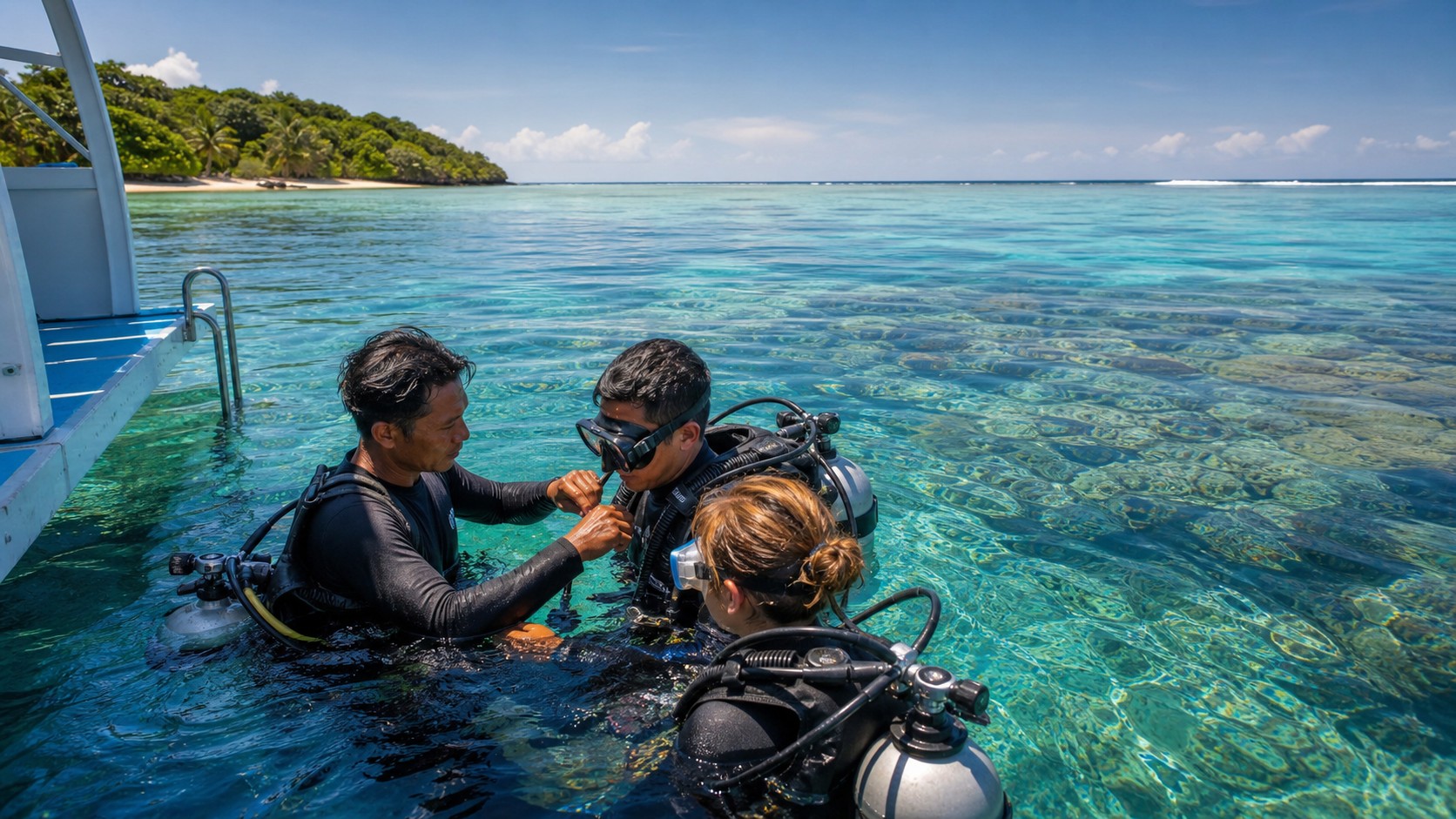
Choose water activities according to experience, current conditions, and the support provided. Swimming, snorkeling, kayaking, surfing, diving, and sailing are different activities with different demands, so comfort in one should not be treated as readiness for all the others. Ask a provider about participant requirements, supervision, equipment fitting, and how the outing changes when conditions are unsuitable. A useful introduction gives beginners clear instructions and a realistic setting, rather than expecting confidence to develop simply because the surroundings are attractive.
For beach swimming, seek local guidance and suitable supervised areas. Do not infer safety from sunshine, clear water, or the absence of dramatic waves. NOAA’s guidance on waves and currents explains that hazardous conditions can occur even when the weather looks pleasant. Follow lifeguard instructions, local warnings, and closures, and choose another activity when conditions or your own confidence make entering the water inappropriate.
Keep participation flexible within the group. Somebody who enjoys the ocean from shore should not feel obliged to join a boat outing or enter unfamiliar water merely to preserve the itinerary. Look for activities with realistic alternatives, such as a coastal walk while others take a lesson or time in town during an excursion. The holiday becomes easier to enjoy when opting out is part of the plan rather than a decision someone has to defend once the provider is waiting.
Select Accommodation for the Hours Between Excursions
Evaluate the room and surrounding facilities through the ordinary parts of a coastal day. Think about drying wet belongings, sleeping comfortably, finding shade, preparing simple food if desired, and returning from an activity without a complicated journey. Ask about accessibility and practical arrangements relevant to your group instead of relying on broad descriptions of luxury or family friendliness. The accommodation is often where weather changes, tiredness, and differing preferences become manageable, so its daily usefulness deserves as much attention as the view from one photographed corner.
Build a Budget That Includes Coastal Extras
List the major trip components before allocating money to optional experiences. Accommodation and the main journey are obvious, but local transfers, ferries, excursions, equipment rental, meals, parking where applicable, and contingency lodging can change the total substantially. Compare activity offers by their actual inclusions and cancellation terms. A lower price may exclude transfers or essential equipment, while a more expensive offer may provide practical support that saves both effort and separate spending.
Keep some spending uncommitted rather than filling every day with advance purchases. The flexibility can support a suitable outing discovered locally or cover a changed plan when conditions interrupt travel. Read insurance and booking terms for the activities you intend to undertake, with direct confirmation of any uncertain coverage. A clear budget supports a calmer holiday because choices can be made around the experience you want instead of around the frustration of already paying for an activity you no longer wish to do.
Leave Empty Space in the Itinerary
Create weather alternatives that you would actually enjoy. A nearby town, museum, food market, sheltered walking option, or comfortable accommodation day may provide a good substitute when the sea is unsuitable. Check availability and access beforehand, particularly outside the busiest season. A backup does not need to imitate the original activity; it needs to preserve something worthwhile about the holiday without creating pressure to force an ocean outing through poor conditions.
Pack Lightly Around Actual Coastal Activities
Take clothing and equipment suited to the planned setting rather than a large collection of hypothetical activities. Include practical sun protection, footwear for the surfaces you will use, suitable items for swimming or other confirmed outings, and protection needed for the weather. Ask providers what they supply and what you should bring, especially for specialist activities. The NOAA beach-hazards overview is a useful reminder that coastal preparation involves the environment as well as the packing list, so combine equipment choices with current local information.
Think about storage and transport too. A small bag for a day outing, a way to separate wet belongings, and accessible essentials can make transfers more comfortable without adding much complexity. Protect devices and documents according to the activity and check whether a boat provider has specific luggage rules. Leave specialist gear decisions to the requirements of the relevant activity rather than assuming that one generic beach kit serves every outing on the ocean.
Respect the Coast You Came to Enjoy
Leave with a few experiences you had time to enjoy. The holiday might be remembered through a harbor breakfast, a lesson that built confidence, or a quiet afternoon by the bay. A suitable base, realistic transfers, and respectful activity choices made those moments possible. Keep that practical foundation and give the coast room to supply the details you could not schedule.