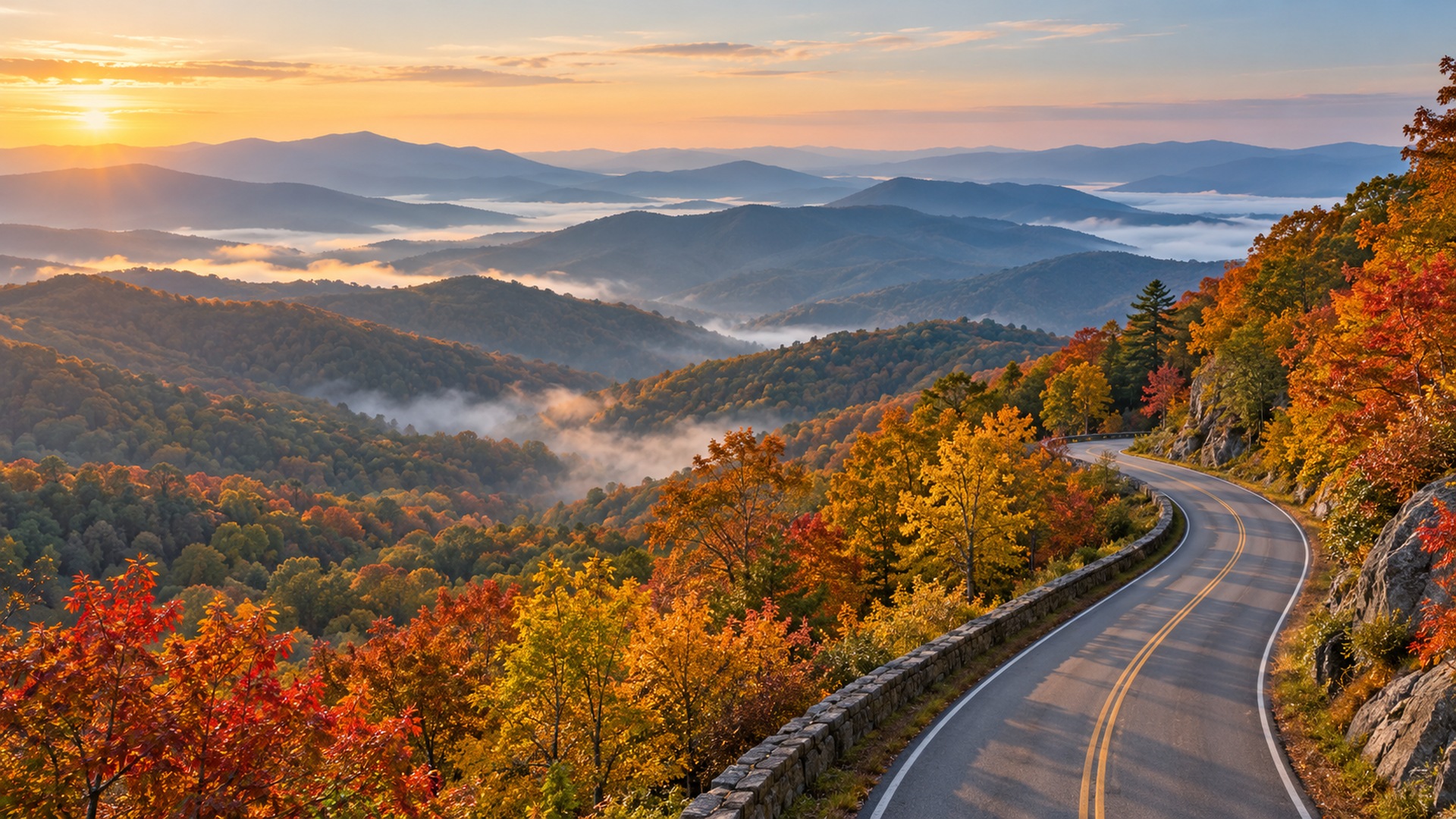
Plan the Hours Between the Destinations
A road trip can look effortless on a map: choose a start, add a few places, and connect them with a line. The real holiday happens between those points, when you decide whether to stop, eat, take a walk, find fuel, or continue toward the night’s accommodation. Planning those hours makes the difference between a route that can be driven and a journey you can enjoy. Begin with the time available and the kind of days you want, then choose destinations that fit within that rhythm. Leave room for the small discoveries that make road travel appealing, while giving essential logistics enough attention that they do not keep interrupting the experience. A good plan supplies direction and practical support without requiring every minute to unfold exactly as imagined. It should help you make decisions during the trip, including the decision to shorten a day or change a stop when conditions call for it.
A: Decide the purpose and available time, then sketch a few overnight areas and important experiences.
A: It can fit a journey that starts and finishes in one area, subject to the complete transport and vehicle arrangements.
A: Meals, breaks, packing, parking, sightseeing, and arrival all occupy parts of the actual day.
A: Choose a manageable set of genuine priorities so the route leaves room for them and ordinary travel needs.
A: Confirm that the vehicle, road type, territory, drivers, and assistance arrangements fit the rental terms and route.
A: No; they support navigation but cannot establish current closures or operating arrangements.
A: Their interests, rest preferences, access needs, and comfort with driving days should shape the rhythm from the start.
A: It should still serve the holiday’s purpose and work with the route and overnight arrangements.
A: No; shortening a day can be a practical response to conditions, delays, or the group’s needs.
A: Vehicle return, connecting travel, luggage, fuel or charging, and enough margin to finish comfortably.
Choose a Route Shape That Fits the Holiday
A loop returns you to the starting area and can simplify some vehicle arrangements, while a one-way route may suit a journey between different arrival and departure points. Compare the complete transport and rental implications before selecting either format. Ask what the return would require if a one-way arrangement is unavailable or costly, and avoid treating the final travel day as an empty space that will solve itself. The best shape is the one that works with your time, transport, and desired experiences.
Sketch a few overnight areas rather than fixing every stop immediately. Look for a progression that avoids repeated backtracking and places useful services within reach. A broad regional plan can reveal whether the journey has a coherent direction or whether its most attractive stops pull it in several competing directions. Keep that first sketch simple enough to revise without feeling that you are undoing an elaborate plan.
Estimate Whole Days Instead of Driving Time Alone
A mapping estimate describes movement; your day also includes packing, breaks, parking, visits, meals, and arrival. In a purely illustrative route day, a map might show three hours of driving while a planned museum takes two hours, lunch and breaks take another ninety minutes, and collection, parking, and check-in occupy the remaining transitions. That already creates a substantial day before an unplanned stop. These are planning allowances, not a claim about a particular road or a recommendation for how long anybody should drive continuously. Replace them with your own route estimates and confirmed operating times.
Now test a change. If the museum’s available entry slot is late in the afternoon, you might stay nearby, visit the next morning, or remove an earlier stop. Adding a longer final drive simply to preserve every attraction is a separate decision with consequences for the driver. Consider road character, daylight, alertness, and actual conditions alongside the passenger’s enthusiasm. Never make the itinerary depend on someone driving after they no longer feel able to do so safely.
Mark the largest fixed commitments on each day. A ferry, a booked activity, or a required arrival time leaves less freedom than an optional viewpoint. Reduce competing stops around those obligations and confirm which accommodation arrangements can actually change. Spontaneity needs usable alternatives and availability on the route, not just an optimistic blank space in the plan. A day with one protected visit and enough time around it can provide more discovery than a schedule that requires every estimate to be exact.
Book Accommodation Around the Daily Rhythm
Overnight choices influence much more than where you sleep. Compare the location with the final stop of the day and the first activity tomorrow, including whether check-in times fit your realistic arrival. A less expensive room can be inconvenient if it requires a substantial extra drive at both ends of the stay. Choose the base as part of the route rather than treating accommodation as a separate shopping task once all destinations have been fixed.
Decide where certainty matters and where flexibility remains useful. A key overnight stay or an area with limited options may deserve an advance booking, while another part of the route may support a looser arrangement. Read the actual change and cancellation terms instead of assuming a reservation remains flexible. Keep the details available offline, with the address, contact, parking arrangements, and any instructions relevant to arrival.
Prepare the Vehicle for the Actual Journey
Use the vehicle manufacturer’s guidance and appropriate professional servicing to address preparation before departure. The NHTSA road-trip guidance covers practical checks such as tires and other vehicle systems, along with giving the journey adequate time. Make sure the vehicle suits the route, passengers, luggage, and conditions you actually expect. Preparation should answer the needs of this trip rather than rely on the fact that the vehicle worked well during a short drive at home.
Understand a Rental Before Leaving the Collection Point
For a rental, read the agreement and confirm the permitted drivers, travel areas, road restrictions, fuel arrangement, and assistance process. Ask about anything your route depends on, such as a one-way return or movement across a border. Inspect the vehicle through the provider’s normal process and learn unfamiliar controls while parked. A few clear questions at collection can prevent the itinerary from resting on an assumption the booking does not support.
Plan how the luggage works in the vehicle. Keep items needed during a driving day accessible without blocking visibility or creating loose objects in the passenger area. Decide where you will place food, water, jackets, and any child-related supplies so each stop does not require unloading everything. A practical arrangement helps the road trip remain comfortable through repeated daily use, not just through the initial packing photograph.
Confirm what equipment is supplied and what you need to bring for the destination and season. Ask the provider how assistance is requested, retain the relevant contact information, and understand the vehicle’s basic operating instructions. If your plans involve an unfamiliar road type, seek location-specific advice and check that the vehicle and rental terms are suitable. A map line alone cannot confirm that a particular car is appropriate for a route.
Use Navigation as Support for Decisions
Prepare maps and useful information for areas where connectivity may be uncertain, while recognizing that downloaded material can become outdated. Keep the overnight addresses and important stops organized so you can find them without repeatedly searching while traveling. The person driving should be able to concentrate on the road rather than manage a stream of last-minute route changes. Discuss navigation responsibilities and review a changed route while safely stopped.
Check current conditions through the relevant road authority and destination manager. For a United States national-park visit, the National Park Service operating-status guidance points visitors toward current park information, reservations, and operational updates. Apply the same principle elsewhere by using the authority responsible for the actual road or site. A familiar route name or an old travel account cannot establish what is open on your dates.
Build a Budget for Movement and Stops
List the vehicle cost, fuel or charging, accommodation, meals, parking, tolls, entrance fees, and any booked activities that apply to your route. Include the travel needed to start and finish the road trip, rather than comparing only the nights away from home. Different route choices can move spending between categories, so look at the complete total after making a change. Keep an allowance for ordinary uncertainty while identifying major costs as clearly as possible before departure.
Keep an Alternative Ready for the Main Uncertainties
A closed road, unsuitable weather, or an unavailable attraction does not have to dismantle the whole holiday. Identify which part of the plan depends most on a particular condition and consider a reasonable substitute nearby. Understand how a change affects the overnight stay and any booked activity before making the decision. An alternative is most useful when it still serves the trip’s purpose, rather than merely fills time with something nobody wanted to do.
Give yourselves permission to reduce the day. Missing an optional viewpoint can be a sensible choice if the group needs rest or the journey takes longer than expected. Agree that a practical change is part of traveling well, so nobody feels compelled to defend every pin on the original map. The route should help you judge what to keep, not create a daily argument about whether the plan has been obeyed.
Let the Plan Make Discovery Easier
Once traveling, pay attention to what the group is enjoying. You may find that one town deserves longer, that a shorter drive improves the next day, or that an unplanned stop fits the holiday better than an optional detour. Use the route’s purpose to guide those decisions. A perfect road trip is less about reproducing every planned moment and more about giving yourself enough time, preparation, and shared understanding to enjoy the journey as it develops.