Plan the Safari Day Before Chasing the Wildlife List
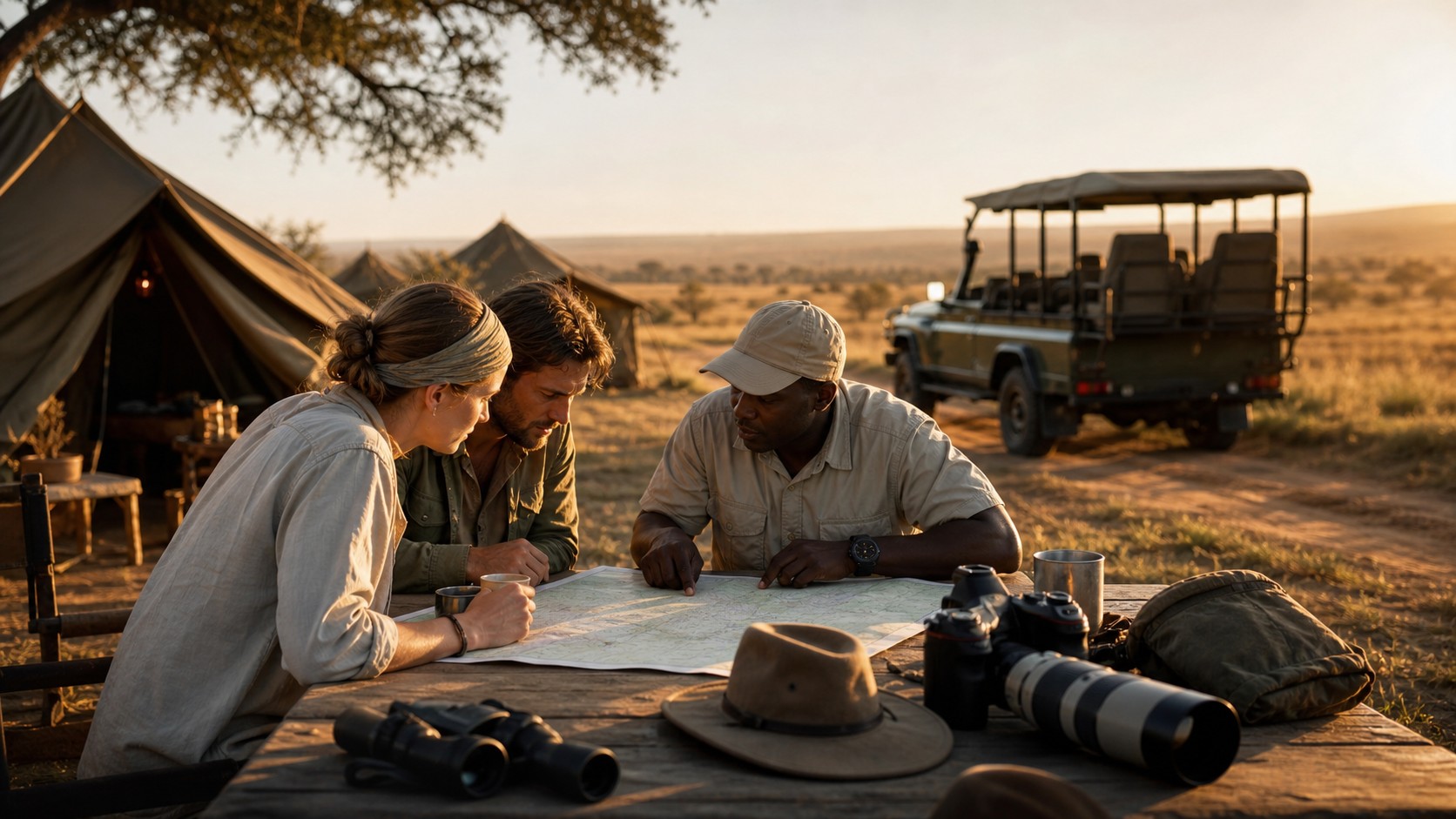
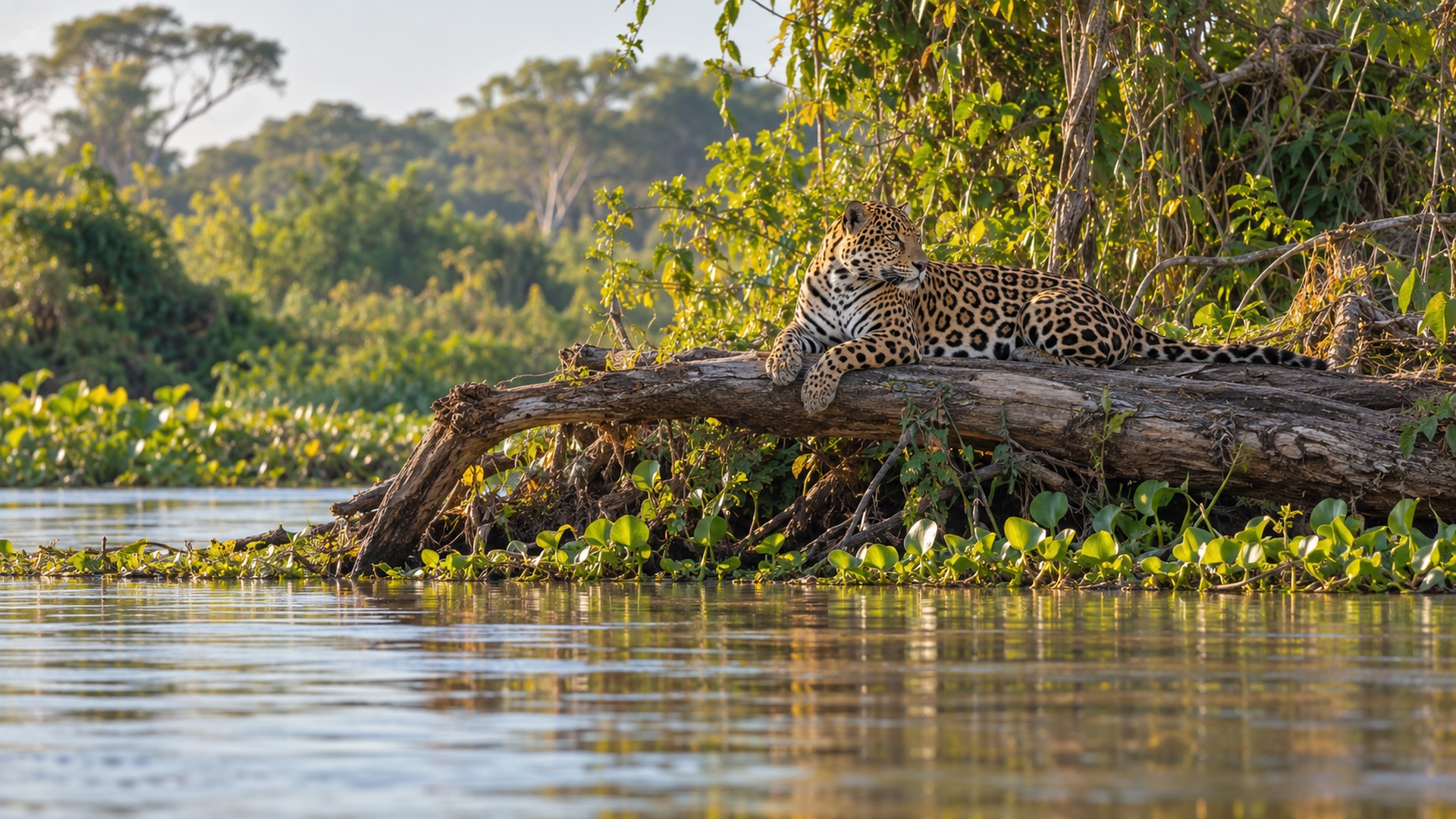
Your first safari may begin in imagination with a lion, an elephant, or a wide landscape glowing in evening light. In practice, the journey also includes early departures, time in a vehicle, attentive observation, meals, rest, and movements between places. Planning those ordinary parts gives the wildlife experience room to unfold without making every day depend on a particular sighting. A useful first safari matches your interests with a suitable environment and clear support, allowing guides and local conditions to shape the encounters rather than treating animals as appointments you can reserve. Start with the kind of experience you want, how independently you hope to travel, and what daily pace will remain enjoyable. Those decisions help turn a broad wish to go on safari into a coherent trip with realistic expectations and practical arrangements you understand before leaving home.
A: Research one region and camp, separate arrival and departure from full days, and compare a few confirmed guided outings before adding another base.
A: It combines wildlife observation with interpretation and support from a guide familiar with the setting.
A: Discuss group size, seating, access needs, photographic expectations, and whether the activity is shared or private.
A: Yes; habitat, behavior, smaller species, and interpretation can provide meaningful observations beyond headline animals.
A: Examine accommodation location, drive format, transfers, meals, fees, and the amount of usable observation time.
A: Consult an appropriately qualified travel-health professional using your actual itinerary and circumstances.
A: Choose familiar equipment suited to your interests; attentive observation does not depend on an expensive unfamiliar kit.
A: Different parks and activities have specific arrangements that affect movement, conduct, and participation.
A: No; select priorities and preserve enough rest to remain interested and observant.
A: It can clarify preferred habitats, pacing, observation interests, and the support that best fits your travel style.
Choose One Manageable Region First
A first itinerary often benefits from one region rather than a series of distant names. Kruger National Park in South Africa provides a concrete example to research: SANParks lists its camps, while its activity information describes guided game drives. Compare a stay using one camp with a two-camp itinerary before looking for additions elsewhere in the country. Identify the nights actually spent in the park, the travel required around them, and the outings included. This is an example of how to organize a first-safari decision, not a claim that Kruger is the best fit for every traveler.
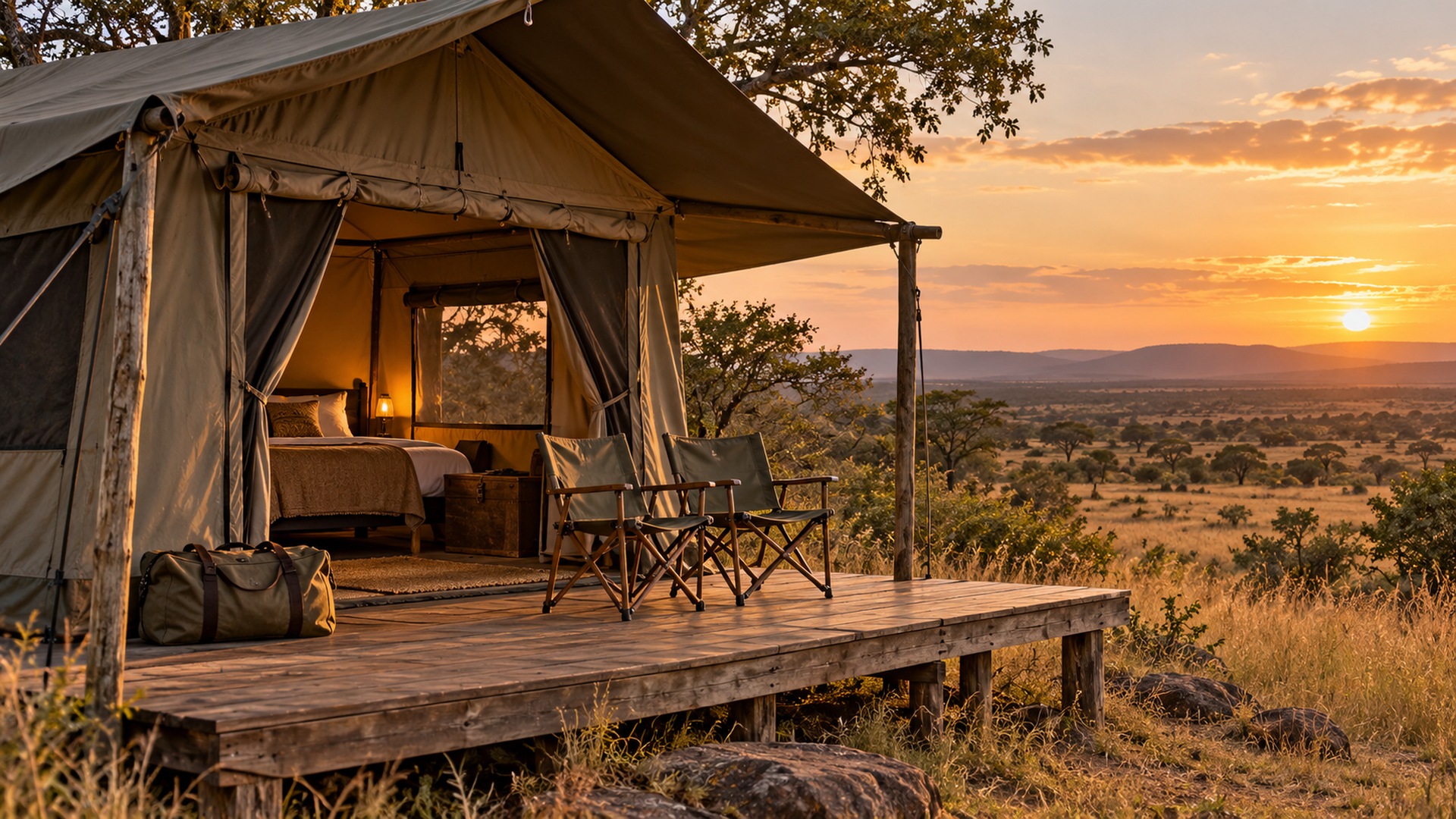
For an illustrative four-night stay, you might reserve the arrival period for reaching camp and settling in, then use the following full days for a small selection of confirmed activities with rest between them. The final morning should follow the departure route rather than an ambitious sighting target. Ask the responsible provider to confirm whether this pattern fits your transfer, accommodation, and available outings. If changing camps, calculate the usable observation time gained as well as the time spent moving. The extra base earns its place only when it serves your interests better than another settled day.
Compare Guided and Independent Formats
Decide how much responsibility you want to take for driving, navigation, booking, and daily decisions. A guided format can provide interpretation and logistical support, while independent travel requires understanding the specific area’s rules and practical arrangements. Neither format should be chosen through a general assumption that one is always more authentic or more adventurous. Explain your experience and priorities to the relevant provider, confirm what is included, and recognize that a first visit may be more enjoyable when its level of independence matches what you actually want to manage during the holiday.
Understand How a Guided Drive Works
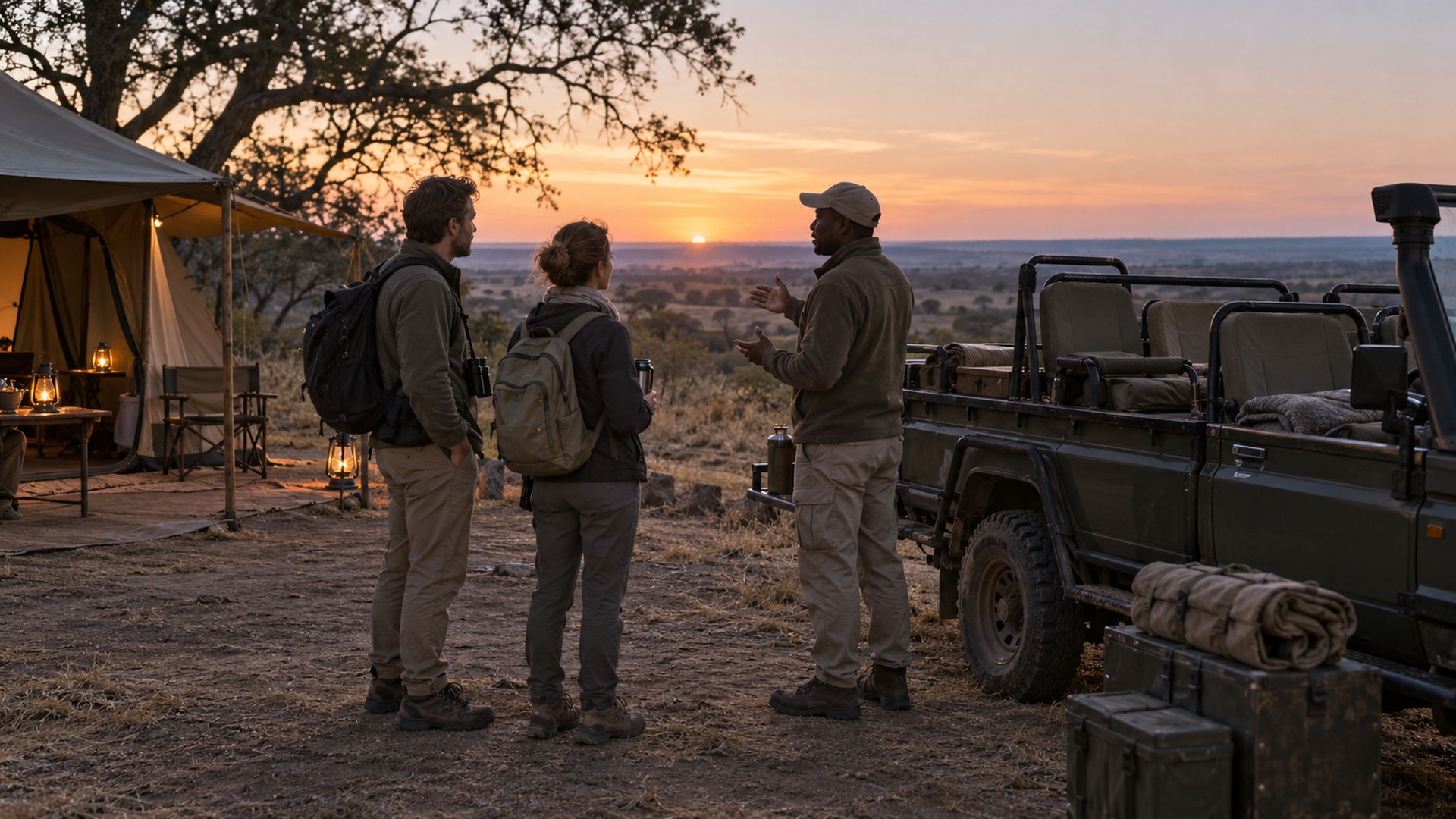
A guided drive is an opportunity to learn how a place functions, including observations that may be less obvious than a large animal beside the road. The guide can help interpret tracks, behavior, habitats, and the relationship between different species. Ask how the drive is organized, how long it usually lasts, and what participant requirements apply. SANParks describes guided drives as wildlife experiences with knowledgeable guides; use the specific park and camp information to confirm the arrangements available for your own stay.
Vehicle arrangements affect the experience too. Discuss the number of participants, seating, access needs, photography expectations, and whether the drive is shared or private. A smaller vehicle group can feel different from a shared activity, but group size alone does not answer every question about attention or suitability. If a particular need matters to you, raise it directly instead of assuming the advertised format automatically accommodates it.
Choose Timing Through Destination-Specific Information
Safari conditions vary by place, travel period, and the experience you want, so investigate the actual region rather than relying on one universal best-season rule. Wildlife movement, vegetation, water, weather, access, and demand can affect different itineraries in different ways. Ask the operator to describe the expected character of your proposed dates and the uncertainties that remain. Compare that explanation with current official park or destination information, and avoid interpreting a seasonal description as a guarantee of particular sightings on your own drive.
Read the Quotation as a Complete Journey
Identify the inclusions behind the advertised price. Accommodation, meals, activities, transfers, entrance or conservation fees where relevant, guide services, and local flights can be arranged differently across packages. Put those details beside the cost so you can compare equivalent experiences. Two safaris with similar names may involve different drive arrangements, travel days, or accommodation locations, and those differences can matter more than a modest change in headline price.
Use one representative day to expose unclear terms before paying the final balance. Establish how you reach the vehicle, whether the drive is shared, which meals are supplied, and what happens during the interval before the next outing. A quotation describing ‘daily safari activities’ should specify the activities actually included, not leave you to imagine a private vehicle and unlimited departures. Keep a separate record of optional outings, drinks, personal spending, and consequential transport changes. Read deposit and cancellation terms, ask how altered arrangements are communicated, and make the answers available to companions. The result should be a journey whose financial responsibilities and daily experience are equally understandable.
Arrange Health Questions Before Departure
Take destination-specific health concerns to an appropriately qualified travel-health professional with enough time before the trip. Explain the actual route, activities, accommodation, dates, and relevant personal circumstances so the advice can fit the journey. Do not use another traveler’s medication or prevention plan as your own instruction. Keep necessary personal medication and relevant information organized according to individualized guidance, and tell the operator about practical needs that affect participation or emergency arrangements without expecting a general booking conversation to replace a medical assessment.
Pack for Observation and the Confirmed Itinerary
Use the operator’s current packing requirements, including any restrictions that affect local transport or luggage. Bring suitable clothing for the anticipated routine, useful personal protection, and equipment you know how to use. Binoculars or a camera may enhance observation if they fit your interests, but the safari should not become dependent on expensive unfamiliar gear. Practice ordinary operation before departure so you can spend more attention watching rather than trying to understand settings during a brief encounter.
Keep frequently needed items organized for a drive. Ask what can be brought aboard, what the provider supplies, and how the activity handles comfort during its normal duration. Avoid overloading the day bag with hypothetical equipment, particularly where luggage space is limited. A familiar, practical setup helps you respond calmly when the guide points out something worth observing, which can be more useful than having every possible accessory within reach.
Respect Rules and the Guide’s Decisions
Follow the rules for the specific park, reserve, camp, and activity, including where movement is permitted and how visitors behave around wildlife. The SANParks rules and regulations demonstrate why travelers should read the guidance relevant to their destination rather than assume a single safari etiquette list covers everything. Listen to the guide and staff, raise uncertainty before acting, and recognize that a close photograph is never a reason to disregard the arrangements that protect wildlife and visitors.
Keep the First Safari Coherent
Review the itinerary as a sequence of complete days. Check that arrival, transfers, drive timing, rest, meals, and departure fit together, with room for ordinary changes. In the illustrative single-region plan, an arrival night is not counted as a full observation day, and an optional second drive is not treated as compulsory. The same approach works with a different region or length of stay: identify what is fixed, what depends on availability or conditions, and what you can comfortably leave open. A first safari can be comparatively simple while still offering a strong sense of discovery.
Set one or two observation intentions that the group can share without turning animals into appointments. You might want to learn how a guide reads tracks or spend more time noticing birds between large-mammal sightings. Tell the guide about those interests, then follow the opportunities and rules of the day.
The purpose is to arrive ready to listen and observe, with the logistics understood well enough that they do not control every conversation. Keep the confirmed plans accessible and unresolved points visible until somebody has answered them. A coherent plan gives curiosity room to develop and lets the setting contribute surprises that no advance checklist can guarantee.