Plan the Winter You Want to Experience
A winter getaway might mean snow, a quiet cabin, or a city with seasonal atmosphere. This guide focuses on cold-weather trips and the practical choices that make their ordinary days enjoyable. If your main aim is escaping winter for a warm coast, begin with destination-specific warm-weather planning instead of treating snow advice as a universal holiday checklist. For a cold-weather stay, daylight, transfers, suitable clothing, operating arrangements, and time indoors matter as much as the scenery. Choose the experience first, then a base that supports it without making every day depend on one weather condition. A compact town stay and an isolated cabin can both be inviting, but they create different responsibilities for meals, transport, and changing plans. The goal is a coherent holiday with a comfortable routine and worthwhile alternatives, giving you time to enjoy the season as it arrives.
A: Decide whether the main purpose is snow activity, a quiet landscape stay, seasonal atmosphere, or a warm-weather escape.
A: No; investigate the destination, dates, operating arrangements, and uncertainty through current information.
A: It affects how outdoor priorities fit within the actual destination and dates.
A: It supports transport, ordinary services, clothing routines, comfortable indoor time, and the activities you chose.
A: Compare driving responsibilities and current requirements with suitable transfers or public transport before choosing.
A: Assess its actual winter access, conditions, and suitability through current local guidance.
A: Check provider advice, supplied items, and suitable borrowing or rental arrangements for the real trip.
A: Plan a shared core with practical options for different outdoor durations and activities.
A: Transport, activities, instruction, clothing or equipment arrangements, meals, and the travel needed to reach the destination.
A: Keep meaningful alternatives connected to the trip’s purpose and a base whose comfort contributes to the holiday.
Choose the Dates Through the Actual Experience
Look at the destination’s seasonal information and the operating periods of the experiences that matter to you. A booking date in winter does not automatically establish snow conditions or the availability of every activity in a promotional gallery. Ask providers what your proposed dates typically mean, what remains uncertain, and which alternatives they use when conditions differ. Choose through that explanation rather than a promise you inferred from a photograph.
Daylight deserves a place in the comparison, particularly if the trip’s main interest is outdoor exploration. Check the actual destination and dates, then plan the daily rhythm accordingly. Visit Finland’s winter information introduces the character of the darker season, illustrating why the timing and kind of experience matter alongside scenery. Do not use a generalized number of daylight hours for an entire country or assume one month works identically across different regions.
Compare demand and operating schedules without relying on a broad claim that one week is always cheaper or quieter. Ask for current prices and availability, then inspect the total arrangements for your group. A different date may improve the budget, but it can also affect the activity or atmosphere you wanted. The choice becomes clearer when the tradeoff is explained rather than hidden behind the idea of an ideal universal winter week.
Choose a Base With a Workable Arrival
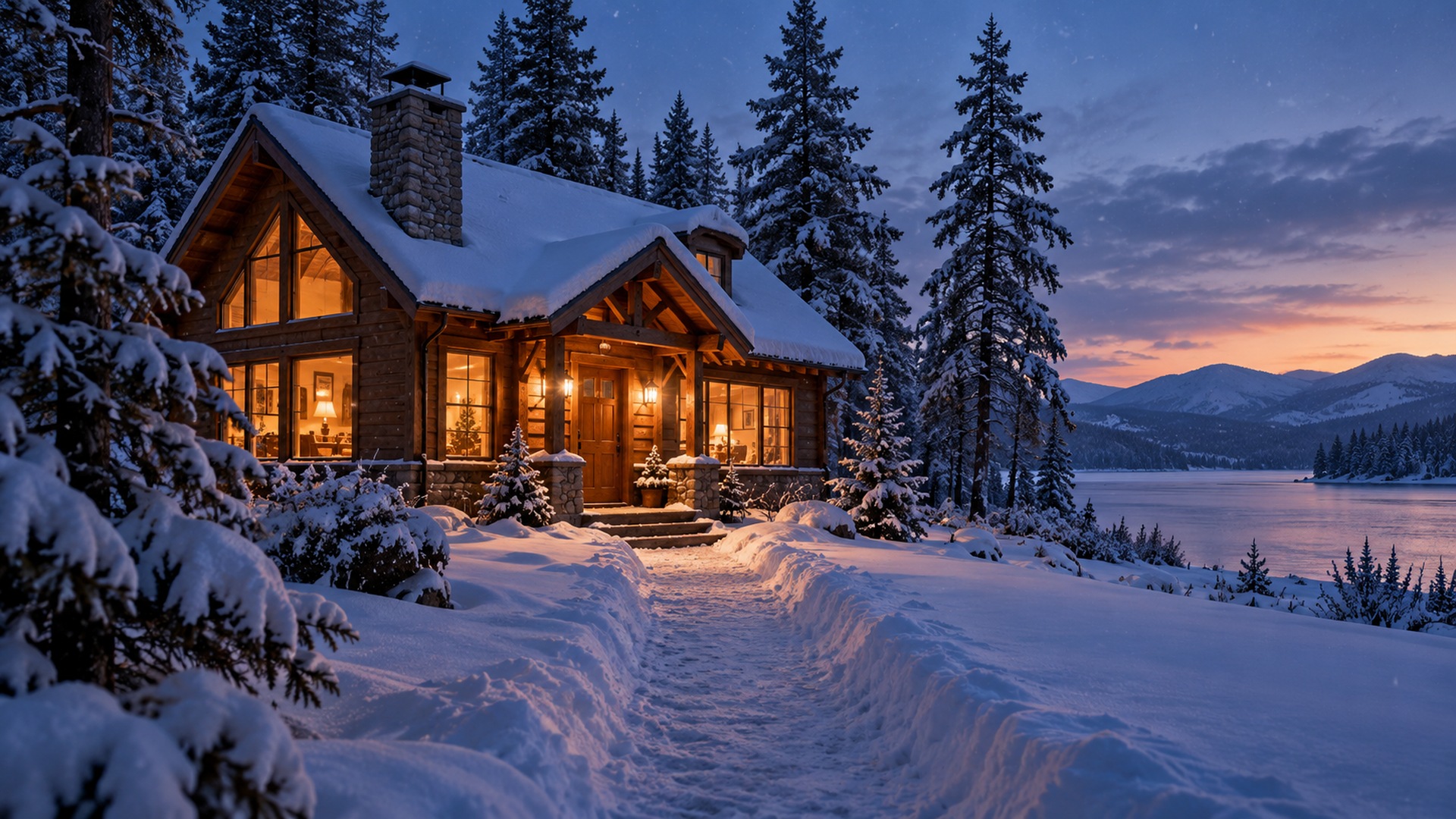
Compare a town-center room with a remote cabin through a sample day. In the town version, breakfast, a short guided outing, lunch, and an indoor afternoon might work without using a car between each stage. At the cabin, those same pleasures may depend on groceries, cooking, access-road conditions, and a return transfer you arrange yourself. These are illustrative formats, not claims about every town or cabin. Write the actual route from bed to meals and the chosen activity for each candidate, then decide which routine feels like the holiday you want. A quieter property earns its remoteness when staying there is part of the attraction, while a serviced base earns convenience when you want independent choices.
Trace the arrival journey from the airport or station to the accommodation, including the final segment. Winter travel can involve bulky bags and unfamiliar conditions, so verify what transport is available at your actual arrival time. Ask how a delay affects the connection and who communicates a change. A destination may be easy to reach in general while a particular late arrival creates a less convenient or more expensive final journey.
Decide Whether Driving Fits Your Winter Trip
A car can provide flexibility, but it also adds responsibilities that should suit the route, conditions, vehicle, and driver. Compare it with available transfers or public transport before making it automatic. The NHTSA winter-driving guidance covers vehicle preparation and driving considerations for winter weather. Use relevant local road information and requirements for the destination you choose, and obtain appropriate guidance when you are unfamiliar with the expected driving conditions.
For a rental, confirm equipment, permitted use, assistance arrangements, and the requirements applicable to the planned route. Ask the provider to explain anything the itinerary depends on rather than assume the booking supplies it. Check current conditions before a drive and allow the plan to change when needed. A winter getaway should not rely on a driver accepting a route they do not feel prepared to manage simply because the accommodation is already booked.
Consider the entire daily transport pattern. A remote room may require repeated trips for food or activities, while a more connected base may reduce the need to drive. Compare convenience through the actual places you plan to use rather than the property’s distance from one headline attraction alone. The best transport choice supports the holiday without consuming more attention than you want to devote to movement.
Select Activities Through Real Participation Requirements
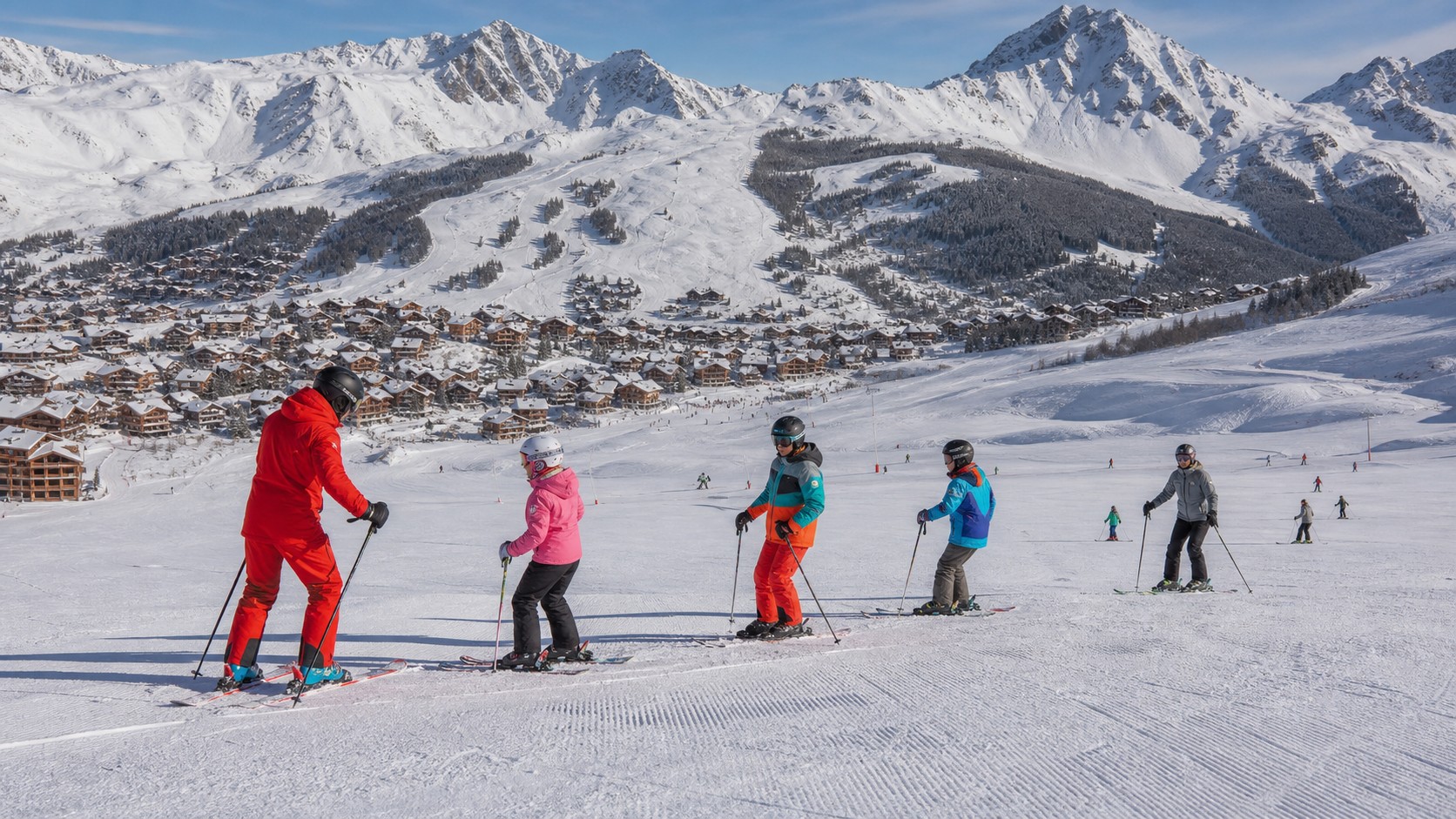
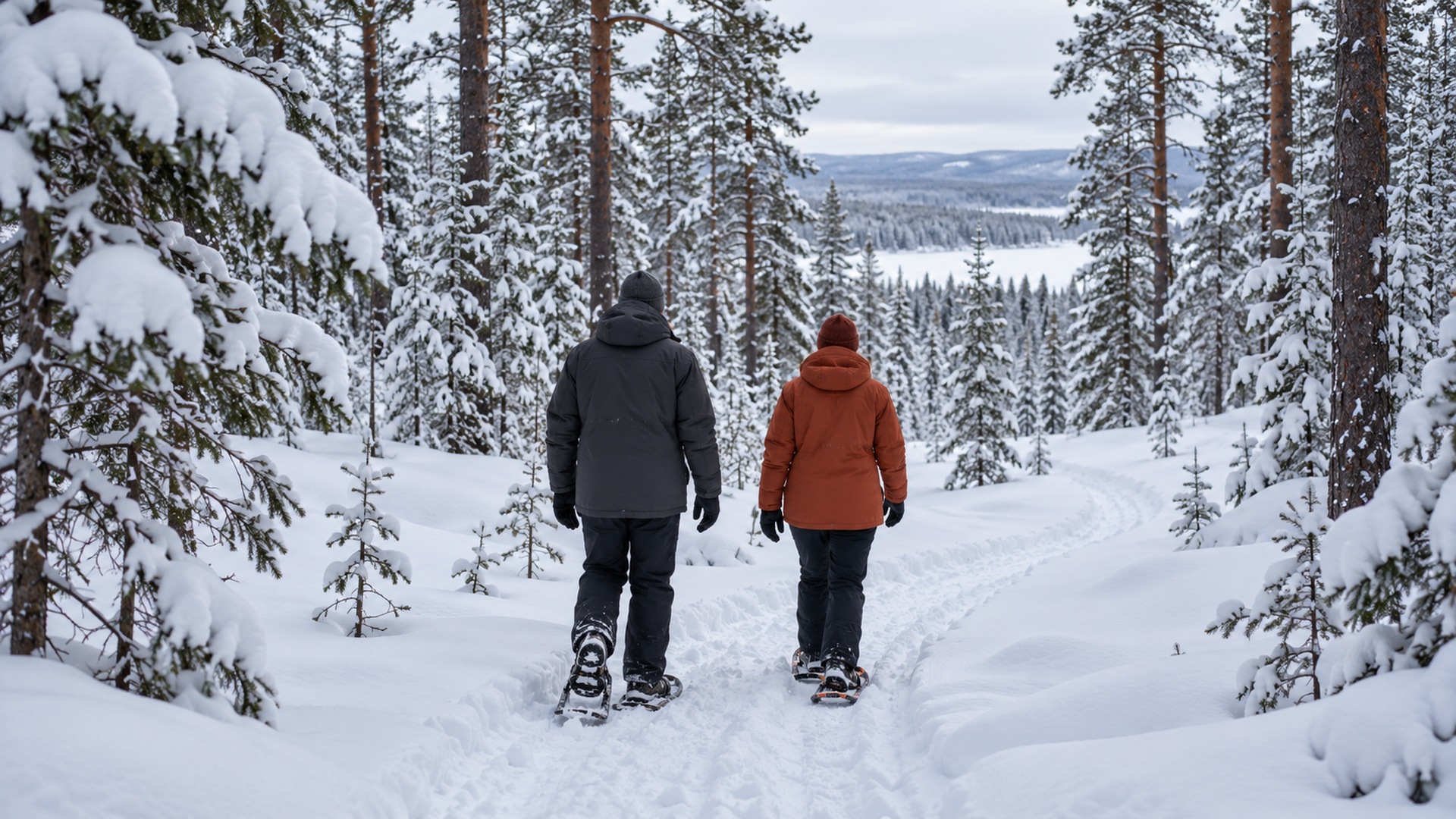
Choose a manageable number of priorities and research each through its current provider or responsible destination manager. Skiing, snowshoeing, winter walking, and other experiences do not share one universal preparation standard. Ask about the actual route, level, instruction, equipment, and conditions for the specific booking. Switzerland Tourism’s winter overview shows different activity directions, while the chosen experience still needs its own practical assessment.
If you are learning, arrange appropriate instruction and equipment through suitable professionals. A destination’s snow-sport reputation does not establish that every advertised activity fits a newcomer. Explain relevant experience and ask which format matches it. Keep the learning day spacious enough that the group can listen, practice, and return comfortably rather than rush between a lesson and several unrelated commitments.
Prepare Clothing for the Place and the Day
Ask the accommodation or activity provider about the clothing appropriate to the destination, dates, and planned time outdoors. Visit Finland’s winter clothing guidance discusses dressing for conditions and the possibility of rental options. Consider whether you will be active, waiting, or spending longer periods relatively still, since those are different practical uses. Use specific provider advice rather than assume the winter clothing you wear for a brief commute at home meets every holiday need.
Give Each Day a Warm and Manageable Rhythm
Imagine a modest snow-focused day: an unhurried breakfast, equipment fitting, one confirmed morning lesson or guided outing, lunch, and a warm interval before deciding whether to go outside again. Leave the afternoon flexible rather than assigning another demanding booking automatically. This is a pattern to adapt around the provider’s schedule, daylight, conditions, and your group’s energy, not a universal winter timetable. If the morning activity changes, a nearby museum, a comfortable shared room, or an appealing meal should still make the day worthwhile. Test those alternatives against the actual base instead of listing possibilities that require another long journey.
Make room for different responses to the season. Some companions will want longer outdoor periods, while others enjoy the scenery in smaller portions. Discuss those preferences and identify ways the group can split activities and reconnect if practical. A shared winter getaway can remain coherent through common meals or evening time without requiring everyone to follow the same outdoor schedule.
Keep Alternatives That Still Feel Like the Holiday
Select a few indoor or less condition-dependent experiences that genuinely interest you. A cultural visit, time in a town, a relaxed meal, or a quiet day at a comfortable base can support the trip’s purpose when the main outing changes. Check operating hours and reservation needs rather than assume an alternative is available whenever required. The backup should preserve some of what you wanted from the season, instead of feel like an unrelated way to fill hours.
Budget the Winter Arrangements as a Whole
Add accommodation, transport, activities, instruction where relevant, equipment or clothing arrangements, meals, and travel to reach the destination. Clarify what each package includes and whether its terms permit the changes you may need. A room price alone can be misleading if the location requires repeated transfers or a key activity needs separate rental and teaching costs. Compare complete arrangements for the actual group rather than sample prices based on another travel style.
Retain a practical allowance for ordinary uncertainty and personal choices, while identifying major costs clearly before departure. Check relevant insurance for the exact activities and circumstances through the insurer’s information. If the route or bookings change, revisit the complete total and schedule together. A useful budget supports the winter experience you chose without relying on an optimistic assumption that all omitted details will be inexpensive.
Make the Getaway Flexible Without Losing Its Purpose
A perfect winter getaway can be quiet, active, atmospheric, or restorative, depending on why you chose it. Its success comes from matching the season with your interests and supporting those interests through practical arrangements. Choose a base you enjoy returning to, give the days a manageable rhythm, and let the environment shape the experience within appropriate guidance. The resulting holiday can remain satisfying even when conditions change, because its value rests on a complete journey you planned to enjoy.