Prepare for the Ordinary Mountain Day First
Picture the middle of an expedition rather than its most spectacular moment. You have already walked for several hours, your pack is less comfortable than it was at breakfast, a layer needs changing, and tomorrow includes another substantial day. Preparing for that ordinary sequence is more useful than imagining the energy you will somehow find near a summit. Your first mountain expedition asks you to combine movement, recovery, equipment familiarity, and practical judgment over time, often in surroundings that make simple tasks slower. Training should help those pieces work together before departure. The aim is a dependable foundation suited to the itinerary you have chosen, not a last-minute transformation into an elite athlete. When practice resembles the real demands of the journey, you can discover weak points early, ask better questions, and arrive with confidence based on experience rather than on optimism alone.
A: Use suitable local terrain to practice sustained movement, load management, and routines, then arrange specific instruction for skills your itinerary requires.
A: Practice toward the realistic expedition load; unnecessary weight can distract from movement quality and recovery.
A: Observe suitable successive walking days and discuss persistent difficulty with the leader or an appropriate professional.
A: Running may support conditioning, but it does not rehearse footwear, loaded walking, descents, or camp routines.
A: Look for practical issues with setup, sleeping comfort, organization, and the tasks assigned to you.
A: No guarantee follows from fitness; altitude planning and personal health advice remain separate considerations.
A: Communicate early, while further instruction, equipment changes, or a different objective can still be considered.
A: Arrange appropriate hands-on instruction with qualified professionals rather than improvising from written descriptions.
A: Prioritize familiar routines and rest; avoid a sudden workload increase intended to recover missed preparation.
A: Stay observant and willing to learn, using the expedition to improve judgment and understand your next development needs.
Translate the Itinerary Into Preparation Tasks
Start by asking the operator for practical details about the daily workload. Distance alone is insufficient: elevation gain, descent, surfaces, expected pack weight, overnight conditions, and consecutive walking days all influence preparation. Write down which demands are familiar and which are new, then use that comparison to choose what deserves attention. If you have completed long day walks but never carried overnight equipment, your preparation should address load management and camp routines instead of assuming that another long walk will answer every question.
Create a Routine You Can Sustain
Build preparation around milestones you can observe rather than a universal training calendar. First, complete a familiar walk with the intended footwear and a manageable pack, noting where fit, pacing, and access to clothing cause problems. Repeat a similar outing after addressing those problems so you can tell whether the adjustment helped. This starting point provides evidence about your equipment and routine without requiring a dramatic increase in effort.
Next, introduce one demand relevant to the expedition: a longer outing, more representative terrain, or the realistic load confirmed by the leader. Avoid increasing all three at once, because a difficult result would leave you unsure which change caused the problem. When appropriate to your experience and recovery, practice successive days and record how the second morning feels. Keep the sequence adaptable; it is an illustration of preparation logic, not an exercise prescription or a timetable everyone should follow.
Bring the observations back to the itinerary. A simple log can record the route, carried load, conditions, footwear response, sustainable pace, and recovery the following day. Share an unresolved limitation with the leader while there is time to choose further instruction, revise responsibilities, or select a different objective. Health concerns, injury history, persistent pain, and uncertainty about appropriate exercise need individualized professional guidance. The milestone is not enduring the hardest rehearsal; it is reaching a clear, honest understanding of the work you can repeat.
Practice Both Uphill and Downhill Movement
Find accessible terrain where you can practice sustained climbing at a pace that remains controlled. A local hill, a sequence of modest rises, or another appropriate walking environment can help you learn how effort changes with gradient. Pay attention to pacing, breathing, footwear, and whether you can manage layers without turning every stop into a long break. The useful lesson is how to move steadily while preserving attention, not how quickly you can finish one training session when the next day is free.
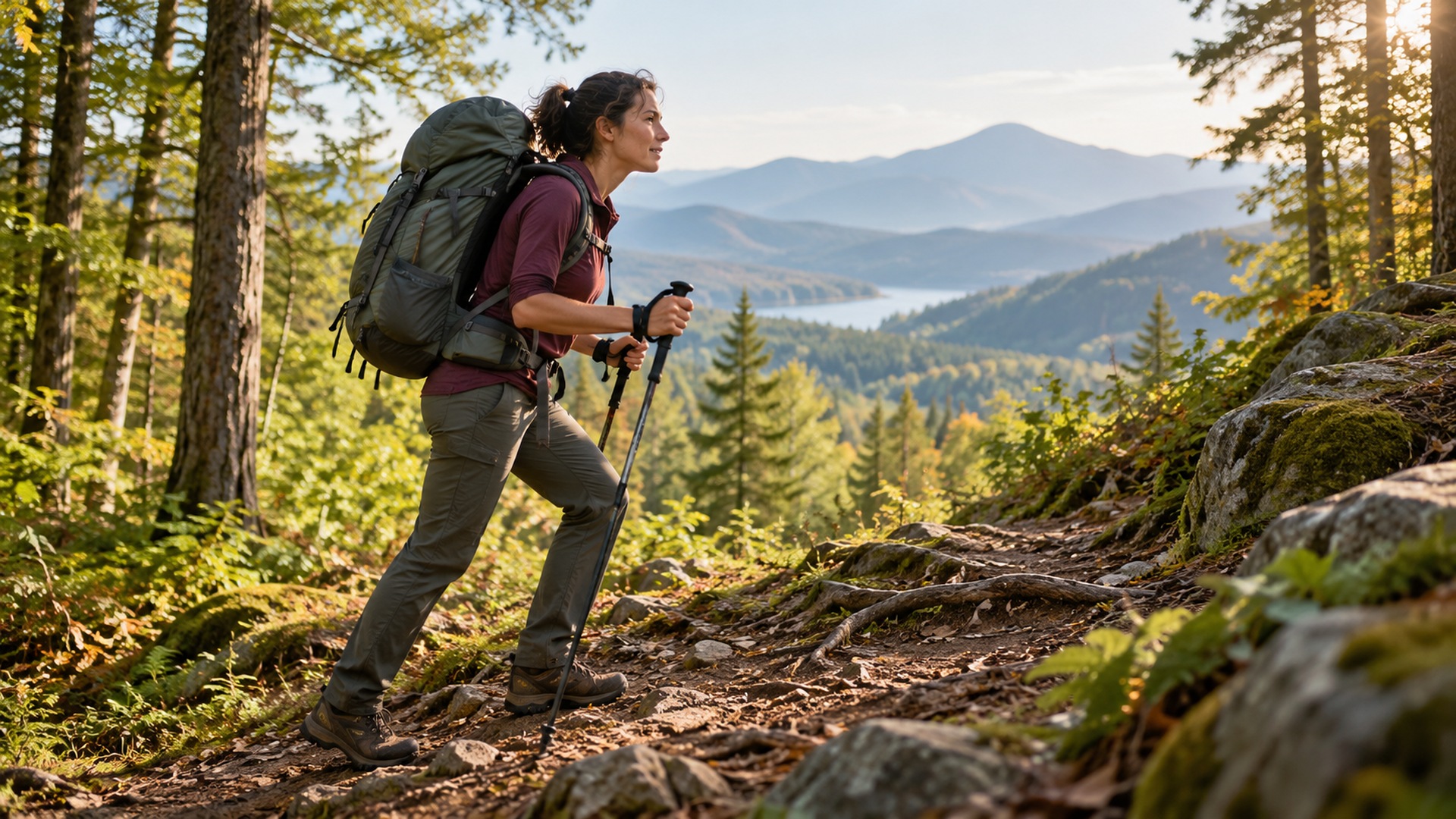
Descending is part of the expedition workload even when the itinerary describes its main challenge as an ascent. Practice controlled downhill movement on terrain suited to your ability, concentrating on footing and a pace that does not force hurried steps. Notice how the shoes fit when your feet move forward and how fatigue changes your balance. If trekking poles are appropriate to your route, learn to use them during practice rather than introducing them in a difficult setting, and remember that equipment cannot make unsuitable terrain or excessive fatigue disappear.
Introduce the Pack Gradually
Use the pack you expect to carry and learn how its adjustment changes comfort. Start with a manageable load and suitable terrain, then work toward the operator’s realistic expectation without inventing extra weight to make the preparation look serious. Secure items so they do not shift, and practice reaching frequently used gear without dismantling the whole bag. A well-organized lighter load often teaches more than an unnecessarily heavy pack that makes you shorten the walk or ignore the quality of your movement.
Practice Clothing Decisions Outside
Take the layers intended for the trip into the conditions you can safely encounter near home. Learn which combination keeps you comfortable while moving and which additional layer works during a stop. Check that zips, cuffs, and pockets are usable with the other equipment you will wear. Clothing that seems ideal in a shop may restrict movement, make a pack uncomfortable, or be difficult to access when it sits beneath another layer, and those problems are easier to resolve before departure.
Practice changing layers before discomfort becomes severe. The relevant habit is noticing a change in effort or weather and responding early enough to remain comfortable, rather than memorizing one perfect outfit. Keep essential protection accessible and learn how to store a damp item without soaking everything around it. This rehearsal is especially valuable for beginners because it connects equipment choices to the experience of a real walking day instead of treating clothing as a collection of independent purchases.
Rehearse the Overnight Routine
If the expedition uses camps, try the relevant sleeping and shelter arrangements in a suitable accessible setting before the remote journey. Learn what setup is your responsibility, how personal belongings stay organized, and what you need within reach during the night. Test the sleeping system under appropriate conditions without deliberately exposing yourself to unsafe weather. A rehearsal can reveal an awkward mattress, an unfamiliar closure, or a missing personal item while you still have time to ask the operator whether a change is needed.
Acquire Field Skills Through Suitable Instruction
Preparation includes knowing what you should learn under supervision. Navigation, emergency response, and technical mountain techniques can require hands-on instruction appropriate to the terrain and your role within the group. Ask the operator which subjects matter for your itinerary, then choose instruction that provides practice and feedback rather than relying entirely on descriptions. A short explanation can introduce a concept, but it cannot show whether you can apply it reliably when conditions, equipment, and other people complicate the task.
Make the boundaries of your competence explicit. You may learn enough to understand the leader’s directions without becoming qualified to lead others or travel independently on similar terrain. That is a useful and realistic outcome for a first expedition. The UIAA’s expedition preparation material places preparation within a broader set of mountain skills; use it to inform questions about learning needs, while arranging practical instruction for techniques that cannot responsibly be mastered through reading alone.
Plan for Altitude Separately From Fitness
Keep altitude planning distinct from your exercise routine. Fitness is valuable for the workload but does not guarantee how you will feel during an ascent, and you should not interpret a strong training performance as permission to compress the itinerary. Discuss the sleeping schedule, adaptation opportunities, and response to illness with the leader, and take relevant health questions to a qualified clinician. The UIAA medical guidance offers subjects to discuss, but an article cannot assess your personal situation or prescribe a treatment plan for your expedition.
Use a Full Rehearsal to Review Readiness
Before departure, arrange an appropriate rehearsal that combines several ordinary tasks: walking with the intended pack, managing layers, eating during the day, using relevant equipment, and recovering afterward. Keep the setting and objective within your current ability, because the point is to observe the system working together. Notice where attention is consumed by avoidable problems, then change one thing at a time and try again when useful. The rehearsal should provide evidence for practical decisions, not a dramatic story about how much discomfort you endured.
Share what you learned with the leader while there is still time to act. Explain an unresolved equipment issue, a slower sustainable pace, a concern about consecutive days, or a technical skill that needs more practice. An earlier adjustment may involve a different load arrangement, further instruction, a modified objective, or postponement if necessary. Honest communication makes the expedition plan more accurate, and it is a meaningful part of preparation rather than an admission that you have failed.
Arrive Rested and Ready to Keep Learning
Your first expedition will still teach you things that practice at home cannot reproduce. That is part of the appeal, and preparation should create room for learning instead of promising that every moment will feel easy. Treat each day as information about pacing, equipment, judgment, and the environments you enjoy. A traveler who returns with a clearer understanding of those subjects has gained more than a completed itinerary; they have developed a useful basis for choosing and preparing the next mountain journey.