

Mountain expeditions are where human ambition, raw nature, and pure adrenaline collide. This corner of Trip Havens celebrates the world’s loftiest peaks, most remote trails, and the unforgettable journeys that unfold far above the clouds. Whether you dream of conquering iconic summits, trekking through rugged alpine valleys, or simply feeling the thin, crisp air of high-altitude wilderness, this is where every ascent begins. Mountain travel isn’t just about reaching the top; it’s about pushing limits, embracing unpredictable terrain, and discovering a deeper connection with the natural world. From ice-laced ridgelines and ancient glaciers to sunlit passes carved by centuries of wind, each expedition offers its own story—one told in footprints, frost, and breathtaking panoramas. Here, you’ll find expert guides, gear insights, route breakdowns, safety tips, and inspiring accounts from climbers and trekkers who’ve stood on the planet’s most legendary heights. Whether you’re a seasoned mountaineer or a curious newcomer ready for your first trek, prepare to explore the extraordinary vertical frontier that calls adventurers from every corner of the world.
A: You should comfortably handle several hours of uphill hiking with a pack; build up gradually with local trails and stair training.
A: For technical terrain, glaciers, or remote regions, a local guide adds safety, knowledge, and route confidence.
A: Research local weather patterns, snowpack, and trail access; shoulder seasons can be quieter but more variable.
A: Bring layers: moisture-wicking base, insulating mid layers, waterproof shell, warm hat and gloves, and dry backup socks.
A: Solo travel increases risk. If you go, choose well-marked routes, share your plan, carry emergency gear, and stay within your limits.
A: Many hikers aim for around 2–3 liters per day, more in heat or at altitude; use streams and filters where available.
A: Be ready to turn back, seek lower, safer ground, add layers, and wait out storms rather than pushing toward the summit.
A: Follow Leave No Trace: stay on durable surfaces, pack out all waste, avoid disturbing wildlife, and respect local rules.
A: Look for routes rated as non-technical but strenuous, with good trail information, clear navigation, and nearby support or services.
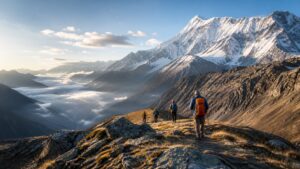
Best Mountain Expeditions in the World for Every Skill Level
A skill-level guide to mountain expeditions around the world, from guided hut treks and high passes to serious alpine objectives.
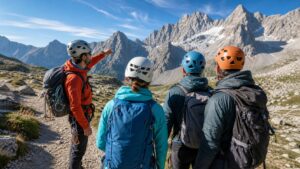
Ultimate Beginner’s Guide to Mountain Climbing
A beginner-friendly guide to mountain climbing, covering fitness, skills, gear, altitude, guides, safety, and choosing a first objective.
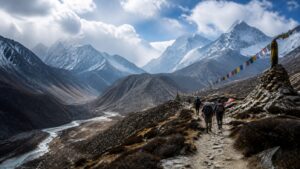
World’s Most Famous Mountain Treks You Must Experience
A guide to the world’s most famous mountain treks, with practical advice on route style, difficulty, season, crowds, and responsible planning.