

Road Trips & Overland Routes is where the freedom of the open road meets the thrill of discovering what lies beyond the next bend. As a vibrant sub-category of Trip Havens, this space celebrates journeys defined not by destinations, but by everything in between—the sweeping coastlines, winding mountain passes, desert highways, quiet backroads, and hidden gems that turn a simple drive into an unforgettable adventure. Whether you crave long-haul cross-country odysseys, scenic loops through national parks, or rugged overland treks in remote terrain, this is your launch point into the art of exploration on wheels. Here, you’ll find expertly crafted guides, route breakdowns, vehicle tips, packing insights, safety essentials, and stories from travelers who’ve embraced the joy of slow travel and the magic of landscapes unfolding mile by mile. For road warriors, weekend wanderers, and overland dreamers alike, this category fuels the wanderlust that starts with a spark, grows with each mile, and never truly ends.
A: Many drivers aim for 4–6 hours of driving, leaving time for stops and exploration; adjust for terrain, daylight, and your stamina.
A: Not always; many classic routes are passable in standard vehicles, but rough, sandy, or muddy tracks may require high clearance and 4x4.
A: Drive at steady speeds, avoid heavy idling, keep tires properly inflated, and plan routes that minimize unnecessary detours.
A: Switch drivers when possible, stop regularly to stretch, stay hydrated, and avoid driving late when you’re already tired.
A: Mix booked accommodations with flexible options like campgrounds, RV parks, and small-town motels along your route.
A: In many regions it’s fine if you’re in designated areas, campgrounds, or legal overnight spots—always follow local rules and trust your instincts.
A: Stay with your vehicle, use emergency signals, conserve battery, and call for roadside assistance or local help if you have signal.
A: Download offline maps, share your itinerary ahead of time, and update friends or family whenever you hit coverage.
A: Pack for layers and versatility, not volume—focus on comfort, weather readiness, basic tools, and essentials over extra outfits.
A: Stick to established tracks, pack out all trash, respect private land and closures, and follow Leave No Trace principles at camps and stops.
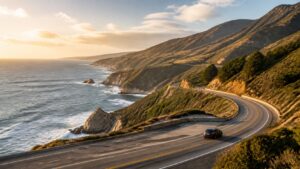
Best Road Trips in the World for Every Traveler
A guide to the world’s best road trips, from coastal drives and mountain passes to desert routes, island loops, wine roads, wildlife roads, and classic highways.
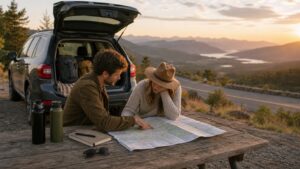
Ultimate Guide to Planning the Perfect Road Trip
A practical guide to planning a better road trip, including route design, daily mileage, lodging, budgeting, packing, navigation, safety, food, and flexibility.
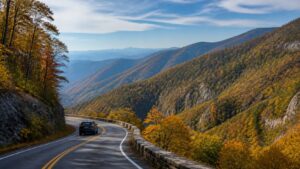
Best Scenic Drives in the United States
A guide to the best scenic drives in the United States, including mountain parkways, coastal highways, desert roads, national park drives, and historic routes.