
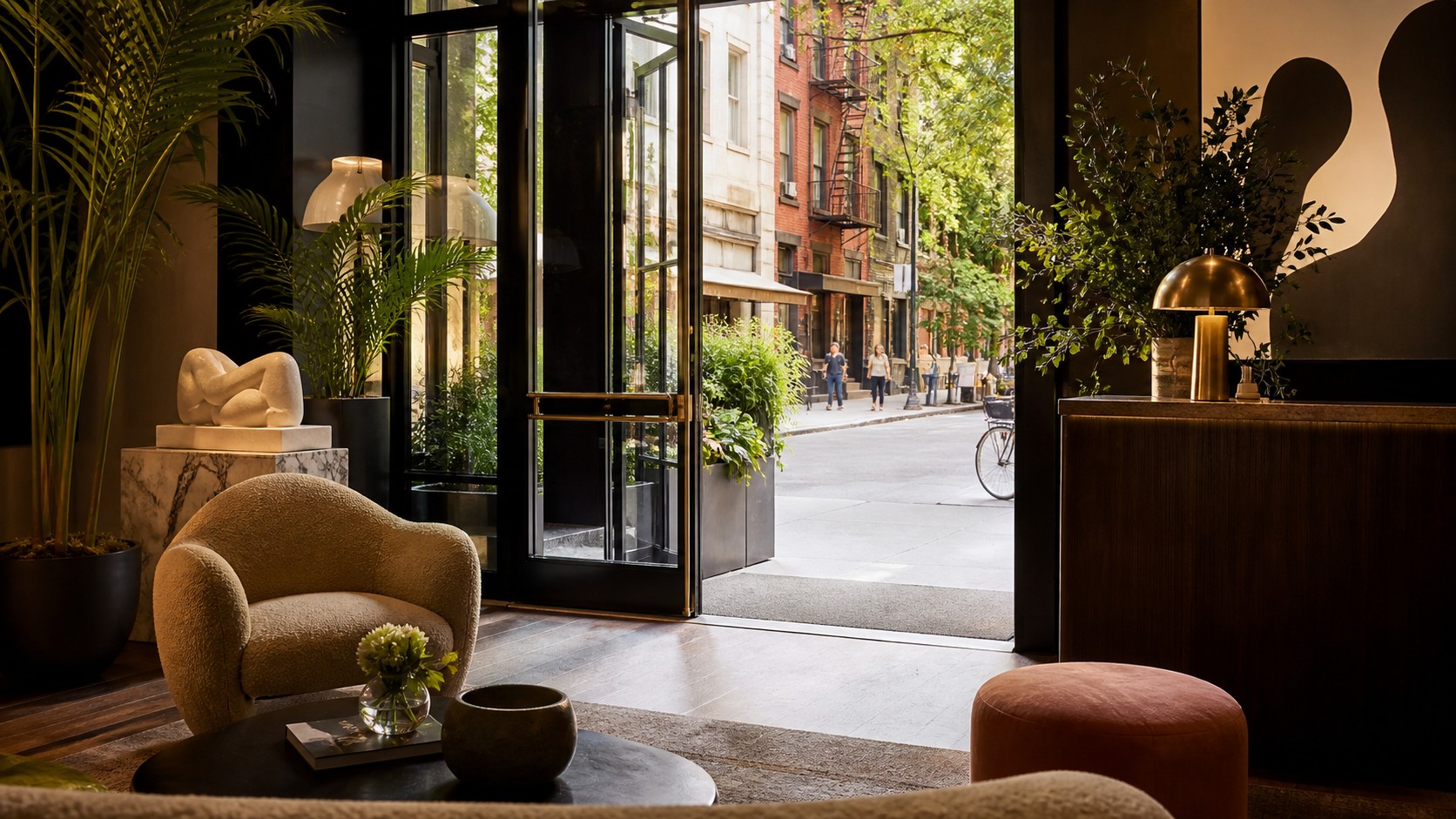
Why Boutique Hotels Make Big Cities Feel Personal
Boutique hotels can change the way travelers experience major cities. Instead of making a guest feel like one more person moving through a large anonymous property, the best boutique hotels create a more intimate relationship with the neighborhood, building, design, staff, and daily rhythm outside the door. In a major city, that intimacy matters. A small lobby, thoughtful room, local breakfast, quiet bar, restored townhouse, converted warehouse, or art-filled corridor can make a huge destination feel knowable. The best boutique hotels in major cities around the world offer style without distance and personality without sacrificing comfort.
A: A boutique hotel usually has a smaller scale, distinct design, local personality, and a strong sense of place.
A: No. Some are luxurious, while others are stylish, intimate, or locally focused without full luxury services.
A: Noise, room size, elevators, staffing, breakfast, bathroom layout, and recent guest reviews matter most.
A: Yes, especially when they offer atmosphere, privacy, walkable dining, and memorable design.
A: Sometimes, but families should confirm room layouts, extra beds, elevators, and practical services.
A: Usually yes, because a beautiful hotel in the wrong area can make the trip harder.
A: They can be excellent when the neighborhood feels comfortable and the staff is helpful.
A: Some do, but others rely on nearby cafes and restaurants as part of the neighborhood experience.
A: Avoid one when you need extensive amenities that the property does not clearly provide.
A: Choose boutique when personality, neighborhood connection, and memorable details matter most.
What Defines a Great Boutique City Hotel
A boutique hotel is not simply a small hotel with attractive furniture. The best examples have a clear point of view. They understand their building, neighborhood, guests, and mood. Every detail should feel chosen rather than generic: lighting, materials, scent, artwork, breakfast, staff tone, room layout, and public spaces all contribute to the story.
In major cities, boutique hotels succeed when they balance individuality with practical ease. Travelers still need quiet rooms, good beds, reliable service, useful storage, and a location that supports the itinerary. Personality is wonderful, but it cannot replace sleep quality or basic comfort.
Paris and London for Townhouse Elegance
Paris and London are natural homes for boutique hotels because both cities are full of historic buildings, residential streets, and neighborhoods with strong identities. In Paris, a small hotel in the Marais, Saint-Germain, South Pigalle, or near the Canal Saint-Martin can feel like a private key to the city. In London, townhouse hotels in Marylebone, Bloomsbury, Notting Hill, Chelsea, or Shoreditch can make the city feel less formal and more lived in.
The appeal is scale. A boutique property may not have the grand ceremony of a palace hotel, but it can offer warmth, local texture, and a sense of returning somewhere familiar each night. For travelers who want elegance without spectacle, these cities offer some of the world’s most satisfying boutique stays.
New York for Design-Driven Neighborhood Stays
New York boutique hotels work best when they express the neighborhood around them. A downtown hotel may feel artistic and nocturnal, a Brooklyn property may feel residential and creative, and an uptown townhouse may offer calm near museums and parks. The city is too varied for one hotel style to fit every traveler, which is why boutique choices can be so rewarding.
Location matters intensely in New York. A boutique hotel should place guests near the version of the city they actually want: galleries, restaurants, theater, shopping, parks, nightlife, or quiet brownstone streets. The best properties become part of the daily route rather than an address that must be escaped each morning.
Tokyo and Seoul for Compact Design Intelligence
Tokyo and Seoul show how boutique hotels can thrive in dense, design-conscious cities. Rooms may be compact, but the best properties use space intelligently through storage, lighting, bathing areas, materials, and calm public zones. These hotels often feel precise rather than lavish, giving travelers a composed base in cities full of movement.
The neighborhood connection is especially important. A boutique stay in Tokyo might highlight cafes, small bars, gardens, or local shopping streets. In Seoul, a design-forward hotel can connect guests to galleries, bakeries, fashion districts, and nightlife. The pleasure comes from feeling close to contemporary city life without being swallowed by it.
Mexico City and Buenos Aires for Creative Character
Mexico City and Buenos Aires offer boutique hotels with strong artistic and residential personalities. In Mexico City, properties in Roma, Condesa, Juarez, Polanco, or Coyoacan often use courtyards, local art, textured materials, and food culture to create a grounded sense of place. Buenos Aires boutique hotels may draw from Belle Epoque buildings, bookish cafes, leafy streets, tango-era romance, or modern design.
These cities reward hotels that feel rooted rather than imported. A traveler should sense the neighborhood through breakfast, staff recommendations, architecture, and the view from the door. Boutique hotels work beautifully here because the cities themselves are layered, creative, and emotionally expressive.
Rome, Lisbon, and Barcelona for Historic Buildings with Modern Ease
Rome, Lisbon, and Barcelona are filled with older buildings that can become memorable boutique hotels when restored carefully. A small Roman palazzo, a Lisbon townhouse, or a Barcelona modernist building can give the guest a physical connection to the city’s history. The challenge is making old structures comfortable enough for modern travel.
Travelers should check elevators, room size, soundproofing, air conditioning, and bathroom layouts before booking. Historic charm is wonderful, but it should not become inconvenience disguised as authenticity. The best boutique hotels in these cities preserve character while quietly solving practical problems.
Amsterdam and Copenhagen for Calm Style
Amsterdam and Copenhagen excel at boutique hotels that feel understated, livable, and design-aware. Amsterdam’s canal houses, converted buildings, and residential streets create intimate stays with water, bikes, and museums nearby. Copenhagen’s boutique scene often emphasizes materials, furniture, food, lighting, and a calm sense of everyday beauty.
These cities suit travelers who do not need dramatic hotel gestures. A quiet breakfast, a well-designed chair, a courtyard, a canal view, or a lobby that feels like a local living room can be enough. Boutique luxury here is often subtle, which makes it easy to appreciate over several days.
Istanbul and Marrakech for Courtyard Hospitality
In cities with strong courtyard traditions, boutique hotels can feel like sanctuaries. Istanbul’s smaller properties may use terraces, historic houses, hammam references, and neighborhood views to create a layered stay. Marrakech riads are perhaps the clearest example of boutique intimacy, with rooms arranged around courtyards, fountains, tiles, gardens, and rooftops.
These hotels are most rewarding when travelers want atmosphere and retreat. Busy streets can give way to quiet interiors in seconds, making the property part of the emotional rhythm of the trip. The best courtyard hotels do not isolate guests from the city; they help them recover enough to return to it with attention.
What Boutique Hotels Do Better Than Big Hotels
Boutique hotels often excel at memory. Guests may remember the breakfast room, the front desk conversation, the scent of the lobby, the staircase, the neighborhood bar, or the way evening light enters the room. Larger hotels can be impressive, but boutique hotels can feel specific. That specificity is valuable in cities where travelers are already surrounded by scale.
They can also make recommendations feel more personal. Staff at smaller properties often know nearby restaurants, shops, galleries, and walks in detail because the hotel is tied closely to the neighborhood. For travelers who want to feel like temporary residents rather than spectators, this local fluency can matter more than a long amenity list.
Service Should Feel Conversational
The service style at a boutique hotel is often less formal than at a grand property, but it should still feel highly competent. Guests should feel recognized without being hovered over. A front desk conversation might include the right nearby dinner suggestion, a warning about a busy street, or a quiet route to a museum. Those small moments can shape the whole trip.
Conversational service works best when it is backed by follow-through. A charming recommendation is only useful if the staff knows hours, reservation needs, walking time, and whether the place fits the guest’s mood. Boutique hospitality should feel personal because it is informed, not because it is casual.
Public Spaces Create the Social Temperature
In a boutique hotel, public spaces carry a lot of weight. A small lobby, library, courtyard, rooftop, lounge, or breakfast room can determine whether the property feels warm or merely decorative. These spaces do not need to be large. They need to invite use. A chair with good light, a bar with a local crowd, or a courtyard that feels calm after sightseeing can become part of the trip’s rhythm.
Travelers should study these areas before booking. If the rooms are small, a comfortable lounge matters more. If the neighborhood is intense, a quiet courtyard can feel restorative. If the trip is social, a good bar or communal breakfast room can make the hotel more enjoyable. Boutique hotels succeed when their shared spaces give guests somewhere to belong briefly.
When a Boutique Hotel Is Not the Best Choice
Boutique hotels are not right for every trip. Travelers who need extensive room service, large gyms, multiple restaurants, full business facilities, guaranteed suite layouts, or highly standardized service may be happier at a larger luxury property. A small hotel can be wonderful, but it may not have the staffing or amenities to solve every request at any hour.
This does not make boutique hotels lesser. It makes fit more important. They shine when travelers value character, neighborhood connection, design, intimacy, and a sense of place. They are less ideal when predictability matters more than personality. Knowing the difference helps travelers choose with fewer surprises.
Where Boutique Hotels Require Extra Care
Boutique hotels vary more than major luxury brands. That variety is part of the appeal, but it means travelers need to read carefully. A beautiful property may have small rooms, stairs, limited staffing, street noise, or fewer services than expected. Reviews are useful when they mention practical details rather than only style.
Travelers should decide which comforts are nonnegotiable. If elevators, 24-hour staffing, a gym, room service, or large bathrooms matter, confirm them before booking. A boutique hotel should feel charming, not like a compromise discovered too late.
How to Choose the Right Boutique Hotel
Start with neighborhood identity. The right boutique hotel should place travelers near the streets, restaurants, galleries, parks, or nightlife that match the trip. Then evaluate design, service, room comfort, and practical amenities. Photos show mood, but reviews reveal whether the stay actually works.
The best choice is not always the trendiest hotel. It is the property that fits the traveler’s pace. Some guests want a social lobby and bar; others want privacy and quiet. Some want experimental design; others want residential softness. Boutique hotels are personal by nature, so the booking should be personal too.
Matching Boutique Hotels to Trip Types
A romantic trip may call for a quiet room, atmospheric lighting, a good bath, and restaurants within walking distance. A solo trip may benefit from a welcoming lobby, strong staff advice, and a neighborhood that feels comfortable at night. A design-focused trip might prioritize materials, furniture, art, and proximity to galleries or shops. The hotel should support the purpose of the city escape rather than simply look appealing online.
Families and business travelers can also enjoy boutique hotels, but they need to be more careful. Room configurations, elevators, breakfast timing, workspace, and late arrival support matter more when the trip has practical demands. The right boutique hotel can still work beautifully, as long as character does not come at the expense of essential function.
Why Boutique Stays Make Cities Linger
A boutique hotel can become the emotional frame for an entire city trip. The traveler remembers not only where they went, but where they returned each night. A small hotel with real character can make a major city feel less overwhelming and more intimate.
The best boutique hotels in major cities around the world give travelers a sense of belonging, however temporary. They turn the hotel from a neutral base into part of the destination’s personality, and that is why many travelers seek them out again and again.


