Choose the City Around the Meals You Want to Enjoy
An exceptional restaurant booking can inspire a journey, but the destination has to work during all the hours around that table. Think about the mornings you want, the ordinary lunches between important meals, the distance from your room, and the places you would enjoy exploring without another reservation. Tokyo, Paris, Barcelona, and Singapore offer different starting points for a fine-dining holiday. The useful comparison is between complete city stays, not a count of celebrated restaurants. Begin with the kind of cooking and atmosphere that interest you, then investigate the practical experience of spending several days in the destination. A city becomes a strong choice when the important meal belongs naturally within a satisfying holiday. This guide helps you make that decision through food interests, pace, location, booking flexibility, and the wider experience you want to share.
A: The city decision includes accommodation, ordinary meals, movement, and enjoyable time around the important reservation.
A: Begin with a particular culinary interest and investigate the restaurant areas and formats that serve it.
A: Compare the actual lunch and dinner offerings and choose the service period that suits the day's rhythm.
A: Contrasting food formats can provide balance and keep the wider holiday responsive to appetite.
A: Choose the setting that supports your desired occasion, then investigate its current cuisine and practical arrangements.
A: Investigate it before committing to inflexible travel when that meal is the main reason for the journey.
A: Consider your appetite and pacing; intervals and simpler meals may make each important occasion more satisfying.
A: Evaluate its usefulness for the restaurant journeys and the ordinary days throughout the holiday.
A: Identify what the different restaurant would offer you and choose it for a clear independent reason.
A: Its significant meal and surrounding city days form a practical holiday that the travelers would enjoy as a whole.
Tokyo: Start With a Defined Culinary Interest
Tokyo can support quite different fine-dining journeys. NARISAWA frames its cooking around Japan’s satoyama landscapes and the relationship between people and nature; the government’s interview with Yoshihiro Narisawa explains that thinking. RyuGin’s own introduction instead offers a route into Japanese ingredients, their natural aromas, and presentation through the year. These are distinct reasons to pursue a table, even before comparing individual dishes. A traveler drawn to an environmental interpretation may begin with NARISAWA; someone curious about a Japanese seasonal meal may investigate RyuGin. Neither description establishes suitability for a particular diet, so confirm that separately with the restaurant.
Describe the Tokyo stay in terms of the days you would enjoy. A focused restaurant experience might be the main event of one afternoon or evening, with public exploration and simpler meals elsewhere. Check how the intended areas connect and how much movement you want each day. Your culinary interest should guide the plan without turning every available hour into another booking.
Investigate practical restaurant communication early. Use the venue’s current official information to understand how reservations work and how essential requirements can be discussed. Keep those arrangements separate from assumptions based on the size or sophistication of the city. The specific restaurant’s response is what matters to the actual meal.
Paris: Explore the Meal as Part of a Gastronomic City Stay
Paris offers a clear research direction for travelers interested in French fine dining. Paris je t’aime’s restaurant selection, updated in October 2026, introduces established gastronomic addresses and their current culinary directions. Use it to identify interests, then consult the chosen restaurant directly for your date. The destination decision should also account for what you want from the city between meals. A restaurant-centered stay becomes richer when the surrounding time is enjoyable in its own right.
Barcelona: Compare Creative and Everyday Food Interests
Barcelona can appeal when you want a fine-dining occasion alongside a wider interest in local eating. Turisme de Barcelona’s food-and-wine overview describes a range from traditional seasonal cooking and simpler meal formats to creative restaurant experiences. That provides a useful basis for researching contrasting meals within one stay. Select particular current venues through their own information rather than assuming every part of the city offers the same experience.
Choose how much culinary contrast you want. One major restaurant meal may be enough, leaving other days for casual food and ordinary exploration. Another traveler may want two different restaurant directions with space between them. The city choice becomes easier when you know the balance you are seeking.
Let a cooking interest connect with the broader holiday. You may want architecture, suitable public cultural visits, or time in a neighborhood you find appealing. Investigate the practical arrangements for those plans and keep the meal schedule compatible with them. A fine-dining destination should offer a stay that remains attractive when you are away from the table.
Singapore: Choose Through Cuisine and Atmosphere
Singapore offers a revealing contrast between kitchens drawing on different food histories. Labyrinth describes its menu as a seafood-centered expression of Singaporean food memories, making it a specific possibility for someone interested in the city’s flavors interpreted through a tasting meal. Odette’s introduction traces Julien Royer’s approach to his farming family in France and an emphasis on ingredients. Those starting points suggest different culinary conversations within the same destination. Labyrinth’s seafood focus also makes dietary suitability an early decision rather than a detail to defer. Compare the actual current menus, then choose the cooking you want to encounter; a view or attractive room can refine that choice without supplying its main purpose.
Build a Singapore Stay With Contrasting Meal Days
Think about how the fine-dining occasion relates to the rest of the food holiday. A substantial planned meal can coexist with less structured eating on another day. Research each setting through its actual arrangements and your own requirements. Different meal formats can make the stay more interesting without increasing the number of formal reservations.
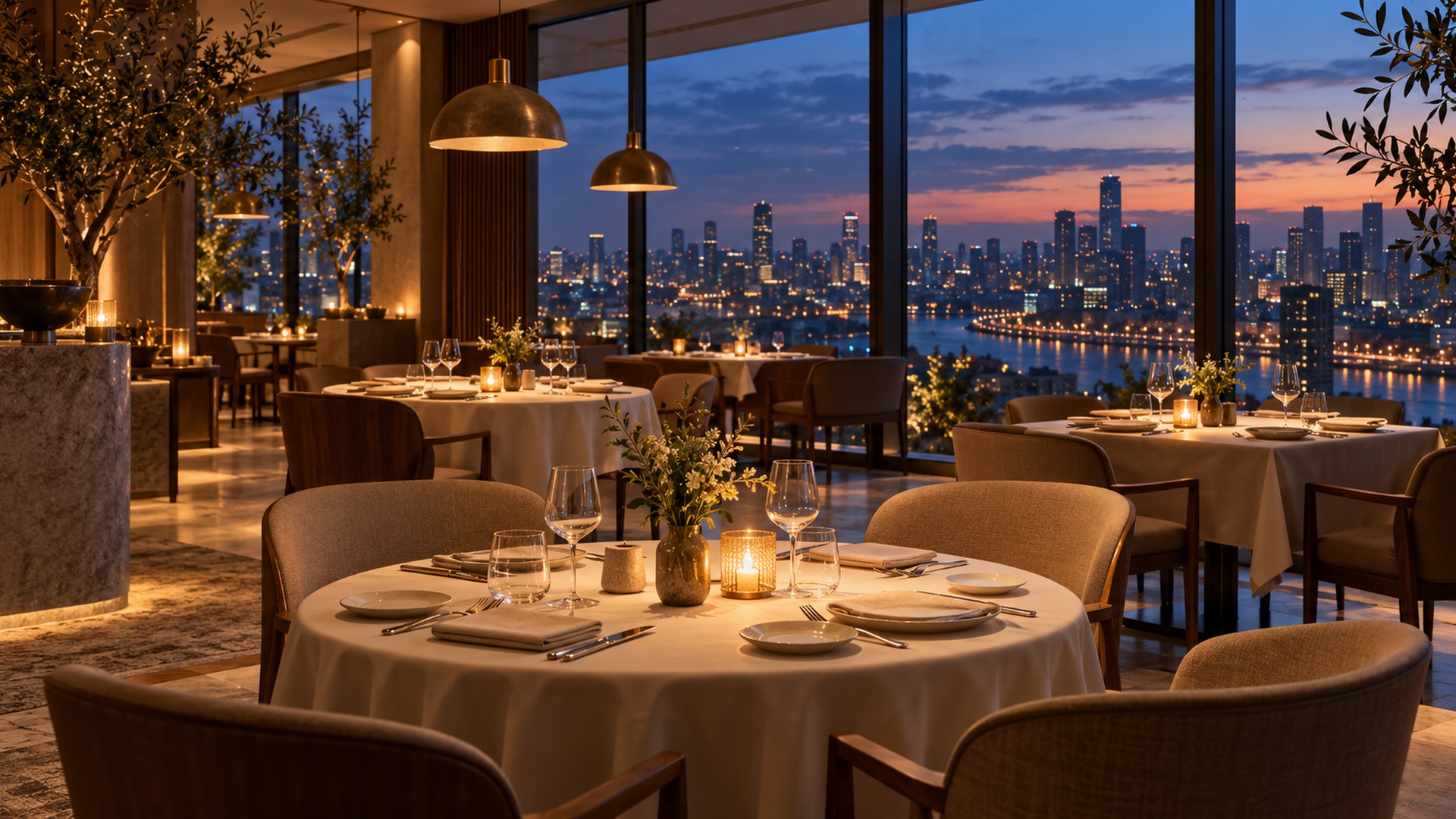
Choose the atmosphere for a reason. A view may be part of a celebration, while a focused interaction with the kitchen may appeal to another traveler. Look beyond photographs to the current dining format, menu, and booking conditions. The visual setting should support the experience you want rather than substitute for understanding it.
Keep companions involved in that choice. Discuss how much formality, duration, and advance planning everyone would enjoy. The destination can be selected through several people’s interests when the priorities are clear. An occasion meal works best when the surrounding holiday also suits the group.
Check the Essential Reservation Before Booking the Journey
When one restaurant is the main reason for traveling, investigate its current reservation system and available dates before committing to inflexible travel arrangements. Read payment and cancellation terms carefully. Clarify necessary dietary or access requirements through the venue’s own process. The important meal should be established clearly enough to justify its role in the itinerary.
Keep a distinct alternative rather than assuming another celebrated address will provide the same experience. Identify what you would enjoy if the first choice is unavailable. You might select a different cooking direction or reconsider the destination dates. A meaningful alternative helps preserve the purpose of the holiday when the original plan cannot be secured.
Leave Space Between Substantial Restaurant Experiences
Appetite is part of travel planning. Several long menus in quick succession may reduce the pleasure of each one, particularly when combined with sightseeing and uncertain sleep. Think about the number of substantial meals you would actually enjoy. Use simpler eating days to provide contrast.
The interval also gives you time to notice what stood out from the previous meal. You may want a relaxed morning or an ordinary afternoon rather than another immediate occasion. Let those preferences influence the schedule. The holiday can feel more complete when every meal is not competing to be the central event.
If you do choose several important reservations, give each a different reason. One might explore a cooking style, another mark a celebration, and another reflect a companion’s specific interest. Check that their formats and timing complement each other. A deliberate sequence is easier to enjoy than a crowded list assembled through reputation alone.
Compare the Cost and Appeal of the Whole Stay
Compare the entire expected holiday cost across the cities you are considering. Include travel, accommodation, transport, ordinary meals, the main restaurant experience, and any optional drink choices. Read current prices and inclusions directly rather than relying on one city’s general reputation for value. A destination with a more expensive headline meal may still fit differently once the full itinerary is understood. Decide what you are willing to spend for the complete stay, then select a route that lets you enjoy the chosen meals without constant budget pressure.
Keep the major booking clear, the days comfortable, and the wider food plan flexible. Choose a city whose ordinary pleasures interest you as much as the occasion itself. You can come home remembering an exceptional meal and the place in which it belonged. That is a strong foundation for selecting a fine-dining destination.