Why the Hotel Defines the Urban Escape
A luxury city hotel is more than a place to sleep between museums, restaurants, and evening plans. On the best urban escapes, the hotel shapes the way the city feels from the first arrival: the lobby sets the tone, the room gives travelers a private pause, the restaurant or bar becomes part of the itinerary, and the location determines whether each day feels graceful or complicated. The best luxury city hotels for a perfect urban escape combine comfort with connection. They let guests step directly into a neighborhood, return easily after a long walk, and experience the city through design, service, food, views, and calm rather than through sightseeing alone.
A: Location, quiet rooms, service consistency, neighborhood fit, and useful spaces usually matter most.
A: It can be, especially when the view replaces a separate sightseeing stop or evening plan.
A: Choose grand for ceremony and amenities, boutique for intimacy and neighborhood personality.
A: Very important on short trips, especially for arrival night, breakfast, or a relaxed final meal.
A: No. The best hotel is the one whose strengths match the trip’s rhythm and location needs.
A: Room atmosphere, bathroom comfort, evening walkability, dining access, and sound control.
A: Room layout, elevator access, breakfast ease, nearby parks, and practical transportation.
A: Yes, when they offer strong service, good locations, quiet rooms, and polished dining.
A: It is worthwhile when the skyline, park, harbor, or landmark view will shape daily enjoyment.
A: Book early for peak seasons, major events, fashion weeks, holidays, and popular weekend dates.
What Makes a City Hotel Truly Luxurious
True luxury in a city hotel is not just a high thread count or a famous address. It is the way the property removes friction from a dense, stimulating environment. A great hotel makes arrival feel composed, keeps the room quiet, places useful service within reach, and gives guests enough orientation to enjoy the city with confidence. It should feel polished without making the destination seem distant or sealed behind glass.
The best properties also understand timing. City travelers move in waves: early breakfast before a museum, a midday return after shopping, a late drink after dinner, a slow morning after theater or nightlife. Luxury means the hotel supports those rhythms elegantly. Housekeeping, concierge advice, room service, spa hours, lighting, elevators, storage, and lobby flow all become part of the experience, even when guests barely notice them.
Location Is the First Amenity
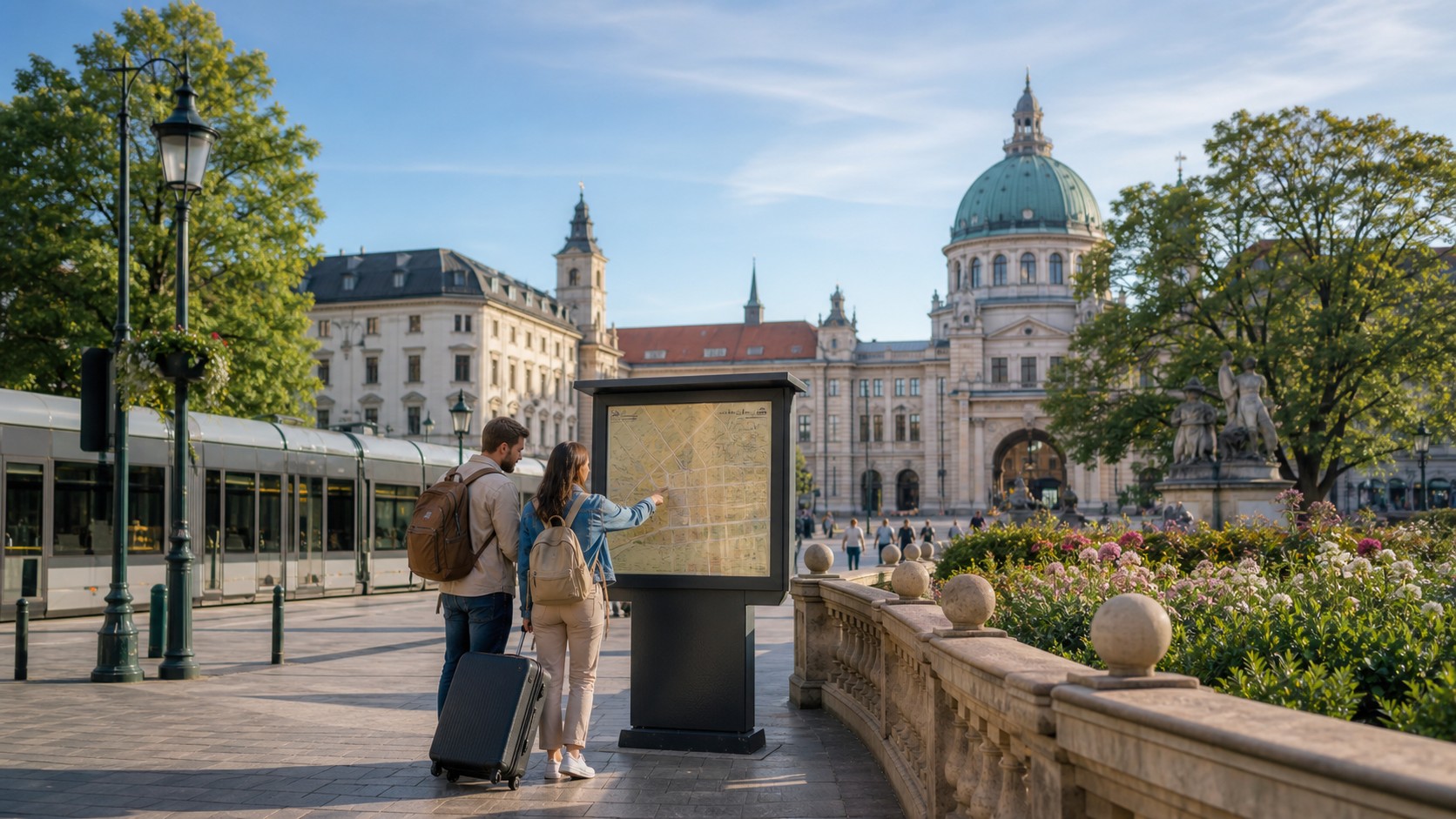
For urban travel, location can be more valuable than size. A beautiful suite loses some of its charm if every meal, gallery, or neighborhood walk requires a long ride. The strongest luxury city hotels sit where guests can use the destination naturally. They may be near historic streets, major parks, theater districts, shopping avenues, waterfronts, financial quarters, or restaurant neighborhoods, but the point is the same: the city should begin at the door.
The right location depends on the traveler’s purpose. A first-time visitor may want easy access to landmarks and transit. A couple might prefer a quieter district with restaurants and evening walks. A design-focused traveler may choose a hotel in a creative neighborhood rather than beside the most famous monument. Luxury is personal here. It means choosing the part of the city that makes the trip feel effortless.
Paris, London, and the Grand Hotel Tradition
Paris and London remain benchmarks for grand urban hospitality because their finest hotels carry a sense of ceremony. In Paris, palace-style properties near the Right Bank, Saint-Germain, or the Champs-Elysees can turn a city break into a polished ritual of courtyards, flowers, dining rooms, spa treatments, and quietly orchestrated service. London offers its own version through Mayfair, Knightsbridge, Marylebone, and historic hotels that connect afternoon tea, theater, shopping, and museum days.
These hotels are not only about formality. Their real power is continuity. Guests step from streets filled with history into interiors that feel equally rooted in the city’s identity. A grand hotel can make a first visit feel special and a return visit feel anchored. It gives travelers a private version of the destination’s elegance, which is why these properties remain so central to luxury urban travel.
Tokyo, Seoul, and Precision Hospitality
In Tokyo and Seoul, luxury often appears through precision, views, technology, and an almost choreographed sense of ease. High-rise hotels frame skylines, rail lines, gardens, towers, and mountains in ways that make the room itself part of the city experience. Service tends to be attentive without unnecessary performance, and small details such as bath design, lighting controls, breakfast quality, and transit access can define the stay.
These cities also show why vertical luxury works so well in dense urban environments. A guest can spend the day in crowded markets, museums, shopping streets, or food districts, then return to a room floating above the intensity. That contrast is deeply restorative. The city remains present through the window, but the guest has enough distance to absorb it.
New York, Chicago, and the Energy of the American City Hotel
Luxury city hotels in New York and Chicago often succeed by translating urban energy rather than softening it completely. In New York, the best properties might be downtown and design-driven, uptown and residential, or midtown and convenient for theater and museums. The right hotel depends on whether the traveler wants fashion, galleries, parks, restaurants, business ease, or skyline drama.
Chicago luxury feels different because the city offers architectural clarity and lakefront openness. A hotel near the river, Gold Coast, West Loop, or Michigan Avenue can connect guests to restaurants, museums, shopping, and water views with less daily friction than many larger cities. In both destinations, a great hotel acts as a base camp for intensity. It gives the guest permission to enjoy the city fully because the return point is calm, comfortable, and well placed.
Rooftops, Restaurants, and the Hotel as Destination
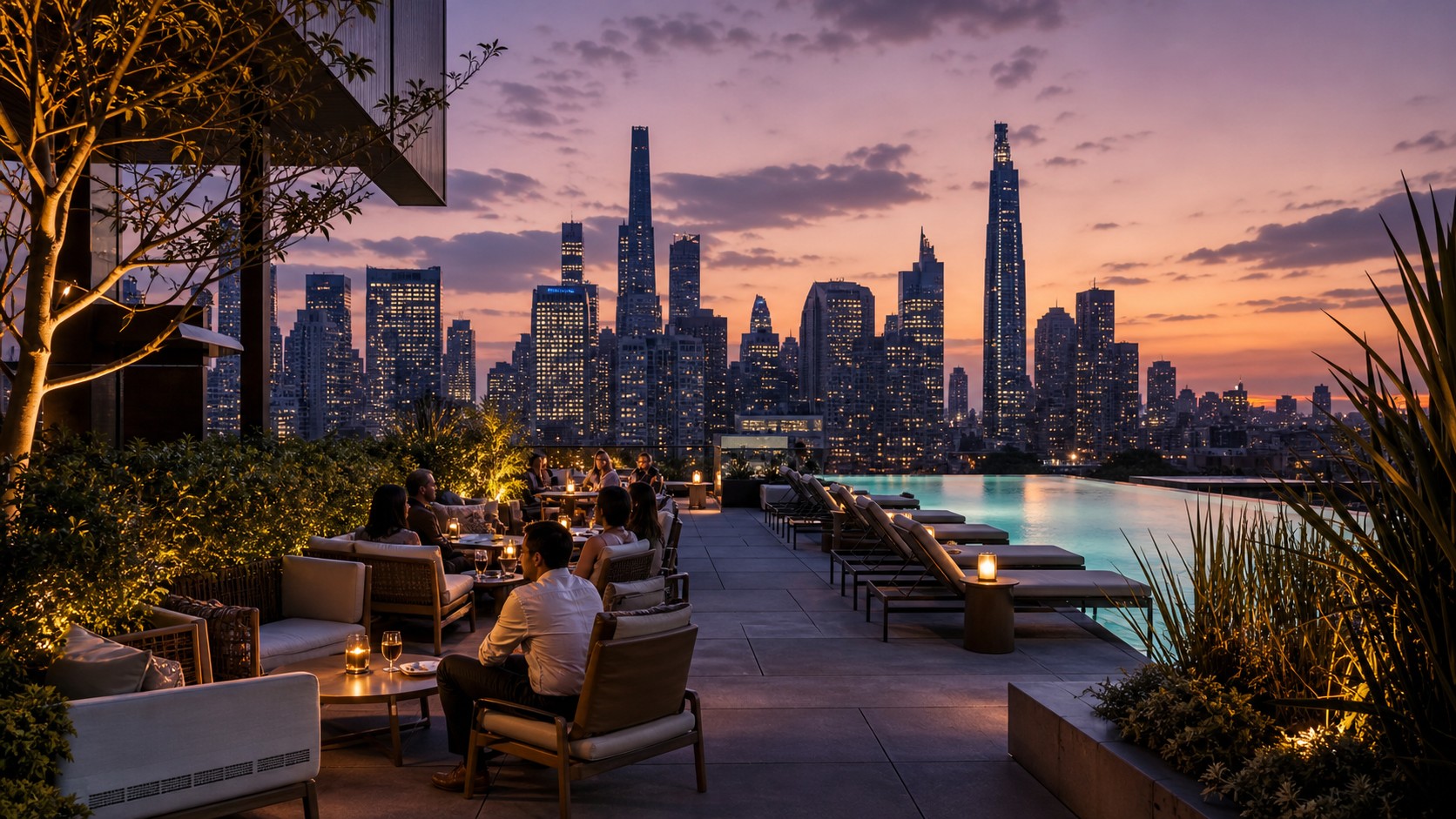
Some luxury city hotels become part of the itinerary because their public spaces are genuinely worth using. A rooftop terrace, destination bar, courtyard restaurant, chef-led dining room, or afternoon tea service can make the property feel woven into the trip rather than separate from it. This matters on short urban escapes, when every meal and evening plan carries more weight.
The best hotel restaurants understand their role. They should offer convenience without feeling like compromise. A first-night dinner on property can be ideal after travel if the room has local character and real culinary ambition. A rooftop bar can provide the city view guests were hoping to find elsewhere. A quiet breakfast can start a busy day with composure. When these spaces are strong, the hotel becomes an experience, not just infrastructure.
Wellness Matters More in Busy Cities
Urban travel can be exhilarating and draining at the same time. Luxury hotels with strong wellness offerings help guests recover without leaving the city. A spa, pool, hammam, sauna, fitness room, treatment menu, or simply a beautifully designed bathroom can change the way a trip feels. These features are not indulgent extras when the itinerary includes long walks, late nights, crowded streets, and sensory overload.
The most useful wellness spaces are easy to use. A hotel pool that requires complicated reservations may be less valuable than a small steam room available after dinner. A quiet treatment room can be more restorative than an enormous spa that feels crowded. City luxury is often about access and timing. Guests need places to reset when the city has given them enough for a few hours.
Boutique Luxury and Neighborhood Personality
Not every perfect urban escape needs a grand hotel. Boutique luxury can feel more intimate, especially in cities known for creative neighborhoods, historic buildings, or independent design. A small hotel in Rome, Lisbon, Copenhagen, Mexico City, Buenos Aires, or Amsterdam may offer fewer formal amenities but more personality. The stay feels connected to the street, the building, and the local sense of style.
Boutique properties are especially rewarding for travelers who value mood over spectacle. A breakfast room with local ceramics, a restored staircase, a small bar where neighborhood guests actually appear, or a room shaped by the quirks of an old building can make the city feel closer. The tradeoff is that travelers should check practical details carefully: elevators, room size, soundproofing, storage, and staffing can vary widely.
Views Can Change the Whole Trip
A city view is not necessary for every luxury stay, but when it is good, it can define the escape. Skyline rooms, river views, park-facing suites, harbor balconies, and rooftop pools let travelers experience the city during quiet hours when they are not actively sightseeing. Morning light over rooftops or evening towers reflected in glass can become one of the trip’s strongest memories.
The best views are not always the highest. A room over a historic square, a balcony above a narrow street, or a terrace facing a cathedral dome can feel more emotionally specific than a distant panorama. Travelers should think about what kind of view matches the trip: cinematic skyline, neighborhood intimacy, water, greenery, or architectural detail. The right view makes the hotel feel inseparable from the destination.
Service Should Feel Personal, Not Heavy
Luxury service in a city hotel should make the trip easier without making guests feel managed. The best teams offer practical help: restaurant timing, neighborhood guidance, museum logistics, transportation advice, room preferences, and small fixes before they become annoyances. A great concierge does not simply name famous restaurants. They understand the guest’s evening, location, energy, and appetite.
Personal service also includes restraint. Some travelers want formality; others want privacy. Some need detailed planning; others need one excellent suggestion. Luxury hotels perform well when they can read that difference. In an urban setting, where the city already provides plenty of stimulation, service should create confidence and ease rather than another layer of attention to navigate.
Arrival and Sleep Quality Decide the Mood
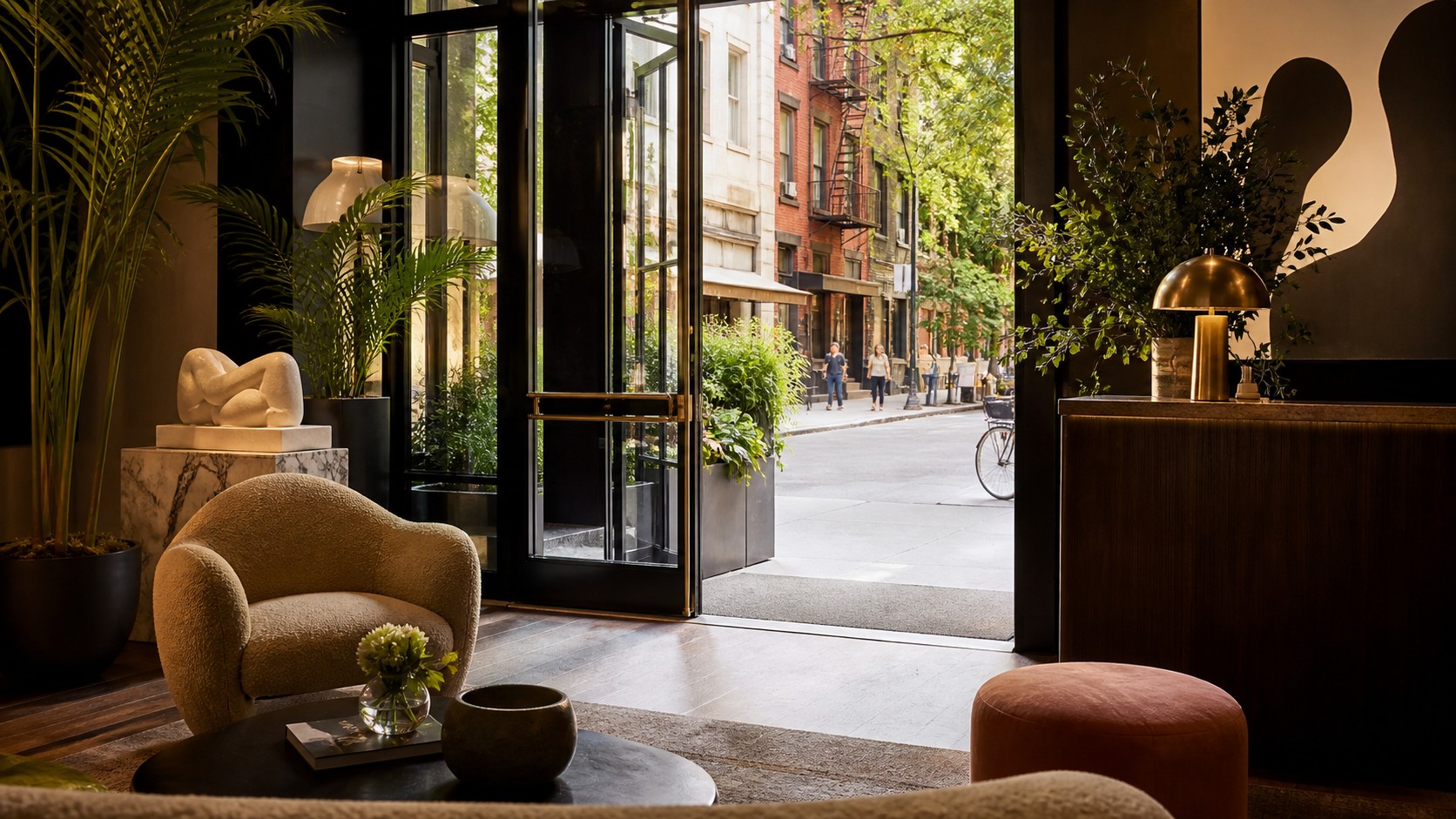
The first twenty minutes inside a luxury hotel can shape the whole stay. A smooth arrival, clear room readiness, careful luggage handling, and a front desk team that explains only what matters can turn travel fatigue into anticipation. This is especially important in cities, where guests may arrive after flights, trains, traffic, or crowded sidewalks. The transition from street to room should feel immediate and composed.
Sleep quality is just as important as style. A glamorous address loses value if sirens, hallway noise, weak curtains, or an overcomplicated thermostat keep guests restless. The best luxury city hotels treat quiet as a core amenity. They understand that travelers enjoy the city more when the room truly restores them at night.
How to Choose the Right Luxury City Hotel
Start with the trip’s main rhythm. If the plan includes theater, choose a hotel that makes late returns simple. If the trip is built around food, stay near the restaurant neighborhoods or transit lines that matter. If shopping is central, location near the right streets may matter more than a spa. If romance is the goal, room atmosphere, baths, views, and evening walks may outweigh formal amenities.
Then read reviews for practical clues rather than vague praise. Look for comments about noise, elevators, breakfast flow, staff follow-through, room lighting, bed comfort, bathroom privacy, and whether the neighborhood feels good after dark. Luxury rates raise expectations, but the best hotel is not always the most expensive. It is the one whose strengths fit the way the traveler wants to use the city.
The Perfect Urban Escape Starts and Ends Upstairs
A luxury city hotel becomes memorable when it gives guests both access and refuge. The city is the reason for the trip, but the hotel controls how gracefully that city can be enjoyed. It frames the first impression, supports the daily rhythm, and receives the traveler at night when energy is lower and small comforts matter more.
The best luxury city hotels understand that urban escapes are built from contrast. Guests want the street and the sanctuary, the landmark and the quiet room, the restaurant buzz and the late-night elevator ride back upstairs. When a hotel balances those opposites well, the entire city feels easier to love.