Ocean Escapes Should Match the Way You Want to Feel
The best ocean escapes are not all built around the same fantasy. Some travelers want reef color and warm shallows, some want surf and salt on the skin, some want small islands with slow meals, and others want wildlife, sailing, wellness, family ease, or a coast where the sea feels wild instead of polished. A memorable ocean trip starts by choosing the right kind of water experience, not simply the most famous beach. The Maldives, French Polynesia, Greece, Hawaii, Australia, the Caribbean, Portugal, Mexico, the Seychelles, and South Africa can all be extraordinary, but they reward different moods and travel styles. The right escape feels effortless because the destination’s rhythm matches yours.
A: Hawaii, Greece, the Caribbean, and Costa Rica are often friendly first choices because they offer strong scenery with manageable logistics.
A: The Maldives, Belize, Bonaire, French Polynesia, and parts of Australia can be excellent when reef access and conditions are right.
A: The Maldives, Seychelles, French Polynesia, and smaller Caribbean islands can work well when budget and travel time fit.
A: Hawaii, Costa Rica, Portugal, Baja, and Australia offer beaches plus hiking, surfing, wildlife, paddling, or diving.
A: Families should prioritize calm water, short transfers, shade, flexible meals, easy medical access, and activities for different ages.
A: They can be, if seclusion matters more than nightlife, shopping, quick transfers, and broad restaurant choice.
A: Avoid months known for storms, unsafe surf, heavy seaweed, closed boat routes, or weather patterns that undermine your main goal.
A: It can be useful for rest-focused trips, but independent coastal destinations may offer richer food, culture, and exploration.
A: For a short trip, one or two well-chosen bases usually feel better than constant packing and ferry stress.
A: The best trips align water conditions, daily rhythm, lodging, budget, safety, and the emotional tone you wanted from the sea.
Maldives and Seychelles for Reef-First Travelers
The Maldives and Seychelles sit near the top of many ocean wish lists because the water is the main event. Clear lagoons, coral gardens, soft sand, and boat transfers create a feeling of being separated from ordinary life. These destinations work beautifully for travelers who want the ocean close all day, whether that means snorkeling from a beach, watching fish under a jetty, or choosing a villa where the tide becomes part of the schedule.
The Maldives is often best for a focused resort escape. It suits honeymoons, wellness trips, divers, and travelers who want calm, service, and easy water access more than town-hopping. The Seychelles has a more varied island character, with granite boulders, beaches backed by palms, nature reserves, and opportunities to move between islands. Both can be expensive, so choosing the right season, island, and meal plan matters too. Small differences in reef access can change the whole stay.
For travelers comparing the two, the question is usually concentration versus variety. The Maldives feels strongest when the resort and reef are exactly right. The Seychelles gives more room for beach-hopping, hiking, and changing scenery.
Reef-first travelers should ask more than whether a beach is beautiful. They should ask how healthy the house reef is, whether snorkeling is shore-based or boat-based, how rough the lagoon gets, and whether the resort treats marine conservation seriously.
French Polynesia for Lagoon Drama and Slow Luxury
French Polynesia gives the ocean a cinematic scale. Bora Bora is famous for its lagoon and volcanic silhouette, but Moorea, Taha’a, Raiatea, and the Tuamotus offer their own versions of blue water, reef life, and island quiet. This is a place for travelers who want the sea to feel vast, luminous, and deeply present rather than merely convenient.
The strongest trips balance beauty with movement. A few nights on Moorea can bring hikes, local food, and accessible lagoon excursions, while Bora Bora delivers the iconic overwater setting. The Tuamotus are better for serious divers and travelers who do not need constant resort polish. Distances and flight schedules shape the trip, so it is worth planning slowly.
Island pairing matters because each stop changes the mood. Moorea can make the trip feel approachable and active, Bora Bora can make it feel celebratory, and the Tuamotus can make it feel remote and water-obsessed. Choosing two islands with different personalities often creates a richer escape than repeating the same lagoon setting twice.
French Polynesia is not only a luxury backdrop. The culture, language, music, food, and relationship with the sea deserve attention. Travelers who leave the resort bubble, even gently, usually find the islands more memorable.
This is a good ocean escape for anniversaries, once-in-a-lifetime splurges, divers, and travelers who prefer fewer places done well. It is less ideal for anyone trying to pack many islands into a short, budget-sensitive itinerary.
Greece, Croatia, and the Mediterranean Island Mood
Mediterranean ocean escapes are really sea escapes, with a different texture from the tropics. The water is clear, the light is bright, and the shoreline often combines beaches, villages, history, small ports, seafood, and long evenings outdoors. Greece and Croatia are especially strong for travelers who want swimming to sit beside culture rather than replace it.
The Greek islands vary widely. Cycladic islands can feel dramatic and dry, Ionian islands are greener, Crete has beaches and serious history, and smaller islands may suit travelers who want a slower pace. Croatia brings stone towns, island ferries, coves, sailing routes, and the Adriatic’s clean blue water. The best choice depends on whether you want nightlife, quiet harbors, family beaches, ancient sites, or sailboat days.
These destinations reward travelers who avoid treating every island like a checklist stop. Staying longer in fewer places often creates a better trip than racing through famous names.
Hawaii for Big Ocean Variety
Hawaii is one of the world’s best ocean escapes because each island has a distinct personality. Oahu offers surf culture, food, history, and city energy beside famous beaches. Maui blends resort comfort with scenic drives and seasonal whale watching. Kauai feels lush and cinematic, with cliffs, rain, beaches, and slower rhythms. The island of Hawaii adds volcanic landscapes, manta ray experiences, black sand, and broad open coast.
This variety makes Hawaii strong for families, first-time ocean travelers, active couples, surfers, snorkelers, and people who want more than a beach chair. It also means planning should be island-specific. The right beach for a confident swimmer may be wrong for small children. A coast that is calm in one season may be rough in another.
Respect matters in Hawaii. Travelers should learn local guidance, follow ocean safety warnings, avoid trespassing for social-media spots, support local businesses, and treat cultural sites with care. A better Hawaii trip is not only prettier; it is more attentive.
Choose Hawaii when you want comfort and adventure in the same vacation. It can be easy or intense depending on how you shape the days.
Australia, Belize, and Egypt for Underwater Travel
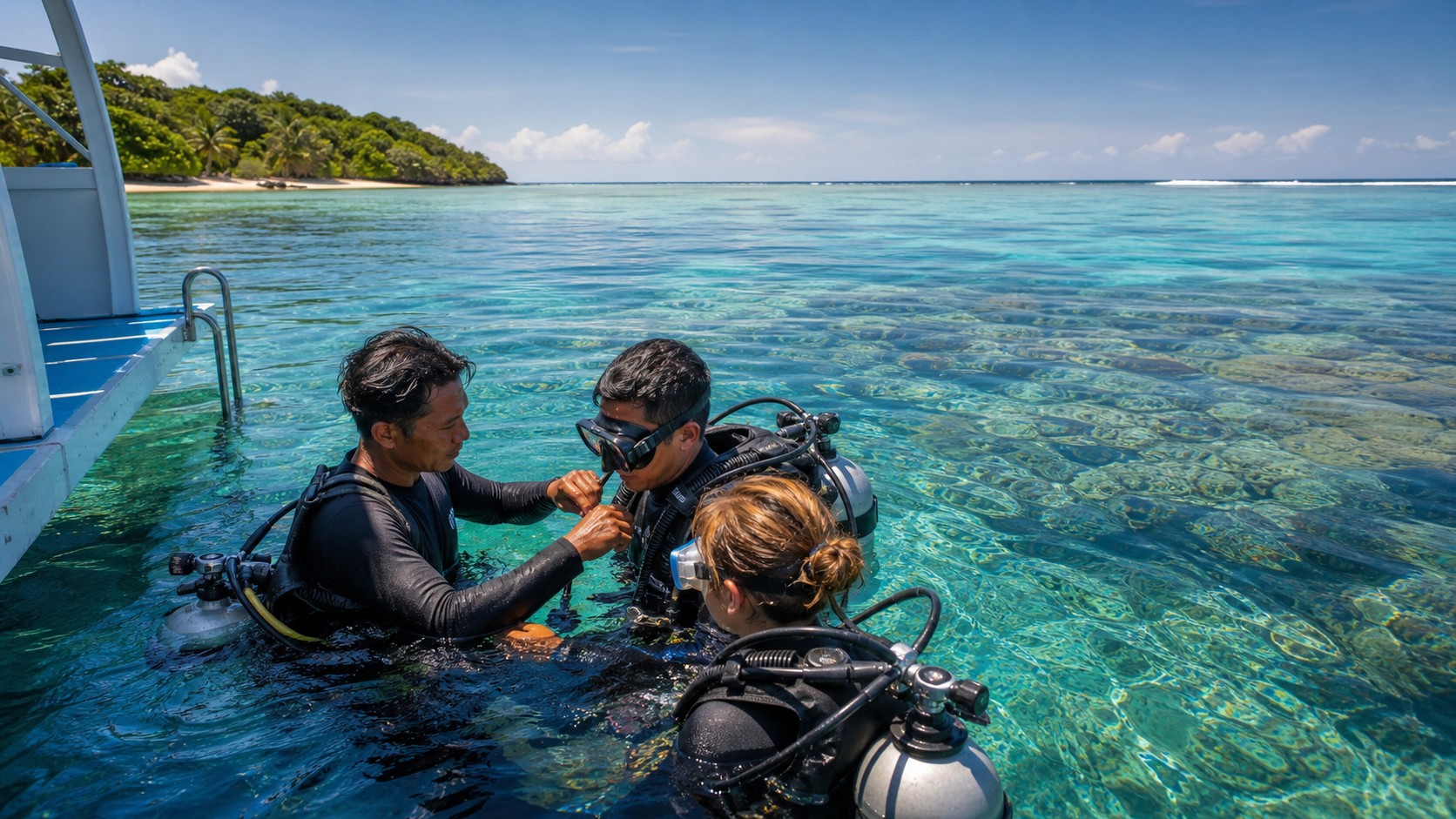
Some ocean escapes are best chosen by what happens below the surface. Australia’s Great Barrier Reef, Belize’s barrier reef, and Egypt’s Red Sea all attract travelers who want marine life, coral, diving, snorkeling, and clear water. These trips work best when the itinerary is built around conditions, operators, and reef access instead of only resort amenities.
Australia offers scale and variety, from outer reef trips to islands and sailing in the Whitsundays. Belize combines reef experiences with cayes, relaxed island towns, and access to inland culture and nature. Egypt’s Red Sea is known for visibility, reefs, dive resorts, and strong value for many travelers. Each destination has different logistics and skill levels.
Underwater travelers should be honest about certification, comfort in currents, seasickness, and how many water days they really want. A trip built entirely around diving can be thrilling for one person and exhausting for another.
Good planning also means protecting the reef experience from avoidable disappointment. Ask operators how they choose sites, how many people they place with each guide, whether they support beginners separately, and how they respond when wind or visibility changes. A cheaper boat day may cost more emotionally if it feels rushed, crowded, or poorly matched to ability.
The best operators brief carefully, protect the reef, manage group size, and match sites to ability. That matters more than a glossy brochure.
Portugal, Costa Rica, and Indonesia for Surf Energy
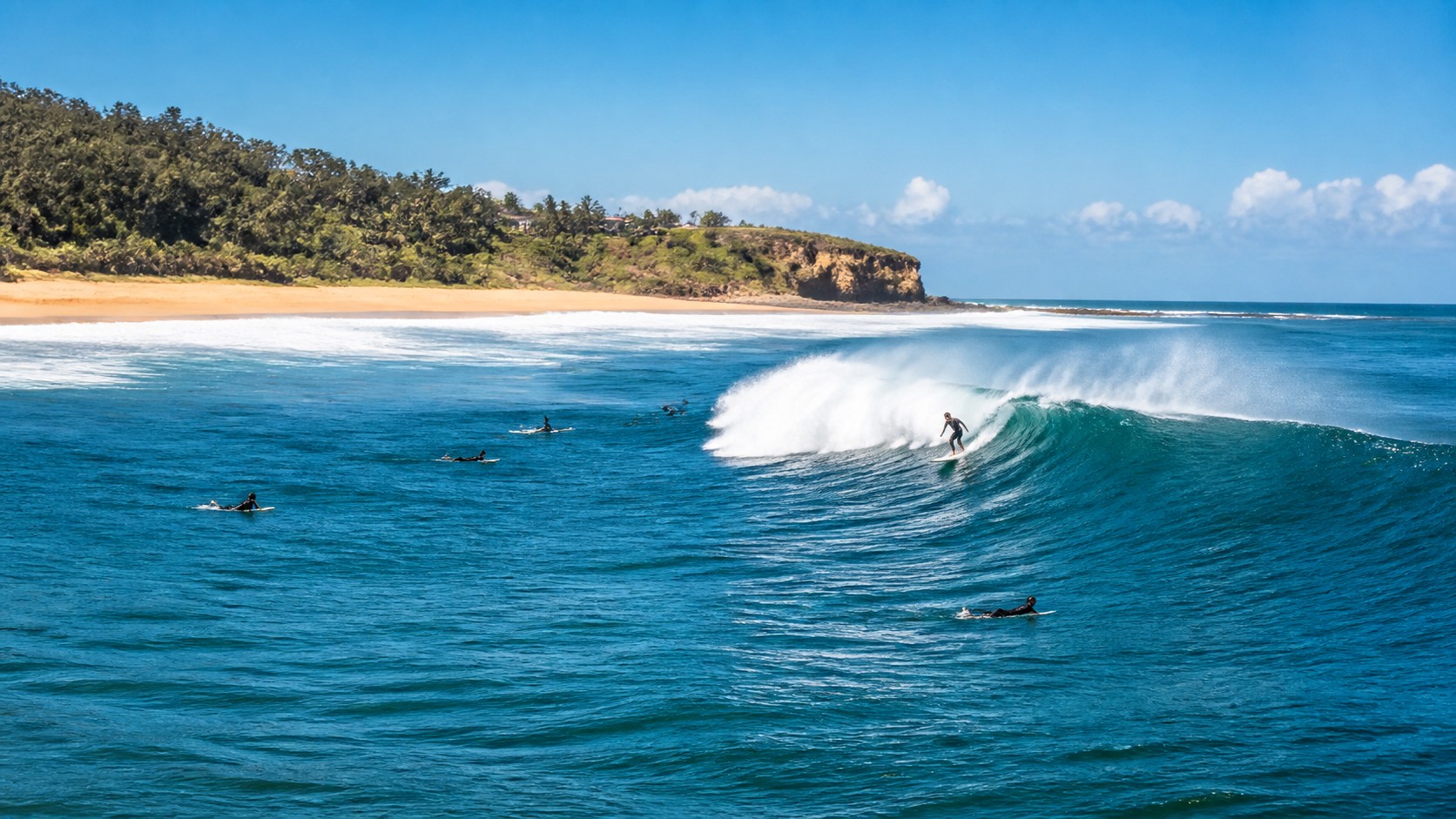
Surf-focused ocean escapes have a different pulse. The point is not stillness; it is timing, swell, sand, reef, and the daily question of where the waves are working. Portugal, Costa Rica, and Indonesia all offer surf culture, but they do not serve the same traveler. Portugal has Atlantic power, surf towns, road-trip possibilities, and strong options for lessons. Costa Rica is warm, green, accessible, and friendly to mixed groups. Indonesia can be world-class, remote, and demanding.
Beginners should prioritize safe instruction, sandy-bottom breaks, good board rentals, and beaches where conditions are manageable. Experienced surfers may care more about swell windows, reef breaks, boat access, and crowd strategy. Non-surfing companions need their own reasons to love the destination, whether that is food, wildlife, yoga, beaches, or inland adventures.
Surf travel is seasonal and condition-driven. A famous wave on the wrong day is just a place with a reputation. Flexibility makes the trip better.
Caribbean Islands for Easy Warm-Water Escapes
The Caribbean remains a classic ocean escape because it offers warmth, color, music, beaches, sailing, snorkeling, and a wide range of travel styles. Some islands specialize in refined resorts, some in food and culture, some in sailing, some in diving, and some in family-friendly ease. The region is too varied to treat as one destination.
Travelers should choose by personality. Anguilla is known for beaches and understated luxury. St. Lucia pairs dramatic scenery with romance and adventure. The Bahamas offer boating and clear shallows. Bonaire is a strong dive choice. Puerto Rico adds culture, food, history, and easier access for many U.S. travelers. Smaller islands can feel quieter but may require more complex flights.
Hurricane season, seaweed patterns, ferry logistics, and beach conditions matter. The Caribbean is at its best when travelers match the island to the trip instead of chasing the cheapest package.
For many people, the right Caribbean escape is the one that makes daily decisions simple: swim, eat well, explore a little, rest, and repeat.
South Africa, Baja, and Wildlife-Rich Coasts
Not every ocean escape is about lying still beside turquoise water. South Africa, Baja California, the Galapagos, and other wildlife-rich coasts appeal to travelers who want the sea to feel alive and unpredictable. Whales, sea lions, penguins, sharks, rays, seabirds, kelp forests, and desert-meets-ocean landscapes can make the coast feel like a moving ecosystem.
These trips require a different mindset. Weather, wildlife timing, conservation rules, and boat conditions shape the experience. Some days may be rugged, windy, or chilly, but the reward is a deeper sense of the ocean as habitat rather than decoration.
Wildlife ocean trips suit curious travelers, photographers, families with older children, and anyone who wants a coastal escape with story and substance. They are less about guaranteed beach perfection and more about paying attention.
How to Choose Your Ocean Escape
Start with your desired rhythm. If you want silence, choose a small island or resort with easy water access. If you want culture, choose a coast with towns, food, ferries, and history. If you want activity, plan around diving, surfing, sailing, paddling, hiking, or wildlife. If you want family ease, prioritize safe swimming, short transfers, and flexible lodging.
Then check season, water conditions, budget, travel time, reef health, safety, and how much structure you want. Ocean trips can look simple from a distance, but tides, wind, seaweed, currents, ferry schedules, and storm seasons all affect the experience.
It helps to picture an ordinary day, not only the best hour. Where will you swim before breakfast? How far is lunch? What happens if the boat cancels? Is there enough shade, variety, and quiet for your group? Those practical questions often reveal whether a destination will feel graceful or awkward once the trip begins.
The best ocean escape is not always the bluest water in a photo. It is the place where the water, culture, pace, and practical details let you become the kind of traveler you hoped to be for a few days.