Make the Activities Work as One Journey
A memorable adventure trip can include several kinds of experience: walking through a landscape, learning a water activity, joining a guided outing, and enjoying the place between those commitments. The challenge is making them work together for the people traveling. Each activity has its own requirements, meeting point, equipment routine, and effect on the following day. A route that looks exciting as a list can become tiring when the ordinary transitions are missing. Begin with a few experiences you genuinely want, then choose a region, base, and sequence that support them. Keep suitable instruction and local expertise within the plan, and leave time to recover, move, and respond to current conditions. The perfect adventure trip gives you enough structure to participate comfortably while preserving the energy and attention that make the setting rewarding.
A: Choose a shared purpose and a few suitable experiences, then connect them through practical full days.
A: Read the actual provider format, demands, instruction, equipment arrangement, and expected experience.
A: A lighter interval helps the group respond to unfamiliar effort and enjoy the following experiences.
A: Assess the complete relocation sequence and the group's comfortable margin before adding that commitment.
A: Confirm supplied items, collection and return details, and anything travelers must transport themselves.
A: Choose appropriate separate sessions where useful and keep practical shared routines around them.
A: It supports provider access, meals, repeated equipment routines, and comfortable intervals between outings.
A: Activities, instruction, gear arrangements, stays, transport, meals, and travel to the destination.
A: A researched nearby experience that preserves the holiday's purpose and suits the group's preferences.
A: Walk through complete days and confirm that suitable participation, movement, recovery, and discovery all have room.
Name the Experiences That Motivate the Trip
Choose the main activity interests before selecting a destination. You might want a walking-centered holiday with one guided water outing, or a learning trip that combines two new skills. Those formats ask different things of the itinerary. A clear priority helps you avoid adding activities simply because they appear in the same region.
Discuss the purpose with companions. One traveler may want several active days, while another values quieter time in the base. Agree on a shared core and identify which experiences can remain optional. The plan should serve the actual group instead of assuming that everyone shares the strongest preference.
Describe the Activities Through Real Participation
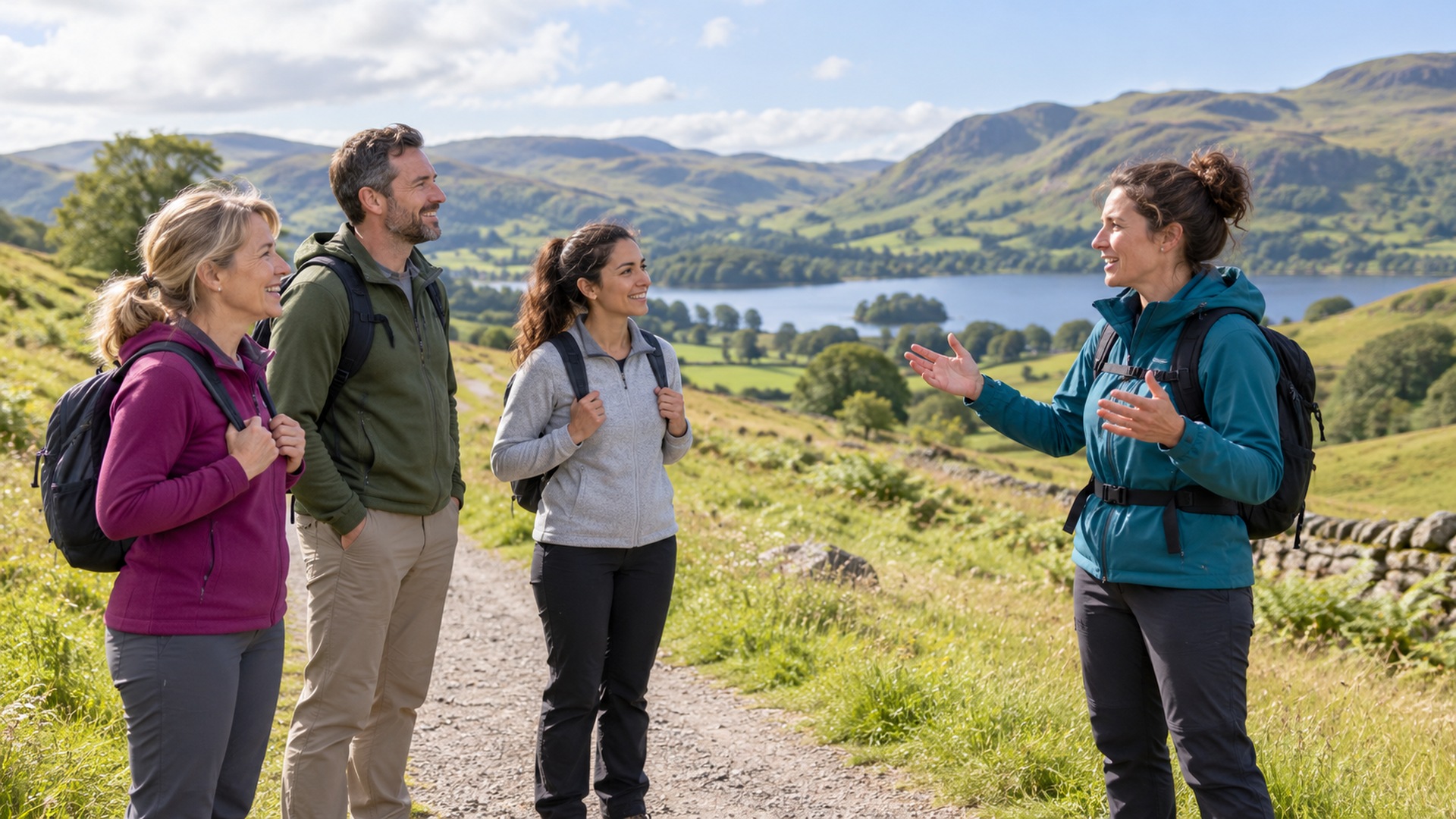
Read each provider’s current description of what participants do. Check the duration, physical demands, experience requirements, equipment arrangements, and instruction involved. A broad activity label does not establish suitability. Choose the specific format that corresponds to your preparation and interests.
Explain relevant experience honestly when asking a provider for advice. Confidence in one activity does not automatically translate into another. Ask which session or route matches your starting point and what preparation it needs. A clear answer is more useful than a promise that the experience suits everybody.
Use appropriate qualified support where the activity or environment lies outside your competence. The holiday’s appeal should not depend on accepting an arrangement you do not understand. You can choose a different format while preserving the interest that motivated the trip. Suitability is part of good adventure planning.
Choose a Region That Connects the Main Activities
Compare the actual locations of the experiences you want, rather than choosing a destination through its total activity count. A region may offer many possibilities while placing them too far apart for your available stay. Investigate the practical transport between your shortlisted providers and bases. Favor a coherent area when repeated relocation would consume the holiday. A useful region makes the preferred activity mix achievable through manageable days.
Build the Sequence Around the Most Important Day
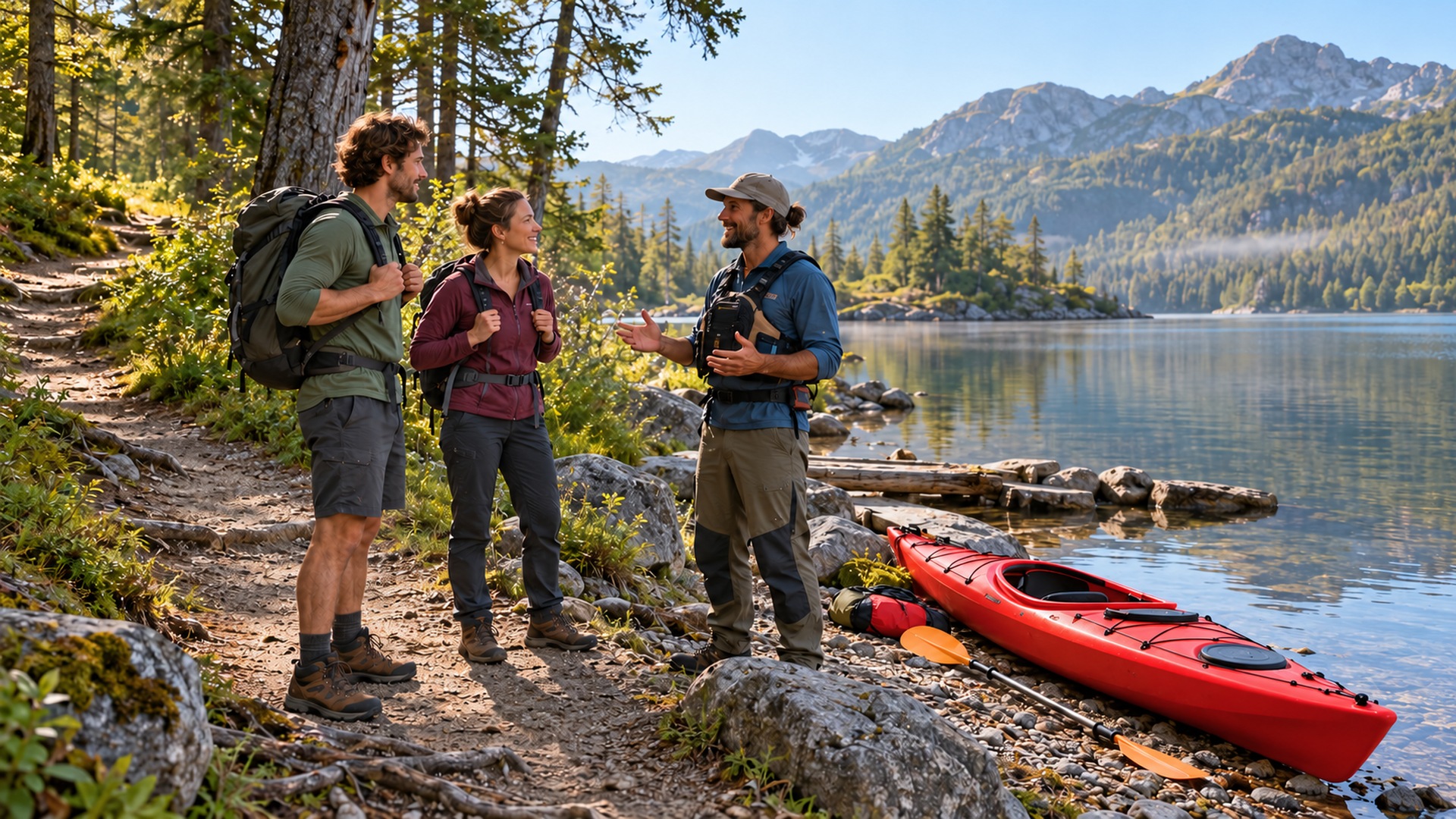
Test a multi-activity holiday through a worked sequence rather than a list of adventures. Imagine arriving at one base on the first day, using the next for a confirmed introductory paddling lesson, keeping a lighter day afterward, and placing a suitable guided walk later in the stay. This is an illustrative structure, not a recommendation that these activities suit every traveler or can be combined in every destination. The lesson and walk need separate provider assessments, with their meeting points and preparation placed into the actual travel plan.
Now add the equipment transitions. If paddling clothing or equipment must be collected beforehand and returned after the lesson, include those journeys instead of assuming the booking ends when you leave the water. The lighter day can hold drying belongings, an ordinary meal, and an optional local visit without becoming another substantial transfer. Before the walk, check the footwear, pack, food, and other requirements that apply to that particular outing. Equipment used for one activity should not silently become the packing specification for another.
Finally, test a change. If conditions postpone the lesson, identify whether moving it would conflict with equipment return, the walk, or departure. Contact the responsible providers about the actual options instead of assuming every reservation can shift. Keep the next departure, meeting place, provider contact, and return routine together in information another adult can access. The method is to make the activity sequence and its dependencies visible, so the holiday can stay flexible without asking the travelers to improvise responsibilities on the day.
Count Travel Days Separately From Activity Days
Estimate a relocation from leaving one room to settling into the next. Include packing, transport, waiting, meals, and the final arrival arrangement. A drive or crossing’s advertised duration is only part of the commitment. Keep the remaining schedule proportionate to the whole sequence. A light arrival evening may make the following day more enjoyable than another ambitious booking.
Coordinate Equipment Across the Trip
Ask what each provider supplies and what participants must bring. Two activities may use different equipment arrangements even when they appear to involve similar surroundings. Confirm collection, fitting, and return details where relevant. The packing plan should follow those answers.
Consider how equipment moves with the group. A rental collected at one base may need to be returned before relocation, while another activity supplies gear only during the session. Keep those responsibilities visible in the schedule. Avoid adding transport commitments that the itinerary has not counted.
Choose luggage through the actual route and activity mix. Keep needed items accessible for departures and organize the bag so repeated changes remain manageable. Check the requirements attached to transport bookings. Practical packing supports the trip without becoming a separate equipment-shopping project.
Research Conditions Through the Actual Outing
Use current information from the responsible authority and the relevant provider for the specific experience. The National Park Service’s trip-planning guide offers a starting point for park outings and explains the scope of its guidance. A broader multi-activity holiday still needs each experience assessed through its own arrangements. Do not carry one outing’s assumptions into a different environment or activity. Keep the current guidance available as departure approaches.
Choose Transport Through Responsibility as Well as Flexibility
Compare independent driving, provider pickups, and suitable local alternatives for the route. A vehicle may support a flexible itinerary while adding obligations around permitted use, roads, parking, and returns. Read the relevant terms and current destination information. Choose an arrangement you can manage comfortably.
For organized transfers, confirm the meeting point, timing, included luggage, and return plan. Ask who communicates a change and how an altered arrival is handled. Check whether the transport belongs within the activity booking or remains separate. Clear responsibilities make multi-activity days easier to coordinate.
Make Alternatives Connected to the Trip’s Purpose
Identify a worthwhile experience near the base that can serve the holiday when a main outing changes. It might be a suitable public visit, an easier researched activity, or a relaxed day in the chosen setting. Check its actual operating details. A useful alternative should interest the group.
Compare the Complete Adventure Budget
Include the main activities, instruction, equipment arrangements, accommodation, transport, meals, and the journey to the destination. Ask for current quotes and write down the relevant inclusions. A package and an independently arranged route may cover different parts of the total. Compare them through the same intended holiday.
Keep the number of active days realistic while evaluating price. An offer with more included activities is not necessarily better value if the group would prefer a slower pace. Choose through the experiences you want to participate in comfortably. The budget should support that plan.
Consider the important route dependencies and their change terms. Review suitable cover through the actual activities and arrangements with the relevant provider. Retain a practical margin based on the trip’s own uncertainties. A useful total has clear assumptions rather than optimistic omissions.
Let the Adventure Develop Within a Clear Plan
During the trip, notice which experiences and routines work well for the group. Use discretionary time to adjust the pace through current guidance and the actual booking terms. You may prefer another quiet interval, a return to an interesting place, or a different optional outing. The plan should make those choices possible. A thoughtful adventure journey connects suitable activities, practical logistics, and enough energy to enjoy the place you came to explore.