Feeling at Ease Begins With Paying Attention
Feeling like a tourist can mean feeling rushed, conspicuous, or unsure of the routine around you. The answer is usually to become more attentive and comfortable, rather than try to hide the fact that you are visiting. You can enjoy a meaningful encounter with a culture while remaining honest about what you know and what you are still learning. Start with a slower rhythm, a few useful phrases, and public places where you can participate in ordinary activities appropriately. Return to a neighborhood, listen to the people who choose to speak with you, and let clear invitations guide more involved experiences. Familiarity grows through small repeated moments, not a performance of being local. A thoughtful visit gives you room to notice daily life while respecting that other people are continuing their own days. That balance can make travel feel more natural and rewarding.
A: Rushing, unclear routines, or unfamiliar interactions can create discomfort; identify the specific issue before changing the plan.
A: They can reduce practical uncertainty and help you notice suitable public settings more carefully.
A: A small set of usable greetings, requests, and thanks can support ordinary interactions.
A: Say so politely and ask whether a simpler explanation or another language is possible.
A: It can be meaningful while remaining one person's account and one limited encounter.
A: Use appropriate public settings, consider the activity already happening, and avoid expecting people to perform for your visit.
A: Follow the specific venue's guidance and choose practical clothing rather than trying to perform a local identity.
A: A shared core with practical optional time supports different ways of engaging and reflecting.
A: More usable stay time can support ordinary routines, return visits, and calmer observation.
A: Useful context, better questions, and a more attentive approach while acknowledging what remains uncertain.
Choose One Neighborhood You Can Return To
A familiar public area can make the trip feel less fragmented. Choose it through the places you would comfortably use: a café, an institution, a market where visiting is appropriate, or streets that connect your accommodation with ordinary services. Spend enough time to understand the routine without treating the area as something you own. Repeated visits can help you notice details that a quick pass misses. The point is a calmer relationship with the setting.
Make an Ordinary Routine Part of the Holiday
Choose a small routine you actually enjoy, such as buying breakfast from the same café on several mornings. On the first visit, notice where people order, how payment works, and whether the table you choose is available for that use. On a later visit, return because the food and routine suit you rather than expecting recognition or a personal conversation. A greeting and an ordinary purchase can be enough. This illustrative routine makes the day more comfortable without turning familiarity into a claim of special access or belonging.
Let repetition remove some practical uncertainty. Knowing how to reach a place or how its ordinary service works can make the next visit more relaxed. You may have more attention available for the setting once basic decisions feel familiar. That comfort can be rewarding on its own.
Remain considerate of the people using the same space. A café, market, or neighborhood continues to function beyond your visit. Keep ordinary etiquette and the setting’s actual guidance in view. Familiarity should encourage thoughtful participation rather than assumptions about special treatment.
Learn a Few Phrases You Can Use Honestly
A greeting, a polite request, and a way to express thanks can make ordinary interactions easier. Learn the pronunciation as well as the meaning where possible. Choose phrases relevant to the situations you expect to encounter. A small usable set may be more practical than memorizing a long list you cannot confidently apply.
Be clear when you need more help. You do not need to maintain an appearance of fluency if you do not understand the answer. Ask politely whether another language or a simpler explanation is possible. Honest communication gives the other person a better chance to respond appropriately.
Listen Before Turning an Encounter Into a Story
Imagine a shopkeeper mentioning how an object is made while you are considering it. You might ask one focused follow-up, such as which material you are looking at, then listen to the answer instead of steering the conversation toward a sweeping story about local life. If another customer arrives or the person returns to a task, a simple ‘Thank you—that helped; I’ll let you get back to work’ ends the exchange respectfully. This is an example of how to give attention and recognize an ending, not a script everyone must use. A short conversation can remain a pleasant short conversation without needing to become the journey’s defining cultural encounter.
Notice when the other person needs to return to their work or routine. Interest does not create an obligation to continue a conversation. A friendly exchange can end simply and still be worthwhile. Respecting time helps the encounter remain comfortable for both sides.
Afterward, describe the moment accurately if you discuss it with others. Avoid turning one person’s account into a general explanation of everyone in the destination. Keep what you observed separate from what you inferred. Proportion makes the memory more trustworthy.
Choose Hosted Experiences Through a Clear Invitation
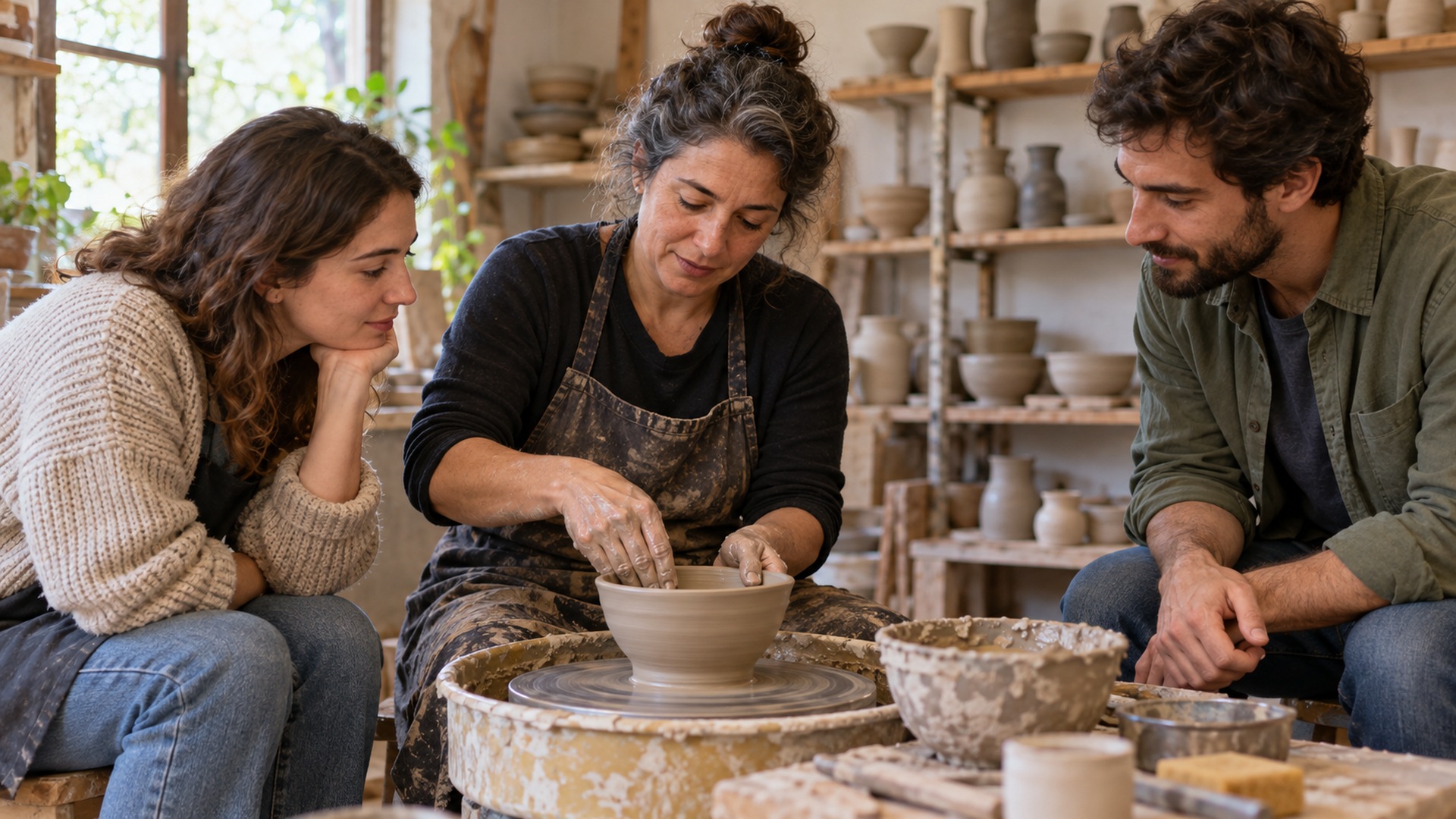
For a workshop, meal, or other organized encounter, understand who is hosting and what guests are invited to do. Read the provider’s actual account and ask for clarification before booking. A promise to feel like a local is less useful than a clear description of the experience. The invitation should define participation.
Follow the host’s routine once the encounter begins. Ask when you are unsure and accept boundaries around particular activities or subjects. UN Tourism’s ethics framework places respect for cultural heritage and the rights of hosts within responsible visiting. In practice, pay attention to the actual people and setting involved.
Let Everyday Purchases Remain Straightforward
At a market stall, a practical question such as whether a displayed price is for one item or a set can resolve more uncertainty than trying to perform the role of an experienced local buyer. Confirm the arrangement before agreeing, follow the setting’s actual buying routine, and let a refusal remain polite and brief. If you decide against the purchase, thank the seller and move on rather than prolonging a negotiation for entertainment. This example concerns an ordinary transaction, not a universal rule about bargaining or a requirement to buy whenever somebody answers you. Clear, considerate exchanges can make the day easier without turning each purchase into a test of cultural credibility.
Put the Camera Aside When It Changes the Encounter
Notice whether preparing photographs is interrupting your attention or making another person responsible for the image you want. You may enjoy a conversation, demonstration, or meal more fully without a camera in use. Ask permission where relevant and follow the person’s or provider’s answer. A meaningful experience does not require a visual record.
Choose photographs through the actual setting’s guidance. Keep private spaces and people’s boundaries in view, and avoid assuming that public visibility settles every question of appropriateness. If uncertainty remains, ask or leave the camera away. The quality of the encounter can matter more than the image.
Slow the Route When Constant Movement Creates Distance
Repeated packing and transfers can make every place feel unfamiliar again. Consider fewer overnight bases if the trip’s purpose would benefit from more stay time. Count the usable hours left after arrival and before departure. A slower route may make ordinary routines possible without removing variety. The right pace follows what you want to experience rather than a maximum destination count.
Accept the Useful Limits of a Visitor’s Understanding
A thoughtful visit can leave you with more context and better questions without resolving every uncertainty. Keep the distinction between an encounter, an observation, and a broad claim. Read or listen further through relevant local work if an interest grows. The journey can begin sustained curiosity rather than finish an entire subject.
Feeling comfortable does not require pretending that your knowledge is complete. You can enjoy familiarity with a small area while remaining respectful of the people who know it differently. That honesty helps conversations stay proportionate. It also allows unexpected details to remain interesting.
Leave With a More Attentive Way of Traveling
Choose a practical base, a few useful routines, and experiences whose invitation you understand. Bring simple language, patience, and curiosity to ordinary interactions. Let hosts define participation and accept the limits of what a short visit can explain. You may feel more at ease because the journey has become less hurried and more attentive. That is a meaningful way to experience a culture while remaining a considerate visitor.