Choose a Destination Through What You Want to Learn
The best cultural expedition destination is not the place with the longest list of monuments or the strongest promise of authenticity. It is the place where your interests connect with suitable experiences, knowledgeable hosts, and enough time to understand the context around them. A craft-focused traveler might begin with a workshop and an institution that explains the practice. Someone interested in a city’s history might combine guided exploration with independent visits and contemporary neighborhoods. Those journeys can be equally rewarding while requiring different routes and daily rhythms. Kyoto, Fez, Jaipur, and Istanbul provide distinct research directions, rather than interchangeable cultural backdrops. Compare them through a question you want to explore and the visitor arrangements that could help you explore it. Then choose a practical stay that supports listening, observation, and reflection without expecting a short trip to reveal every aspect of a place.
A: Choose a specific learning interest and assess the suitable encounters and practical stays each destination can support.
A: A researched craft interest can connect appropriate institutions, hosts, and surrounding public exploration.
A: Use a focused craft question and suitable local explanation to understand the context of the places you visit.
A: They can help connect an arts interest with interpretation before or alongside an appropriately offered experience.
A: A manageable city-history or cultural theme can connect selected institutions, guided context, and contemporary public areas.
A: Verify the particular provider, dates, language, and participation format before relying on the idea.
A: Confirm current dates and visitor arrangements with the responsible organizer before building connected bookings.
A: A guide offers a useful perspective; keep conclusions proportionate and leave room for other voices and further learning.
A: Fewer purposeful visits, a practical base, and usable time for observation and reflection.
A: Its specific visitor arrangements should support the curiosity and daily rhythm of the people traveling.
Kyoto for a Journey Around Craft and Practice
Kyoto is worth investigating when your interests center on craft and the relationships between places, practitioners, and cultural practices. Japan’s official tourism information for Takagamine and Murasakino introduces the Nishijin craft context and related visitor directions. Use that information to identify a theme that interests you. Then research the current arrangements of the particular institution or host you want to visit.
A useful Kyoto stay might connect an explanatory visit with an appropriate hands-on experience and time in the surrounding area. Those elements should be chosen for how they inform one another. Avoid trying to include every recognizable district in the same short schedule. A focused sequence can reveal more than a succession of unrelated highlights.
Choose a Kyoto Experience You Can Participate In
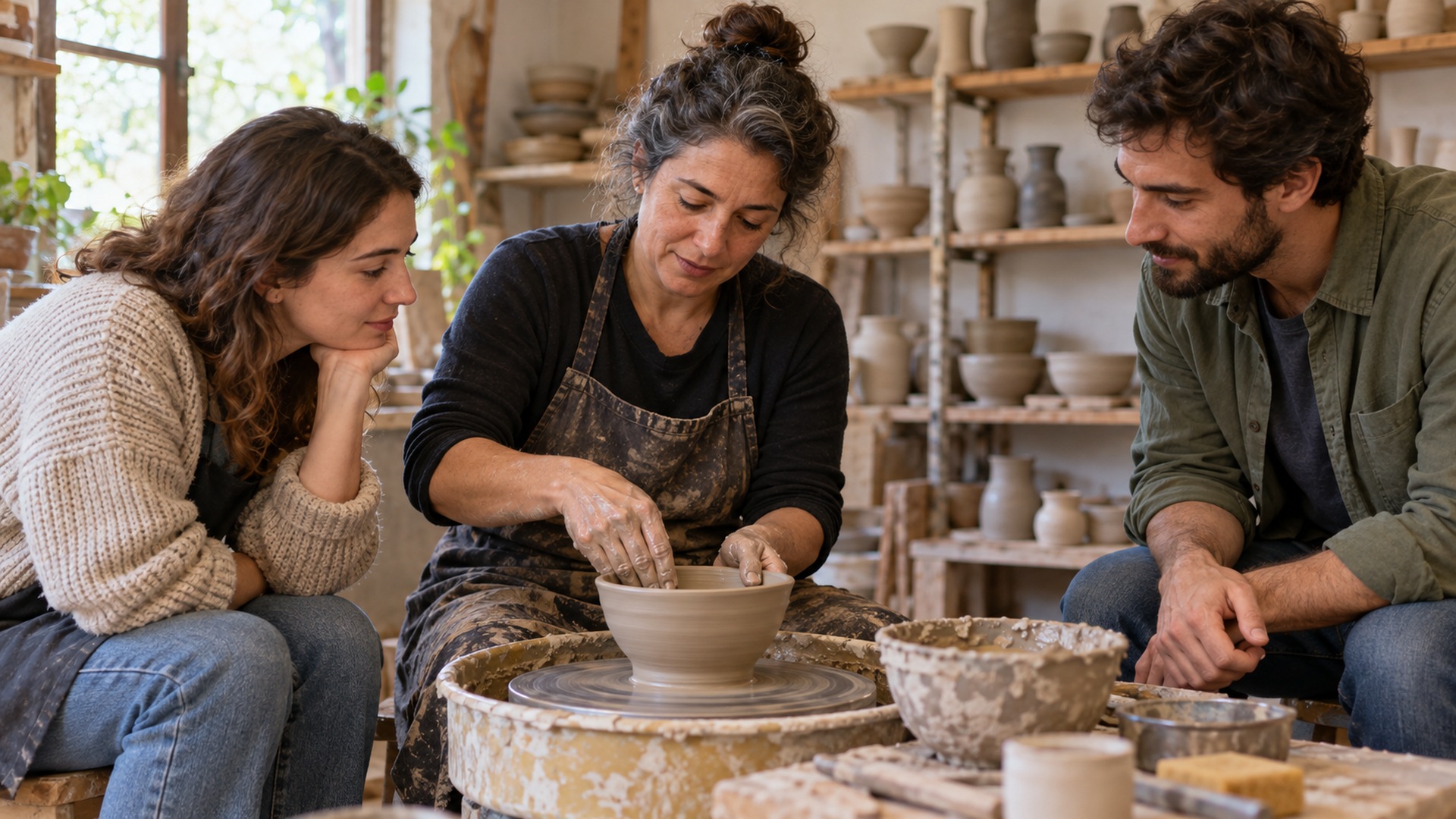
Read the host’s own description of the session before booking. Confirm the language, participation format, duration, and practical requirements relevant to you. A short introduction may be exactly right for a first encounter, while a more involved course serves a different purpose. Choose through your curiosity and the way you prefer to learn. The value of the visit comes from a suitable experience and careful attention, rather than a claim that access makes you an insider.
Fez for Craft Interests Within a Medina Setting
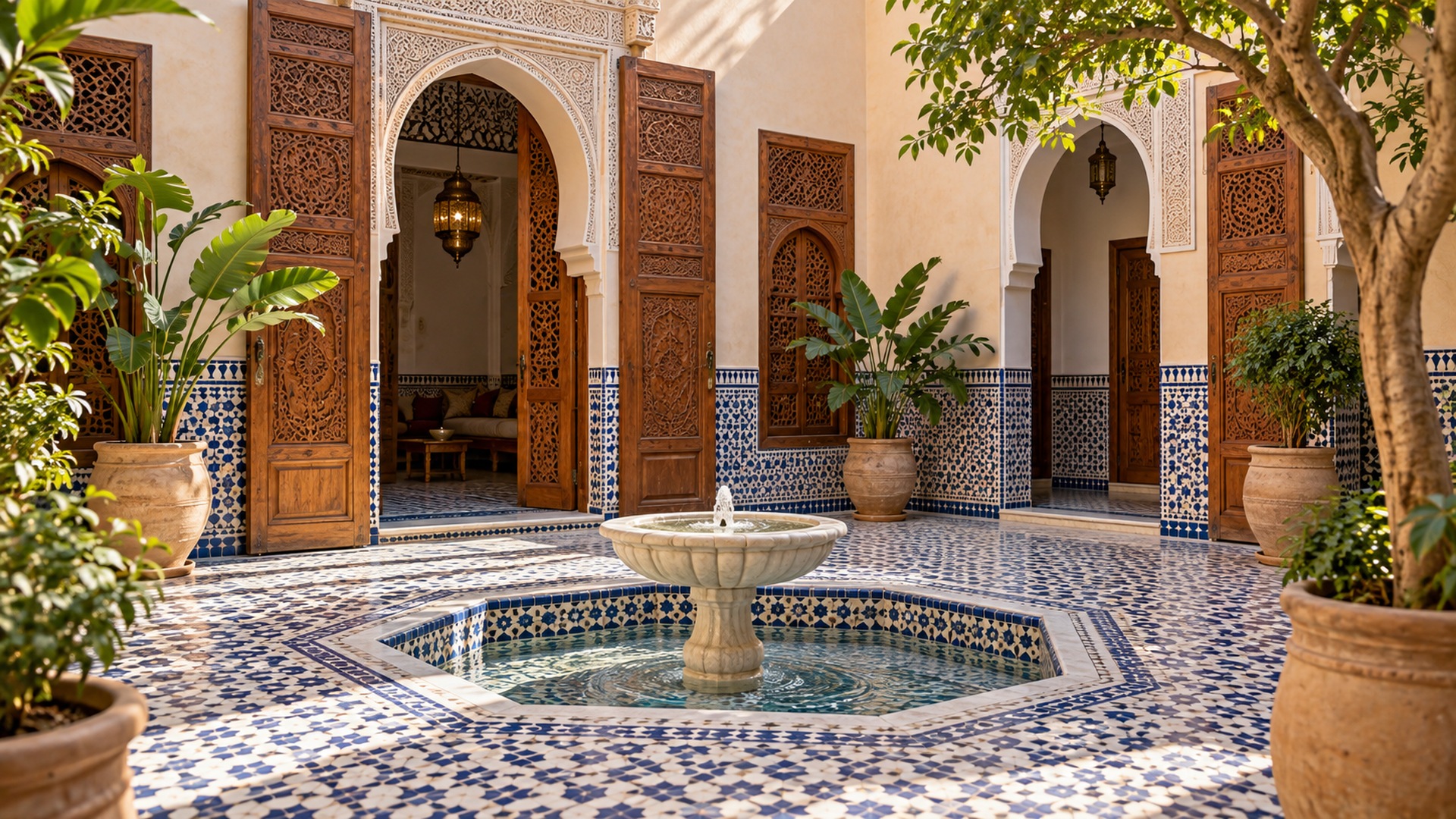
Fez’s craft interest can be anchored in a specific institution: the Nejjarine Museum’s wooden arts and crafts. The Moroccan National Tourist Office’s museum guide identifies this collection, giving a wood-focused theme something more precise than a general route past workshops. Investigate the museum’s current visitor arrangements, then compare a suitable guided medina walk through the same interest. The museum provides interpretation; a working shop has a different purpose and should not be assumed to offer a demonstration. This pairing can connect objects, materials, and urban context while leaving practitioners free to define what they choose to share.
Consider appropriate local guidance if you want explanation as well as orientation. Discuss the theme, pace, and proposed visits before agreeing to the itinerary. Ask how the experience is organized and who provides any hosted demonstration. Clear details help you distinguish a useful learning encounter from a route that simply passes many shops.
Leave room to revisit suitable public places and connect the guide’s account with your own observations. A second visit may reveal details that did not register initially. Remain respectful of people’s work and ordinary routines. The medina should be approached as part of a living city, rather than a scene arranged to satisfy a visitor’s expectations.
Jaipur for an Arts-and-Institutions Theme
Jaipur is a useful candidate for travelers interested in crafts alongside cultural institutions. India’s official Jaipur arts overview introduces textiles, the Anokhi Museum of Hand Printing, and other cultural directions. Use those references to shape a focused research question rather than a comprehensive checklist. Consult each chosen venue or provider for current visitor arrangements. A trip can connect interpretation, an appropriate hosted experience, and contemporary creative work without assuming that every activity fits one day.
Istanbul for History Alongside Contemporary City Life
The Museum of Turkish and Islamic Art gives an Istanbul theme a concrete institutional focus. Go Türkiye’s museum guide highlights its carpets alongside ceramics, calligraphy, and other works. A visitor interested in textile patterns can choose a small group of objects to study rather than attempting the whole city’s history in one day. Compare that museum visit with an appropriate guided introduction to the surrounding historical setting, then leave time to follow an interest independently. Current museum access, interpretation, and opening arrangements need checking directly; a regional cultural overview does not establish the details of a particular visit.
Compare a guided introduction with the independent visits you would enjoy afterward. A suitable guide can help you understand a setting, while time at an institution or within a public neighborhood lets you follow your own interests. Check the current visitor information for the specific places you select. Give each part enough time to contribute something beyond another name on the route.
A City’s Scale Should Influence Your Cultural Itinerary
A large city can offer many relevant experiences while making an overfilled route impractical. Group visits by the movement they require and the subject they share. Investigate how your accommodation connects with those areas before choosing the room. A compact sequence can give you more useful time than repeatedly crossing the city. Let the scope of the itinerary reflect the actual stay length.
Keep the Host’s Role Visible in the Decision
Understand who is providing a hosted encounter and how they describe it. Ask what guests are invited to do and which boundaries apply. A promise of exclusive access should not replace a clear account of the arrangement. Suitable hosting makes the experience understandable before arrival.
Ask about photography separately from attendance. Follow the host’s answer and remain engaged if photographs are inappropriate. A learning encounter can be valuable without an image to share. Your participation should respect the actual invitation.
Be careful about conclusions afterward. One artisan, guide, or institution can offer a meaningful perspective without representing everyone in the destination. Describe the experience proportionately and retain the questions it leaves open. A cultural trip is often a beginning for further learning.
Choose Dates Through the Visits You Value
Confirm the current operating details of the institutions and experiences central to the route. If an event motivates the trip, verify its actual dates and visitor arrangements through the responsible organizer. Do not build the holiday from an old calendar or an assumed seasonal schedule. Consider transport and accommodation around those confirmed details. The strongest date choice supports the encounters you care about while leaving the daily rhythm manageable.
Choose a Place You Want to Understand More Carefully
Keep the specific theme connected to the final rooms, visits, and transport. Kyoto’s craft participation, a Fez woodwork-and-medina interest, Jaipur’s arts-and-institutions direction, and an Istanbul museum theme should create different days. Check how you reach the strongest encounter before adding another stop, and let the city retain interests you cannot fit into this visit. A coherent route gives its main question time instead of using the same schedule beneath four different city names. Choose the place whose institutions, offered experiences, and ordinary surroundings make you want to look more carefully.
The best cultural expedition destination is the one that fits your curiosity through suitable access, context, and stay time. You do not need an exhaustive claim about the world’s cultures to make a worthwhile choice. Select a focused purpose, use reliable current information, and approach hosts with respect. The journey can leave you with richer understanding and better questions while preserving the distinctive character of the place.