The Best Secret Islands Are Reachable, Not Imaginary
A secret island does not have to be a castaway fantasy or a private resort hidden behind impossible prices. Some of the most rewarding island escapes are real, reachable places that simply sit one step beyond the obvious route. They may require a ferry connection, a small plane, a regional boat, a slower season, or the willingness to stay in a village rather than a famous resort strip. What makes them feel secret is not that nobody lives there or knows about them. It is that the island still has room for ordinary life: docks, footpaths, family restaurants, quiet coves, local shops, fishing boats, and beaches that do not feel designed only for visitors. The best secret islands you can actually visit balance atmosphere with access, so the trip feels adventurous without becoming careless.
A: Study ferry maps, look near famous archipelagos, and search for islands with guesthouses, restaurants, and clear transport.
A: Some are, but many lesser-known ferry islands are affordable because they lack major resort branding.
A: Three nights is a good minimum when ferry schedules or weather shape the trip.
A: Not always. Some islands work best by foot, bike, bus, boat, or a single arranged transfer.
A: Travelers are often surprised by limited ferry timing, seasonal closures, wind exposure, and sparse local transport.
A: They can be when beaches, food, medical access, room layouts, and transport match the family's needs.
A: Day trips can work, but overnight stays reveal calmer mornings and evenings while supporting local businesses more deeply.
A: Stay longer, spend locally, avoid fragile geotags, follow access rules, and travel outside the busiest hours when possible.
A: Bring sun protection, layers, cash, medication, offline maps, lighter luggage, and anything essential that may not be sold there.
A: It feels secret when access slows the pace and local life, water, paths, and meals still shape the experience.
What Actually Makes an Island Feel Secret
An island feels secret when the arrival creates a threshold and the pace changes after you step off the boat or plane. The roads may be narrower, the schedule may follow ferry times, and the best experiences may be simple: walking to a cove, buying fruit, swimming before breakfast, or watching the harbor after dinner. The island does not need to be empty. In fact, inhabited islands often feel richer because they have food, stories, maintenance, traditions, and the kind of daily rhythm that makes a place memorable.
The strongest secret islands are often overlooked rather than unknown. They sit near famous destinations but receive fewer visitors because they are smaller, less marketed, less convenient, or less polished. That slight friction can be a gift. It filters out rushed itineraries and gives slower travelers a chance to settle in.
A secret island should still be visitable with respect. If access is dangerous, infrastructure is fragile, or residents are asking visitors to stay away, secrecy is not an invitation. The goal is to find islands that welcome thoughtful travel without being overwhelmed by it.
Look One Ferry Beyond the Famous Island
The easiest way to find a secret-feeling island is to study ferry maps around well-known archipelagos. Travelers often stop at the first famous name, while smaller neighboring islands keep quieter beaches, family-run stays, and local harbors. Greece, Croatia, Scotland, Japan, Indonesia, the Caribbean, Scandinavia, and parts of Canada all reward this kind of map reading. The second or third ferry can change the whole mood of a trip.
This approach works because island travel is shaped by convenience. A place that requires one extra transfer may feel dramatically calmer than a destination on a direct route from an international airport. The difference is not always distance; it is commitment. Travelers who make the extra connection are usually staying longer and moving more slowly.
Before choosing the less obvious island, check the practical basics. Ferry schedules may be seasonal, weather-dependent, or limited to certain days. Restaurants may close outside peak months. Some islands have few taxis or no rental cars. These details do not ruin the trip when planned for, but they can become stressful when ignored. A secret island feels most generous when the traveler has already accepted its limits instead of trying to force mainland convenience onto it.
Small Village Islands With Real Daily Life
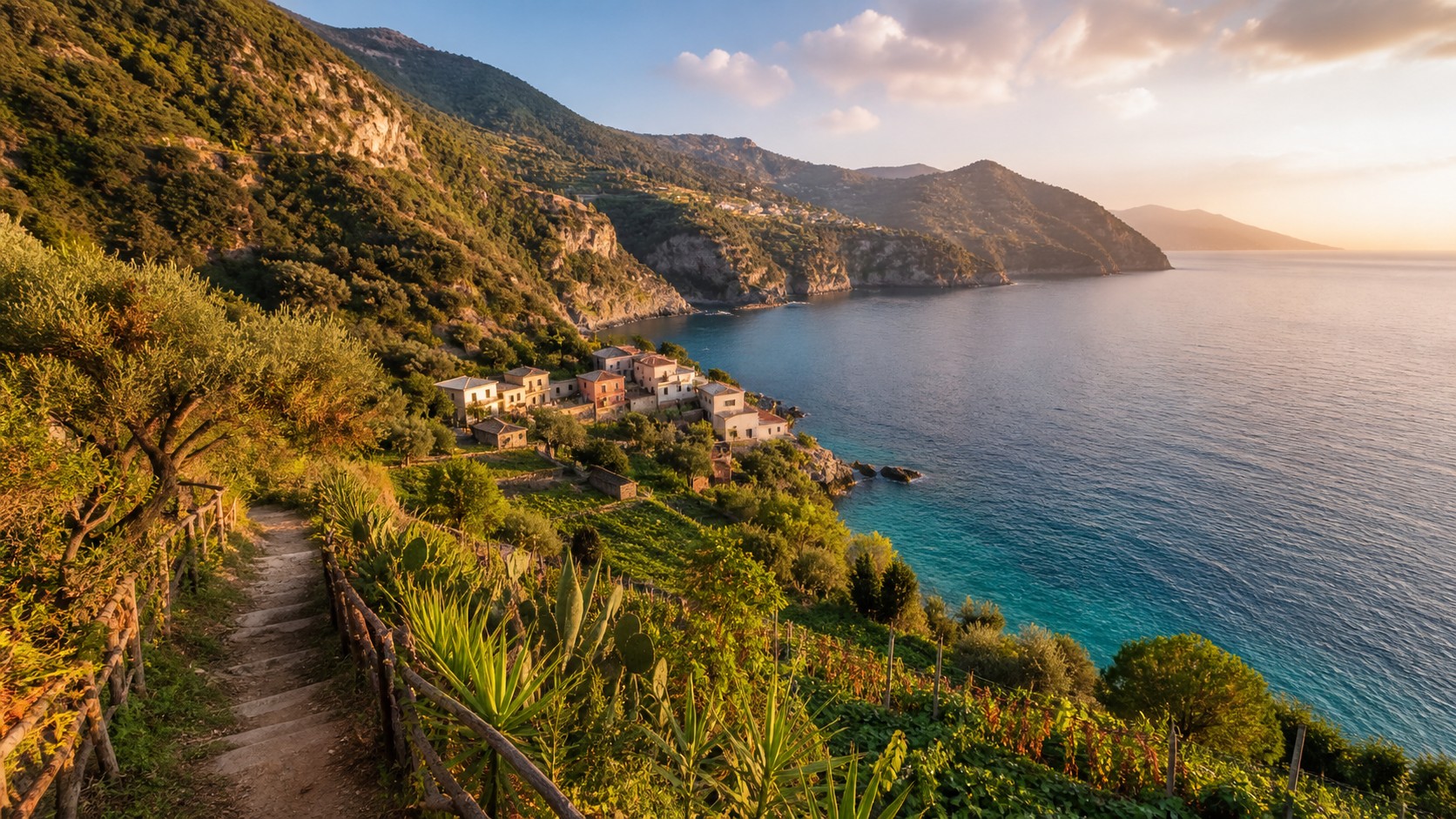
Village islands are often more satisfying than empty-looking islands because they offer a sense of belonging to a working place. A harbor, bakery, church, school, fish market, bus stop, or evening square can give travelers more pleasure than a perfect beach with nowhere to eat nearby. The best village islands allow visitors to participate gently in daily rhythm without crowding it: morning coffee, a walk to the pier, a swim, a simple lunch, an afternoon rest, and dinner where residents also eat.
Choosing lodging matters. A room near the harbor may be atmospheric but noisy when boats arrive early. A guesthouse up the hill may be quieter but require more walking. A beach cottage may feel dreamy but isolated after dark. Secret islands reward travelers who match the room location to the kind of day they want, rather than booking only the prettiest photo.
Staying several nights helps the village feel less like scenery. By the second or third day, you begin to recognize the sound of the first ferry, the quiet hour after lunch, the shop that opens later than expected, and the path that catches shade in the afternoon.
Beach Islands That Are Better Without a Scene
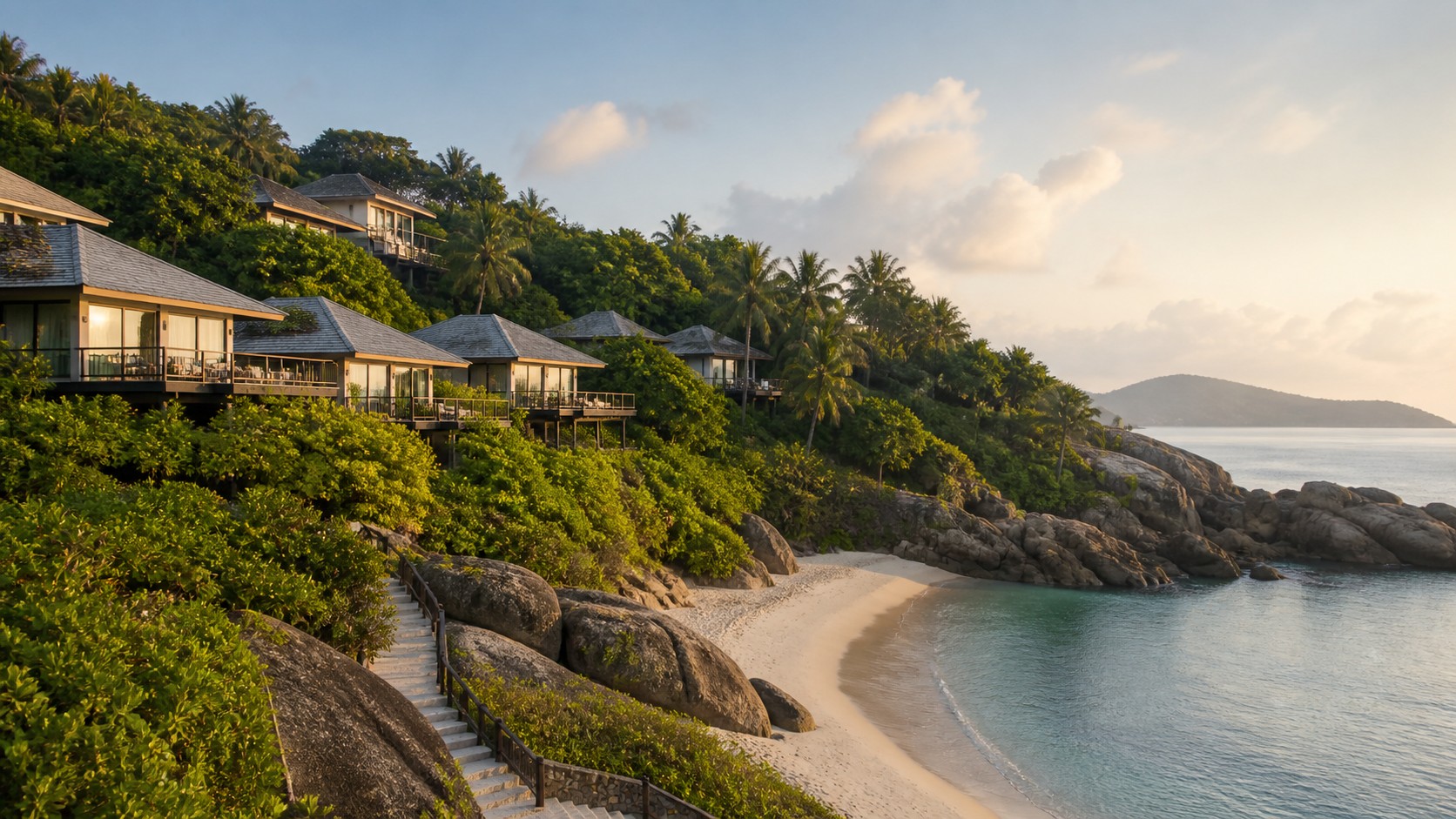
Some secret islands are beach destinations, but they are not always the ones with the loudest turquoise-water reputation. A beach island can feel more special when the coastline has variety: coves, rocks, paths, clear water, shade, small taverns, and places to swim without feeling pinned to one crowded strip. The best beach days are often simple because the island gives you options without demanding performance.
Pay attention to wind, tides, currents, seaweed, reef access, and whether beaches are public, private, rocky, sandy, or reachable only by boat. A secret beach can be magical at the right time and difficult at the wrong one. Local advice is often better than broad travel rankings because residents know which side of the island works on a windy afternoon.
A beach island feels secret when visitors can enjoy the sea without turning the whole coastline into a stage. Bring less, move gently, avoid loud speakers, and do not treat small coves as disposable picnic sites. The quiet is part of what you came for.
Wild Islands for Walkers and Weather Lovers
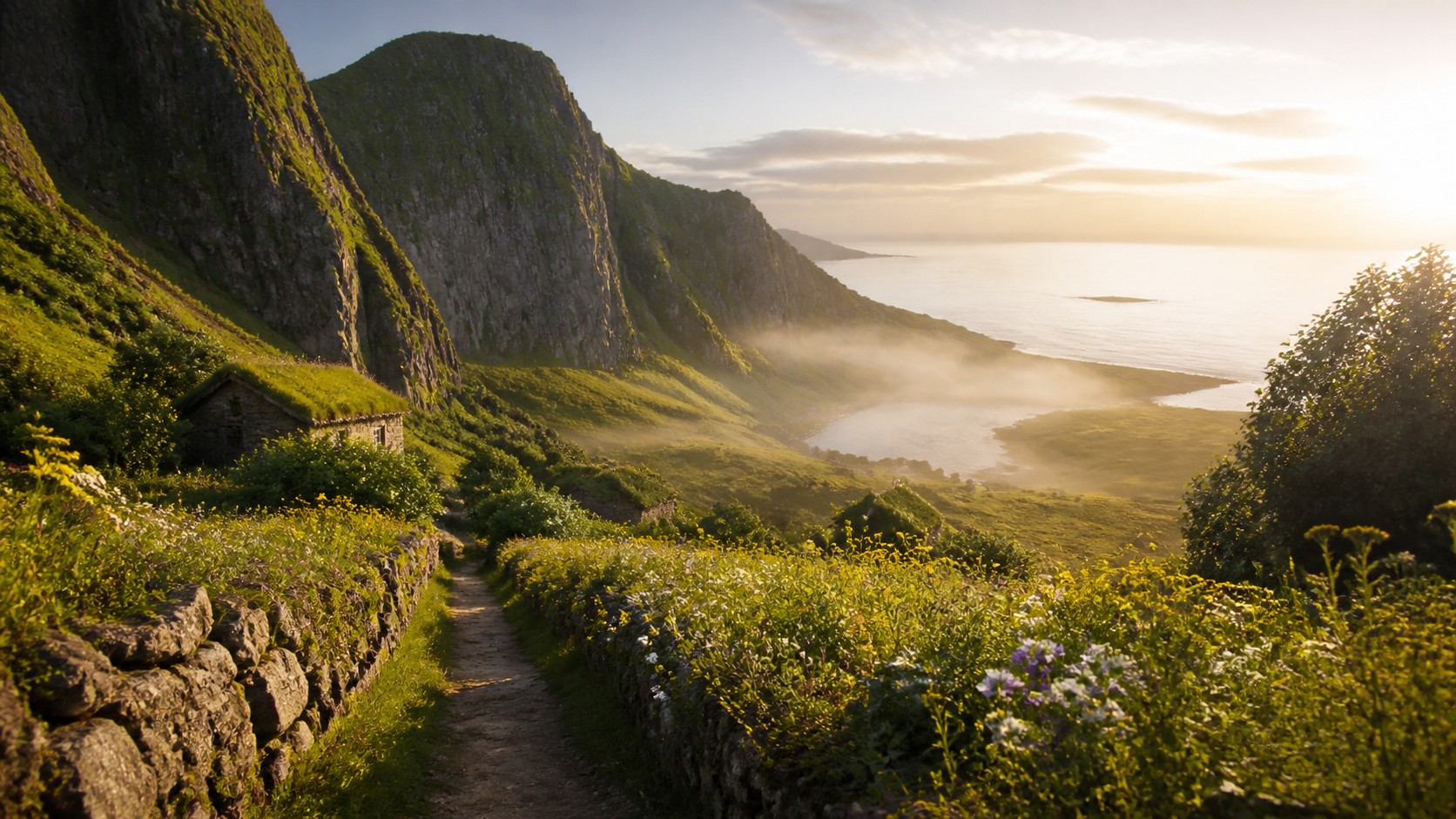
Not every secret island is tropical. Some of the most memorable ones are windswept, green, rocky, or northern, with walking paths, cliffs, birds, lighthouses, old farms, peat tracks, or small guesthouses. These islands are ideal for travelers who enjoy weather as part of the experience. Mist, rain, shifting light, and strong wind can make the landscape feel alive rather than imperfect.
Wild islands require different expectations. Swimming may be secondary to walking. Restaurants may be limited. Roads may be narrow. The best activity may be a coastal path rather than a beach chair. For the right traveler, this is the appeal. A day shaped by a long walk, a warm meal, and a view of waves hitting stone can feel more restorative than a crowded resort beach.
Pack accordingly. Layers, waterproof shoes, offline maps, and flexible plans matter. The reward is an island that feels elemental, where the vacation is built around movement, air, and the pleasure of returning indoors after being outside.
Boat-Access Islands and the Logistics of Calm
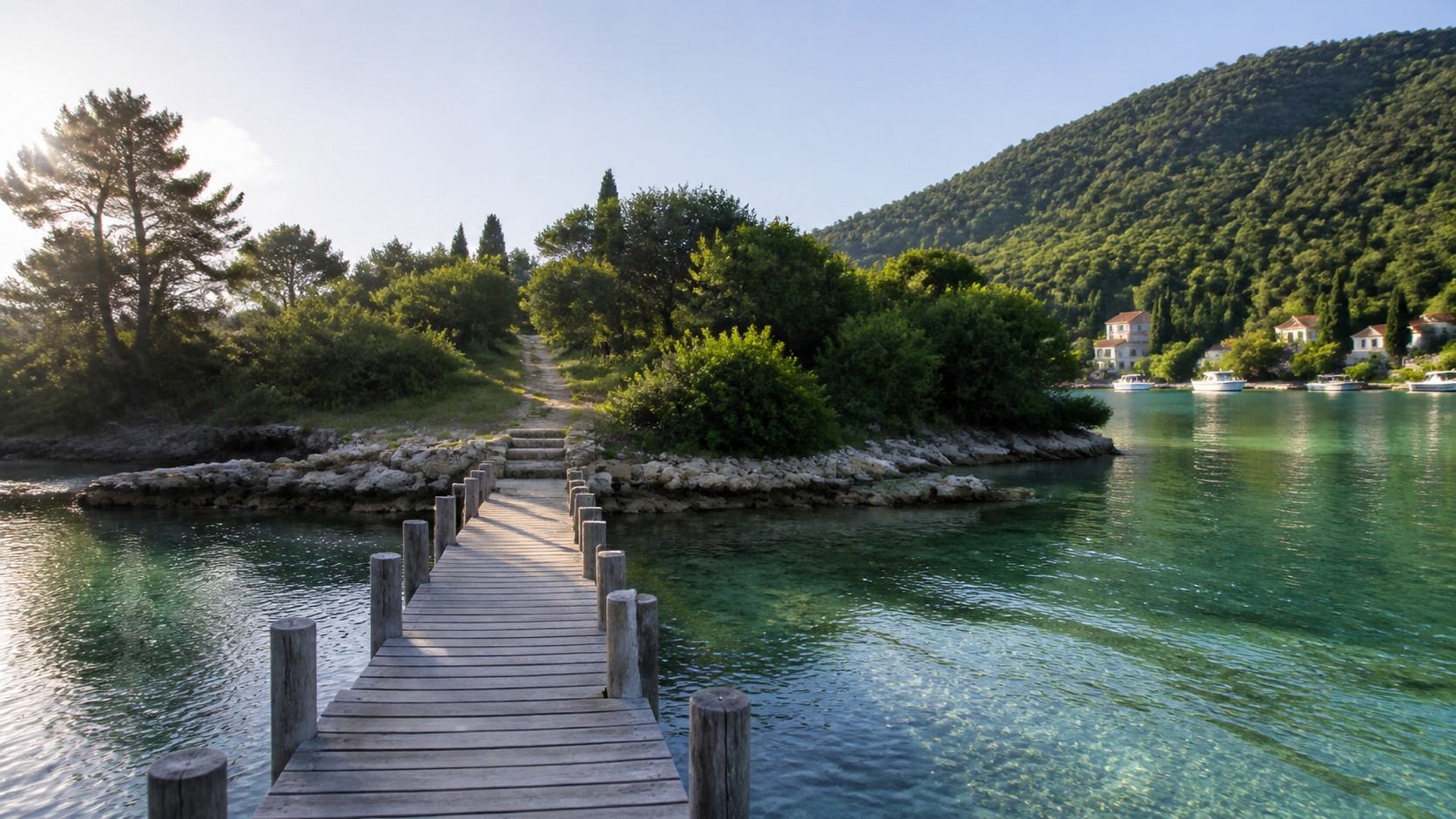
Some secret islands are reachable only by private boat, water taxi, lodge transfer, or infrequent public service. These can be wonderful, but the access plan must be clear. Ask who arranges the boat, where it departs, what happens in bad weather, how luggage is handled, whether the dock is easy to use, and what time the last return is possible. A beautiful island can become stressful if the final transfer is vague.
Boat-access islands also require more careful packing. Bring medication, cash, sun protection, layers, snacks, and anything essential that may not be sold locally. This does not mean overpacking. It means thinking through the realities of limited shops and weather-dependent movement. Calm comes from preparation.
The best boat-access stays make the transfer feel like part of the escape. The ride should slow the traveler down, not introduce anxiety.
How to Visit Without Overwhelming the Island
Small islands feel visitor behavior quickly. Water use, trash, parking, ferry crowding, noise, drones, and intrusive photography can affect residents and ecosystems more visibly than they might in a large city. Traveling well means recognizing that an island is a bounded community, not just a scenic object. Spend locally, follow access rules, use refill stations if available, carry out waste, and avoid treating residential lanes as public sets.
It also helps to visit for more than a day trip when possible. Overnight stays spread money beyond ferry tickets and allow travelers to experience calmer hours. Day trips can be fine when infrastructure supports them, but the secret-island mood usually appears before and after the day visitors leave.
Responsible sharing matters. If a fragile cove, nesting area, sacred site, or tiny village has limited capacity, avoid broadcasting exact details in a way that sends sudden crowds. Share how to visit respectfully, not only how to find the photo.
When a Secret Island Is Not the Right Choice
A secret island can disappoint travelers who actually want convenience, nightlife, shopping, constant restaurant variety, or guaranteed beach weather. There is nothing wrong with wanting those things. The mistake is booking a quiet island and expecting it to behave like a major resort hub. Limited options are often part of the charm, but only if they match the traveler.
It is also worth considering medical needs, mobility, dietary restrictions, and comfort with boats or small planes. Some islands have limited clinics, uneven paths, steep steps, or few allergy-aware kitchens. Planning honestly protects the trip. A secret island should feel freeing, not risky in ways that could have been anticipated.
How to Choose Your Island
Start with the kind of island day you want. If you want swimming, choose coves, calm water, and easy beach access. If you want walking, choose trails, cliffs, villages, and weather-friendly lodging. If you want food, look for fishing communities, farms, markets, and restaurants with local menus. If you want silence, avoid islands famous for party boats or cruise calls, even if the photos look peaceful.
Then match the access to the length of stay. A difficult transfer can be worth it for four or five nights but excessive for one. A simple ferry island may be perfect for a long weekend. The best secret islands do not make travel feel like a stunt. They make the arrival feel earned.
Finally, leave room for island time. The ferry may be late, wind may change the swimming plan, a restaurant may close, or the best beach may be the one a host mentions after breakfast. That flexibility is not a flaw in island travel. It is part of why these places feel different from everywhere else.
The Real Reward of a Secret Island
The most memorable secret islands are not secret because they are untouched. They are memorable because they still feel proportionate. The harbor is small enough to understand. The beach is not overloaded with identical loungers. The restaurant owner remembers who came in yesterday. The path to the water becomes familiar. The island feels complete at a scale a traveler can actually feel.
That is the reward of choosing a place you can truly visit rather than only imagine. You get the romance of separation without pretending the island exists outside real life. You arrive, slow down, learn its limits, enjoy its gifts, and leave with the sense that a small piece of the world briefly had edges you could hold in your mind. The best islands do not ask you to escape reality; they ask you to live inside a simpler version of it for a few days instead, peacefully, fully.