Beauty Feels Different When There Is Room to Notice It
The most beautiful hidden travel destinations do not always look dramatic at first glance. Some are subtle: a lake that changes color under passing clouds, a stone town that glows only in late afternoon, a desert valley that seems empty until the stars arrive, a coastal path where the best view is found between villages rather than at a named overlook. Famous beauty often comes with pressure. Hidden beauty gives travelers room to breathe, look twice, and let a place unfold without the noise of everyone trying to capture the same moment. The point is not to chase obscurity as a prize. It is to choose destinations where beauty still feels connected to landscape, weather, history, local life, and the pace of being there.
A: Search around the edges of famous regions, follow landscape types, and use local sources instead of only broad travel rankings.
A: Some are, but many simply require better timing, regional transport, or one extra connection beyond the obvious route.
A: Shoulder seasons often balance beauty and calm, though mountains, islands, deserts, and forests each need specific weather research.
A: Use restraint, especially when a place is fragile, sacred, privately accessed, or already struggling with unmanaged visitors.
A: Yes. Many overlooked regions have excellent inns, lodges, and boutique stays without mass-tourism intensity.
A: Three nights is a useful minimum when weather, light, trails, or slow transport shape the experience.
A: It often feels less scripted, giving travelers more space to notice atmosphere, local life, and changing conditions.
A: They can be when access, lodging, food, safety, and activities match the family's comfort level.
A: Stay on marked routes, spend locally, respect closures, avoid intrusive photography, and carry out waste.
A: Match the landscape to your desired pace, comfort level, season, and willingness to plan around local conditions.
Why Lesser-Known Beauty Can Feel More Powerful
A famous view can be astonishing and still feel strangely difficult to receive when the experience is crowded, scheduled, and framed by expectation. Lesser-known places often make a different kind of impression because travelers arrive with fewer images already fixed in their minds. The first encounter feels more personal. You notice the smell of pine, the way water moves under a bridge, the call to prayer over rooftops, or the silence after a trail turns away from the road. Without a famous image to measure against, the destination has room to surprise you on its own terms.
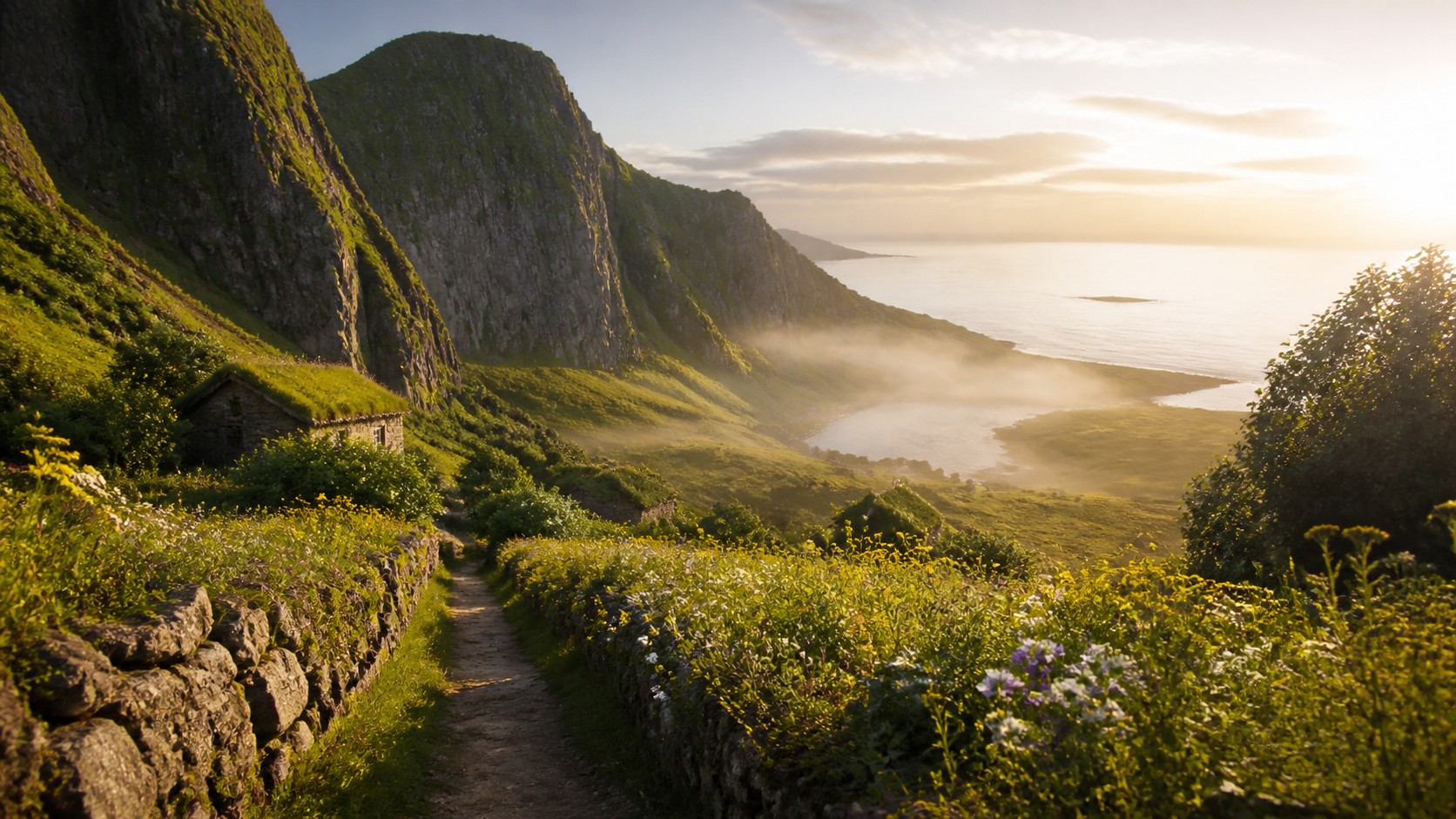
Hidden beauty also rewards duration. A destination that does not rely on one iconic angle can change throughout the day. Morning mist may be the best part of a valley. Midday might reveal mineral color in cliffs or water. Evening may soften a village, vineyard, or harbor until the whole place feels newly composed. When beauty is spread across hours instead of concentrated into a single viewpoint, travelers become more attentive.
That attentiveness is the real luxury. It turns travel from consumption into participation. You are not just seeing something beautiful; you are learning how a place becomes beautiful in its own terms.
Lake Valleys and Mountain Edges
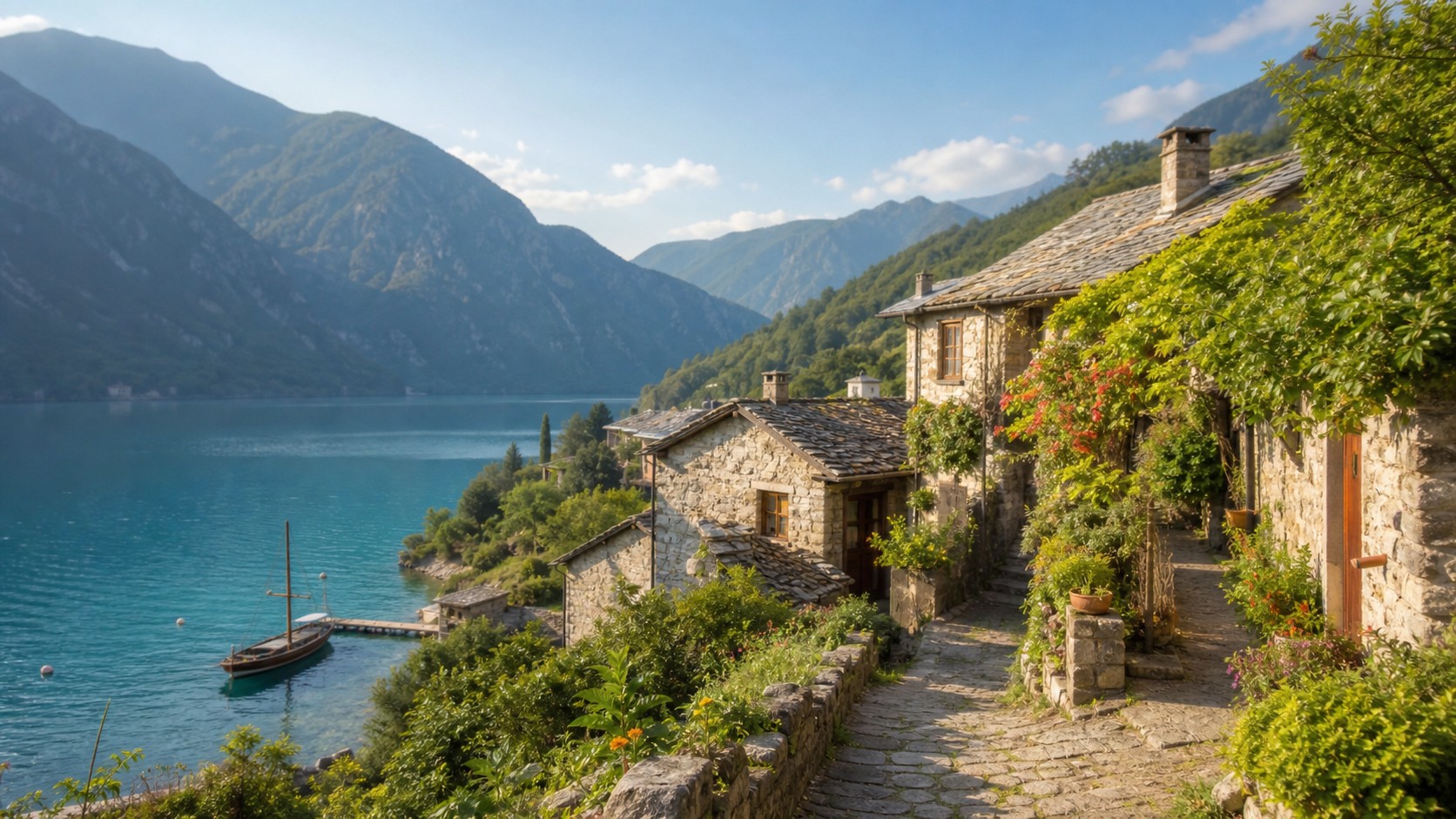
Some of the world’s most beautiful hidden escapes sit around lakes that have not become major resort brands. Alpine basins, Balkan lakes, Andean lagoons, Japanese crater lakes, Canadian backcountry waters, and small Nordic lake districts can offer a striking mix of reflection, weather, forest, stone, and village life. The mood is often quieter than a famous mountain resort because the water spreads visitors out and gives each hour a different surface.
Mountain-edge destinations work best when travelers respect scale. The village that looks close may sit across a steep pass. The lake path may take longer than expected because every bend invites a pause. Weather can turn quickly, and that volatility is part of the beauty. A hidden mountain destination should be planned with flexibility, layers, good footwear, and enough nights to wait for the light that makes the journey feel worthwhile. It also helps to choose lodging close to the landscape you came for, because long daily drives can flatten the calm these places are meant to create.
Coasts Without the Performance
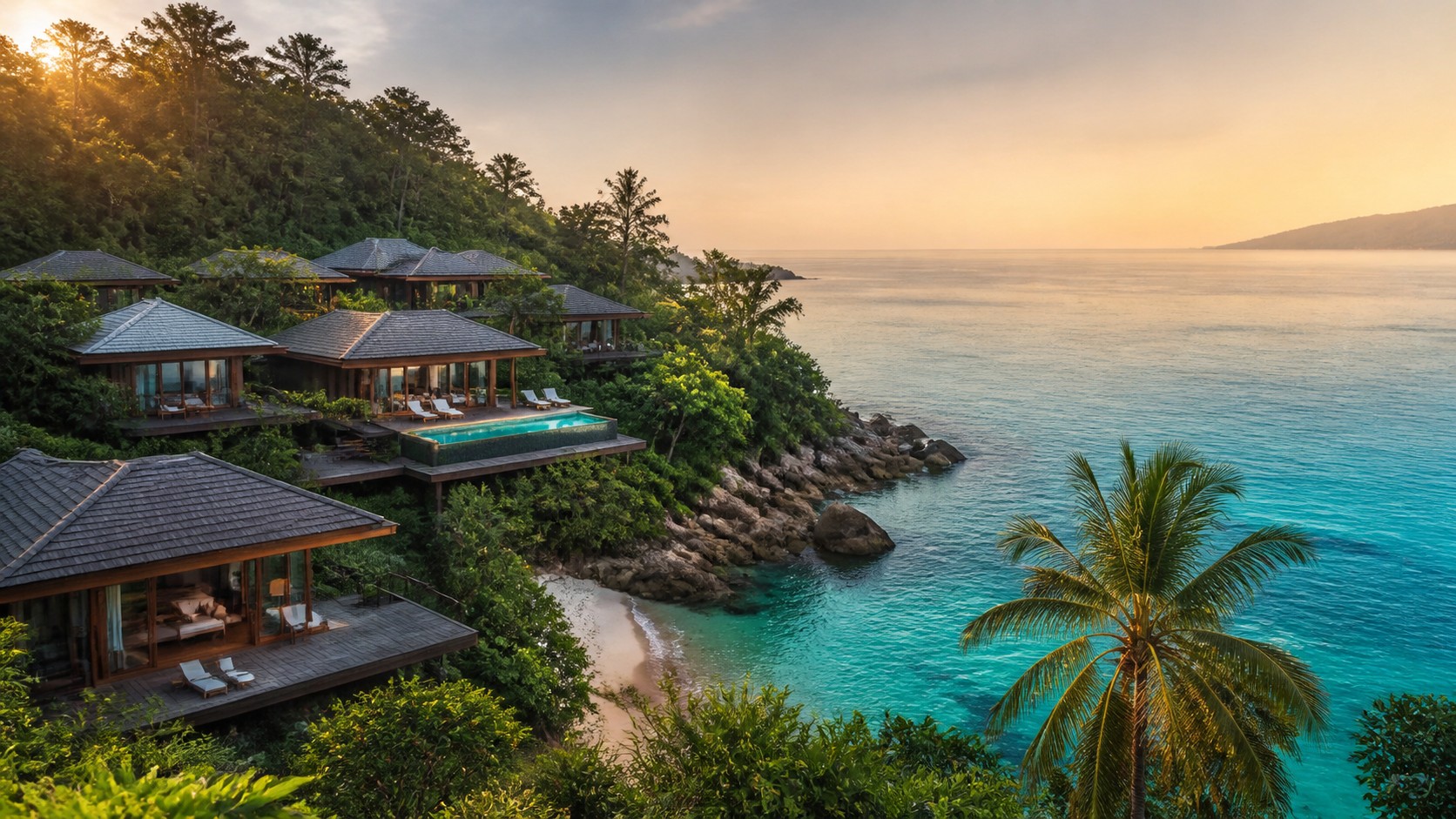
A beautiful hidden coast is not necessarily empty sand. It may be a fishing village, a wind-shaped headland, a black-pebble beach, a string of coves, or a ferry route where the scenery gathers slowly. The best underrated coastlines often feel textured rather than polished. Boats matter. Tide matters. Local restaurants still know the morning catch. Footpaths connect beaches that do not need beach clubs to feel complete.
Travelers looking for quieter coastal beauty should think beyond the usual promise of turquoise water. Atlantic cliffs, Baltic islands, Adriatic inlets, Pacific forest shores, Indian Ocean villages, and volcanic coastlines each offer different forms of beauty. Some are best for swimming, while others are best for walking, watching weather, eating seafood, or reading beside a window with the sea just beyond it.
The key is choosing the right season. A hidden beach can feel miraculous in shoulder season and frustrating when wind, seaweed, rain, or closures arrive. Beauty is not separate from conditions. Research tides, currents, local holidays, ferry schedules, and whether the coastline has shade, food, and respectful public access.
Desert Places That Reward Patience
Deserts are often misunderstood by travelers who expect beauty to be lush. Hidden desert destinations offer a more elemental drama: shadow, texture, silence, rock, heat, sky, and the astonishing change between afternoon glare and evening color. Oases, canyon towns, dune edges, salt flats, and high desert villages can feel almost private because many visitors underestimate how much there is to notice.
The most beautiful desert trips depend on timing. Sunrise, late afternoon, and night can be far more rewarding than midday sightseeing. A good plan leaves space for rest, water, shade, and local guidance. The desert is not a backdrop for improvisation. It is a place where beauty and seriousness travel together.
When planned well, a desert escape can feel deeply restorative. The reduced palette sharpens attention. A small line of palms, a blue door, a carved doorway, or the first stars after dinner can feel vivid in a way that more crowded landscapes rarely allow.
Old Towns That Have Not Become Stage Sets
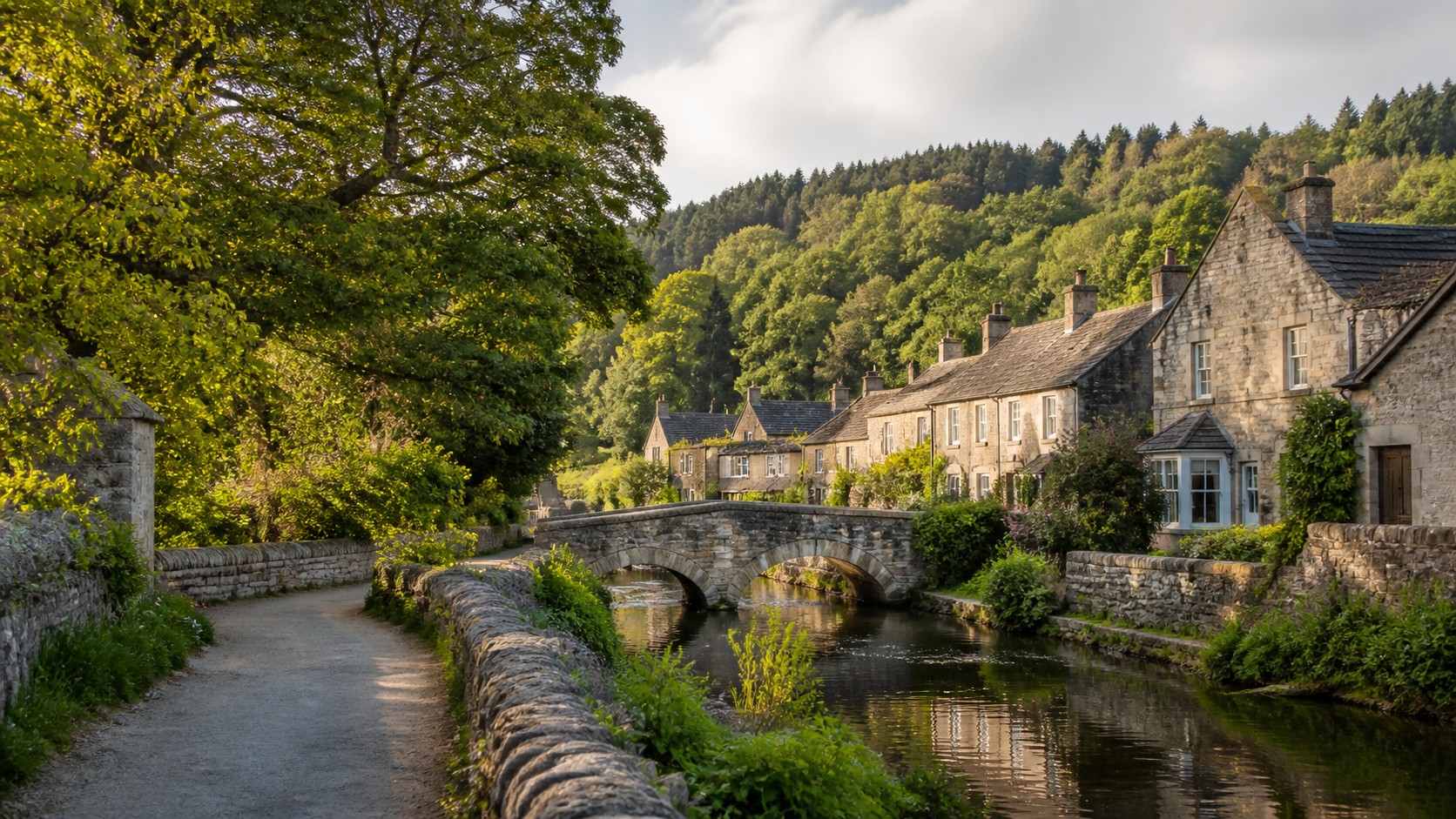
Many travelers love historic towns, but the most famous ones can feel as if daily life has been pushed behind souvenir windows. Lesser-known old towns can be more moving because residents, markets, schools, churches, mosques, bakeries, and workshops still share the streets with visitors. Beauty comes from continuity. Stone steps are worn because people use them. Shutters open in the morning for ordinary reasons. The square is not only a backdrop; it is still a room for the community.
The best hidden historic towns are not frozen. They have enough preservation to hold their character and enough ordinary life to avoid feeling theatrical. They may sit in inland Portugal, mountain Spain, eastern Europe, the Caucasus, North Africa, Central Asia, rural Japan, or Latin American highlands. The geography varies, but the feeling is similar: architecture, food, sound, and routine overlapping in a way that makes beauty feel inhabited.
Gardens, Forests, and Green Retreats
Some hidden beauty is green rather than grand. Cloud forests, tea hills, botanical valleys, mossy islands, river gorges, cedar groves, and garden villages can feel intimate because the landscape surrounds rather than overwhelms. These destinations are ideal for travelers who want softness: filtered light, birdsong, slow paths, rain on leaves, and places where the main activity is noticing.
Green destinations require special care because trails, roots, wildlife, and water systems can be fragile. Stay on marked paths, use local guides where needed, avoid loud behavior around wildlife, and choose lodgings that manage water and waste responsibly. The most beautiful forest escape loses its magic quickly when visitor pressure damages the quiet that made it desirable. Rain should be treated as part of the atmosphere rather than a failure, especially in places whose moss, rivers, and deep color depend on wet weather.
How to Find Places Before They Become Obvious
One way to find beautiful hidden destinations is to search around the edges of famous regions. If everyone is going to the same island, look at the neighboring island with fewer flights. If one alpine lake dominates social media, study the valleys reached by regional buses. If a capital city gets all the attention, look for smaller cities with universities, rivers, old quarters, or nearby national parks.
Another approach is to follow landscape types instead of destination lists. Search for limestone villages, volcanic lakes, salt marshes, tea terraces, canyon monasteries, fjord farms, cloud forest lodges, or desert kasbahs. This kind of research leads to places that fit a mood rather than a trend. It also helps travelers understand why a destination is beautiful before they arrive.
Do not ignore practical clues. A place with a few good guesthouses, seasonal restaurants, walking routes, and local transport may be more rewarding than a dramatic location with no support. Hidden beauty should still be visitable in a way that feels respectful and calm. The best base is often not the prettiest village in every photo, but the one that lets you reach several quiet places without turning each day into a transfer.
Photograph Less, Stay Longer
Beautiful hidden places often suffer when travelers treat them as visual trophies. A quick stop can produce a strong photo while leaving almost no understanding of the destination. Staying longer changes the relationship. You see where people buy bread, which trail is quiet after lunch, how the harbor sounds before breakfast, and which direction the light moves across a hillside.
Photography can still be part of the pleasure, but it should not become the whole reason for being there. Put the camera away during meals, conversations, walks through residential lanes, and moments that feel private to local life. The most beautiful memory may be one you did not record because you were finally present enough to notice it fully. Hidden destinations often reward the traveler who lets one perfect view pass without chasing it, then notices the next one with calmer, grateful eyes afterward instead.
Responsible Beauty Is Part of the Choice
A destination being beautiful does not mean it can absorb unlimited attention. Fragile beaches, narrow old streets, delicate alpine meadows, reef systems, desert tracks, and sacred sites can be harmed quickly by careless enthusiasm. Responsible planning is not a moral decoration added after the fun. It is part of how hidden beauty remains available for residents, wildlife, and future travelers.
Choose operators who speak clearly about limits. Respect closures. Avoid entering private land for a better view. Do not remove shells, stones, plants, or artifacts. Spend money with local businesses. Travel outside peak hours when possible. These choices may sound small, but in quiet destinations small choices are visible. A beautiful place is not only a view to receive; it is a shared setting that asks visitors to behave like temporary neighbors.
Choosing the Beautiful Place That Fits Your Trip
The right hidden destination should match your energy. If you want visual drama, choose mountains, cliffs, deserts, or volcanic coastlines. If you want calm, look for lakes, gardens, forest lodges, or small islands. If you want culture with beauty around it, focus on lesser-known old towns, wine regions, pilgrimage routes, or river cities. A beautiful trip becomes easier when the landscape supports the kind of day you actually want to have.
It also helps to be honest about comfort. Some beautiful hidden places require driving, hiking, early starts, simple lodging, limited dining, or patience with weather. Others offer boutique hotels, excellent food, and easy transfers while still feeling overlooked. Neither version is better. The best choice is the one where beauty can be enjoyed without the trip becoming a test.
When a hidden destination is chosen well, it lingers differently from a famous place. You may remember the color of the lake, but also the quiet cafe nearby. You may remember the cliff, but also the path that led there. Beauty becomes not only what you saw, but how gently the whole trip allowed you to see it.