The Difference Between Secluded and Truly Private
A secret resort is not defined only by distance from a major airport. Some properties are remote but exposed, busy, or oddly generic once guests arrive. Others sit a short transfer from civilization yet feel wonderfully private because the design protects space, the staff understands discretion, and the surrounding landscape still feels alive. The best private paradises are not trying to prove how hard they are to reach. They make the rest of the world feel quieter without making the guest feel stranded. For travelers planning a honeymoon, milestone trip, restorative solo escape, or rare family retreat, the right resort balances seclusion with ease: beautiful rooms, thoughtful food, generous outdoor space, reliable logistics, and a setting that feels specific enough to stay in memory long after checkout.
A: No. Some feel private because of design, spacing, and service, even when they are not extremely far from an airport.
A: Choose privacy, food quality, transfer ease, weather timing, and a room with outdoor space you will actually use.
A: Four nights is often a good minimum when transfers are long, though closer hideaways can work for shorter stays.
A: They can be when the setting, food, reef or beach quality, service, and transfer experience all meet the price.
A: Relying on official photos without checking recent guest images, room spacing, seasonal conditions, and transfer details.
A: Yes, if the property has suitable room layouts, safe swimming, flexible dining, and activities beyond silence.
A: Often they do, because outside restaurants may be limited, but quality and menu variety matter more than the label.
A: Ask about sightlines, room maps, beach access, guest capacity, noise, and whether outside visitors use the property.
A: Not necessarily. Thoughtful, low-friction service matters more than a formal title or constant personal attention.
A: A resort becomes memorable when setting, space, food, service, and quiet all support the same restorative mood.
What Makes a Resort Feel Secret
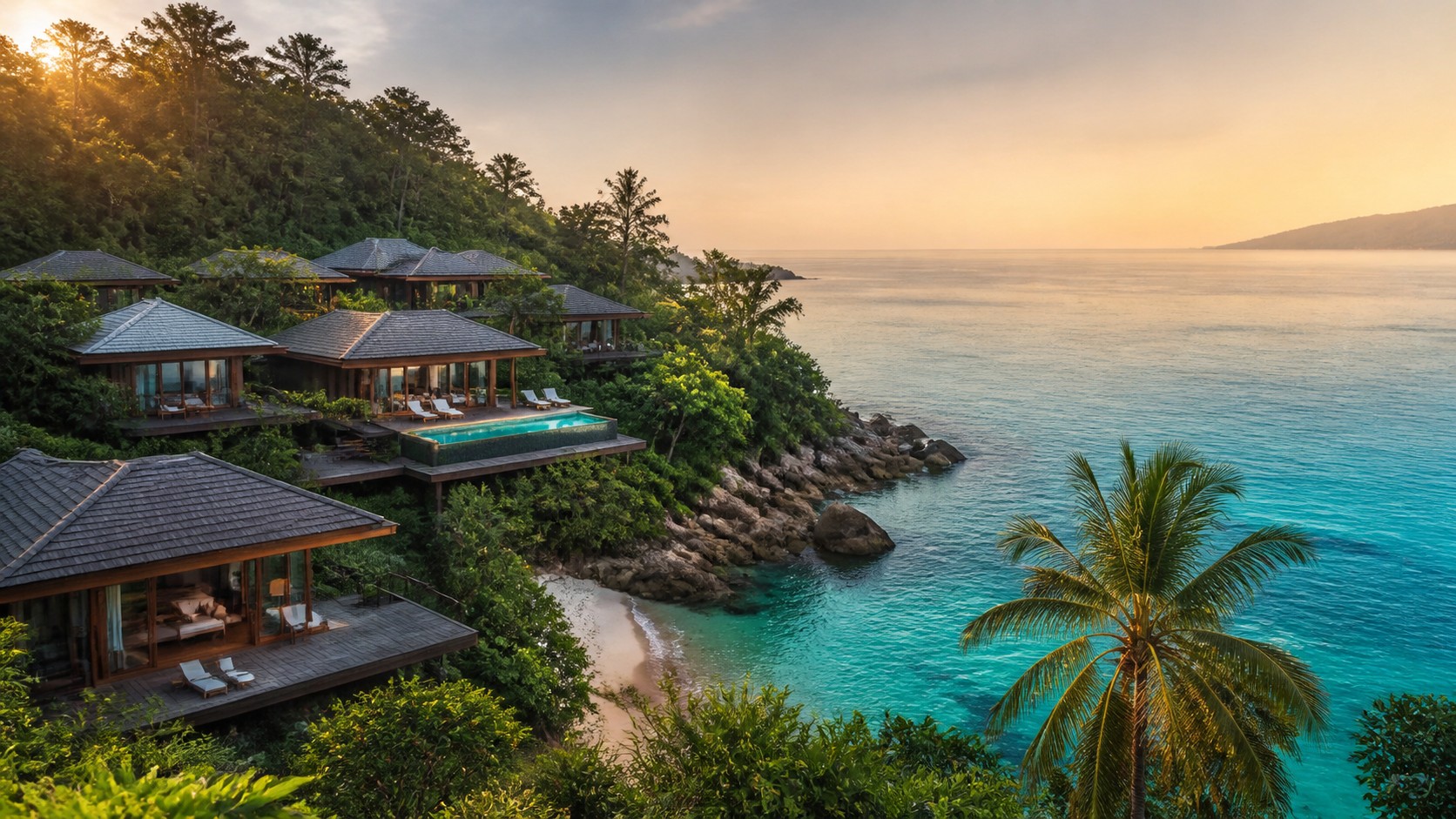
Privacy begins with layout. A resort can have an impressive beach, but if every villa faces the same walkway or every table sits within earshot of another conversation, the illusion collapses quickly. The most secret-feeling properties use natural curves, vegetation, elevation, coves, courtyards, distance, and orientation to give guests a sense of protected space. You notice it when breakfast feels unhurried, when a pool is not a performance, and when the best view does not require sharing a platform with a dozen other people.
Scale matters too. A small resort is not automatically better, but the guest count should match the landscape. Ten rooms on a tiny island may feel perfect, while the same number in a wide desert valley might feel sparse in an unfinished way. The strongest properties understand their setting and let privacy feel organic rather than defensive. You are not hidden behind walls; you are gently held by the place.
True privacy also depends on service. Staff should be present without hovering, helpful without scripting every hour, and confident enough to solve problems quietly. The best resorts make privacy feel easy because guests do not have to keep asking for it.
Private Islands, Quiet Peninsulas, and Remote Shores
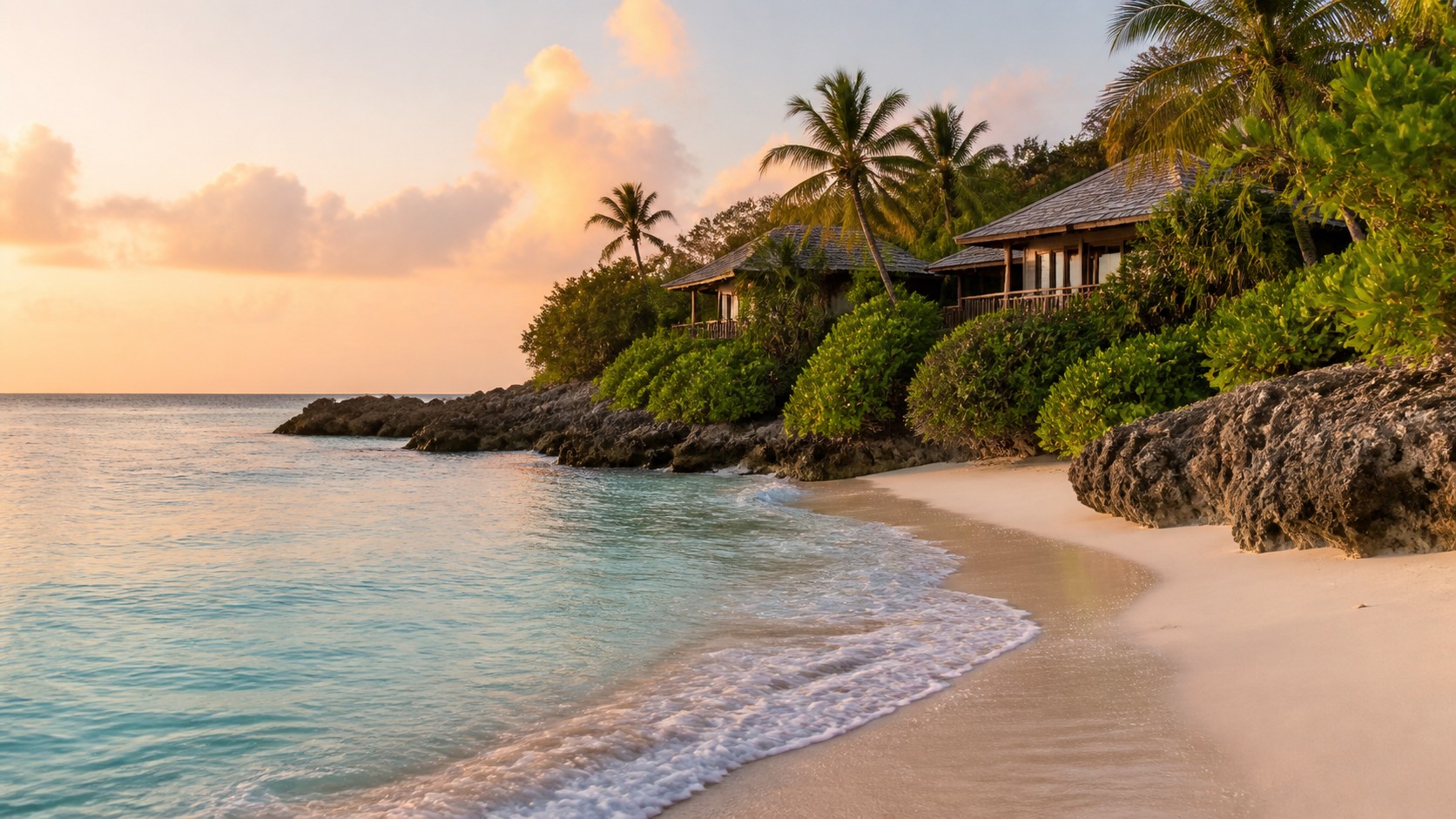
The clearest version of a private paradise is often surrounded by water. Private island resorts in the Maldives, Seychelles, Caribbean, Indonesia, Fiji, and parts of the Great Barrier Reef can create an immediate sense of separation from ordinary life. The arrival itself becomes part of the transition: a seaplane, boat, small dock, reef channel, or palm-lined path that marks the edge between travel day and retreat.
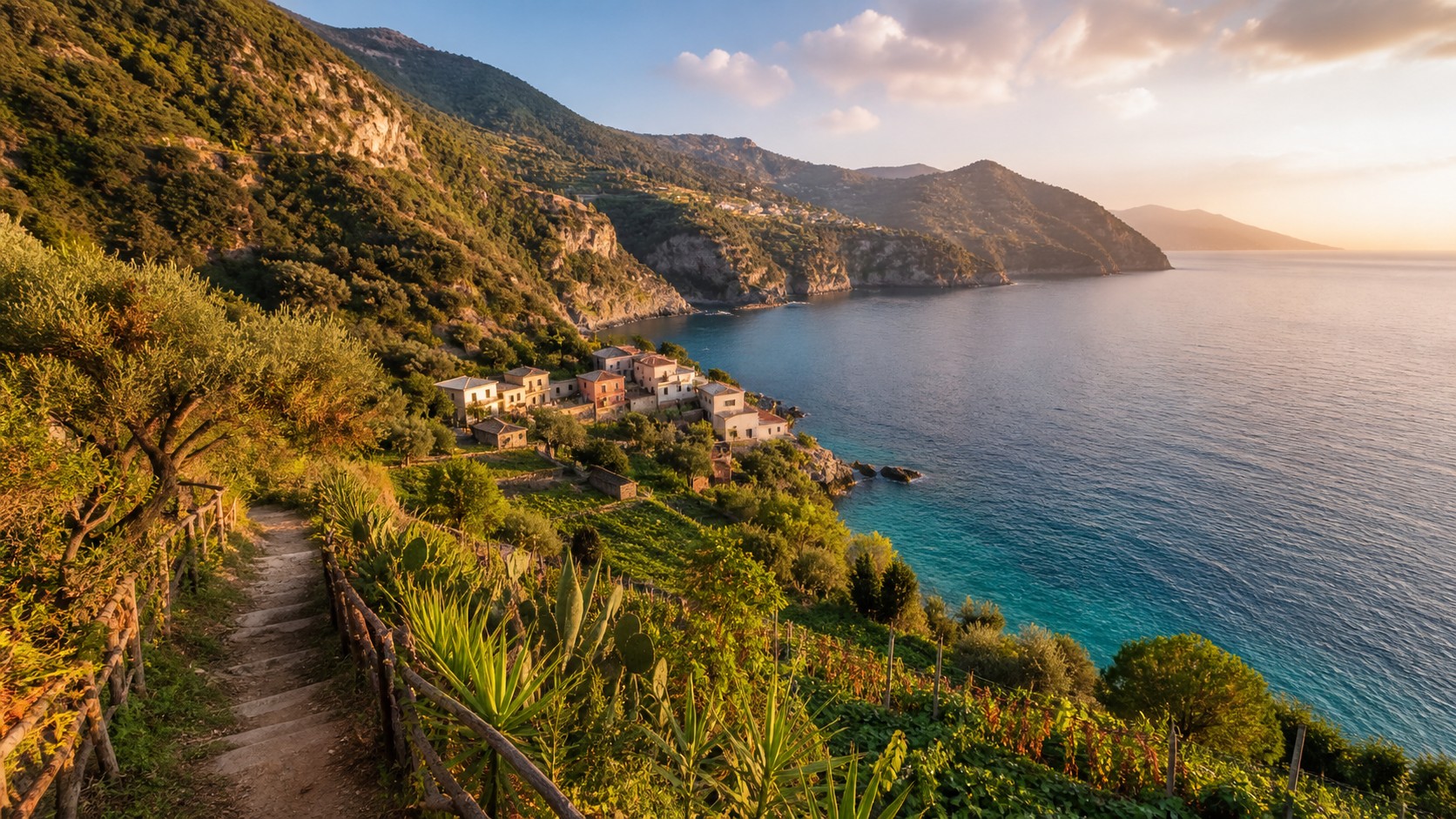
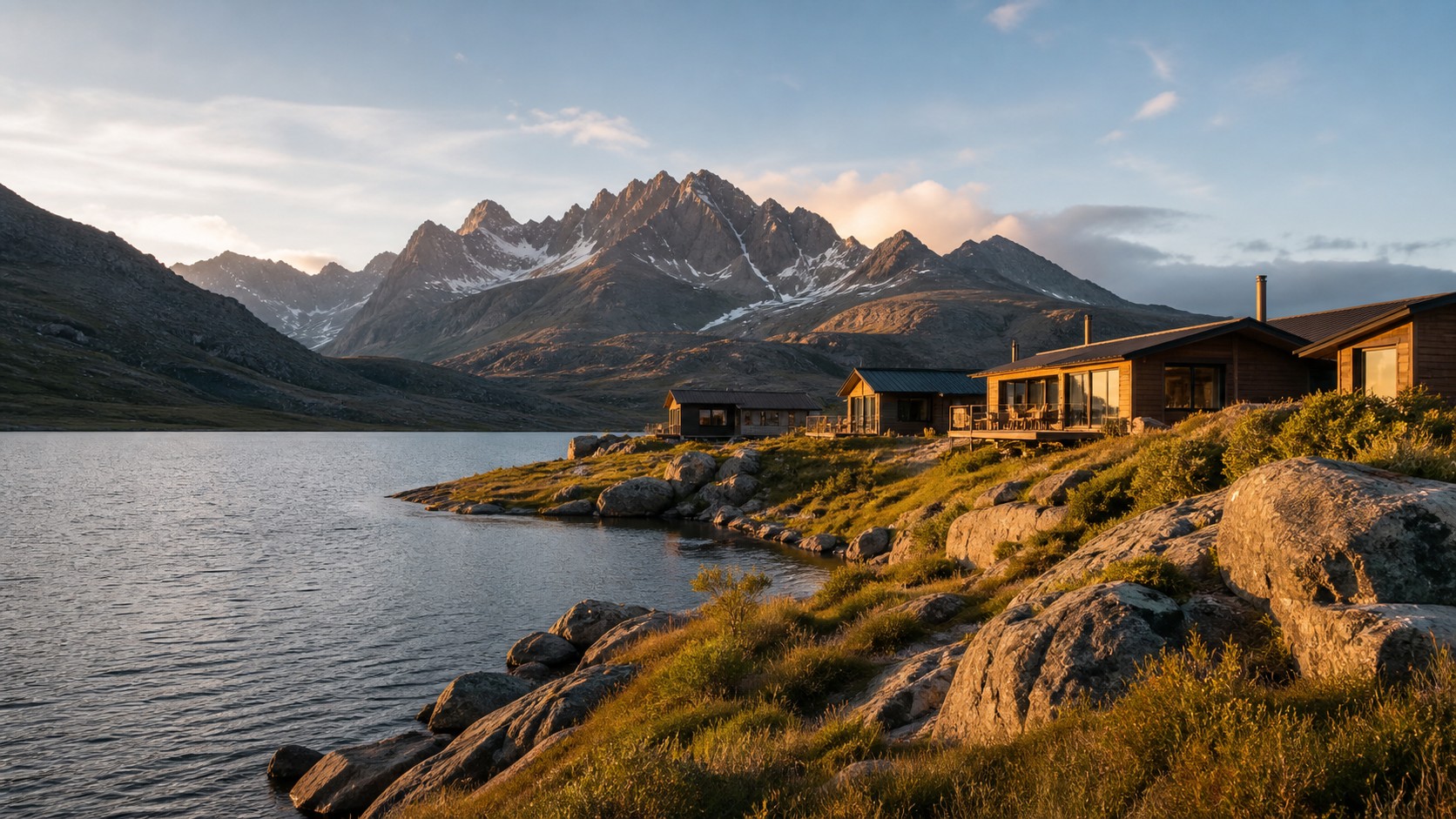
But islands are not the only answer. Quiet peninsulas, lake lodges, cliffside hideaways, and protected bays can feel just as secluded while offering easier access to culture, hiking, markets, or nearby villages. In some cases, a mainland property with a private cove is more satisfying than an island where guests eat every meal in one controlled environment. The right choice depends on whether you want total enclosure or a private base with the option to explore.
The Arrival Should Feel Choreographed, Not Complicated
Hidden resorts often fail or succeed before check-in. A long journey can feel romantic when transfers are clear, luggage is handled well, and someone has thought through weather, timing, and fatigue. The same journey can feel punishing when guests are passed between drivers, docks, domestic flights, and vague instructions. Before booking, study the entire arrival path, not only the room photos. Ask what happens if a flight is delayed, whether the boat runs after dark, how long the final road takes, and whether the resort coordinates every segment.
A seamless arrival does not need to be flashy. Sometimes the best luxury is simply being met by the right person at the right time with cold water, a clean vehicle, and no uncertainty. For faraway resorts, that competence is part of the product. The more remote the paradise, the more important it is that the property has mastered the unglamorous details. This includes departure, too, because the final morning can undo the calm of a trip if guests are rushed through confusing transfers or left guessing about timing. Good logistics protect the spell from start to finish beautifully, too.
Rooms That Protect the Mood
A private resort room should do more than look expensive. It should protect sleep, light, air, bathing, storage, and the small rituals that make a stay restorative. The bed should feel sheltered. The terrace should invite use at different hours. The bathroom should be beautiful without sacrificing privacy. Views should be framed carefully, especially when rooms are close to water, paths, pools, or other villas.
The best suites and villas have a sense of sequence. There is somewhere to drop bags, somewhere to read, somewhere to swim or soak, somewhere to dress comfortably, and somewhere to watch the day change. This sounds simple, but many photogenic rooms are awkward once occupied. A secret paradise should make ordinary moments feel graceful, not force guests to perform around furniture arranged for a camera.
Outdoor space deserves special attention. A plunge pool, garden shower, shaded deck, hammock, or private steps to the beach can transform the stay if it is genuinely usable. Privacy screens, planting, and orientation matter more than square footage. A terrace that catches harsh afternoon sun with no shade may photograph beautifully and still sit empty for most of the trip, while a smaller veranda with breeze and cover can become the room’s emotional center.
Food Is Where Isolation Becomes Obvious
At a secluded resort, food has unusual power. Guests may not have easy access to outside restaurants, so the property must carry the whole culinary mood of the trip. A private paradise should not make every meal feel like a captive-audience compromise. Menus should have range, pacing, freshness, and a meaningful relationship to the region. Seafood, produce, spices, breads, fruit, local cooking methods, and seasonal details can make the resort feel rooted rather than imported.
Variety matters most on longer stays. A three-night escape can survive a narrow menu; a week cannot. Ask whether private dining, beach meals, changing specials, dietary needs, and local dishes are handled with care. The answer tells you a lot about whether the resort understands privacy as comfort or merely sells it as scenery. The best kitchens make repetition feel voluntary: guests return to a favorite breakfast or grilled fish because it is excellent, not because every other option has run out.
Service Should Be Personal Without Feeling Possessive
Many secret resorts advertise butlers, hosts, villa attendants, or personal concierges. These can be wonderful when the service style matches the guest. They can also feel intrusive if every movement becomes managed. The best private properties learn preferences quickly, then create room for guests to forget about logistics. Towels appear without ceremony. Excursions are confirmed without repeated calls. Dinner timing adapts. Problems are fixed without turning the guest into a project manager.
Communication style is worth considering before arrival. Some travelers want a digital chat with immediate responses; others want as little phone interaction as possible. A strong resort can usually accommodate both. What matters is that service supports the reason you came: rest, celebration, intimacy, nature, or uninterrupted time together.
Nature Should Be More Than a Backdrop
A private paradise feels richer when the landscape is treated as a living place rather than a decorative setting. Reef resorts should be serious about marine life, anchoring practices, water use, and guest education. Forest lodges should understand trails, wildlife, local communities, and fire or erosion risks. Desert retreats should be honest about heat, water, light pollution, and the fragility of the terrain. Privacy should not be purchased by ignoring the ecosystem that creates the beauty.
The most memorable resorts invite guests into the setting carefully. A guided reef swim, dawn bird walk, stargazing session, garden tour, traditional cooking lesson, or conservation visit can add depth without turning a quiet trip into a schedule. These experiences work best when they are optional, small-scale, and led by people who know the place intimately. They also help guests understand why certain rules exist, whether that means keeping distance from wildlife, avoiding reef contact, limiting lights at night, or respecting community boundaries.
When Ultra-Luxury Is Not the Right Fit
A secret resort does not have to be the most expensive property in a region. In fact, some travelers find deeper privacy at a modest lodge, a remote inn, or a small family-owned retreat that offers fewer amenities but more sincerity. Ultra-luxury can be extraordinary, yet it sometimes creates a polished bubble that feels interchangeable across countries. If the goal is a private paradise with emotional texture, look beyond thread counts and infinity pools.
The right fit depends on what kind of quiet you want. Some guests want candlelit dinners, spa rituals, villa pools, and highly choreographed service. Others want sea breezes, walking paths, simple meals, and a place where nobody cares what they are wearing. Both can be valid. Trouble begins when the resort’s version of paradise is different from yours. Read for tone as much as amenities; phrases about scene, nightlife, and social energy point to a very different stay than language about solitude, nature, and unstructured time.
How to Book Without Being Misled
Photos can overstate privacy. Wide lenses hide neighboring villas, drone shots ignore boat traffic, and sunset images make every beach look empty. Before booking, read recent reviews for noise, construction, service delays, food repetition, transfer problems, insects, rough seas, seaweed, low tide, or visible neighbors. Look for guest photos because they often reveal spacing, sightlines, beach conditions, and how the property feels outside the hero images.
It is also worth contacting the resort directly with specific questions. Ask which room categories are quietest, whether villas are overlooked, how far the farthest rooms sit from restaurants, what activities require advance booking, and which months bring the best water or weather. A confident property will answer clearly. Vague replies can be a warning sign, especially for expensive remote stays. The tone of the response matters as much as the facts; thoughtful answers usually indicate a team that understands individual trips rather than only selling room inventory. Also ask which costs sit outside the nightly rate, because boat transfers, conservation fees, premium dining, and guided activities can change the real price of privacy.
The Best Private Paradises Leave Room for Nothing
The deepest luxury at a secret resort is often not the villa, the boat, or the view. It is the permission to have an unscheduled day that still feels complete. You wake without rushing, swim before breakfast, read in shade, eat something simple and excellent, walk when the heat softens, and watch the sky change without feeling that you missed the point of the trip.
That is why the best hidden resorts are not merely secluded. They are composed. They understand arrival, room design, food, service, ecology, and pacing as parts of one experience. When those pieces work together, privacy stops being a marketing word and becomes a feeling: the rare sense that the world has opened a quiet pocket just large enough for you. The strongest stays make returning to ordinary noise feel surprising, because the calm has started to feel natural.