Where Hidden Travel Still Feels Like Discovery
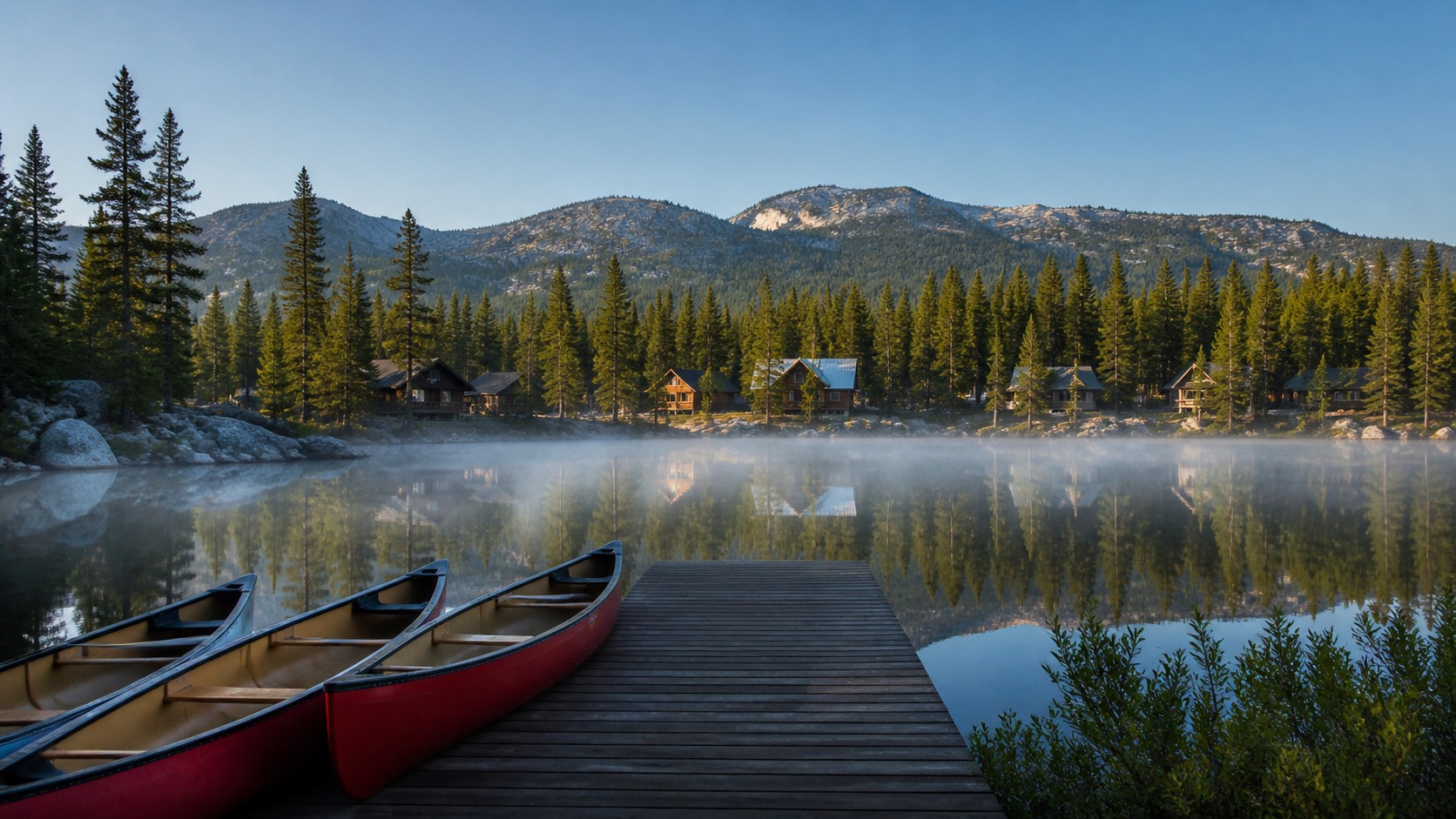
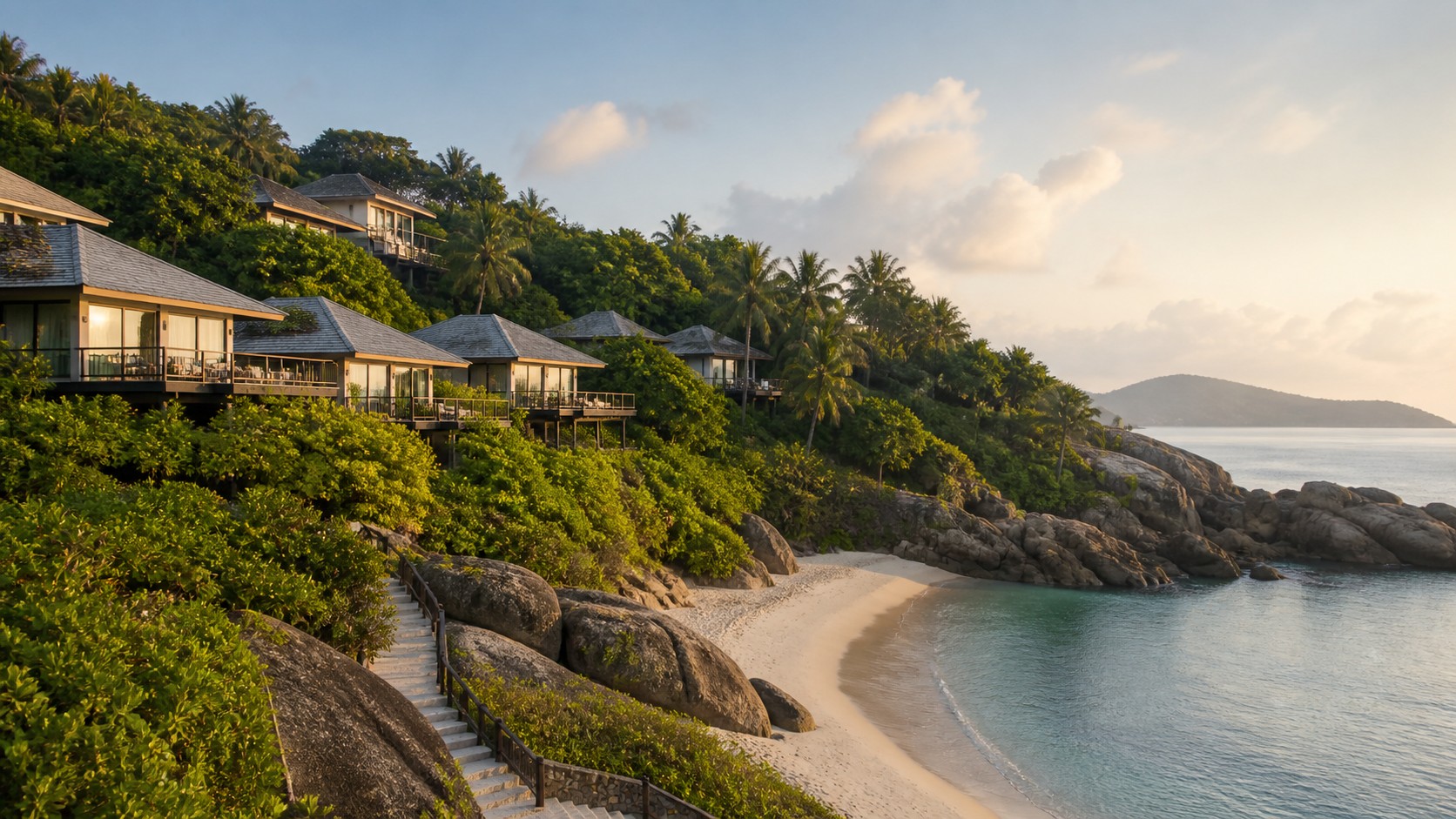
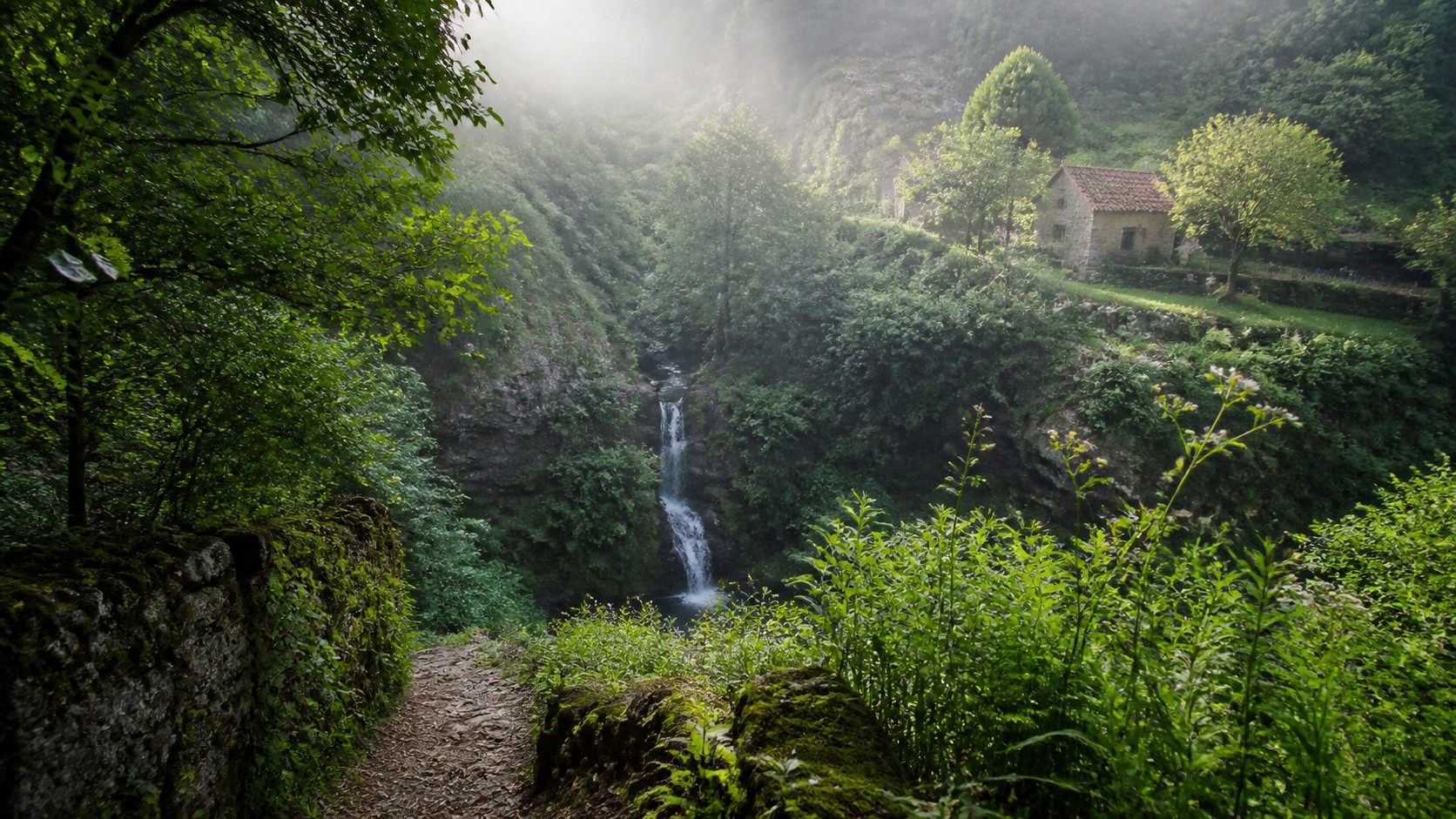
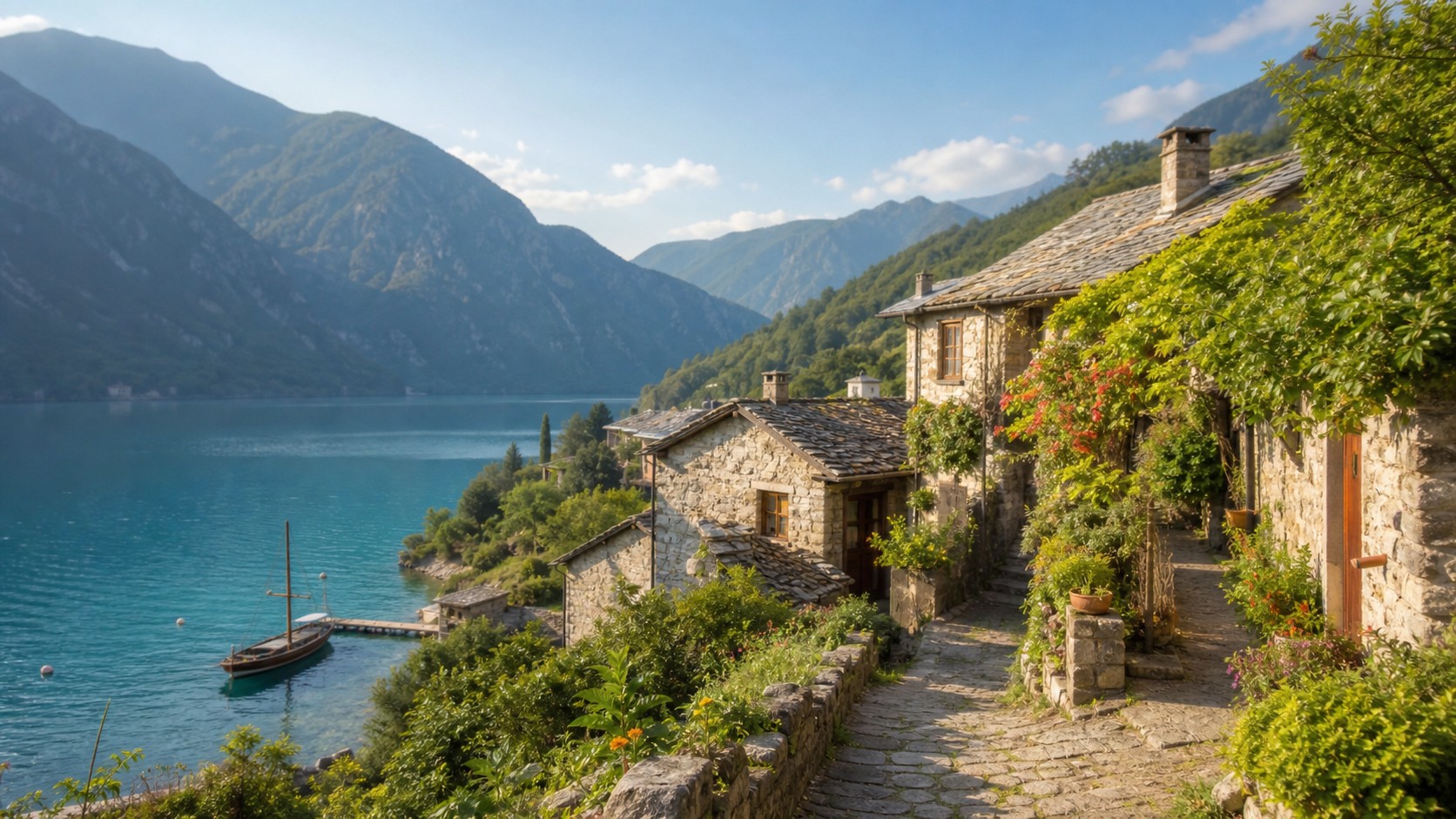
The best hidden travel destinations rarely announce themselves with one dramatic landmark. They tend to reveal themselves slowly: a harbor where the fishing boats still matter more than the photo angles, a valley where dinner depends on what came from nearby farms, a small city whose best view is not marked by a line. For travelers who are tired of chasing the same postcard places, the reward is not secrecy for its own sake. It is the chance to move through a destination at a human pace, with enough room to notice local rhythms instead of only managing crowds. The goal is not to find places nobody has heard of, because that usually means ignoring the people who live there. The better goal is to find places that are overlooked by mass itineraries, then visit with patience, curiosity, and enough preparation to keep the experience easy on both traveler and host.
A: Most deserve at least three nights, especially when transfers, weather, or local rhythms shape the experience.
A: Not always; limited rooms, difficult transport, and small-scale operations can make them more expensive.
A: Share thoughtfully, and avoid precise fragile-site details when local communities or conservation groups discourage it.
A: Look near famous regions, then search for smaller towns connected by regional trains, ferries, or local roads.
A: They can, but choose places with reliable lodging, clear transport, and enough visitor infrastructure for comfort.
A: Shoulder seasons often work best, though mountain, island, and desert regions need careful weather checks.
A: Sometimes, but rail, ferries, local buses, and guided transfers can be better in regions with narrow roads.
A: Stay longer, spend locally, follow access rules, and keep noise, waste, and intrusive photography under control.
A: Reserve lodging, critical transfers, permits, and guides for protected areas or routes with limited capacity.
A: It feels spacious, locally grounded, logistically calm, and memorable for more than one photographed landmark.
What Makes a Destination Truly Hidden
A hidden destination is not simply a place with fewer visitors. Some remote places feel crowded because everyone arrives at the same viewpoint, while some well-connected places still feel undiscovered because travelers spread naturally through neighborhoods, beaches, trails, and villages. The strongest candidates have a mix of access and restraint: they are reachable without heroic logistics, but they have not been reshaped entirely around quick tourist consumption. You can usually tell by the texture of daily life. Markets still serve residents. Public squares fill at ordinary hours. Restaurants do not need to translate every dish into a familiar international vocabulary.
The most satisfying hidden places also have more than one reason to stay. A pretty village can be memorable for an afternoon, but a deeper escape needs layers: walking routes, local food traditions, small museums, family-run stays, wildlife, music, craft, coast, mountains, or architecture. When a destination offers several quiet pleasures instead of one famous attraction, travelers have less pressure to extract the whole experience from a single crowded stop.
A good test is whether the destination would still make sense without a camera. If the answer is yes, because the food, conversations, landscape, history, and morning routines would still carry the trip, then the place has more substance than novelty. Hidden travel is most rewarding when it feels lived in, not staged. It should give you memories that cannot be reduced to a single view, especially after the first impression fades into deeper lived understanding.
Regions That Reward Slower Curiosity
Some of the world’s best under-the-radar trips sit near famous neighbors. The Caucasus has mountain villages, wine valleys, and old trading towns that can feel startlingly rich beside more familiar European routes. Parts of the Balkans still offer limestone canyons, Ottoman-era streets, Adriatic coves, and alpine lakes without the constant polish of better-known resort corridors. In the North Atlantic, islands and coastal communities reward travelers who like weather, walking, and ferry schedules as part of the story rather than an inconvenience. These regions are not empty or unknown; they are simply less compressed by the same short-list itineraries that send visitors to identical hotels, identical overlooks, and identical dinner hours.
The same pattern appears outside Europe. In Latin America, smaller colonial towns, cloud forest communities, and Pacific fishing villages can deliver far more atmosphere than rushed capital-city stopovers. In Asia, travelers who look beyond the headline temple circuits often find tea hills, river towns, desert forts, and mountain homestays that make a trip feel grounded. Africa has quiet safari conservancies, lake districts, desert camps, and island communities where the experience depends on choosing operators with local ownership and conservation commitments. The common thread is not obscurity; it is choosing places where the main attraction is still the place itself.
How to Research Without Flattening the Place
Researching hidden destinations takes a different touch than planning a famous city break. Search results can push every traveler toward the same few spots, so it helps to widen the source mix. Official tourism boards are useful for entry rules, transport basics, protected areas, and seasonal closures. Local newspapers, regional tour operators, small hotel blogs, hiking associations, and cultural festival calendars often reveal the details that make a trip feel specific. The best clues are practical rather than viral: a weekly market, a ferry that runs only on certain days, a village guesthouse with home-cooked dinners, or a trail that locals recommend outside peak heat.
It is also worth noticing what not to amplify. Some fragile places become overrun after being framed as secret on social media. If a beach, canyon, cave, or sacred site has limited infrastructure, treat that limitation as information rather than a challenge. A hidden place is not improved when too many travelers arrive without bathrooms, trail etiquette, cash, reservations, or respect for local access rules.
For complicated regions, build your notes around questions instead of only attractions. How do people get there without a private driver? Which months bring landslides, heat, snow, or closed crossings? Are there community guides? Is tap water reliable? Is there a local festival that would make the trip more meaningful or more difficult? These practical questions protect the romance of the journey because they reduce avoidable stress once you arrive.
The Best Hidden Trips Are Built Around Time
Hidden destinations often ask for time in exchange for atmosphere. The road may be slower, the train less frequent, the weather less predictable, or the last transfer more local than polished. That is not a flaw. It is part of why the destination has held onto its character. A three-night minimum can change the whole experience because it gives you a buffer day for weather, a morning to walk without a checklist, and an evening to return to the same cafe or harbor and feel the mood shift.
This is especially true in mountain and island regions. A place that feels difficult on a one-night schedule may feel generous on a four-night stay. You stop worrying about whether you have seen the signature view and start noticing the ordinary pleasures: bread still warm from a bakery, laundry strung over an alley, fishing nets drying beside a pier, bells moving across a valley at dusk. Extra time also gives local advice a chance to matter. A host may suggest a better cove after the wind changes, a guide may recommend a quieter trail the next morning, or a shopkeeper may point you toward a festival that was never going to appear on your original map.
Where Hidden Destinations Can Go Wrong
The fantasy of hidden travel can lead people into avoidable mistakes. One is underestimating logistics. A destination may look close on a map but require mountain roads, seasonal ferries, cash payments, limited fuel stops, or language preparation. Another mistake is expecting luxury infrastructure in places whose appeal comes from being less commercial. A small guesthouse may offer more charm than a resort, but it may not offer late-night room service, constant Wi-Fi, or instant problem solving.
A more serious mistake is treating local life as scenery. Hidden destinations are often small enough that visitor behavior is noticed quickly. Parking badly, photographing people without permission, dressing carelessly at religious sites, hiking across private land, or bargaining aggressively can sour the welcome for everyone after you. The best travelers bring humility with their curiosity. They ask before entering, pay fairly, learn a few greetings, and understand that quiet places do not exist for outsiders to consume.
There is also the problem of overcorrecting. Some travelers romanticize inconvenience until every difficulty becomes proof of authenticity. That can lead to unsafe choices, exhausted travel companions, and rushed decisions in places where backup options are limited. Hidden travel should feel more attentive, not more reckless.
Choosing Stays That Keep the Money Local
Accommodation can shape the impact of a hidden trip more than almost any other choice. Locally owned inns, small lodges, farm stays, guesthouses, and carefully run eco-retreats tend to keep more money in the community and help travelers understand the place through people rather than branding. That does not mean every stay has to be rustic. Some hidden destinations have exceptional boutique hotels and design lodges, but the best ones hire locally, source locally, and explain the landscape without turning it into a stage set. A well-chosen stay can also solve practical problems by arranging trustworthy drivers, matching guests with guides, explaining trail conditions, or steering travelers away from places that are already under strain.
Before booking, look for signs of real connection: named local guides, partnerships with nearby producers, clear environmental practices, thoughtful transport advice, and honest language about seasons. Be cautious with properties that sell remoteness while hiding the amount of imported labor, water stress, private-beach exclusion, or waste created by the experience. A hidden paradise stops feeling like one when the comfort depends on making the destination less livable for residents.
A Better Way to Think About Secrecy
The phrase hidden destination can sound like a treasure map, but secrecy is not always the right ethic. Many communities want visitors, just not uncontrolled attention that arrives too fast. The more useful mindset is stewardship. Share recommendations carefully. Avoid geotagging fragile spots if local guidance asks visitors not to. Choose shoulder seasons when they make sense. Spend beyond the obvious photo stop. Stay longer, hire guides, eat locally, and let the destination benefit from your presence in ways that are not extractive.
That mindset also makes the trip better. When you stop trying to win at discovery, you become more available to the place in front of you. A hidden destination is not a badge. It is an invitation to travel with more attention than speed.
The most generous travelers often become quiet advocates rather than loud broadcasters. They tell friends how to visit well, which operators treated people fairly, what customs mattered, and where patience was required. That kind of sharing helps a place receive better visitors instead of simply more visitors.
How to Pick the Right Hidden Destination for You
Start with the mood you want rather than the continent. If you want silence, look for landscapes with small-scale lodging and outdoor access. If you want culture, choose lesser-known cities with universities, markets, music venues, or layered history. If you want beaches, check whether the coastline has public access, local restaurants, and transportation that does not force every visitor into the same strip. If you want adventure, study guide quality, safety norms, and weather windows before falling in love with a photo. Hidden travel works best when the destination matches your tolerance for uncertainty, because the wrong kind of quiet can feel isolating while the right kind can feel restorative.
The right hidden place should feel exciting but not careless. You should understand how to arrive, where to sleep, how to move around, what local customs matter, and what backup plan exists if weather or transport changes. Leave a few discoveries unplanned. That balance of preparation and openness is where the best hidden travel lives. When a place invites both confidence and curiosity, the journey feels quiet without feeling uncertain.