Seclusion Is the Luxury You Feel, Not Just the Distance
Secluded luxury resorts promise a rare combination: privacy, beauty, comfort, and the feeling that ordinary noise has been placed somewhere far away. But true seclusion is not created only by a remote address or a high nightly rate. It comes from thoughtful spacing, calm service, natural surroundings, good food, quiet rooms, and a design that lets guests relax without feeling watched or managed. The best secluded resorts around the world may sit above hidden beaches, beside mountain lakes, in desert valleys, within rainforest, or on private peninsulas. What they share is not one style of luxury, but one effect. They make the guest feel sheltered by the place itself, with enough ease that rest becomes natural rather than scheduled.
A: Real seclusion comes from privacy, spacing, landscape design, quiet service, and a setting that protects rest.
A: No. Some feel secluded through excellent design and natural boundaries while still being fairly easy to reach.
A: Four nights often works well, especially when transfers are long or the resort itself is the main destination.
A: For romance, prioritize room privacy, dining quality, outdoor space, service style, weather timing, and transfer ease.
A: Yes, when villas, swimming areas, food, medical access, and activity pacing suit the ages involved.
A: Often it is, because outside dining may be limited, but menu quality and flexibility matter most.
A: Ask for property maps, sightline details, beach access rules, room recommendations, and recent guest feedback.
A: Vague answers about transfers, privacy, beach access, food, or sustainability are serious warning signs.
A: Choose the setting that matches your desired pace, climate comfort, activity level, and tolerance for isolation.
A: It is worth it when privacy, comfort, service, food, and landscape all work together without constant effort from the guest.
What Secluded Luxury Should Actually Mean
Secluded luxury begins with privacy that works in real life. Villas should not face busy paths. Pools should not be overlooked by neighboring decks. Restaurants should feel spacious rather than performative. Arrival should be smooth enough that the guest is not still recovering from logistics on the first night. The details may seem small, but they decide whether a resort feels genuinely secluded or merely expensive.
The strongest properties use the landscape to create privacy. Greenery, boulders, dunes, hillsides, water, courtyards, and natural elevation can separate spaces more gracefully than walls alone. This matters because the best seclusion does not feel defensive. It feels open, calm, and integrated with the surroundings.
Luxury also needs restraint. A secluded resort can lose its mood when every amenity is announced too loudly or every moment is turned into an upsell. The most restful places know when to step back. Guests should feel that everything necessary is available, but nothing is pushing them to perform the vacation.
Coastal Hideaways With Room to Breathe
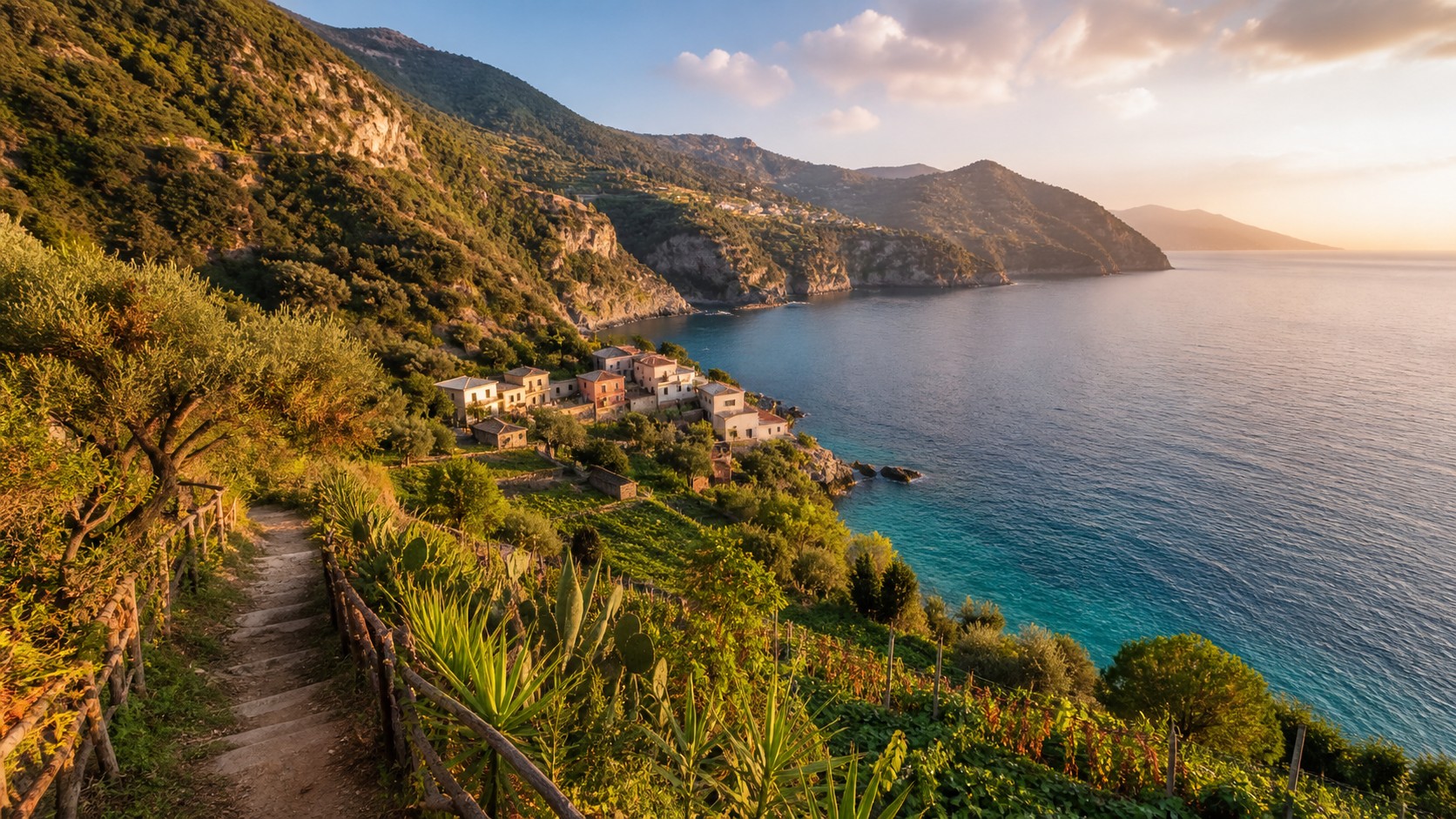
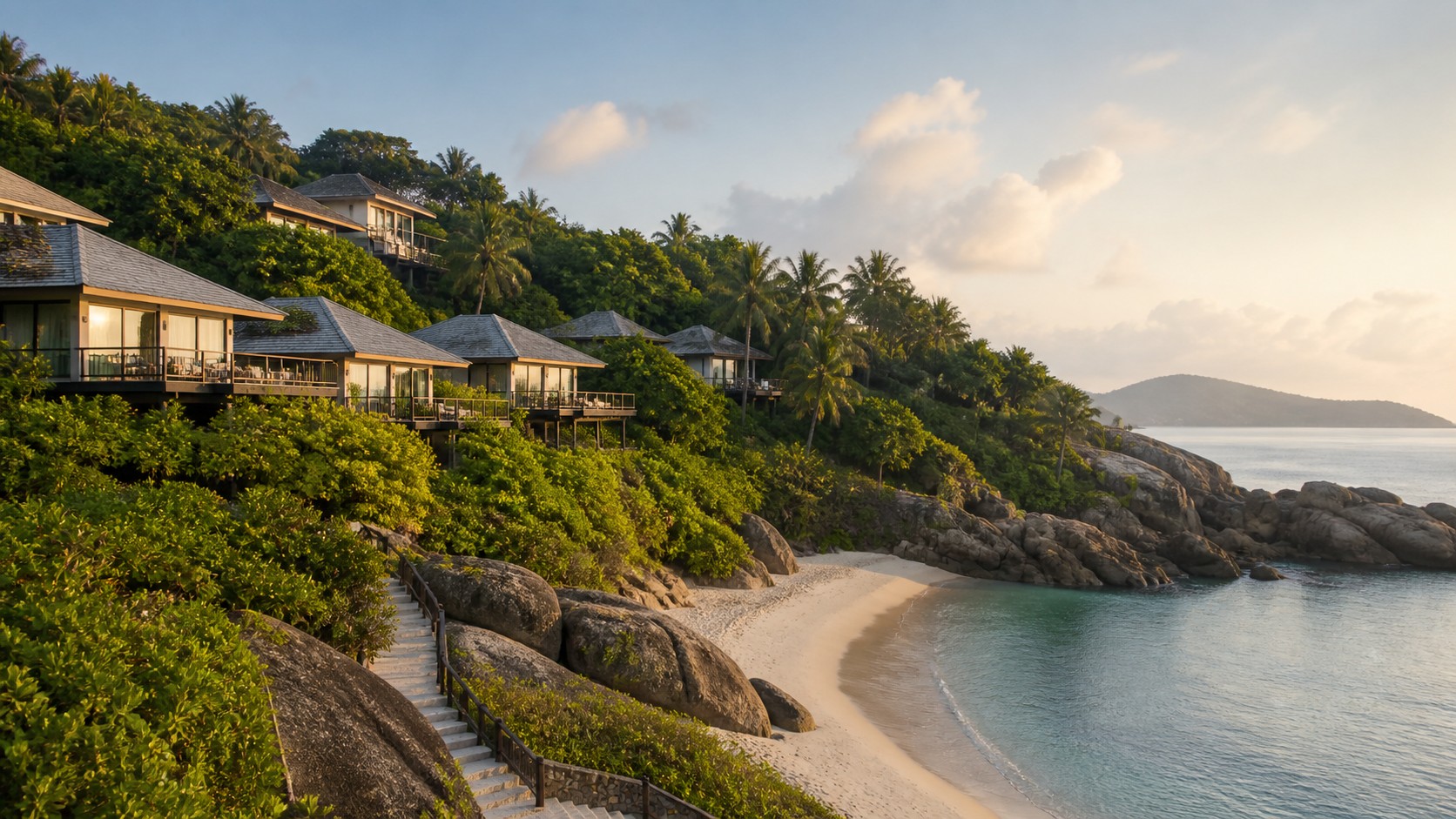
Coastal resorts are often the first image people imagine when they think of secluded luxury. A quiet crescent beach, villas tucked into palms, a path down to the water, and a restaurant facing the horizon can deliver a powerful sense of escape. The best coastal hideaways are not only beautiful; they are comfortable at different hours. They provide shade, breeze, swimmable water, privacy, and places to sit without feeling exposed.
Before booking, study the coastline carefully. Some beaches are stunning but rough for swimming. Others disappear at high tide or collect seaweed in certain seasons. A secluded beach can also be public, shared, rocky, or reachable by outside boats. None of those details is automatically bad, but they should match the fantasy being sold. A resort that answers coastal questions honestly is usually more trustworthy than one that relies only on perfect beach photos. If the beach is the reason for the trip, ask about shade, tides, currents, boat traffic, noise, and how long it takes to walk from the room to the water.
The best coastal resorts also make the beach optional. Guests should be able to have a beautiful day from a terrace, garden, pool, spa, or shaded dining area when wind or tide changes the plan. That flexibility keeps seclusion from becoming fragile.
Mountain and Lake Resorts for Quiet Grandeur
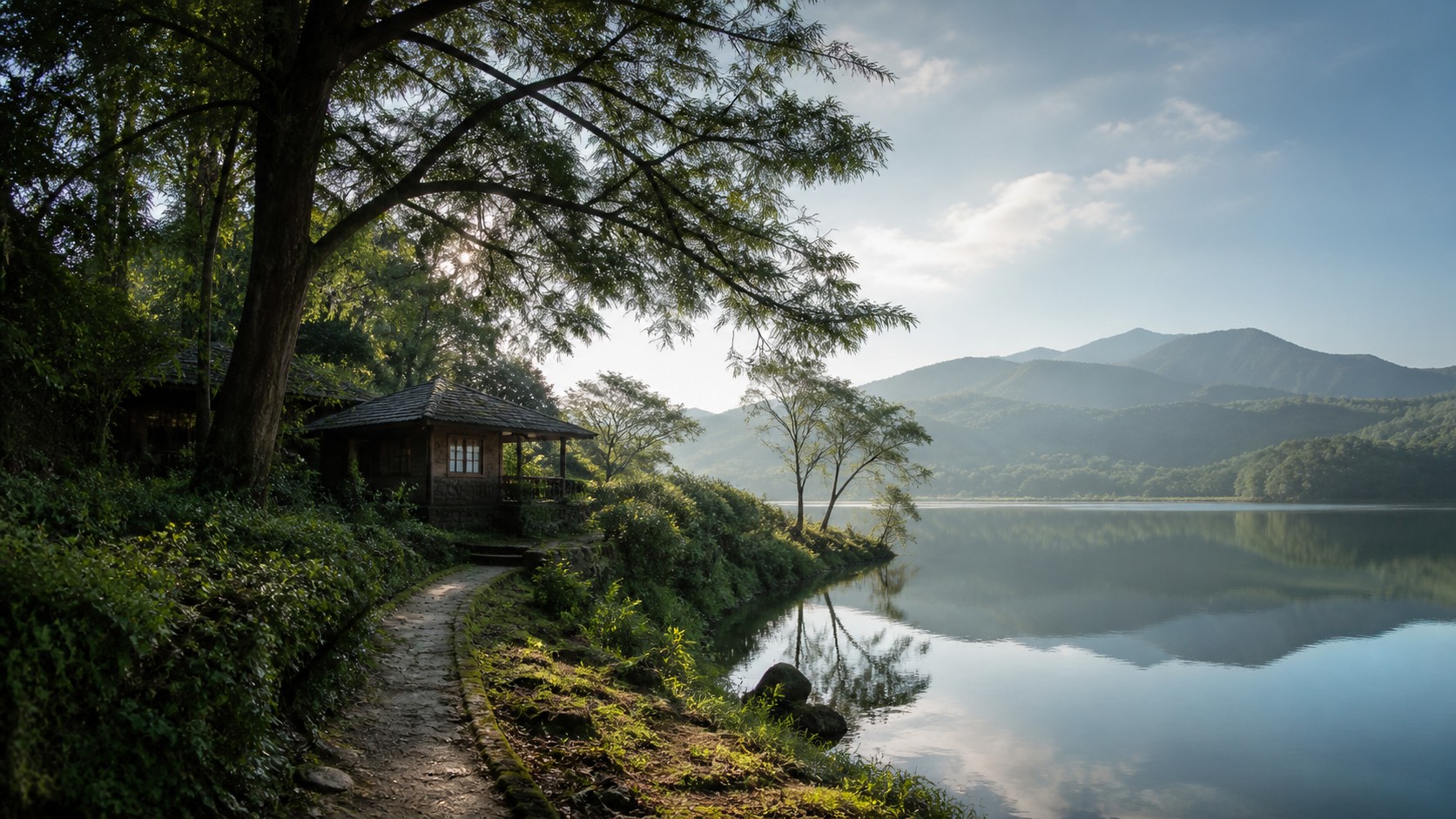
Mountain and lake resorts offer a different version of luxury. Instead of tropical ease, they provide scale, weather, clean air, fireside evenings, reflective water, and outdoor days followed by deep rest. These properties can feel especially secluded because the landscape itself creates distance. Peaks, forests, snow, ridgelines, and lakes make the world feel larger while the resort gives guests a warm center.
The most successful mountain and lake resorts are practical as well as beautiful. They offer gear advice, drying rooms, trail guidance, strong heating or cooling, reliable meals, and common spaces that feel inviting after a day outside. A remote view is not enough if guests are uncomfortable, hungry, or unsure how to enjoy the region safely.
This style of resort works well for travelers who want peaceful activity. The day can include walking, boating, skiing, wildlife viewing, spa time, or scenic drives, but the evening should feel unforced.
Desert and Rainforest Resorts With a Sense of Place
Desert and rainforest resorts can be spectacular when design responds to climate rather than ignoring it. In deserts, seclusion comes through shade, courtyards, stone, canvas, stars, silence, and the drama of open space. In rainforests, it comes through water, birdsong, filtered light, boardwalks, dense vegetation, and the feeling of being surrounded by life. Both settings can feel luxurious when guests are comfortable without being sealed off from the environment.
These resorts require serious stewardship. Water, waste, wildlife, energy, erosion, and community relationships matter deeply in fragile places. Travelers should favor properties that explain their practices clearly and treat local ecology as central to the stay. Secluded luxury should deepen appreciation for the setting, not isolate guests from the consequences of being there. The best properties make restraint feel elegant by designing comfort around local conditions rather than fighting them.
Service That Protects Privacy
Service at a secluded luxury resort should feel intuitive, not possessive. Guests should not have to chase basic needs, but they also should not feel constantly observed. The best teams learn preferences quietly: breakfast timing, room temperature, excursion pace, dietary needs, and how much interaction the guest wants. A formal butler is less important than a service culture that removes friction while preserving space.
Communication style matters. Some guests like messaging a host for every request, while others prefer old-fashioned invisibility. A strong resort can adapt without making either choice feel inconvenient. Privacy is personal, and the best service understands that. It also knows when celebration calls for attention and when recovery calls for silence.
This becomes especially important on longer stays. Guests may want a guided day, then a completely private day, then a dinner arranged with extra care. A good secluded resort can change tone without making the guest explain the whole emotional purpose of the trip.
Food, Wellness, and the Art of Staying Put
Food is central at secluded resorts because guests often spend most of their time on property. A strong culinary program should offer freshness, variety, regional identity, and enough flexibility for different moods. Guests may want a long dinner one night and a simple lunch by the water the next. The kitchen should make staying put feel like a pleasure rather than a limitation.
Wellness should support the setting rather than overwhelm it. A spa, open-air treatment room, bathing ritual, yoga deck, thermal pool, or quiet walking route can be wonderful when it fits the resort’s rhythm. Problems begin when wellness becomes a rigid schedule or a performance of improvement. Secluded luxury is often most powerful when it gives guests permission to do less.
The best resorts make an unscheduled day feel complete. Swimming, reading, resting, eating, walking, and watching the light change should be enough. This is where secluded luxury separates itself from ordinary hospitality. The resort should not need a packed activity board to justify the stay, because the room, landscape, service, and meals already create a satisfying day.
How to Read Between the Marketing Lines
Luxury resort language can be slippery. Words like private, exclusive, hidden, untouched, and sanctuary can mean many things. Travelers should look beyond the adjectives and study maps, guest photos, recent reviews, room layouts, transfer details, and seasonal conditions. A property may be secluded from the city but crowded within its own grounds. Another may be near a town yet feel private because the design is excellent.
Ask direct questions before booking. Which room categories are quietest? Are pools overlooked? Is the beach public? How long is the transfer? Are outside guests allowed in restaurants or beach clubs? What construction or maintenance is planned? Which months have the best weather? Clear answers suggest a resort that understands its own experience. Vague replies deserve caution.
The goal is not suspicion. It is alignment. A secluded luxury trip is too personal and too expensive to leave to assumptions. The best pre-booking conversations feel specific, practical, and calm, because the resort can describe the stay beyond its most flattering adjectives.
The Ethics of Secluded Luxury
Seclusion can be beautiful, but it can also hide uncomfortable tradeoffs. Private beaches, imported materials, water-heavy landscaping, underpaid labor, displaced communities, and vague conservation claims can sit behind polished hospitality. Travelers do not need to reject luxury, but they should ask whether the resort’s comfort is connected to local benefit and environmental care.
Look for properties that hire and train locally, source food regionally, reduce waste, protect water, support conservation, respect public access laws, and communicate honestly about impact. Genuine responsibility usually appears in operational details, not only in a sustainability page with soft language. A secluded resort is more satisfying when guests can relax without feeling the beauty depends on someone else’s loss. This does not make the trip less luxurious. It makes the luxury feel steadier.
Guests can support that steadiness through their own choices. Stay longer when long flights or complex transfers are involved, respect quiet areas and staff boundaries, tip fairly where appropriate, avoid wasteful requests, and choose excursions that honor local guides and environmental limits. Seclusion is most meaningful when it protects the place as well as the guest.
Who Secluded Resorts Suit Best
Secluded luxury resorts are ideal for travelers who want restoration, privacy, romance, nature, wellness, or a special occasion that feels removed from daily life. They are less ideal for travelers who want nightlife, constant shopping, spontaneous restaurant hopping, or a busy social scene. The quiet that one person experiences as heaven may feel limiting to someone else.
They can also work beautifully for families or groups when the property has the right layout. Multi-bedroom villas, calm beaches, flexible meals, safe paths, and gentle activities can make seclusion feel easy. But families should check child policies, medical access, swimming safety, and transfer length carefully. Privacy should not come at the expense of practical comfort. Groups should also consider whether there are enough separate spaces for people to rest, read, swim, and gather without living on top of one another.
Choosing the Right Kind of Seclusion
Start with the mood rather than the destination. If you want soft rest, consider coastal or lake resorts. If you want awe and activity, choose mountains, wilderness, or desert. If you want sensory immersion, rainforest or island properties may fit. If you want wellness, look for places where treatments, food, sleep, and landscape support the same calm mood.
Then decide how much isolation you truly want. Some travelers want a resort that feels private but still sits within reach of towns and restaurants. Others want the full faraway experience where the property becomes the whole trip. Neither is superior. The right choice is the one that lets you relax instead of negotiating with your own expectations.
The best secluded luxury resorts make privacy feel effortless. They give guests space without loneliness, service without pressure, beauty without crowding, and comfort without erasing the place they came to experience. That is the kind of seclusion worth traveling for. When the choice is right, guests stop measuring amenities and start noticing how easy it feels to be quiet.