Peaceful Stays Are Often Smaller Than the Dream
A peaceful vacation escape does not always require the biggest resort, the most famous spa, or the farthest island. Often, the most restorative places to stay are understated: a lakeside inn with a porch, a farm retreat with long breakfasts, a small coastal guesthouse where evenings are shaped by the tide, or a mountain lodge where the day slows naturally after sunset. These places are underrated because they do not always photograph like obvious luxury. Their value is quieter. They reduce friction, soften the schedule, and give travelers enough space to remember what rest feels like. The right stay is not simply a bed near a destination. It becomes the destination’s rhythm: where you wake, eat, read, walk, recover, and decide not to rush.
A: It depends on the traveler, but lakeside inns, farm retreats, forest cabins, and small coastal guesthouses are reliable choices.
A: Three nights is a useful minimum, because the first day is often spent arriving and settling.
A: No. Remote lodging is peaceful only when food, access, comfort, safety, and communication are handled well.
A: Read recent reviews for noise, food access, bed comfort, temperature control, transfer ease, and the real privacy of outdoor spaces.
A: Yes. If programs are packed or mandatory, the stay can feel managed rather than restorative.
A: Often, but layout, guest behavior, road noise, and service style matter as much as room count.
A: Choose a room with strong sleep conditions, private outdoor space, natural light, and minimal exposure to paths or restaurants.
A: Yes, but gentle activities usually work best: walking, swimming, reading, bathing, local meals, and low-pressure scenic drives.
A: Match the stay to the type of quiet you want rather than assuming every secluded place feels the same.
A: It gives travelers comfort, quiet, local character, and enough unstructured time to feel restored.
Lakeside Inns for Stillness and Easy Rituals
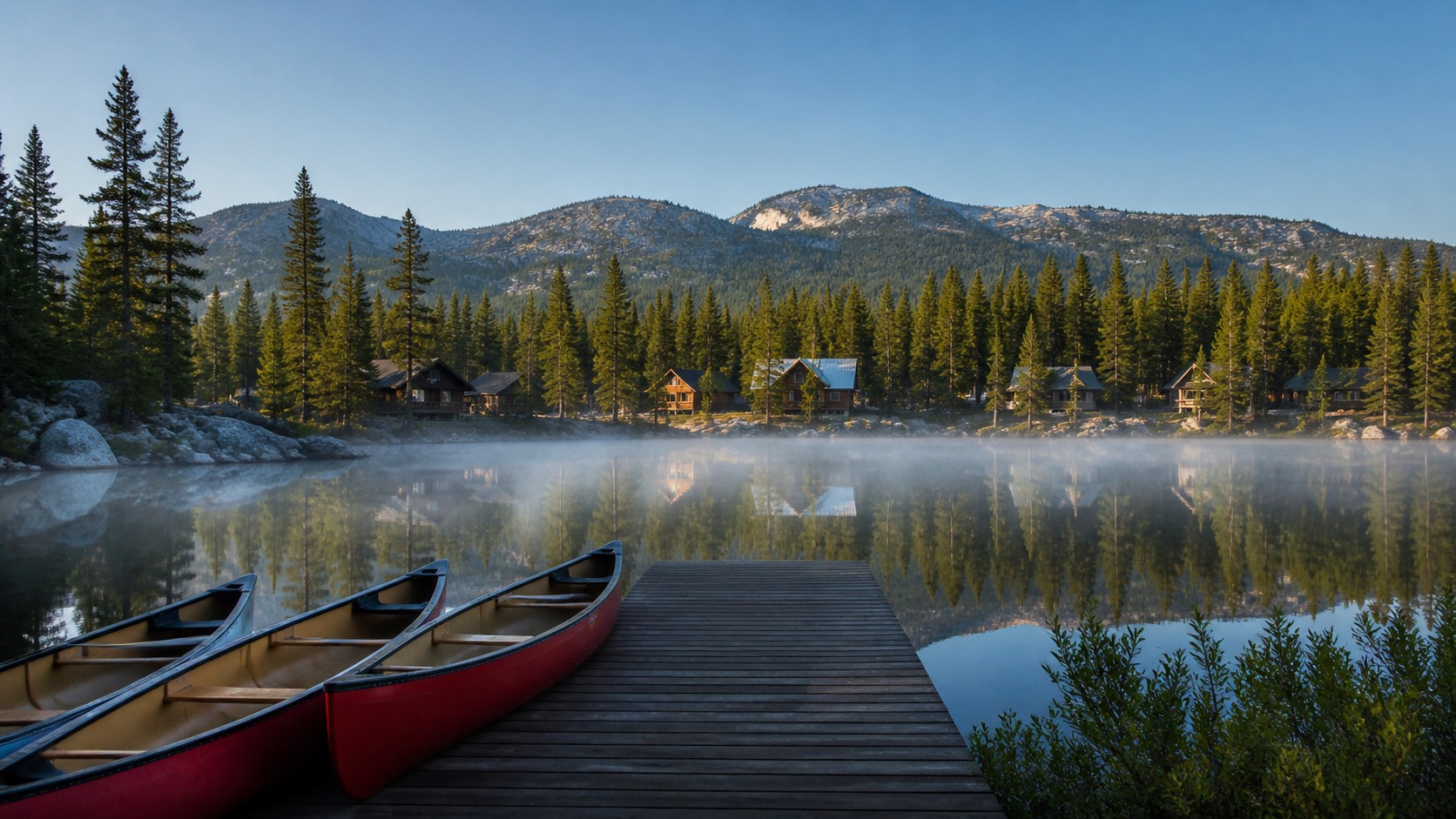
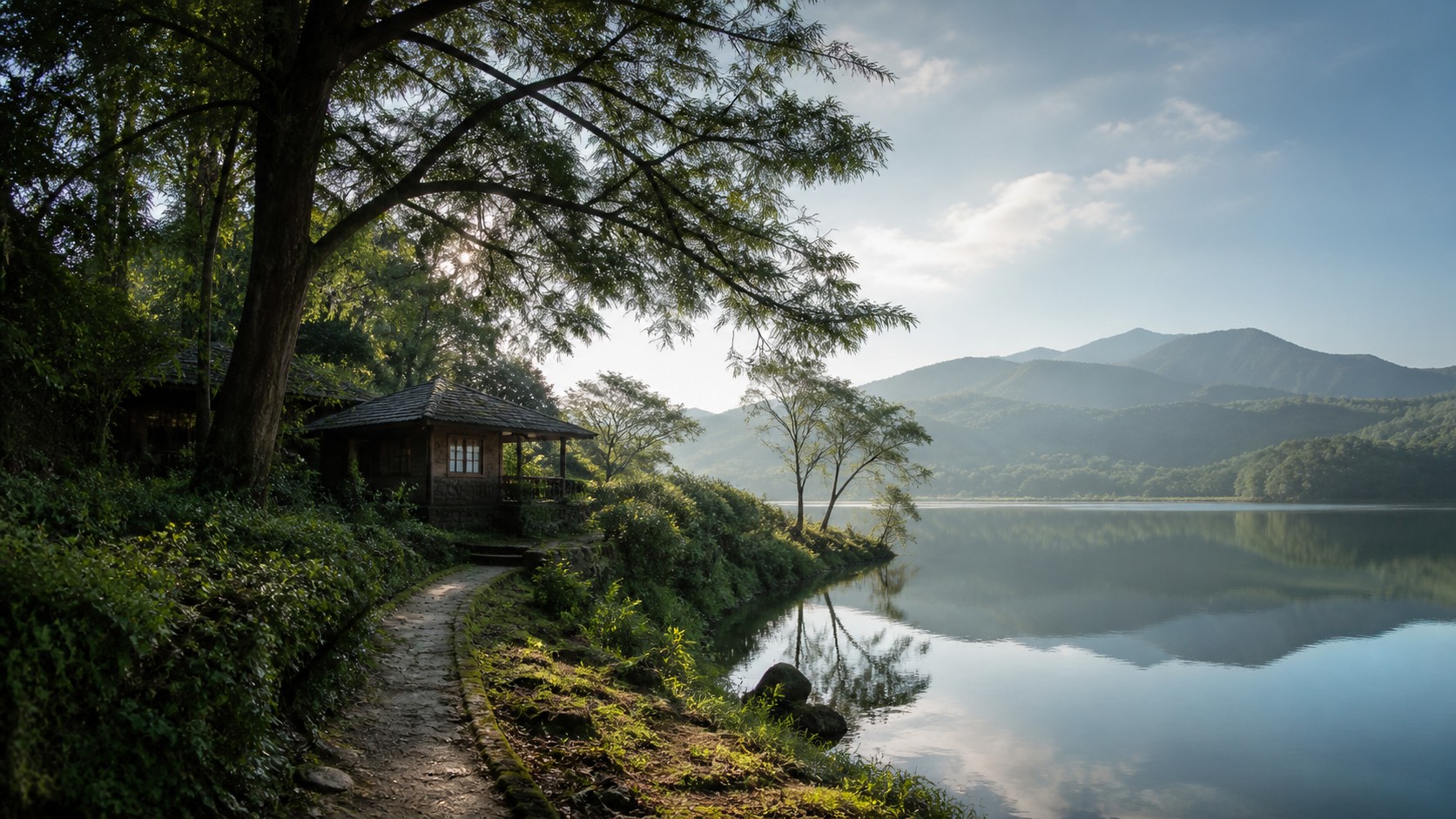
A lakeside inn can be one of the most reliable settings for a peaceful escape because the water creates a natural center. Guests do not need a complicated itinerary when the view changes by the hour. Morning mist, afternoon reflections, evening light, and the sound of small boats or birds can make ordinary moments feel complete. The best lake stays offer direct access to the shore, comfortable outdoor seating, simple walking routes, and rooms that encourage lingering rather than constant departure.
Underrated lake escapes are often found away from the best-known resort towns. Smaller lake districts, rural reservoirs, glacial valleys, and forested shorelines can feel calmer than famous waterfront destinations with crowded promenades. Look for inns that mention swimming conditions, canoe or kayak access, quiet hours, local meals, and how rooms face the water. A peaceful lake stay depends less on grandeur than on whether the property lets the lake set the pace.
The best rooms are often not the largest ones. A smaller room with a screened window, a quiet porch, and an unobstructed view can feel more restorative than a suite near the parking area or restaurant. Pay attention to where morning light enters, whether balconies face shared lawns, and how close paths run to the windows. Peace comes from the details guests live with every hour.
Farm Stays and Countryside Retreats
Farm stays are underrated because they offer structure without pressure. There may be breakfast from nearby fields, animals in the distance, orchard paths, vegetable gardens, gravel roads, and a sense that the day begins and ends with natural routines. For travelers who spend most of life indoors or online, that rhythm can feel surprisingly restorative. The point is not rustic discomfort; many countryside retreats are beautifully designed. The pleasure is that comfort feels grounded in a working landscape.
The best farm and rural stays are honest about what guests can expect. Some are quiet inns beside active farms, while others invite participation through cooking classes, garden walks, wine tastings, olive harvests, or simple tours. Ask about road access, meal availability, insects, heating or cooling, and how close the nearest town is. Peaceful does not mean unprepared. It means the stay has enough practical support for the quiet to feel easy.
These retreats are especially good for travelers who need decompression more than stimulation. A long lunch, an afternoon nap, and a walk under wide sky can become the whole point.
Small Coastal Guesthouses Beyond the Resort Strip
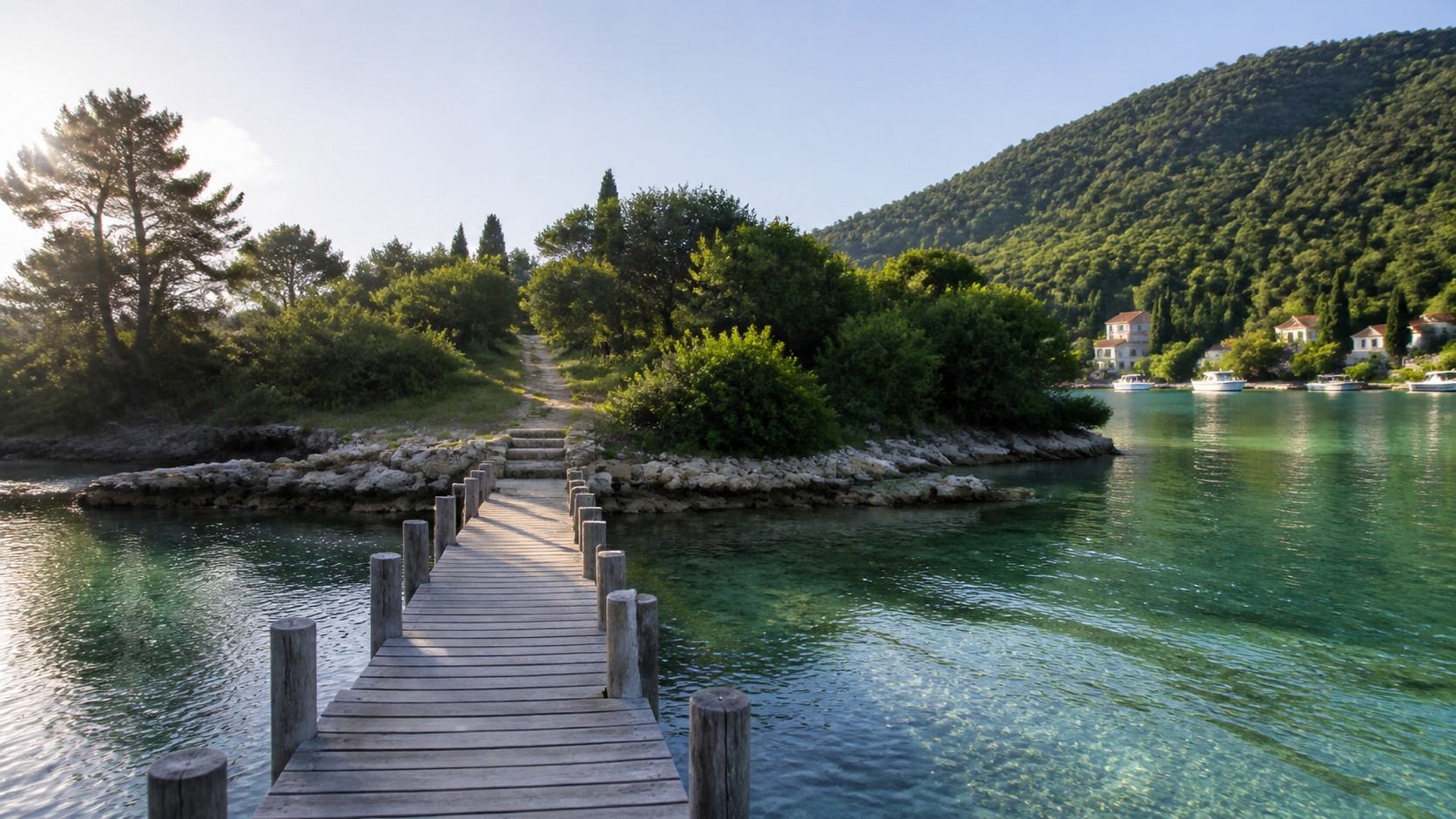
A small coastal guesthouse can deliver the mood many travelers hope a beach resort will provide: fresh air, windows open to the sea, seafood nearby, and no need to dress for a scene. The most peaceful versions sit slightly apart from the busiest beach clubs or boardwalks. They may not have a huge pool or a branded spa, but they often offer the greater luxury of hearing waves at night and walking to breakfast without crossing a lobby built for spectacle.
When choosing a coastal stay, study the details that shape calm. Is the beach swimmable or mainly scenic? Does the road create noise? Are there restaurants nearby, or will every meal require a drive? Does the property provide shade, outdoor showers, and places to sit out of the wind? Coastal peace depends on comfort as much as beauty. A modest inn with the right orientation can feel far more restful than a larger hotel in the wrong location.
It also helps to understand the social mood of the coastline. Some quiet villages become busy only at lunch, when day visitors arrive from nearby towns. Others stay calm during the day but grow louder at night around a harbor or beach bar. Reading reviews by season can reveal whether the guesthouse offers steady peace or only looks peaceful in carefully timed photos.
Mountain Lodges With a Slower Evening Pace
Mountain lodges are ideal for travelers who want the day to have a clear arc. Mornings invite hikes, drives, viewpoints, or village visits. Afternoons slow as weather changes. Evenings gather around fireplaces, terraces, simple dinners, and dark skies. A good mountain stay does not need constant programming because the landscape supplies enough drama on its own. The underrated lodges are often outside the famous ski towns, in valleys where the scenery feels less commercial and the silence is easier to find.
The main planning issue is access. Mountain roads, snow, altitude, and limited dining can turn a peaceful idea into a stressful trip if ignored. Choose lodges that explain seasonal conditions clearly and offer realistic advice about driving, transfers, hiking, and meals. The best properties make nature feel close without leaving guests stranded in it. That balance is where mountain calm becomes genuinely restorative.
For many travelers, the most memorable mountain moments happen after the day’s activity ends: boots by the door, clouds lifting from ridgelines, soup at dinner, and the deep sleep that follows clean air.
Monasteries, Retreat Houses, and Quiet Historic Stays
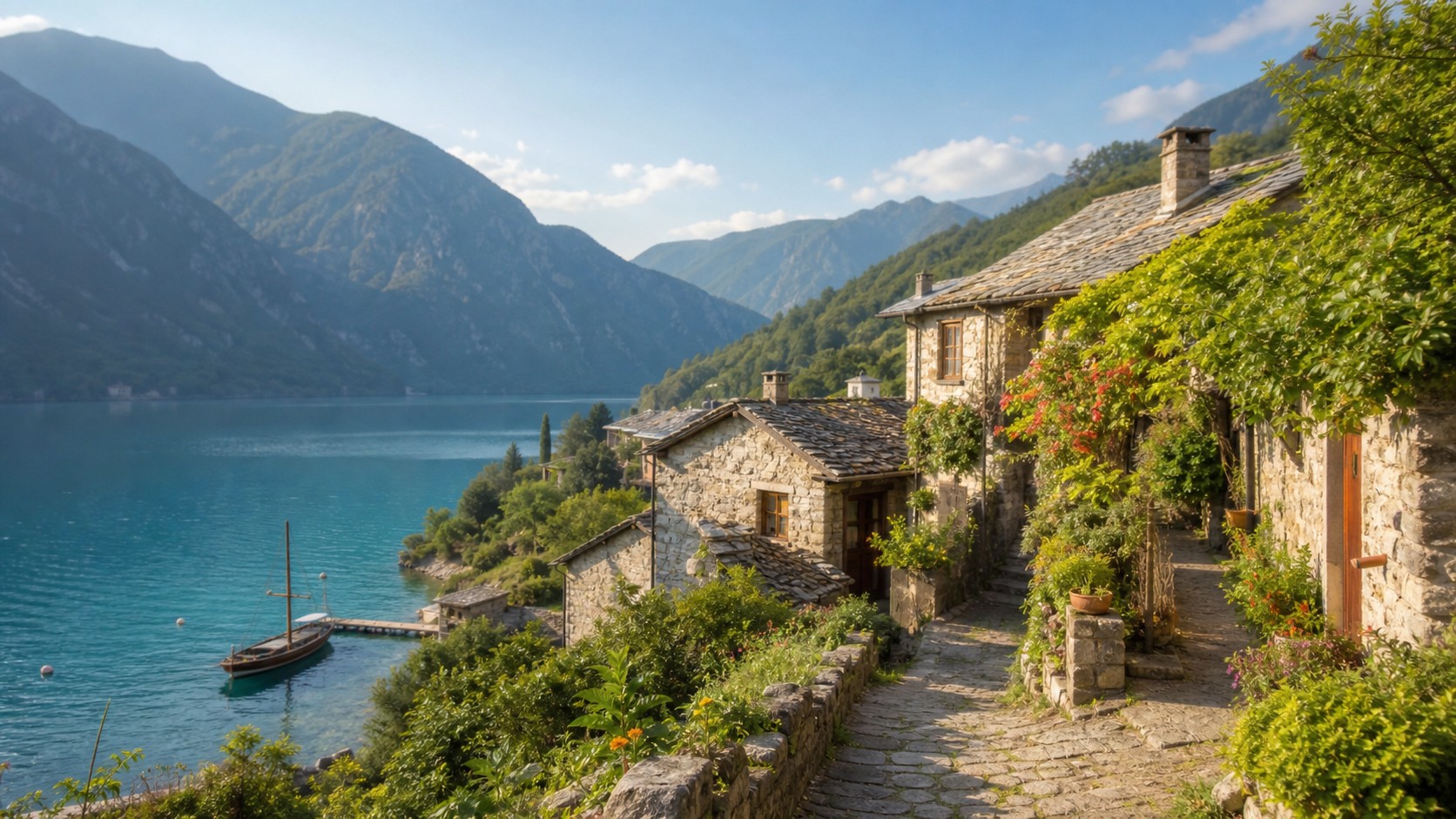
Some peaceful stays come from history rather than scenery. Converted monasteries, old rectories, heritage inns, restored convents, and retreat houses can offer thick walls, courtyards, libraries, gardens, bells, and a rare sense of enclosure. These places are not for every traveler. They may be simple, quiet, and less service-driven than hotels. But for people who want reflection, reading, writing, or recovery from noise, they can be deeply satisfying.
Before booking, understand the atmosphere. Some properties are full-service boutique hotels in historic buildings, while others preserve retreat-like expectations around silence, shared meals, or limited nightlife. Neither is wrong, but the distinction matters. A peaceful historic stay works best when guests are drawn to restraint rather than surprised by it.
Forest Cabins Without the Survival Fantasy
A forest cabin can be peaceful when it offers nature without turning the stay into a test of competence. The most underrated versions have comfortable beds, good heating or cooling, screened windows, clean bathrooms, safe paths, and enough kitchen or dining support to keep meals simple. They let guests hear rain, birds, leaves, and night sounds while still feeling cared for. That is very different from booking a remote structure with no clear road, no supplies, and no backup plan.
Look for cabins that describe the setting honestly. How private is the deck? Are other cabins visible? Is there road noise? Are pets, fires, or hot tubs allowed? What wildlife precautions matter? Forest calm depends on both sensory pleasure and practical security. When those pieces are handled well, a cabin stay can reset the nervous system faster than a busier resort.
The most successful cabin trips are simple on purpose. Bring food that is easy to prepare, choose one nearby walk, and avoid turning every day into a drive to somewhere else. A cabin is not only a base for activities. It is a place to sit still long enough for the forest to become more than scenery. That stillness is the point of staying there in the first place, after all, too.
Desert Inns for Space, Stars, and Silence
Desert inns and small lodges are underrated peaceful stays because they use emptiness as a feature. Wide horizons, warm stone, pale mornings, long shadows, and intense night skies can create a rare feeling of mental space. Unlike beach or mountain escapes, desert calm is not lush. It is spare, which can be exactly what some travelers need. The best properties provide shade, water, comfortable rooms, and guided ways to experience the landscape safely.
Timing matters in desert destinations. Midday heat can limit activity, so the stay should support early starts, slow afternoons, and evenings outdoors. Ask about seasonal temperatures, road conditions, dark-sky quality, and whether meals are available on-site. A peaceful desert escape should feel contemplative, not exposed.
Wellness Hotels That Do Less, Better
Not every wellness hotel is peaceful. Some replace ordinary stress with packed schedules, complicated menus, social pressure, and constant messaging about transformation. The underrated wellness stays are usually quieter. They might offer a small spa, yoga room, garden, bathing ritual, thermal pool, walking trail, or excellent sleep setup without turning rest into homework. Their promise is not reinvention. It is enough quiet for the body to settle.
When evaluating a wellness stay, look for signs of moderation. Are programs optional? Are meals satisfying? Can guests spend a day doing nothing without feeling they missed the point? Is the property quiet at night? A peaceful wellness hotel should support agency. Travelers should leave feeling less managed, not more.
The most underrated wellness feature may be excellent sleep. Thick curtains, calm hallways, good mattresses, fresh air, quiet HVAC, and breakfast that does not require a schedule can matter more than an elaborate treatment menu. A stay that helps travelers sleep deeply has already done much of the work.
How to Choose a Peaceful Stay That Actually Fits
Start by naming the kind of peace you want. Lake peace is different from desert peace. A farm stay feels different from a coastal guesthouse. A historic retreat may soothe one traveler and bore another. The right choice depends on whether you need nature, sleep, privacy, gentle activity, good food, silence, water, views, or simply fewer decisions. Once that desire is clear, the lodging search becomes much easier.
Then read reviews for the details that interrupt calm: thin walls, road noise, weak air conditioning, complicated parking, poor food, crowded pools, bright exterior lights, or staff who overschedule guests. Beautiful photos cannot compensate for friction that repeats every day. Peace is built from many small comforts working together.
A truly peaceful stay gives travelers permission to under-plan. It has enough beauty to hold attention, enough comfort to reduce effort, and enough character to feel like somewhere rather than anywhere. That is why underrated places can be so powerful. They may not announce themselves loudly, but they know how to let a traveler finally exhale.
The best choice usually feels clear when you imagine an ordinary afternoon there. If the thought of staying on the property, eating nearby, walking slowly, and going to bed early sounds satisfying rather than restrictive, the place probably matches the escape you need. Arriving before dinner and leaving the first evening unplanned can make that judgment feel immediate. A peaceful stay should begin with settling in, not recovering from poor planning.