The Places That Feel Like You Crossed a Threshold
Some vacation spots feel hidden not because nobody knows they exist, but because arriving there feels like crossing into a complete little world. The road narrows, the air changes, the buildings use different materials, the soundscape softens, and ordinary time seems to loosen its grip. These are the places travelers remember as secret even when they are not technically unknown: a green valley with cottages tucked into slopes, an island cove reached by boat, a desert oasis behind mud-brick walls, a forest lake where mornings arrive slowly, or an old town that keeps its own rhythm after day visitors leave. The best hidden vacation spots do not depend on novelty. They create immersion, giving travelers the rare feeling of being held inside a place rather than passing quickly across its surface.
A: It feels immersive when landscape, lodging, food, pace, and local routines create one coherent atmosphere.
A: No. Some are near familiar regions but feel enclosed through geography, architecture, rituals, or overnight quiet.
A: Three or four nights usually gives enough time for arrival, settling, exploration, and unhurried rest.
A: Yes, especially when the destination supports privacy, walking, quiet meals, and a slower shared rhythm.
A: They can if lodging, food, safety, and activities match the ages and energy of the group.
A: Avoid overpacking the itinerary, booking unclear transfers, ignoring etiquette, and expecting every quiet place to offer resort-level convenience.
A: Often yes, because staying close allows early mornings, quiet evenings, and a stronger sense of belonging to the place.
A: Search for compact landscapes, small lodging clusters, local rituals, ferry routes, valley villages, and overnight reviews that mention atmosphere.
A: Share responsibly, especially when places are fragile, residential, sacred, or limited in visitor infrastructure.
A: You feel less interested in leaving each day because the place itself is already enough.
Secret-World Travel Is About Immersion
A destination feels like a secret world when its details work together. Landscape, lodging, food, pace, light, sound, and movement all seem to belong to the same atmosphere. A beach can be beautiful without feeling immersive if traffic, crowds, and generic hotels interrupt the spell. A modest valley can feel unforgettable when stone houses, footpaths, gardens, local meals, and weather all reinforce the sense of being somewhere particular. The lodging should feel like an entrance into that atmosphere, not a generic room beside it.
This is why the best hidden vacation spots are not always the most dramatic. They are the most complete. You can wake there, walk there, eat there, and sit still there without needing constant outside entertainment. The destination has an inner logic. Travelers feel it when they stop checking the next activity and start noticing how the place itself organizes the day.
Immersion also asks for a slower itinerary. A secret-world destination rarely works as a drive-by stop. It needs at least a couple of nights, and often more, so arrival, exploration, rest, and departure do not collapse into one hurried blur. The longer stay gives tiny details time to matter: which path catches morning sun, when the bakery opens, where the water sounds loudest, and how the place changes after weather moves through.
Green Valleys With Their Own Weather
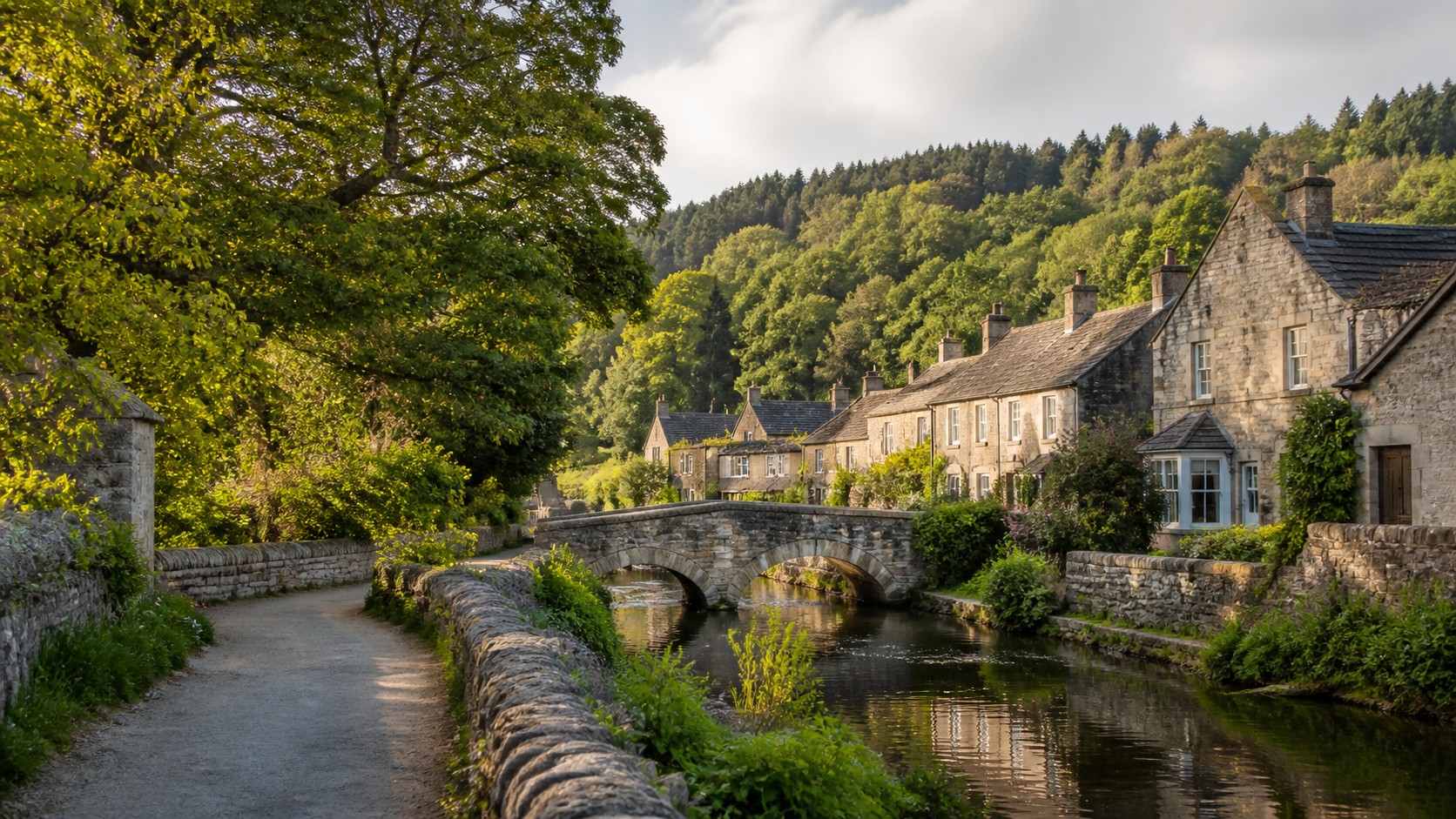
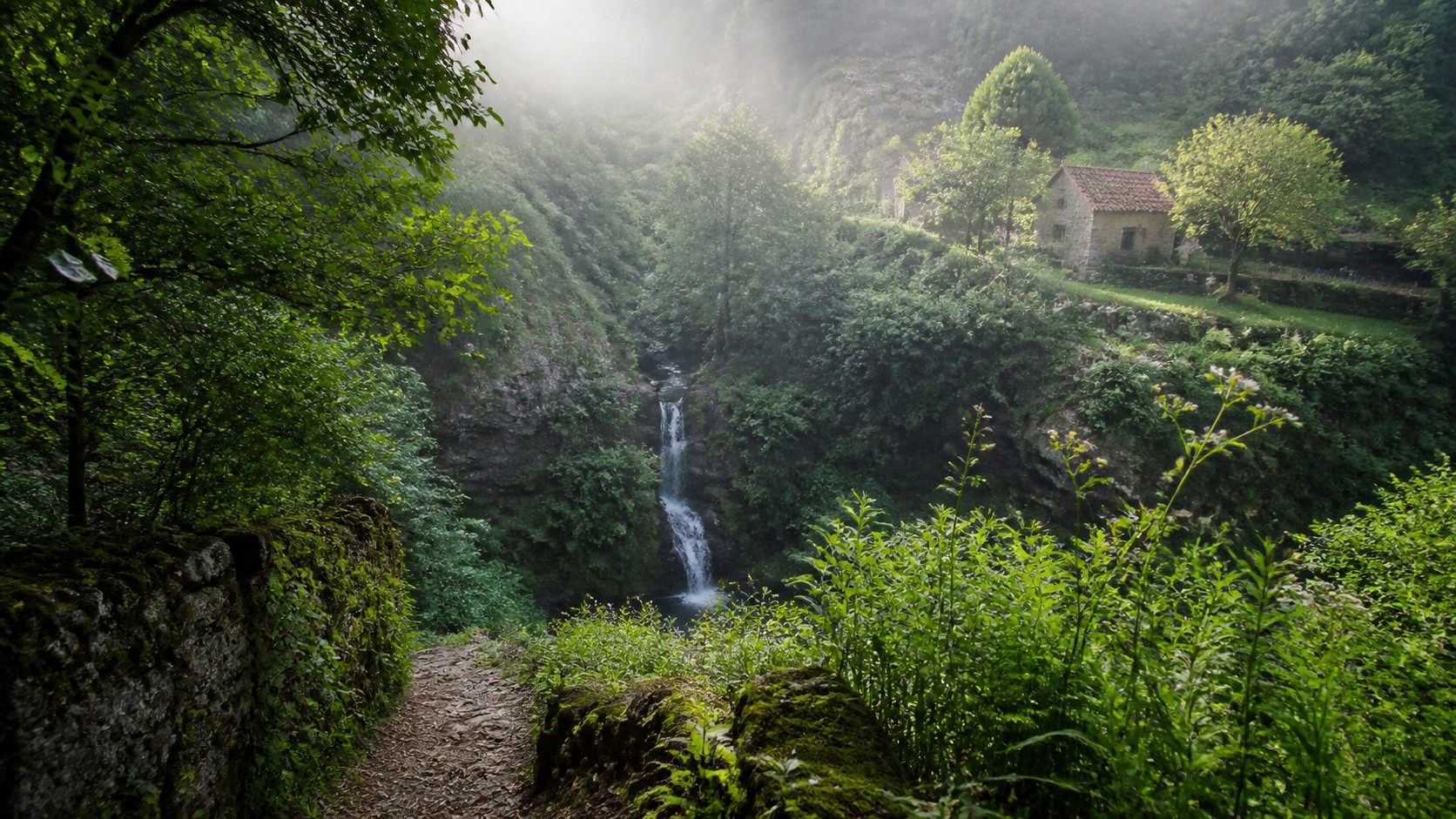
Green valleys can feel hidden because they are naturally enclosed. Hills, cliffs, forests, terraces, rivers, or waterfalls create edges that make the outside world feel distant. These places are especially powerful when villages are woven into the landscape instead of set apart from it. Footpaths connect houses, farms, chapels, mills, orchards, and viewpoints. Weather moves visibly through the valley, turning mist, rain, sun, and shadow into part of the experience.
Travelers should look for valleys where staying put makes sense. A good base might have local food, short walks, scenic drives, and a guesthouse that understands the pace of the region. The pleasure is not racing from attraction to attraction. It is letting the valley become familiar enough that the second morning feels different from the first. That familiarity is what turns scenery into attachment. A traveler begins to recognize bends in the road, the sound of a stream near the inn, and the angle where the village looks best at dusk.
Island Coves That Feel Removed From the Map
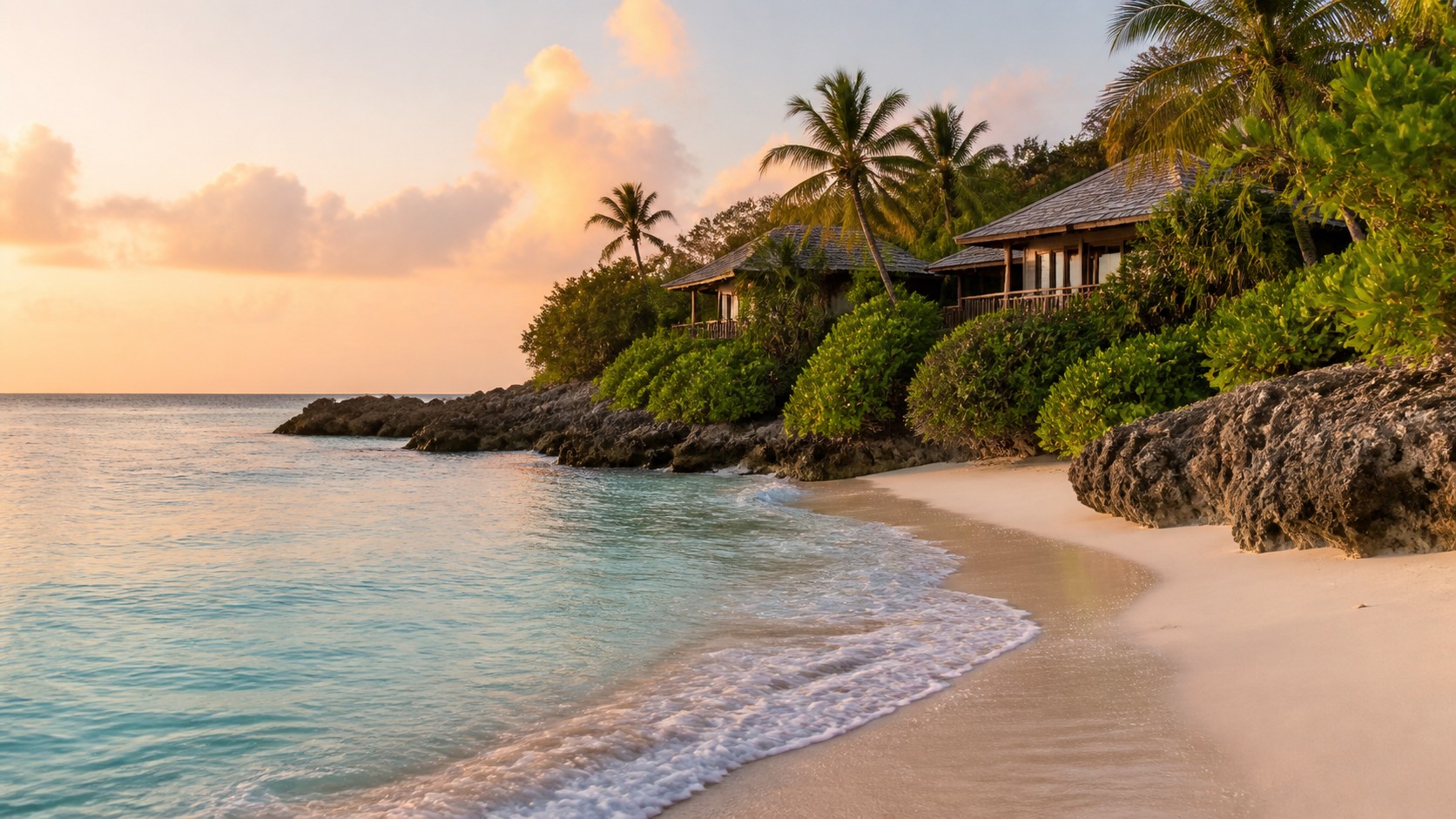
Islands can create secret-world feeling quickly, but the best versions are smaller in mood than in marketing. A quiet cove with a footpath, family-run inn, fishing boats, clear swimming, and one or two good restaurants can feel more transportive than a famous island lined with luxury brands. Water supplies the boundary. The ferry or boat ride supplies the threshold. Once there, the traveler moves according to tides, walking paths, meal hours, and weather.
The practical side matters. Some coves are wonderful only when seas are calm or when the season supports restaurants and ferries. Others become overwhelmed in high summer despite looking secluded in photos. Before choosing an island escape, check transfer reliability, swimming conditions, shade, medical access, and whether visitors can explore without trespassing on private land.
A strong island stay gives travelers a feeling of voluntary simplicity. You bring what you need, stop chasing variety, and let the limited geography become part of the calm. The smaller the island world feels, the more important it is to choose lodging that matches your mood. A lively harbor room and a quiet cove cottage can produce completely different vacations on the same island.
Oases, Desert Towns, and Walled Retreats
Desert destinations often feel like secret worlds because they make shelter visible. A shaded courtyard, palm grove, mud-brick lane, spring-fed garden, or walled guesthouse carries emotional weight when the surrounding landscape is dry and open. The contrast between exposure and enclosure creates a powerful vacation mood. Travelers remember the coolness of a room, the sound of water, the texture of walls, and the moment the sky darkens into stars.
These places require respect for heat, water, and distance. A desert oasis is not a theme. It is a delicate system, often shaped by generations of labor and local knowledge. Choose stays and guides that treat the environment seriously. Avoid itineraries that demand constant driving during the hottest hours. Let mornings and evenings carry the active parts of the trip, and allow afternoons to be slow.
When planned with care, desert secret worlds offer some of the deepest quiet in travel. They strip away excess and make small comforts feel vivid.
Forest Lakes and Cabins at the Edge of Silence
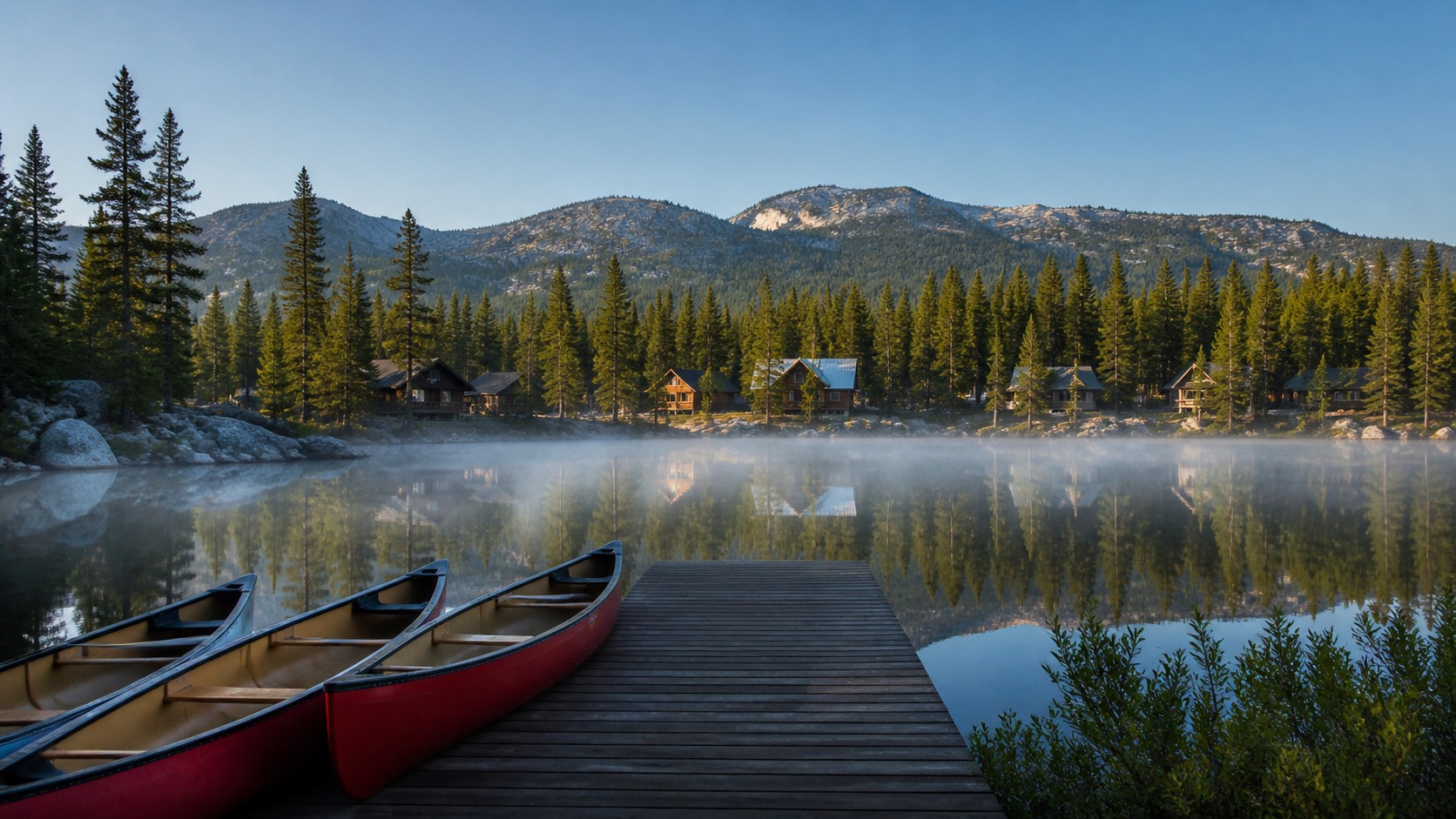
A forest lake can feel like a private universe when access is limited, sound is soft, and the lodging sits close enough to the water for the day to revolve around it. The experience is not usually glamorous in the obvious sense. It is sensory: damp wood, cool mornings, birds, oars, pine needles, reading in a blanket, and reflections broken by weather. For travelers who are overstimulated, this kind of hidden spot can feel like a reset.
The best forest escapes avoid the false romance of inconvenience. They provide safety, warmth, comfortable sleep, clear instructions, and honest information about wildlife, insects, road conditions, and supplies. Being alone with nature is restorative only when basic needs are handled well.
A cabin or lodge at the edge of silence should invite small routines. Coffee on the porch, a swim before breakfast, a short trail, an early dinner, and a dark walk back to the room can become enough.
Old Towns After the Day Visitors Leave
Historic towns can feel like secret worlds when travelers stay overnight instead of passing through at peak hours. The day-trip crowd leaves, shutters close, lamps come on, residents reclaim squares, and the architecture changes mood. A place that felt busy at noon may feel intimate after dinner. This is especially true in walled towns, hill villages, river ports, and old quarters where the street pattern slows movement naturally.
Choose lodging inside or just beside the historic core if quiet access is part of the goal. A room outside town may be more convenient for parking, but it can weaken the feeling of inhabiting the place. The reward of staying close is the ability to walk early and late, when the town is most itself. Those hours often hold the secret-world quality travelers came to find. Even a simple guesthouse can feel special when the door opens onto stone lanes before anyone else is awake.
Hot Springs, Bathing Villages, and Ritual Stays
Bathing destinations create immersion through repetition. A thermal pool, hammam, onsen, sauna, mineral spring, or bathhouse routine can shape the whole vacation. The secret-world feeling comes from letting the body adapt to a local rhythm: bathe, rest, eat, walk, sleep, repeat. The setting may be mountainous, coastal, forested, or urban, but the ritual creates the boundary.
Travelers should learn etiquette before arriving. Bathing cultures often have precise norms around washing, clothing, quiet, gendered spaces, tattoos, timing, or shared facilities. Understanding those customs makes the stay smoother and more respectful. It also deepens the experience because the traveler is participating in a rhythm rather than merely consuming an amenity.
The most memorable ritual stays are usually not the flashiest. They are the ones where the bath, room, meal, and surrounding landscape feel connected.
How to Recognize a Spot With Its Own World
Look for destinations where the reasons to visit are connected rather than scattered. A hidden vacation spot might combine a local inn, a few walking routes, a market, a bathing tradition, a lake, a ferry, or a set of old streets within a compact area. If every good experience requires a long transfer in a different direction, the trip may still be beautiful, but it will not feel like one secret world.
Reviews can reveal whether a place has this quality. Guests often mention that they did not want to leave, that they stayed on the property more than expected, that the village became familiar, or that ordinary routines were the highlight. Those comments matter. They suggest the destination has enough atmosphere to hold attention without constant novelty. By contrast, reviews that focus only on transfers to distant sights may indicate a pleasant base rather than a self-contained world.
Protecting the Spell Without Pretending It Is Yours
Hidden places feel intimate, which can tempt visitors to act as if they have discovered something personal. That is a mistake. These destinations belong first to residents, ecosystems, and local histories. Travelers are temporary guests. The more enclosed and delicate a place feels, the more important it is to move lightly: reduce noise, ask before photographing people, respect paths and private land, avoid drones where they disturb the mood, and spend money locally.
The secret-world feeling survives when visitors understand boundaries. Not every lane is an invitation. Not every viewpoint is public. Not every local ritual needs to be photographed. Responsible restraint protects the exact atmosphere travelers hope to enjoy.
Planning a Vacation That Feels Transportive
To build this kind of trip, choose one primary base and stay long enough to feel the shift. Three or four nights usually works better than one or two. Arrive in daylight, keep the first evening simple, and let the second day reveal how the place wants to be experienced. Add only a few activities that deepen the setting rather than pulling you away from it.
Pack for comfort and patience. Secret-world destinations often involve walking, weather, quiet evenings, limited shops, and fewer instant fixes. Bring layers, shoes that suit the terrain, a book, cash, offline maps, and a willingness to let some hours stay empty. The emptiness is not wasted time. It is where immersion grows. Travelers who schedule every hour often miss the very quality they came for, because the place needs pauses, returns, and repeated views to become more than pretty.
The best hidden vacation spots do something rare: they make the traveler feel temporarily outside the usual pattern of life. You return with memories of scenery, yes, but also of rhythm, light, sounds, meals, and the way the place seemed to close gently around the day. That feeling is why the journey lasts long after returning home again, months later, quietly.