Quiet Escapes Work Best When the Place Still Has Its Own Pace
Undiscovered travel destinations are not always distant, dramatic, or difficult to reach. Many of the best quiet escapes are places that simply sit outside the most repeated travel routes: a riverside village with a few good inns, a lake region without a famous resort name, a small city where cafes still serve residents first, or a countryside valley where the main attraction is the rhythm of ordinary days. The appeal is not emptiness. It is proportion. A quiet destination gives travelers enough beauty, food, walking, culture, and comfort to feel restored without forcing every hour into motion. The best ones still belong to themselves. They welcome visitors, but they do not rearrange the whole day around them.
A: Check lodging quality, meal access, walking options, weather backups, transport, and recent reviews that describe the daily rhythm.
A: No. Many overlooked destinations sit near famous regions but stay calmer because they are less marketed or slightly less convenient.
A: Three or four nights usually gives enough time to settle in without overbuilding the itinerary.
A: Choose a base with gentle variety: walks, cafes, water, markets, small museums, and easy meals.
A: Often, as long as restaurants, lodging, ferries, trails, and weather still support the trip you want.
A: Yes, especially small cities, spa towns, village inns, and lake regions with safe walking and welcoming food options.
A: Sometimes, but a walkable base with regional trains, buses, bikes, or taxis can feel calmer than constant driving.
A: Spend locally, respect private property, reduce noise, avoid fragile geotags, and follow local access rules.
A: Choose the mood you want, then find a base that makes meals, walks, and rest easy.
A: You return rested, oriented, and attached to ordinary details rather than only to a famous view.
What Quiet Really Means in Travel
Quiet travel is not only about low visitor numbers. A place can be quiet because its streets are calm, its lodging is small-scale, its attractions are spread out, or its best experiences happen at ordinary hours rather than at crowded landmarks. Quiet can mean natural sound, a slower meal, a village square after sunset, or a walking route where the destination is not constantly asking to be photographed.
The strongest quiet escapes provide enough structure to feel easy. A traveler still needs somewhere comfortable to sleep, reliable meals, safe movement, clear transport, and a few meaningful things to do. A place that is silent but impractical may not be restful. The sweet spot is a destination with a gentle pulse: visible local life, manageable logistics, and enough unhurried beauty to hold attention.
This is why the word undiscovered should be handled carefully. Most places are known and loved by the people who live there. For travelers, the better meaning is overlooked by mass tourism. That mindset encourages respect instead of conquest. It also leads to better planning, because the traveler starts asking how to fit into the place instead of how to extract a perfect itinerary from it.
Riverside Towns and Slow Water Routes
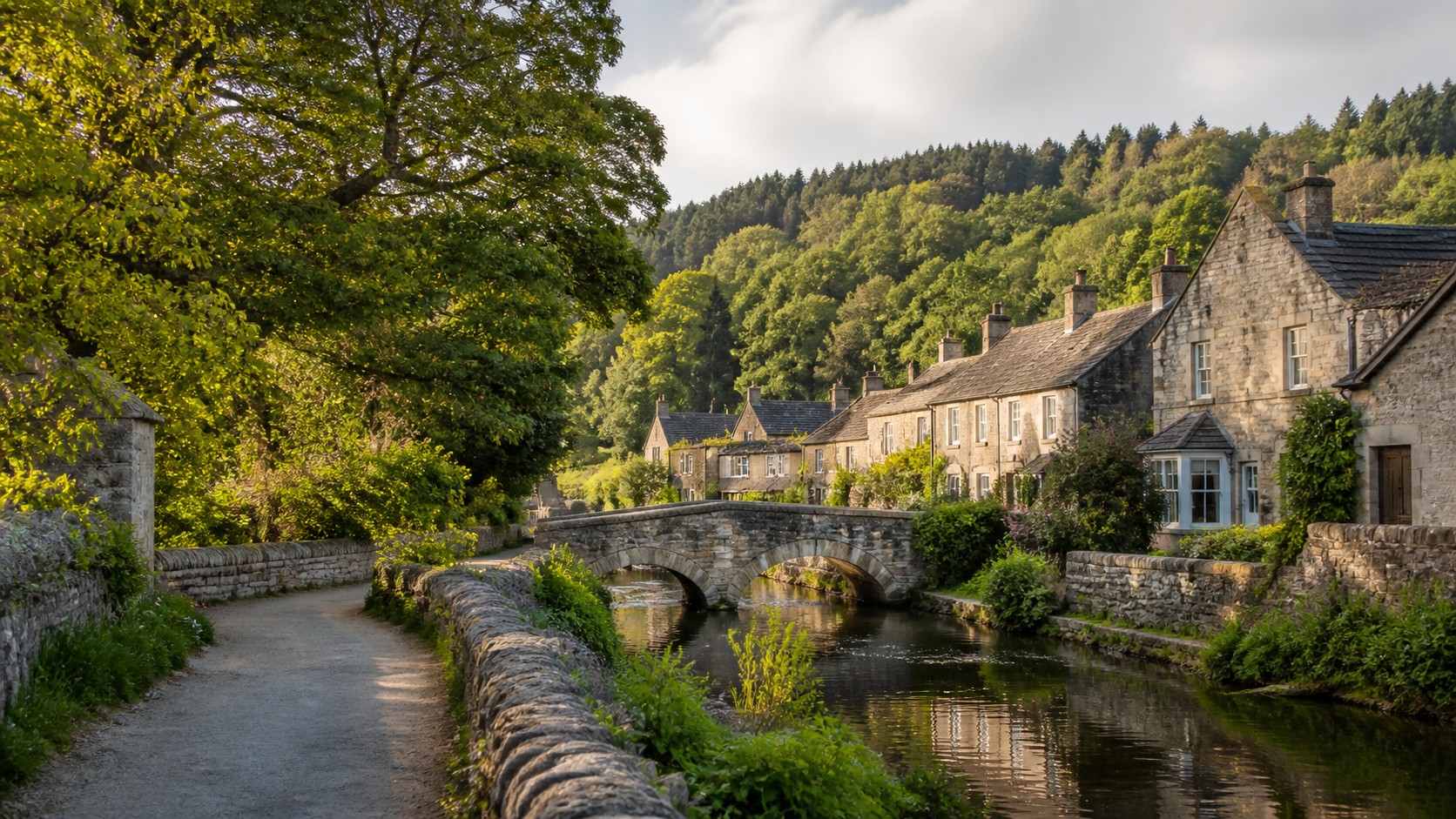
Rivers naturally create quiet itineraries because they give travelers a line to follow without rushing. Small riverside towns often combine bridges, footpaths, markets, cafes, old mills, gardens, and views that change with light and weather. They are especially good for travelers who want gentle movement. A day can include breakfast near the water, a walk to the next village, lunch in a square, and an evening return along the riverbank.
Undiscovered river destinations can be found away from famous cruise corridors and major capitals. Look for tributary valleys, canal towns, wine rivers, old trading villages, and smaller regional waterways. The best bases have lodging close to the water but not directly on a busy road. They also have enough restaurants to make evenings easy without turning the trip into a search for options.
A river escape rewards repetition. Walking the same bridge at different hours or hearing the water from the room can make the stay feel grounded. The quiet comes from familiarity, not from constant novelty.
Lake Regions Without the Resort-Crowd Mood
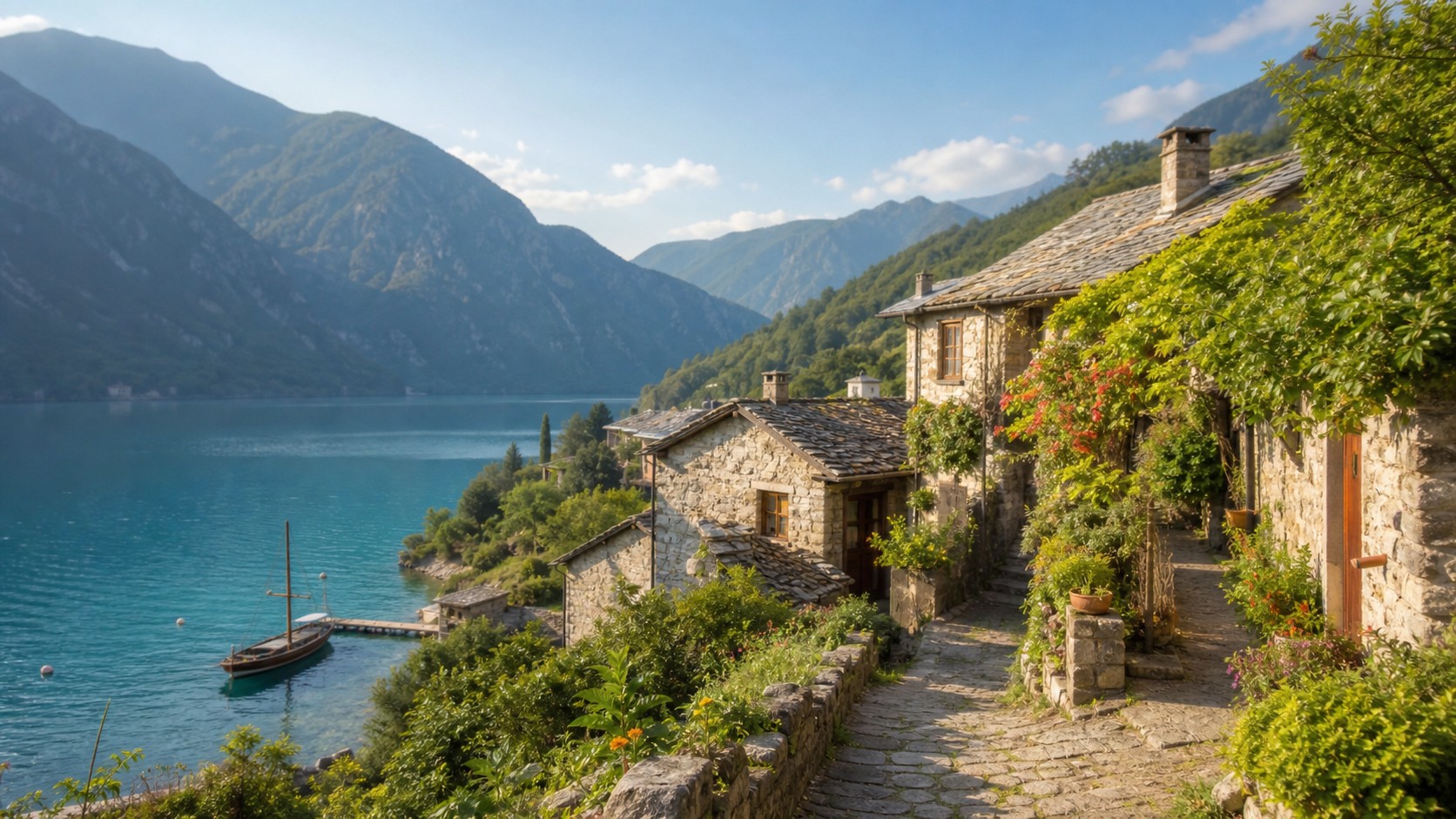
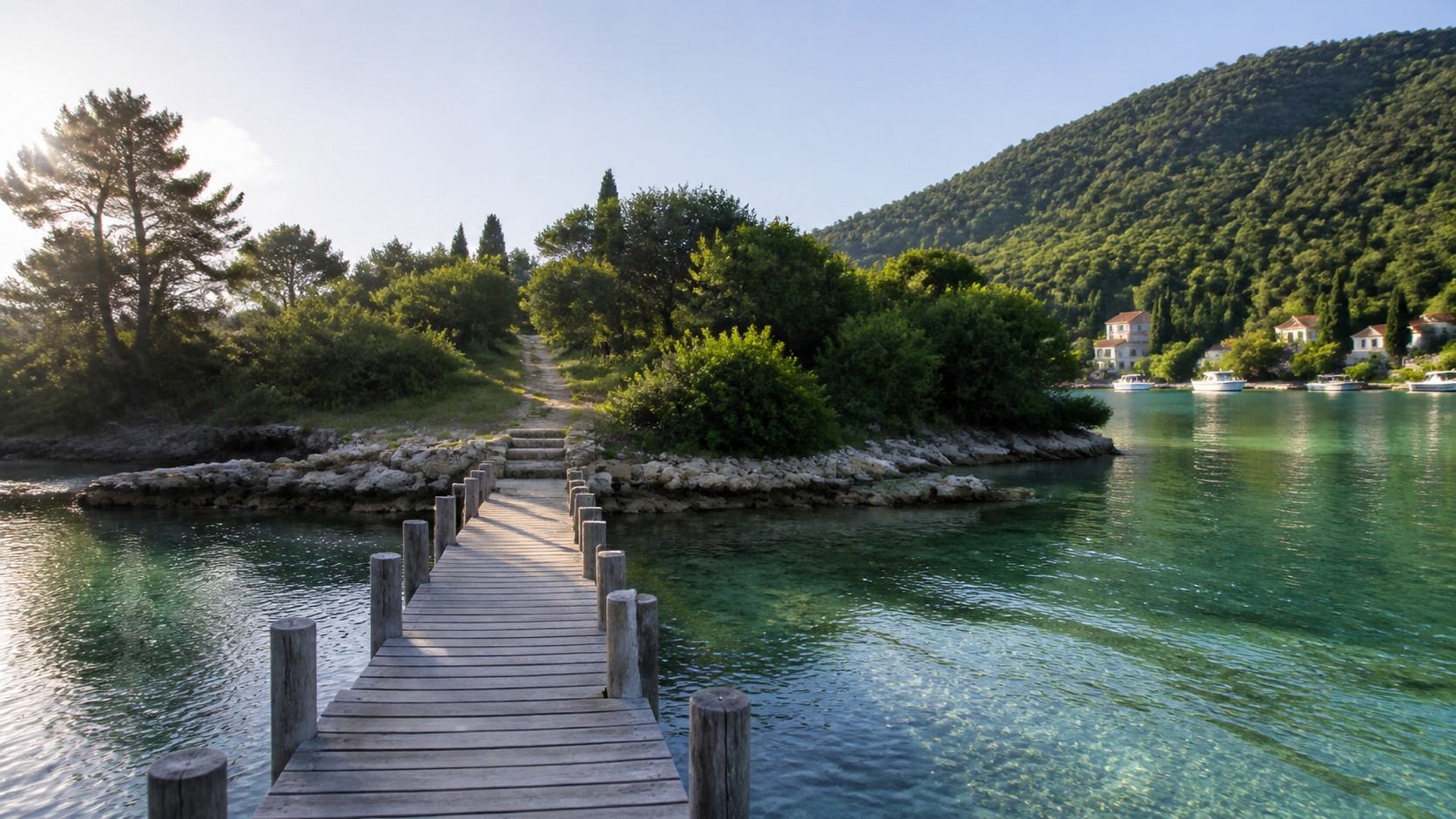
Lakes can be deeply restorative when they are not dominated by traffic, loud rental boats, or high-season resort pressure. Lesser-known lake regions often offer swimming, paddling, forest walks, small inns, picnic spots, and villages that feel calm even when they receive visitors. The water gives the trip a natural center, while surrounding hills or woods create a sense of enclosure.
The key is choosing the right shoreline. A famous lake may have quieter eastern or northern villages. A smaller lake nearby may be more peaceful than the one everyone names first. A rural reservoir or glacial basin may offer beauty without a polished vacation industry. Before booking, check road noise, swimming access, boat rules, restaurants, insects, and whether the lodging has outdoor space that guests actually use.
A good lake escape lets travelers do less without feeling bored. Reading, swimming, walking, cooking, and watching weather move across the water can become the entire point.
Small Cities That Do Not Shout for Attention
Quiet escapes are not limited to rural places. Some small cities are ideal for travelers who want culture without intensity. University towns, regional capitals, old port cities, spa towns, and lesser-known creative hubs can offer museums, bookstores, markets, parks, cafes, architecture, and local restaurants without the pressure of a major urban itinerary. They provide stimulation at a human scale.
The best small cities for quiet travel have neighborhoods worth wandering and enough public life to feel alive. They are not empty after dark, but they are not constantly crowded. Travelers can stay near the center, walk to dinner, visit a gallery, sit in a park, and leave space for accidental discoveries. A quiet city escape works when the traveler feels invited to observe rather than compelled to consume.
These destinations are especially useful for shoulder-season travel. When weather is uncertain, museums, cafes, covered markets, and short transit options provide comfort that a purely outdoor escape might lack. They also work well for travelers who want quiet without isolation, because there is always somewhere gentle to go when a long countryside afternoon would feel too still.
Countryside Valleys With Local Food and Walking
Countryside valleys can feel undiscovered when they have farms, vineyards, orchards, footpaths, small churches, family restaurants, and inns that have not been flattened into a single tourism style. The pleasure is cumulative. One meal, one walk, or one view may not seem world-famous, but together they create a deeply satisfying stay.
Food is often the anchor. A quiet destination becomes more memorable when dinners reflect the region through produce, bread, cheese, fish, wine, herbs, or seasonal cooking. Travelers should look for places where the food culture belongs to the landscape rather than being imported for visitors. Markets, farm shops, and simple restaurants can tell you more about a valley than a list of attractions.
Walking matters too. A quiet countryside trip is easier when guests can leave the inn or village on foot. If every beautiful moment requires driving, the trip can start to feel fragmented. A short lane to a viewpoint, a path through fields, or a loop to another village can make the whole escape feel more generous because quiet is available immediately.
Underrated Coastlines Beyond the Famous Beaches
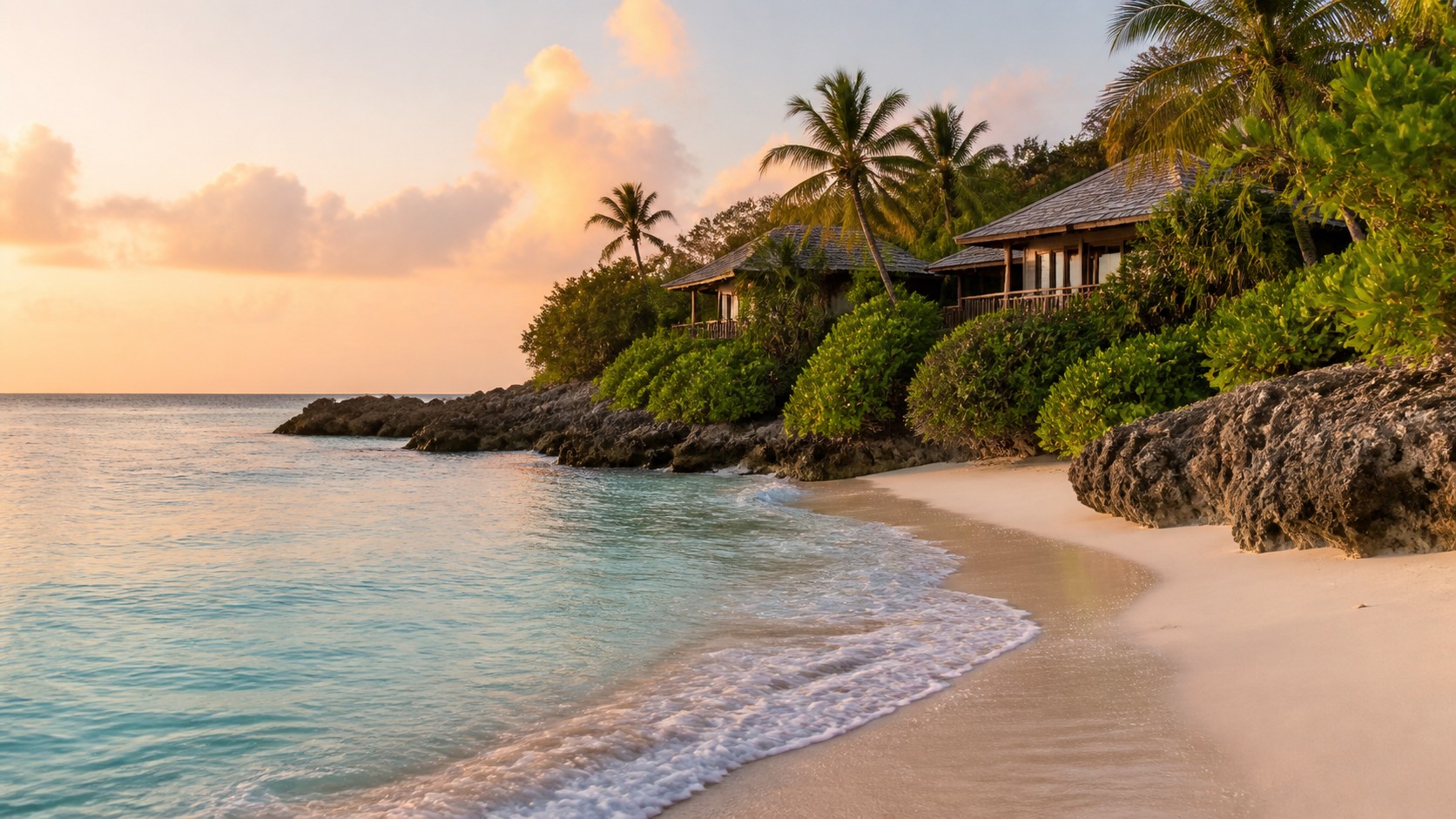
A quiet coastal escape does not always mean a hidden tropical beach. It might be a fishing village, a cool-weather headland, a string of coves, a ferry-linked peninsula, or a coastal path where the sea is present without becoming a scene. Underrated coastlines often feel more peaceful because they offer several moods: walking, swimming, seafood, weather, cliffs, harbors, and small towns.
Travelers should look beyond beach rankings and ask what the coast feels like across a full day. Is there shade? Are there local restaurants? Can you walk safely? Does the wind make one side better than another? Is the destination lively enough in the evening without becoming loud? A quiet coast should feel usable, not merely pretty.
Shoulder season can be wonderful on these coastlines, especially when the goal is walking and atmosphere rather than guaranteed swimming. The sea may be cooler, but the sense of space can be far better.
How to Research Without Creating a Checklist Trip
Researching quiet destinations requires restraint. It is easy to turn an undiscovered escape into another overplanned itinerary by collecting too many must-see stops. Instead, search for anchors: one good base, a few local meals, a walking route, a market day, a scenic road, a bathing spot, or a small museum. The goal is to understand how the destination works, not to remove every unknown.
Use varied sources. Official tourism pages help with transport, protected areas, and seasonal access. Local lodging sites often reveal meal patterns and nearby routes. Regional newspapers, festival calendars, hiking clubs, and small tour operators can show what residents value. Reviews are useful when they describe rhythm, not just ratings.
Leave room for discovery after arrival. Quiet destinations often reveal themselves through advice from hosts, changing weather, or the simple fact that one place feels better than expected. The best plan gives you enough knowledge to feel secure and enough blank space to be surprised.
When Quiet Becomes Too Quiet
Not every quiet place is right for every traveler. A destination can feel peaceful in photos but lonely in practice if restaurants are closed, transport is limited, streets empty too early, or lodging feels isolated. Travelers who need social energy, nightlife, shopping, or constant variety should be honest about that before choosing a deeply calm escape.
The best approach is to match quiet with support. A small town with several restaurants may work better than a remote cottage. A lake region near a market village may feel easier than a cabin far from supplies. A quiet city may suit a solo traveler better than an empty countryside road. Rest is personal, and the right level of quiet depends on who is traveling. A good quiet escape should lower effort, not make every meal, transfer, and rainy afternoon feel like a problem to solve.
Responsible Travel Keeps Quiet Places Welcoming
Quiet destinations can be more vulnerable to visitor behavior because small communities notice everything. Parking, noise, drones, trash, short-term rental pressure, trail erosion, and intrusive photography can change how residents feel about tourism. Traveling well means moving as a guest, not as an explorer claiming a prize.
Spend locally, follow access rules, respect private property, avoid loud behavior at night, and be thoughtful about what you share online. If a place has limited infrastructure, do not treat that limitation as a challenge to overcome. It is part of the destination’s capacity. The best quiet escapes stay quiet because visitors help protect the balance that made them appealing.
Choosing the Quiet Escape That Fits You
Start with the feeling you want at the end of the trip. If you want softness, choose lakes, gardens, rivers, or countryside inns. If you want perspective, choose mountains, coastlines, or desert-edge towns. If you want gentle culture, choose small cities, spa towns, or historic villages with enough daily life. The right destination should support your nervous system, not just your camera roll.
Then build a simple plan. Choose a base that makes meals and walks easy. Stay long enough for the place to become familiar. Add one or two flexible outings instead of filling every day. Check seasonal realities before booking. Bring patience for slower hours, because those hours are the reason for choosing a quiet escape.
An undiscovered destination feels successful when the trip becomes easier as it goes. You stop asking what else there is to see and start noticing where you are. That is the quietest kind of luxury.
The memory of the trip may be humble: a bridge, a lunch, a path under trees, a room with good sleep, or an hour when nobody needed anything from you. Quiet escapes matter because they make those small things feel like enough. That kind of enoughness is hard to find in louder places, especially on hurried itineraries built around constant movement and comparison, daily.