A First Safari Should Feel Wonder-Filled, Not Overwhelming
The best African safari destinations for first-time visitors combine wildlife, good guiding, manageable logistics, and enough comfort that the trip feels exciting rather than intimidating. A first safari is not only about seeing lions, elephants, giraffes, rhinos, leopards, or wildebeest. It is about learning how game drives work, how early mornings feel, how silence changes when animals appear, and how much trust you place in guides who read tracks, weather, distance, and behavior. Kenya, Tanzania, South Africa, Botswana, Namibia, Zambia, and Uganda can all be excellent first choices, but they suit different travelers. The right safari begins with honest questions about budget, mobility, comfort, season, wildlife priorities, and how adventurous you want the journey to feel.
A: The Maasai Mara, Serengeti, Greater Kruger, Chobe, and Etosha are strong choices depending on budget, season, and travel style.
A: Kenya can feel efficient and classic, while Tanzania offers enormous scale; the better choice depends on timing and itinerary design.
A: Yes. Kruger and Greater Kruger are excellent for accessible logistics, varied budgets, and strong wildlife viewing.
A: Many first-timers do well with five to eight safari days, depending on travel time, budget, and whether other destinations are added.
A: They can be worth it for guiding, vehicle comfort, lower density, and a more seamless first safari experience.
A: Yes, but age rules, malaria considerations, drive length, lodging style, and family-friendly guides matter.
A: No. Good guiding, location, safety, and clear logistics matter more than luxury, though comfort can improve a first trip.
A: Book well ahead for peak seasons, migration areas, small camps, gorilla permits, and popular private reserves.
A: Pack binoculars, layers, sun protection, muted clothing, medications, camera basics, and soft-sided luggage if flying internally.
A: A successful first safari balances wildlife, guiding, pacing, comfort, ethics, and enough quiet time to observe properly.
Maasai Mara for Big Cats and Classic Safari Drama
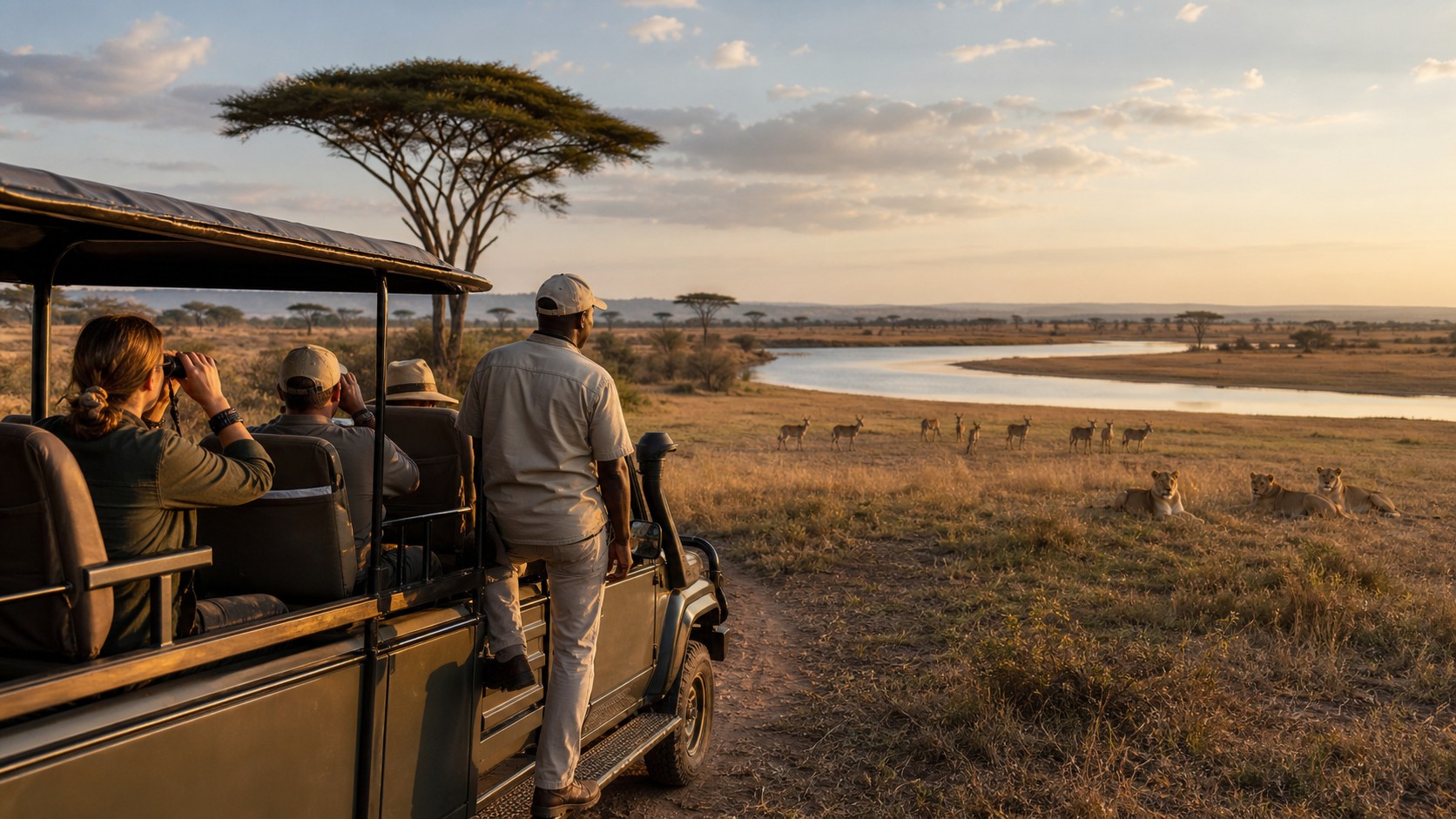
Kenya’s Maasai Mara is one of the strongest first-safari choices because it delivers the kind of open grassland scenes many travelers imagine before they ever reach Africa. Lions, cheetahs, elephants, giraffes, hyenas, buffalo, and rich birdlife can all be part of the experience, and the wider Mara ecosystem has a deep safari tradition.
The Mara is especially appealing for travelers who want strong guiding and a high chance of memorable wildlife viewing within a relatively straightforward itinerary. Flights from Nairobi can simplify logistics, while road transfers may suit some budgets. Private conservancies around the reserve can offer lower vehicle density and a more intimate style of guiding.
First-timers should understand the difference between the national reserve and surrounding conservancies before booking. The reserve can place you close to famous migration scenes and broad plains, while conservancies may offer night drives, walking options, and stricter vehicle limits depending on rules and camp arrangements. That choice shapes the feeling of each day.
The migration season adds drama, but first-timers should not treat it as the only reason to go. The Mara can be rewarding outside peak migration months, and a quieter season may create a calmer introduction.
Choose the Mara if you want classic big-cat safari energy, open landscapes, and an itinerary that can be shaped from comfortable to very refined.
Serengeti and Ngorongoro for Scale and Variety
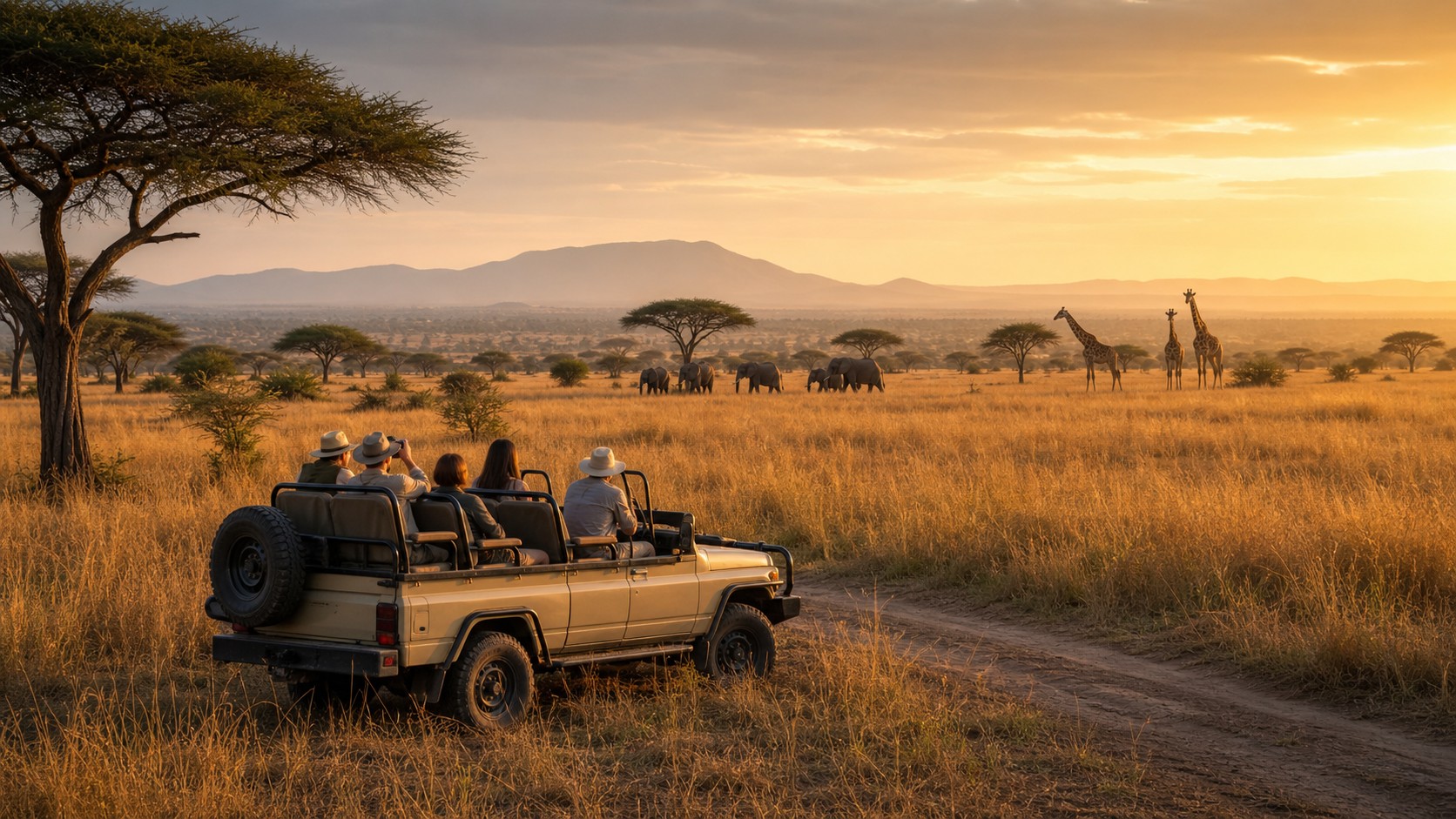
Tanzania’s northern circuit is a dream for first-time visitors who want scale. The Serengeti offers vast plains, predator-prey drama, and seasonal movement, while Ngorongoro Crater creates a concentrated wildlife experience in a striking volcanic setting. Together, they give a first safari both breadth and visual impact.
The strength of this route is variety. Travelers can pair Tarangire’s elephants and baobabs with the Serengeti’s open plains and Ngorongoro’s dense wildlife viewing. The days feel different, which helps a longer safari stay engaging. The tradeoff is movement between areas and a need to plan around drive times or internal flights.
First-timers should choose operators who explain seasonality clearly. The Serengeti is enormous, and wildlife concentrations shift. Being in the right region for your travel month matters more than simply saying you are going to the Serengeti.
This is a strong choice for travelers who want a major wildlife itinerary and are comfortable with several bases. It pairs well with Zanzibar for a beach finish if time and budget allow. Good guiding makes the scale easier to understand.
The experience can feel grand without being chaotic when the pacing is right. A rushed circuit may check famous names but leave too little time to settle into the rhythm of each place.
Kruger and Greater Kruger for Accessibility and Choice
South Africa’s Kruger region is often the easiest first safari to plan. Kruger National Park and the private reserves of Greater Kruger offer excellent wildlife, strong infrastructure, and a wide range of budgets. Travelers can choose self-drive sections, guided lodge stays, or private reserves with high-touch guiding.
This flexibility makes the region especially good for nervous first-timers, families, and travelers who want safari without complicated logistics. Airports, roads, medical access, and lodging variety make the trip feel more familiar than remote fly-in wilderness.
Private reserves can be excellent for first safaris because guides and trackers handle the searching, explain behavior, and often provide a more intimate vehicle experience. Self-driving in the national park can be rewarding too, but it requires patience, map awareness, and realistic expectations.
A first-time traveler who wants the least friction may prefer a lodge package where transfers, drives, meals, and guiding are handled by one team. Someone who loves independence may enjoy a few self-drive days in the park before or after a guided stay. The region makes both styles possible.
Kruger is a smart choice if you want strong wildlife odds, flexible budgets, and the option to combine safari with Cape Town, the Winelands, or other South African travel.
Chobe and the Okavango for Water, Elephants, and Wilderness
Botswana offers a different first-safari mood: quieter, more spacious, and often more expensive. Chobe National Park is famous for elephants and river-based viewing, while the Okavango Delta brings channels, floodplains, mokoro excursions, game drives, and a deep sense of wilderness.
Chobe can be a practical entry point because it is easier to combine with Victoria Falls and regional travel. The Okavango is more immersive, often reached by light aircraft and built around camps that place travelers close to water-shaped landscapes. Both can feel magical for first-timers who want fewer crowds and excellent guiding.
The tradeoff is cost and logistics. Botswana’s low-volume model can mean higher prices, and some camps are remote. Travelers should be honest about comfort with small planes, limited connectivity, and a daily rhythm shaped by camp life.
Water changes the safari tempo. A boat cruise past elephants at the river, a mokoro moving quietly through reeds, or a floodplain drive after fresh tracks can feel very different from open-grassland game viewing. That variety is part of Botswana’s appeal for travelers who want their first safari to feel spacious and layered.
Choose Botswana if you value space, elephants, water-based safari variety, and a quieter wilderness tone over bargain pricing.
Etosha for Open Views and Independent-Friendly Safari
Namibia’s Etosha National Park is excellent for first-timers who like clear sightlines, dramatic landscapes, and a more independent travel style. The park’s salt pan, waterholes, and open terrain can make wildlife easier to spot, especially in the dry season when animals gather near water.
Etosha works well as part of a broader Namibia road trip. Travelers can combine wildlife with dunes, desert scenery, coast, and wide empty roads. That makes it appealing for people who want safari, but not a safari-only vacation.
The experience differs from lush East African plains or river systems. Etosha can feel stark, bright, and spacious. Wildlife viewing often rewards patience at waterholes rather than constant movement.
First-time visitors should plan distances carefully. Namibia is vast, and drive times are real. A slower itinerary usually feels more rewarding than trying to cover the whole country in one pass.
Etosha suits travelers who want a visually distinct safari and are comfortable with self-drive structure, lodge stays, and desert-scale travel across long, open distances.
South Luangwa for Walking Safari Depth
Zambia’s South Luangwa is a superb destination, but it is best for first-timers who already know they want a slightly deeper wilderness feel. The park is famous for excellent guiding, strong leopard sightings, seasonal river landscapes, and walking safaris that change how travelers understand the bush.
Walking does not replace game drives; it adds texture. On foot, the focus shifts to tracks, plants, insects, wind, sounds, and the intelligence of guides who keep the experience safe and meaningful. For some first-time visitors, that is unforgettable. For others, it may feel too intense as an introduction.
South Luangwa is a strong choice for curious travelers who want education as much as sightings. It is less ideal for anyone who wants the simplest logistics or the most familiar first safari format. Its rewards are slower and more interpretive.
Uganda and Rwanda for Gorillas With Safari Add-Ons
Gorilla trekking in Uganda or Rwanda can be life-changing, but it is not the same kind of trip as a vehicle-based savanna safari. The experience involves permits, trekking on foot, forest conditions, strict rules, and a limited time near habituated gorilla families. For travelers drawn to primates, it can be the heart of a first Africa trip.
Uganda can pair gorilla trekking with chimpanzees, Queen Elizabeth National Park, Murchison Falls, and varied landscapes. Rwanda offers efficient logistics, high-quality lodges, and easier combinations for travelers with limited time. Both require planning well ahead because permits matter.
This style of trip suits travelers who want intimacy, conservation, and forest atmosphere more than open-plains safari alone. It can also pair beautifully with Kenya or Tanzania for a broader first journey.
Physical preparation matters. Treks vary, but mud, slopes, altitude, and humidity can all appear. Honest fitness expectations make the day more enjoyable.
How to Choose a First Safari Destination
Start with your priority. If you want classic big-cat drama, look at the Mara or Serengeti. If you want ease and flexibility, consider Kruger. If elephants, water, and quiet camps appeal, Botswana may fit. If self-drive desert landscapes sound exciting, Namibia deserves attention. If guiding depth and walking safaris call to you, Zambia may be right.
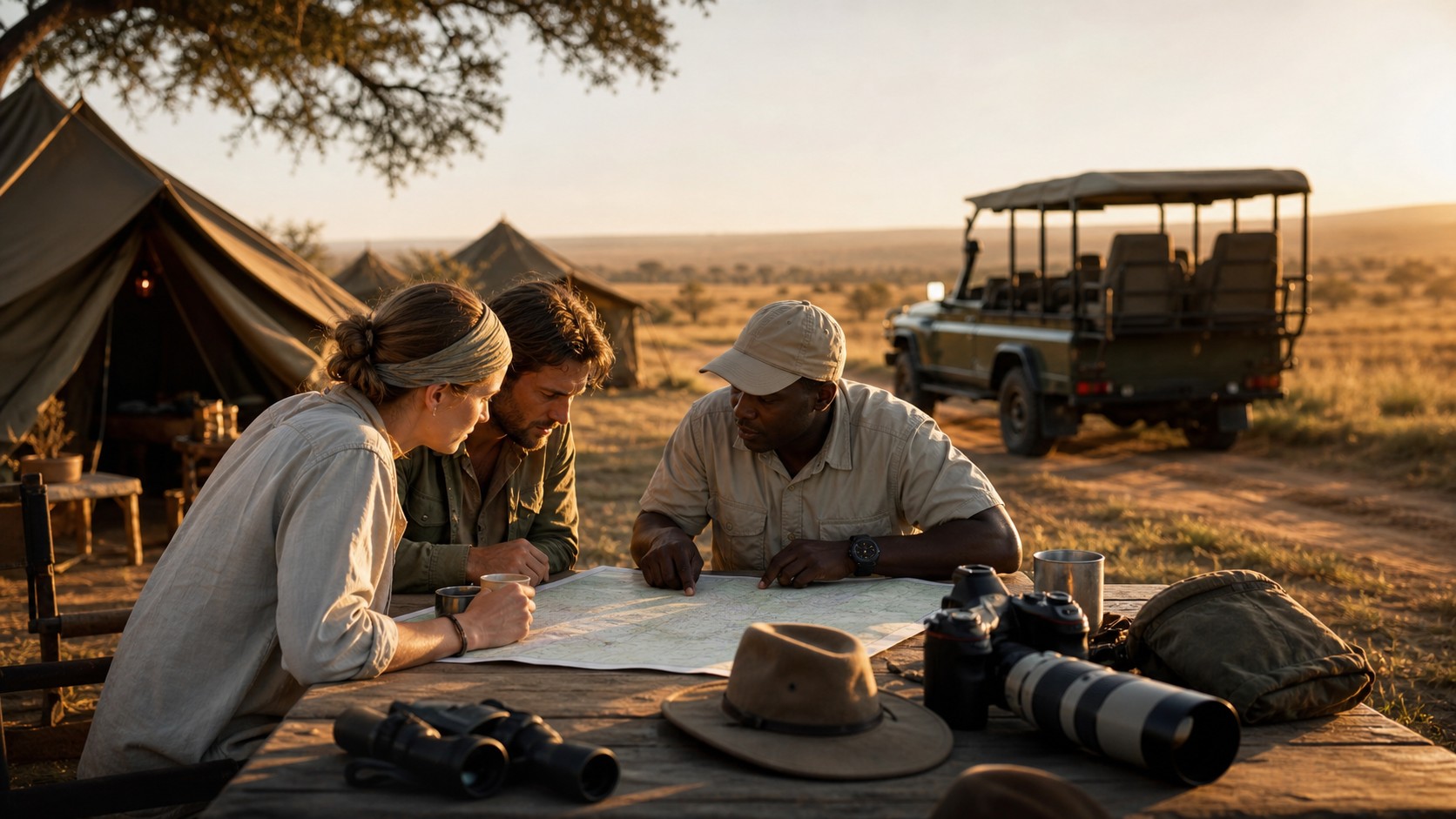
Then filter by budget, season, travel time, malaria considerations, mobility, group size, and comfort level. A safari is not only a destination; it is a logistics system. Flights, transfers, lodge location, guide quality, vehicle setup, and daily pacing shape the experience.
First-time visitors often do best with fewer bases and more time in each place. Two or three nights at a good camp can teach you more than one rushed night at several famous stops.
Think about your own attention span too. Some travelers love dawn starts and long quiet waits, while others need shorter drives, private vehicles, or lodge time to reset. Matching the format to your temperament prevents the trip from feeling like a performance of what safari is supposed to be.
The best first safari lets wonder build. You should have enough time to watch animals behave, ask questions, rest between drives, and understand that the bush is not a checklist or a race.
What First-Timers Should Know Before Booking
Safari days start early and often include downtime in the heat of the day. Packing should favor layers, muted colors, sun protection, binoculars, a comfortable camera setup, and patience. Game viewing is unpredictable, and that unpredictability is part of the point.
Choose operators and lodges that communicate clearly about conservation, community relationships, vehicle rules, tipping, health precautions, and what is included. The cheapest quote may exclude park fees, transfers, drinks, laundry, or internal flights. Clear pricing prevents tension later.
Most importantly, trust good guides and follow rules around wildlife. Do not stand unexpectedly, call to animals, pressure guides to get too close, or treat the vehicle like a stage. The finest safari moments usually happen when people are quiet enough to notice them.
A first safari can change how you travel afterward. It teaches attention, patience, and respect for places where humans are visitors rather than the center of the scene. That shift is often the trip’s quietest gift for many travelers afterward.