The Best Safari Tour Is the One Built Around How You Want to Watch
The best safari tours in the world are not all versions of the same game drive. Some tours are built around big seasonal movement, some around private conservancies and expert tracking, some around walking slowly through wild country, and others around rivers, gorillas, family comfort, photography, or self-drive freedom. A great safari tour is less about checking off every famous animal and more about choosing the right way to observe. The same traveler might love a Maasai Mara conservancy stay, feel overwhelmed by a rushed multi-park circuit, and be transformed by one quiet walking safari. The right tour format shapes the pace, intimacy, cost, and depth of the entire journey.
A: A classic guided lodge safari in a strong wildlife area is often the easiest and most rewarding first format.
A: They can be extraordinary when timing and location are planned well, but no single crossing or event is guaranteed.
A: Private conservancy stays, walking safaris, and small mobile camps often create a more intimate experience.
A: They can be excellent for independent travelers in suitable parks, but they require patience and rule awareness.
A: Photography tours should prioritize guide patience, vehicle setup, light, and ethical distance from wildlife.
A: Yes, if the tour matches ages, drive length, lodging rules, health needs, and guide style.
A: No. Location, guiding, and wildlife access matter more than luxury alone.
A: Many travelers benefit from at least five to eight safari days, depending on region and travel time.
A: Ask about season, guide quality, vehicle setup, fees, transfers, activity rules, luggage, and cancellation terms.
A: A world-class tour combines guiding, habitat, pacing, ethics, comfort, and enough time for real wildlife behavior.
Classic Game Drive Tours for First Safari Confidence
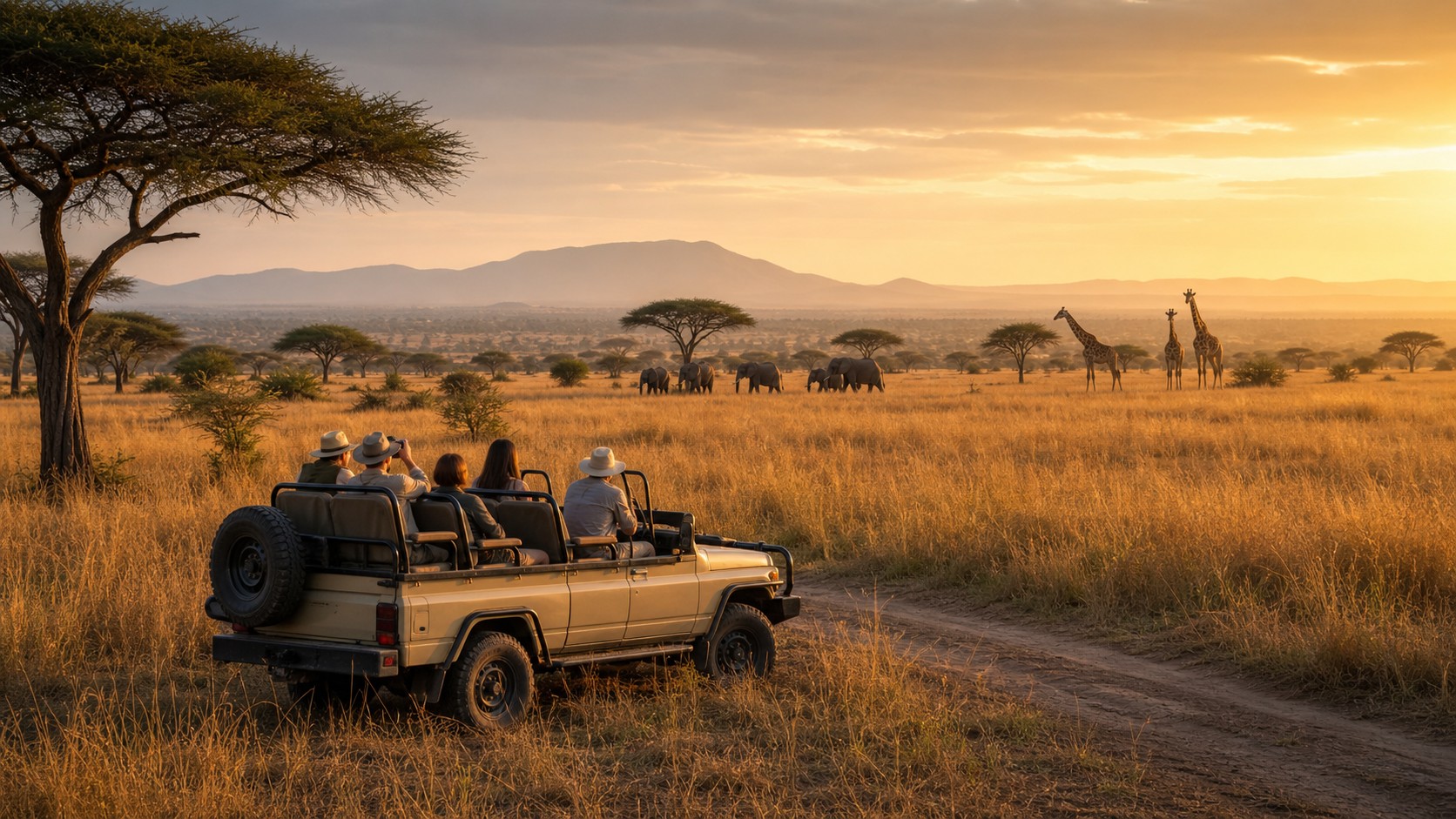
Classic game drive tours remain the foundation of safari travel because they work. A skilled guide, a well-positioned vehicle, early starts, late-afternoon drives, and time in productive wildlife areas can introduce travelers to elephants, lions, giraffes, buffalo, antelope, birds, and the daily pattern of the bush.
These tours are especially good for first-timers who want structure. Transfers, lodging, meals, park access, and guiding are usually bundled in a way that reduces decision fatigue. The guide interprets tracks, behavior, light, alarm calls, and safe distance, which helps beginners see more than they would alone.
Vehicle quality and guide rhythm matter more than many brochures admit. A comfortable seat, clear sightlines, sensible group size, and a guide who knows when to explain and when to stay quiet can transform the same road into a richer experience. Good tours create attention instead of rushing guests from sighting to sighting.
The best classic tours avoid rushing through too many parks. They give each area enough time to breathe, because one full day often teaches more than another transfer. A well-paced itinerary lets sightings build and gives travelers a sense of place.
Choose this style if you want a balanced safari with strong wildlife odds, daily comfort, and room to learn. It is the baseline against which many other safari formats are measured.
Migration Tours for Seasonal Drama
Migration tours in East Africa attract travelers who want scale: vast herds, predators, dust, river crossings, calving grounds, and the feeling of wildlife moving across a living landscape. The Serengeti and Maasai Mara are central to this dream, but the migration is not a single event that happens on command.
A good migration tour is built around timing and region. Herds shift with rain, grazing, and instinct, so operators should explain where they expect wildlife to be during your specific dates. A mobile or strategically placed camp can be more valuable than a famous lodge in the wrong area.
Travelers should prepare for uncertainty. A river crossing may happen after hours of waiting, or not at all. The deeper reward is watching the ecosystem around the movement: calves, predators, vultures, weather, grass, and the guide’s reading of signs.
Migration tours suit patient travelers who are excited by seasonal wildlife behavior. They are less ideal for anyone who expects one guaranteed spectacle to justify the whole trip.
When planned well, the drama feels earned. You are not watching a show; you are witnessing movement that belongs to the animals. That perspective makes waiting feel purposeful instead of wasted.
Private Conservancy Tours for Intimate Guiding
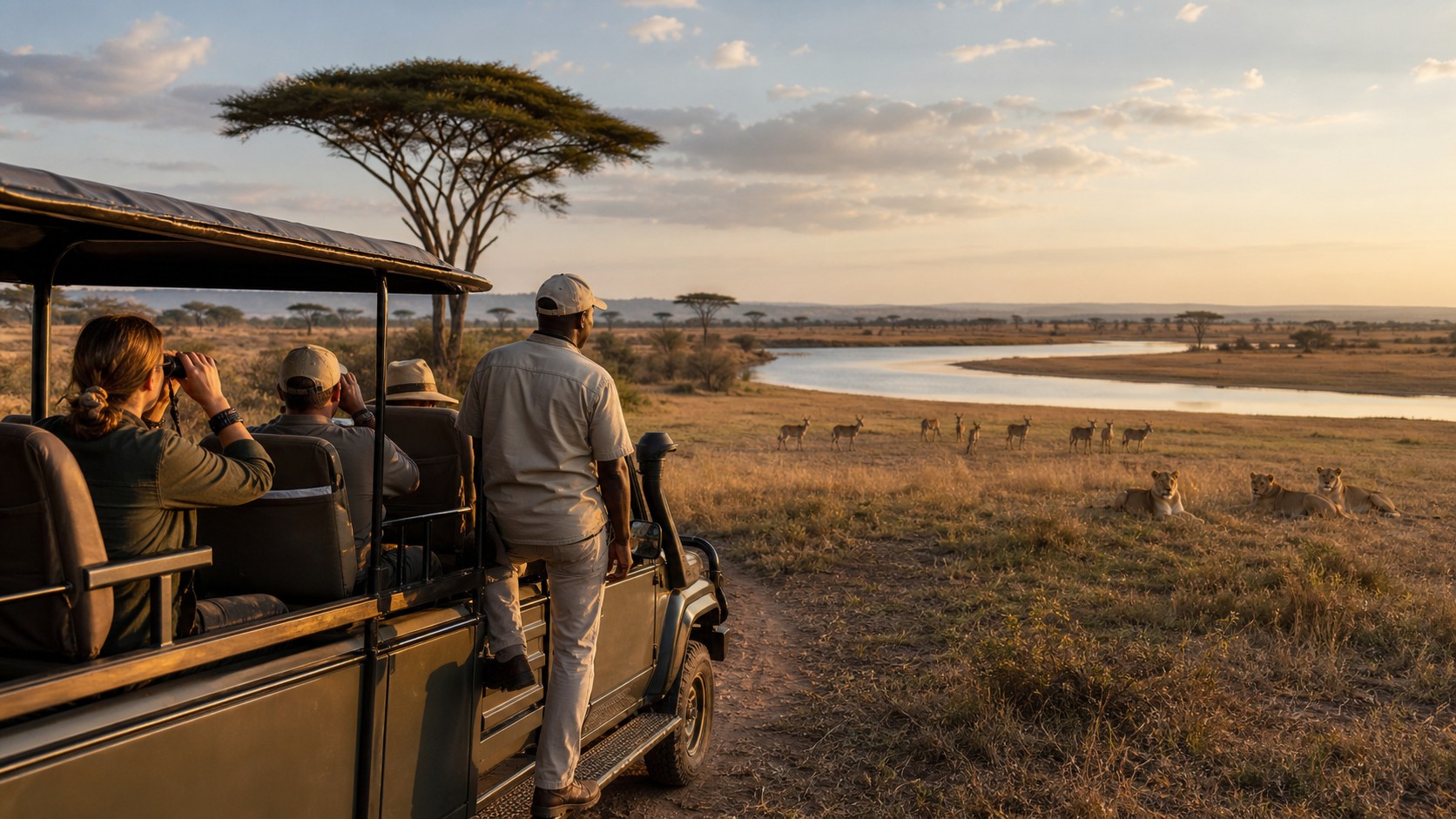
Private conservancy and reserve tours can be among the world’s best safari experiences because they often allow lower vehicle density, strong guiding, and activities that may not be available in busier public areas. Rules vary, but some conservancies offer night drives, walking, off-road viewing under strict guidelines, and close relationships between camps and landowners.
This style works well for travelers who want depth rather than maximum distance covered. Guides may follow tracks over multiple drives, explain territorial behavior, identify birds and plants, and shape the experience around what guests are learning.
Conservancies can also make the human side of safari more visible. Land agreements, lease payments, community partnerships, and conservation funding may all support the wildlife experience guests enjoy. Travelers should ask how the model works rather than assuming privacy alone is the benefit.
The cost can be higher, but the value often lies in space and interpretation. Fewer vehicles at sightings, smaller camps, and continuity with the same guide can make the safari feel calmer and more personal.
Conservancy tours are excellent for couples, photographers, repeat safari travelers, and first-timers who would rather do fewer places extremely well than race through famous names.
Walking Safari Tours for a Slower Kind of Wonder
Walking safari tours change the scale of the experience. Instead of scanning from a vehicle, travelers notice tracks, dung, insects, plants, bones, wind, birds, and the way guides read small evidence. Zambia is especially known for walking safaris, though walks exist in other countries and reserves too.
A walk is not about approaching big animals recklessly. It is about understanding wild country through the senses. Armed and trained guides set the pace, read conditions, and decide what is appropriate. The best walks can make a termite mound or footprint feel as interesting as a distant lion.
This style is best for travelers who are curious, reasonably mobile, and comfortable following instructions. It may not suit very young children or visitors who want constant vehicle-based sightings.
Walking tours pair beautifully with game drives. The contrast makes both experiences richer, because the vehicle gives reach while the walk gives intimacy.
A good walking safari leaves travelers quieter. It teaches that the bush is not empty between headline animals, even when the vehicle is far away.
River and Delta Tours for Water-Based Safari
River and delta safari tours reveal a different side of wildlife. Chobe boat safaris, Okavango Delta excursions, channels, lagoons, and seasonal floodplains bring elephants drinking, hippos, crocodiles, fish eagles, waterbirds, and reflections that turn the landscape liquid.
Water changes viewing behavior. Boats can approach quietly when rules allow, and animals often come to the river on their own terms. A mokoro ride in the Okavango is slower and more sensory, while a motorboat safari can cover more distance and reveal larger scenes.
These tours also help travelers understand habitat. A river is not simply a pretty backdrop; it is a corridor, boundary, drinking place, hunting edge, and refuge. Guides who explain that ecology can make a quiet hour on the water feel as meaningful as a dramatic sighting.
These tours are excellent for travelers who want variety beyond vehicle drives. They also suit photographers who enjoy low angles, reflections, and animal behavior near water.
The season matters. Flood levels, river height, camp access, and activity availability can change the entire experience. Ask exactly which water activities operate during your travel month.
Gorilla and Primate Tours for Close Forest Encounters
Gorilla and primate tours belong in their own category. Uganda, Rwanda, and parts of Central Africa offer forest experiences that are more intimate and physically demanding than classic vehicle safaris. The goal is not broad wildlife variety; it is a focused encounter shaped by permits, guides, trackers, rules, and respect.
A gorilla trek can involve mud, steep terrain, humidity, altitude, and variable hiking time. Once a group reaches the gorillas, time is limited and behavior rules are strict. That structure protects the animals and makes the encounter feel unusually concentrated.
Chimpanzee tracking can add energy and sound, while forest birding and other wildlife give the trip more texture. Many travelers pair primate tours with savanna safari areas to create a fuller itinerary.
Choose this tour style if conservation, intimacy, and forest atmosphere matter deeply. It is not the easiest or cheapest safari format, but it can be one of the most memorable.
Self-Drive Tours for Independent Travelers
Self-drive safari tours appeal to travelers who enjoy independence, maps, patience, and the satisfaction of finding wildlife on their own. South Africa’s Kruger and Namibia’s Etosha are two of the most approachable self-drive choices because infrastructure and road systems make independent travel more manageable.
The freedom is real, but so is the responsibility. Self-drivers need to understand park rules, speed limits, gate times, animal behavior, fuel range, road conditions, and how to watch without blocking others or stressing wildlife.
This style can be more affordable and flexible than fully guided safaris, especially for travelers who like slow mornings at waterholes or spontaneous stops. It can also be frustrating if expectations are based on guided-lodge sightings.
Self-drive tours work best when travelers treat them as a different kind of safari, not a cheaper copy of a private guided trip with guides nearby.
A hybrid itinerary can be ideal: a few independent days followed by a guided lodge stay that deepens interpretation. That contrast often helps travelers appreciate both freedom and professional tracking.
Special Interest Tours for Families, Photographers, and Luxury Travelers
Some of the best safari tours are designed around a specific traveler. Family safaris adjust drive length, lodging, activities, guides, and safety rules for children. Photography safaris prioritize vehicle setup, light, patient sightings, and guides who understand angles without compromising animal welfare.
Luxury safaris focus on comfort, privacy, design, food, and seamless logistics, but the best ones still depend on location and guiding. A beautiful camp with average wildlife access is not automatically a great safari. Mobile luxury camps can be extraordinary because they follow seasonal opportunities while preserving comfort.
Family tours deserve special care because children experience safari differently. Shorter drives, flexible meals, swimming time where safe, engaging guides, and clear camp rules can turn a demanding itinerary into a shared adventure. The best family safaris are not diluted; they are paced intelligently.
Special interest tours should be judged by expertise, not marketing language. Ask how the operator supports children, photographers, mobility needs, solo travelers, birders, honeymooners, or conservation-focused guests in practice.
The right specialist tour can make the safari feel personally shaped rather than generic. It can also prevent mismatches, such as placing a serious photographer in a crowded vehicle or a young family on drives that are too long.
How to Compare Safari Tours Before Booking
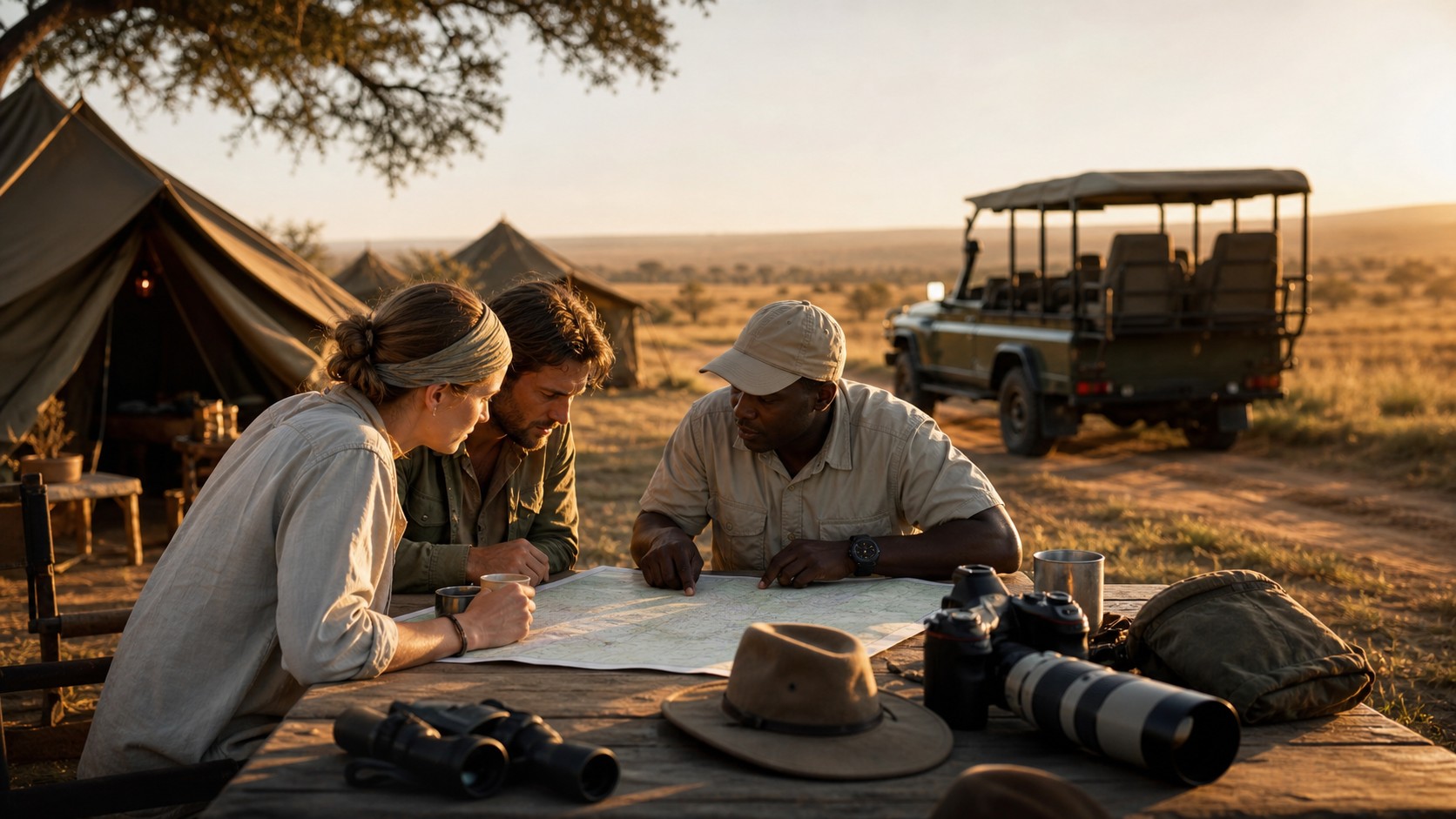
Compare tours by more than country and price. Look at nights per location, transfer style, guide qualifications, vehicle size, park or conservancy rules, included fees, activity mix, luggage limits, health considerations, and cancellation terms. A lower price may hide exclusions, while a higher price may reflect genuine access and expertise.
Ask how the tour changes if weather, wildlife movement, or road conditions shift. Strong operators can explain alternatives calmly. Weak operators sell a fixed fantasy and become vague when practical questions begin.
Read itineraries for pacing, not adjectives. Words like exclusive, authentic, and unforgettable mean little unless the schedule gives them room to become true. Arrival times, transfer lengths, drive frequency, and nights per camp reveal more than polished descriptions.
The best safari tour gives you enough time to watch properly. It respects wildlife, pays attention to communities and conservation, and matches the traveler you actually are.
Choose the tour that makes patience possible. Safari is at its best when the itinerary creates space for the wild to be itself in its own time.