The Best Road Trip Is About the Pace Between Stops
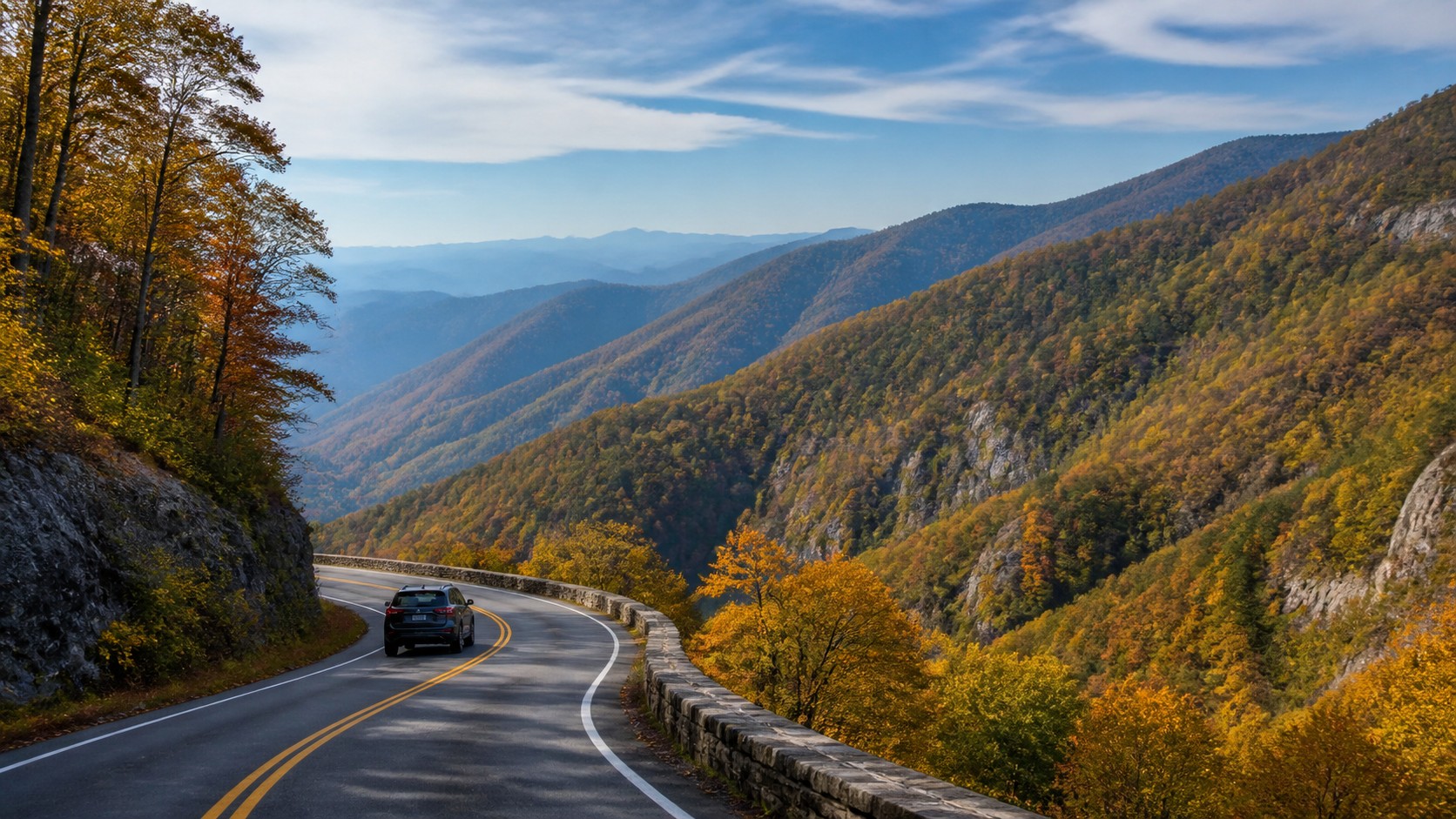
The best road trips in the world are not only scenic roads. They are journeys where the distance between stops becomes part of the pleasure: coastal pullouts, mountain weather, roadside meals, small towns, empty horizons, ferry crossings, wildlife pauses, and the freedom to change plans because the light looks good somewhere unexpected. Route 66, Iceland’s Ring Road, Australia’s Great Ocean Road, South Africa’s Garden Route, Scotland’s North Coast 500, Italy’s Amalfi Coast, New Zealand’s South Island, California’s Pacific Coast Highway, and Namibia’s desert roads all offer different versions of the open-road dream. The right road trip depends on whether you want culture, wilderness, food, family ease, solitude, or a famous route with classic stops.
A: There is no single best route; Pacific Coast Highway, Iceland's Ring Road, the Garden Route, and New Zealand's South Island all excel for different travelers.
A: Great Ocean Road, Pacific Coast Highway, and selected South Island routes can be manageable with good planning.
A: Iceland, Namibia, New Zealand, California, and Scotland all offer powerful landscapes with very different logistics.
A: Amalfi, Mediterranean drives, Route 66 sections, and South Africa's Garden Route can blend scenery with strong local stops.
A: Many travelers enjoy three to five driving hours on scenic routes, leaving time for stops and delays.
A: Book ahead on popular, remote, seasonal, or lodging-limited routes; keep flexibility where supply is broader.
A: Yes, when daily distances are realistic and the route includes short stops, food options, and non-driving activities.
A: Plan short-drive days, two-night stays, relaxed mornings, and backup stops that do not require more driving.
A: Memorable road trips balance scenery, pacing, local texture, comfort, and room for unplanned discoveries.
A: Choose by desired mood, season, road difficulty, rental rules, budget, and how much driving your group genuinely enjoys.
Pacific Coast Highway for Coastal Drama
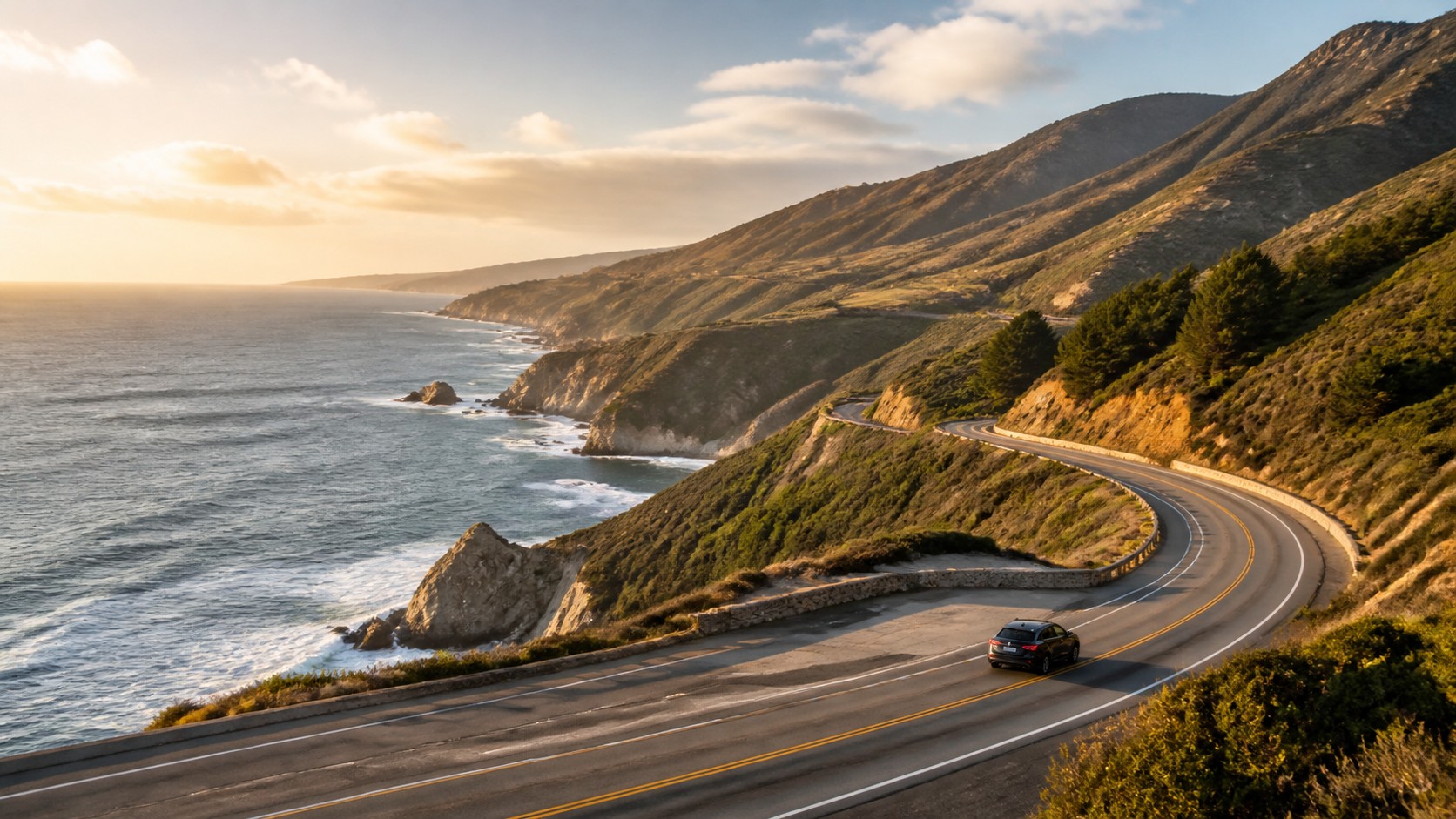
California’s Pacific Coast Highway remains one of the world’s iconic coastal drives because the road constantly negotiates with cliffs, beaches, bridges, towns, fog, and ocean light. Big Sur is the emotional centerpiece for many travelers, but the route can be shaped in many ways, from a short scenic stretch to a longer San Francisco-to-Los Angeles journey.
This road trip is best for travelers who enjoy slow pullouts, coastal towns, state parks, seafood, photography, and the changing mood of the Pacific. It is not a route to rush. Traffic, closures, weather, and limited lodging in popular areas can all affect the drive.
The smartest version gives the coast room. Stay overnight near the most scenic sections, check road conditions before departure, and avoid building a schedule so tight that every viewpoint feels like a delay.
Choose this drive when you want ocean scale, road-trip mythology, and a route that rewards unhurried attention. Its best moments often happen between famous stops.
Iceland Ring Road for Otherworldly Landscapes
Iceland’s Ring Road is a dream for travelers who want waterfalls, glaciers, black sand, lava fields, geothermal areas, fishing towns, mountains, and weather that can change the tone of a day quickly. The route circles the island and creates a strong sense of progression through landscapes that feel unusually varied for one country.
It is not a casual drive in every season. Wind, snow, single-lane bridges, gravel detours, daylight hours, and rental-car rules matter. Summer offers easier access and long days, while winter can be beautiful but demands more flexibility and caution.
The route also rewards travelers who resist stopping only at the most photographed places. Small harbors, roadside pools, quiet churches, lesser-known waterfalls, and ordinary grocery stops can make the trip feel personal. Iceland is expensive, so slower planning can also reduce wasteful backtracking.
The best Ring Road trips leave buffer time. A rigid itinerary can become stressful when weather slows travel or a place deserves longer than expected. Travelers should check current road conditions and avoid treating distances on a map as simple highway time.
Iceland suits travelers who want natural drama more than nightlife or resort comfort. The reward is a road trip where the landscape feels like the main character.
A slower loop is usually better than a frantic one. Ten days or more gives the trip a chance to breathe, though shorter versions can focus on selected regions.
Great Ocean Road for a Manageable Scenic Classic
Australia’s Great Ocean Road is one of the best road trips for travelers who want major scenery without needing weeks away. The drive west of Melbourne combines surf coast, rainforest pockets, seaside towns, cliffs, wildlife possibilities, and the famous limestone stacks near the Twelve Apostles.
It works well for first-time road trippers because the route is accessible, varied, and easy to combine with city time. The challenge is pacing. Many travelers try to see everything in a rushed day trip, but the road feels better with at least one or two nights.
Early mornings and late afternoons are especially rewarding for light and crowds. Staying nearby can make famous stops feel calmer and give lesser-known beaches and trails a chance to matter.
Choose the Great Ocean Road for a scenic, approachable drive with strong coastal payoff and relatively simple logistics.
South Africa Garden Route for Wildlife, Coast, and Towns
South Africa’s Garden Route is ideal for travelers who want variety rather than one continuous landscape. The route can include coastal towns, forests, lagoons, beaches, hikes, wildlife reserves, food, wine country extensions, and access to Cape Town or the Eastern Cape depending on itinerary design.
This is a road trip that suits mixed groups. One traveler can focus on beaches, another on wildlife, another on food and small towns. Distances are manageable compared with many larger countries, though travelers should still plan driving days thoughtfully.
Safety and route awareness matter, as they do anywhere. Choose lodging carefully, avoid unnecessary night driving, keep valuables out of sight, and follow current local advice. Good planning makes the route feel relaxed rather than uncertain.
The Garden Route is best for travelers who want a road trip with many textures: ocean, forest, cliffs, wildlife, restaurants, and scenic detours.
It also pairs well with a safari finish, which makes it a strong choice for travelers who want road freedom and wildlife in one broader trip.
Scotland North Coast 500 for Rugged Slow Travel
Scotland’s North Coast 500 is famous for rugged coast, single-track roads, villages, beaches, castles, mountains, and weather that can make the landscape feel ancient. The route is not about speed. It is about patience, passing places, local etiquette, and letting remote corners reveal themselves.
Travelers should avoid treating the route like a racetrack or checklist. Communities along the way deal with seasonal crowds, narrow roads, and limited infrastructure. Responsible driving, booking ahead, using appropriate campsites, and supporting local businesses all matter.
The NC500 suits travelers who like moody scenery, small accommodations, seafood, walking, photography, and routes where rain does not automatically ruin the day. It is less ideal for anyone who wants guaranteed sunshine or fast highway progress.
A strong itinerary builds in time for weather, ferries or side trips, and places that are not famous on social media.
Amalfi Coast and Mediterranean Drives for Culture With Curves
The Amalfi Coast is one of the world’s most beautiful road-trip settings, but it is not always the easiest drive. Narrow roads, buses, scooters, parking limits, crowds, and cliffside curves can make the route stressful during busy periods. The scenery is extraordinary, yet the logistics deserve respect.
For many travelers, the best version mixes driving with ferries, private transfers, or carefully chosen bases. Towns such as Positano, Amalfi, Ravello, and smaller coastal stops reward slow exploration more than constant movement by car.
This is where road-trip freedom sometimes means knowing when not to drive. Parking outside a town, taking a ferry for one stretch, or hiring a driver for the hardest day can protect the pleasure of the route. The goal is the coast, not proving endurance behind the wheel.
Mediterranean road trips more broadly can be wonderful when food, villages, beaches, and history are part of the plan. Sicily, Croatia, Greece, Spain, and southern France all offer versions of this cultural coastal rhythm.
Choose these drives if you want beauty with meals, architecture, swimming, and old towns. Do not choose them if your idea of road-trip joy requires empty roads and easy parking.
New Zealand South Island for Mountains and Flexibility
New Zealand’s South Island is one of the best road-trip destinations for travelers who want mountains, lakes, fjords, glaciers, vineyards, coast, and adventure towns in one flexible route. Drives around Queenstown, Wanaka, Aoraki/Mount Cook, the West Coast, Fiordland, and Marlborough can be linked into trips of many lengths.
The distances can look manageable, but weather and scenery slow everything down. A short drive on paper may become a full day once you add viewpoints, walks, coffee stops, and changing conditions. That is part of the pleasure when the itinerary allows it.
This destination is strong for active travelers. Hiking, kayaking, scenic flights, cycling, wildlife cruises, and wine tasting can all fit around the driving. Families can also do well with careful pacing and realistic daily distances.
Choose the South Island when you want a road trip that feels outdoorsy, scenic, and highly adaptable.
Namibia for Desert Roads and Wide Horizons
Namibia offers one of the world’s most distinctive road-trip experiences. Desert roads, dunes, gravel tracks, canyon landscapes, Atlantic coast, wildlife areas, and vast distances create a feeling of space that few destinations can match. The road itself can feel like a destination.
This is not the place to ignore logistics. Fuel range, tire condition, gravel-road speed, daylight, water, spare tires, navigation, and lodging distances matter. Many routes are accessible to careful travelers, but they reward preparation.
Namibia is best for travelers who want solitude, photography, geology, desert light, and a sense of scale. It can pair with Etosha for wildlife, Sossusvlei for dunes, Swakopmund for coast, and Damaraland for rugged landscapes.
The best trips avoid overdriving. A long empty road can be magical, but only when the day is planned with enough margin.
Route 66 and Classic Highways for Nostalgia
Some road trips are famous because of story as much as scenery. Route 66 carries diners, motels, neon, desert towns, old alignments, roadside Americana, and the mythology of crossing the United States slowly by car. It is not always the most scenic road, but it can be one of the most culturally layered.
Classic highways require a different mindset from national-park loops or coastal drives. The reward may be a conversation, a fading sign, a museum, a pie counter, or a lonely stretch of road that feels connected to decades of travelers.
Travelers should research alignments and choose sections carefully. Trying to drive every mile may be less satisfying than building a route around the places that still hold character.
Choose nostalgic highways when you want the road to feel historical and human, not only spectacular, polished, or scenic each day.
How to Choose the Right World Road Trip
Start with the feeling you want. Coastal drama points toward California, Australia, Amalfi, or parts of South Africa. Otherworldly nature points toward Iceland or Namibia. Mountain adventure points toward New Zealand, the Alps, or the Canadian Rockies. Culture and food may lead to the Mediterranean, Japan, France, or the American Southwest depending on your interests.
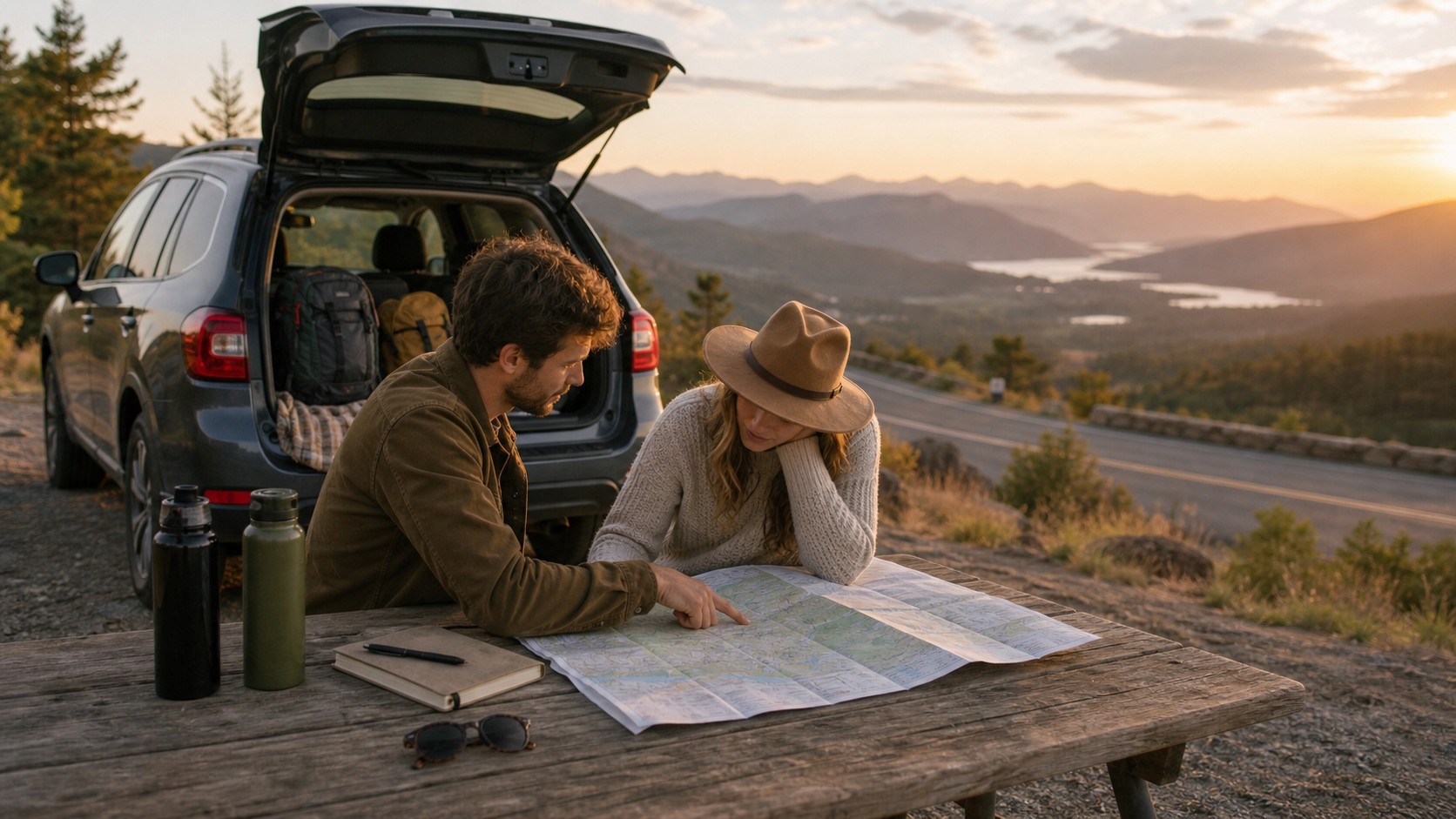
Then test the practical pieces: driving side, road conditions, rental rules, parking, one-way fees, weather, daylight, ferries, permits, safety, and how many hours your group actually enjoys in a car. A beautiful route can feel miserable if the daily distances are unrealistic.
The driver matters too. Some people enjoy narrow curves, gravel, mountain passes, and changing weather, while others relax only on wider roads with frequent towns. A good itinerary respects the actual driver, not the fantasy version who never gets tired or tense.
The best road trips leave space for detours and ordinary stops. The coffee in a small town, the empty viewpoint, the roadside fruit stand, or the unplanned walk may become the memory that defines the whole journey.
Choose a route where the pace feels like freedom. That is what turns a scenic drive into a true road trip.