A Great Safari Is Planned Around Rhythm, Not Just Animals
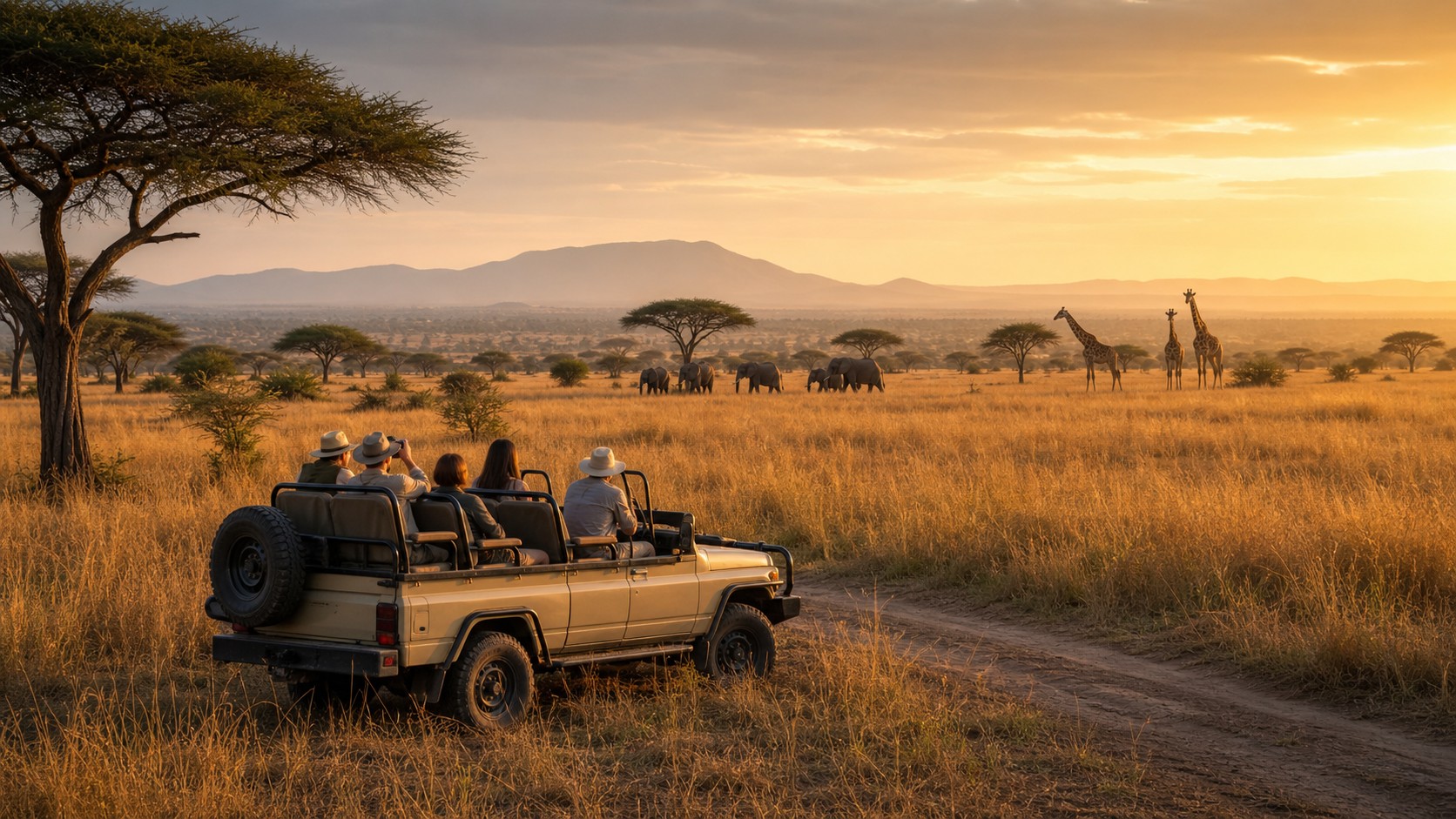
A safari is one of the few trips where the best moments cannot be scheduled with precision. You can choose the destination, season, camp, guide, vehicle, and packing list, but the animals still move by their own logic. That is what makes safari travel so powerful and so easy to misunderstand. Good planning does not guarantee a leopard in golden light or elephants crossing at breakfast. It gives you the time, comfort, safety, and guidance to notice what the landscape is offering. Before you go, it helps to understand how safari days work, how seasons change wildlife movement, what lodges actually include, and how to behave in places where humans are guests.
A: Plan many months ahead for peak seasons, small camps, migration routes, gorilla permits, and private reserves.
A: Most days include early and late activities, midday rest, meals in camp, and quiet time between drives.
A: Yes. Binoculars make distant wildlife, birds, and behavior much more rewarding without crowding animals.
A: Wear comfortable muted layers, sun protection, and practical shoes rather than bright fashion-focused clothing.
A: Safari can be very safe when travelers choose reputable operators, follow guide instructions, and respect wildlife rules.
A: Choose location and guiding first, then decide how much comfort or luxury your budget allows.
A: Phones work for landscapes and camp moments, but distant wildlife usually benefits from binoculars or a zoom camera.
A: Many travelers enjoy fewer camps with more nights at each, especially on a first or mid-length safari.
A: That is normal. Safari is about observation, habitat, behavior, and patience, not a guaranteed checklist.
A: Good planning aligns season, style, budget, health, guiding, pacing, and expectations before the first game drive.
Choose the Safari Style Before the Destination
Many travelers begin by asking which country is best, but safari style should come first. A guided lodge safari, mobile tented camp, self-drive national park trip, walking safari, boat safari, gorilla trek, and luxury fly-in itinerary all create different experiences. The right style depends on your confidence, budget, mobility, appetite for remoteness, and desire for structure.
A guided lodge safari is the easiest entry for many visitors. Transfers, meals, game drives, guiding, and daily schedules are usually handled by the camp. Self-drive safaris can be more affordable and independent, but they require navigation, patience, and a willingness to find wildlife without a professional guide reading the bush for you in real time.
The wrong style can make even a famous destination feel mismatched. A traveler who wants interpretation may feel lonely on a self-drive route, while someone who loves independence may feel constrained by a fixed lodge schedule. Naming that preference early prevents expensive second-guessing later.
Walking and boat safaris add depth, but they are not interchangeable with vehicle-based game drives. Walking emphasizes tracks, plants, sounds, and small signs. Boat safaris reveal rivers, birds, hippos, crocodiles, and animals coming to drink. Choosing style first helps the destination choice become clearer.
Understand Seasonality Instead of Chasing Perfect Weather
Safari seasons are not simply good or bad. Dry seasons often concentrate animals around water and make vegetation easier to see through. Green seasons can bring newborn animals, migratory birds, lush landscapes, dramatic skies, and lower prices. Shoulder seasons may offer a strong balance between wildlife, value, and fewer vehicles.
The best month depends on the exact region. The Serengeti, Okavango Delta, Kruger, Etosha, Chobe, South Luangwa, and Maasai Mara do not all peak in the same way. Rainfall, migration, flood cycles, school holidays, and lodge openings can all affect the experience.
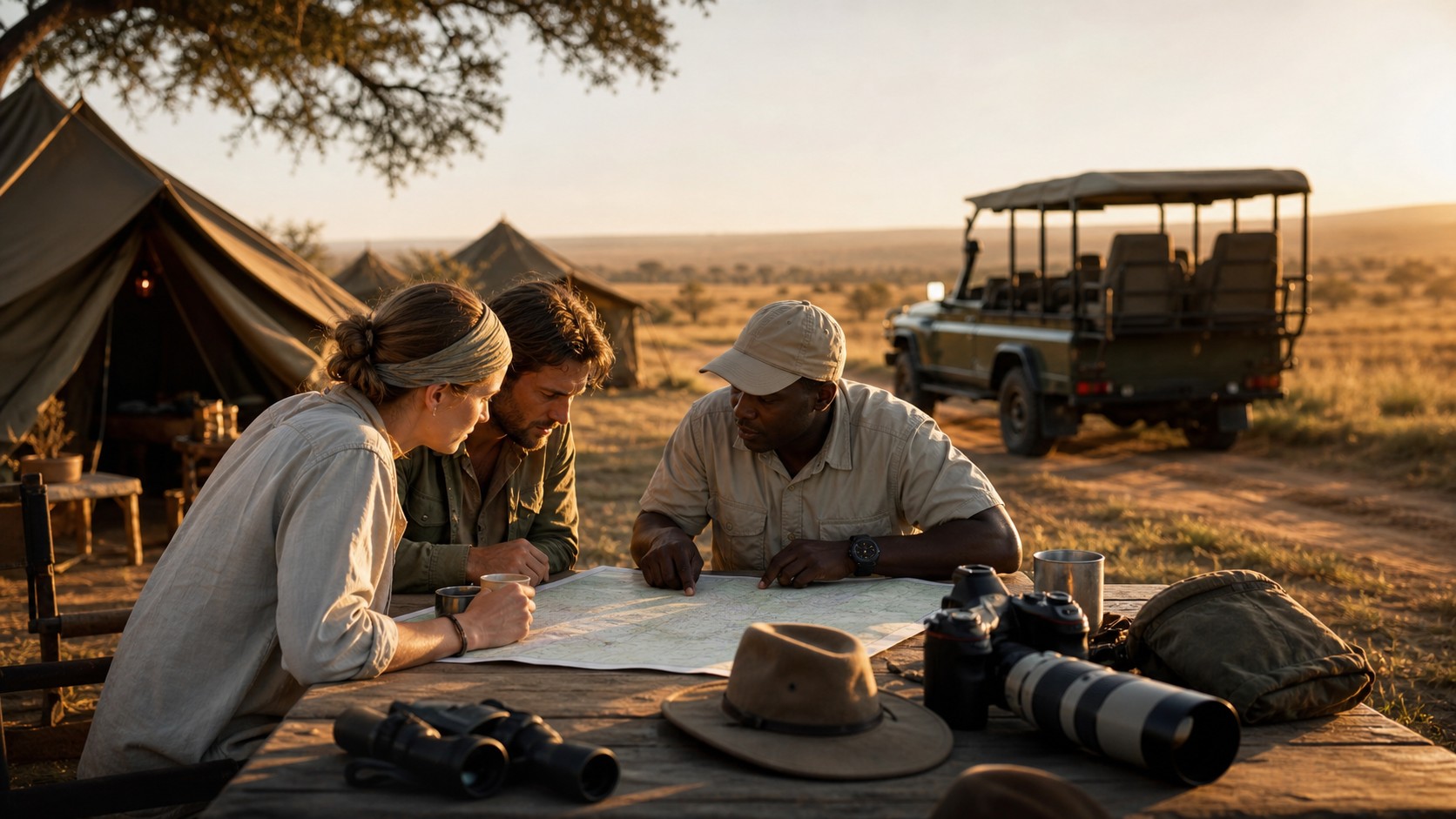
Ask operators what actually happens during your travel month. Where are animals likely to be? Are roads reliable? Are camps open? Are mosquitoes more active? Is the grass high? Will boat activities run? Specific answers matter more than generic season labels.
Seasonality also shapes photography and mood. Dry landscapes can look stark and dramatic, while green months may bring richer color and softer skies. Neither is inherently better. The best choice is the one that matches the wildlife behavior, scenery, and budget you want most.
Perfect weather is less important than honest expectations. A cool morning, dusty drive, or sudden storm can become part of the memory when you packed correctly and understand why conditions matter.
Pick Lodging by Location and Guiding
Safari lodging ranges from simple rest camps to ultra-luxury suites, but location and guiding usually matter more than thread count. A beautiful lodge far from productive wildlife areas can mean long transfers and fewer sightings. A simpler camp in a strong location with excellent guides may create a better safari.
Look closely at what is included. Some rates include all meals, drinks, laundry, park fees, transfers, and activities. Others separate many costs. A quote that looks cheaper at first can become more expensive once fees and logistics are added.
Private conservancies and reserves may offer lower vehicle density, night drives, off-road permissions where allowed, and deeper guiding. National parks can provide scale, public access, and classic landscapes. Neither is automatically better. The rules and quality of the operator shape the experience.
Ask about vehicle setup before choosing a lodge. Seat limits, open sides, roof style, private vehicle costs, and whether children can join shared drives all affect comfort. A long morning in a crowded vehicle feels very different from one where everyone can see and ask questions.
For a first safari, comfort matters because tired travelers stop paying attention. Choose lodging that helps you rest between early mornings and late afternoons.
Know the Daily Safari Rhythm
Most safari days begin before sunrise. You wake in the dark, drink coffee or tea, and head out while animals are active and the light is soft. After several hours, you return for brunch or lunch, rest during the heat, then go out again in the late afternoon. Dinner often follows after sunset.
This rhythm surprises travelers who imagine constant action. The quiet hours are part of the structure. They give you time to read, nap, review photos, watch birds near camp, or simply let the morning settle. Safari attention is intense, and rest keeps it fresh.
Good guides also use the rhythm to teach. They may explain tracks in the morning, revisit a sighting in the evening, or connect one day’s animal behavior to the next. That continuity is one reason staying longer at fewer camps can feel richer than moving constantly.
Night drives, walking activities, boat trips, and hides can alter the schedule. Ask what a normal day looks like at each camp before booking, especially if traveling with children, older relatives, or anyone who struggles with early starts.
Pack for Comfort, Dust, and Changing Temperatures
Safari packing should be practical and restrained. Muted clothing, layers, a warm fleece, sun protection, a hat, comfortable shoes, insect repellent, medications, binoculars, chargers, and soft-sided luggage are often more useful than elaborate outfits. Morning drives can be cold even when afternoons are hot.
Dust is part of many safari regions. A scarf or buff, lens cloth, zip bags, and durable luggage can help. Avoid bright whites if you care about stains, and avoid strong fragrances that attract insects or feel out of place in shared vehicles.
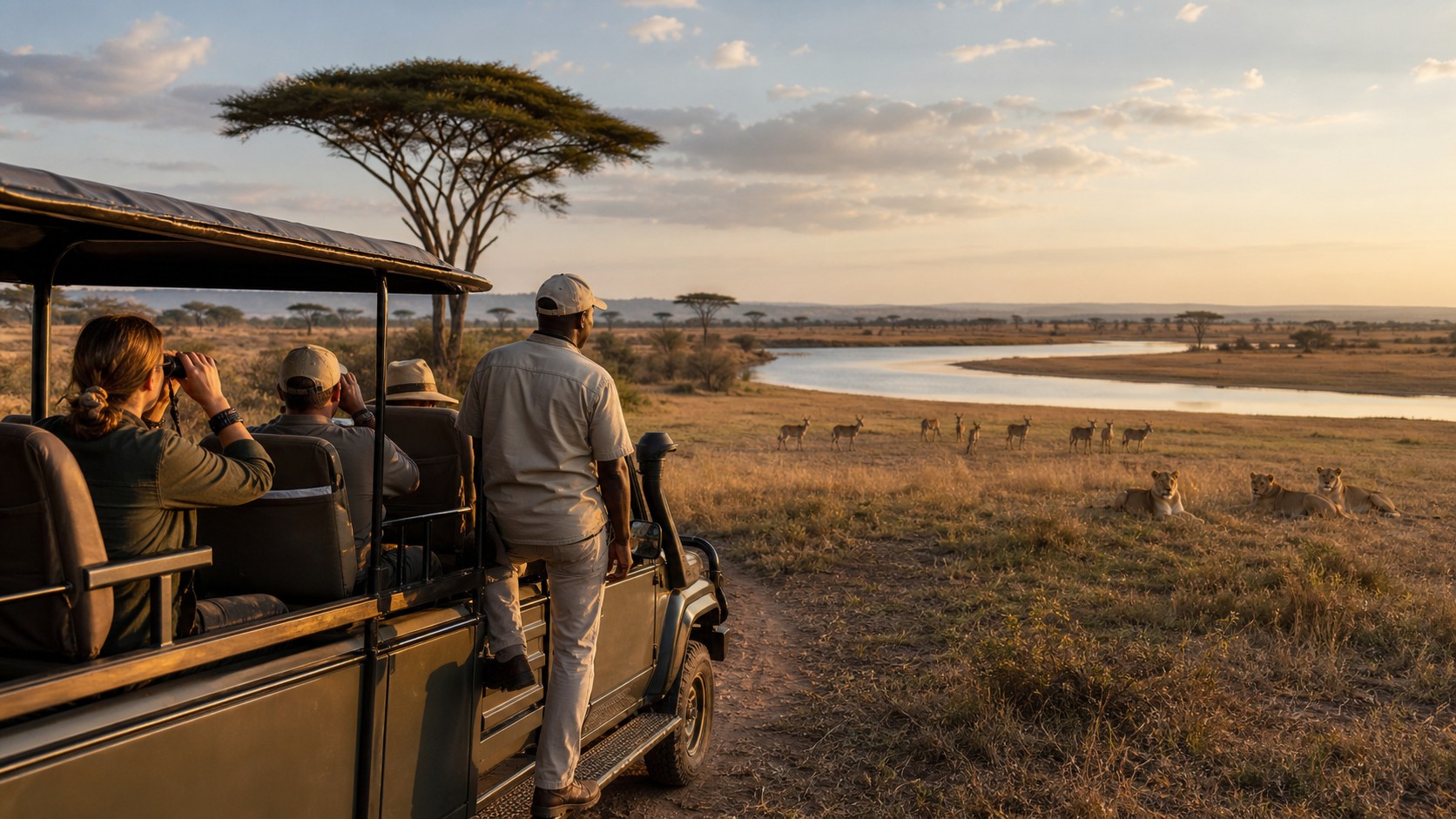
Binoculars deserve special emphasis. They let you watch behavior without demanding that guides push closer. Even travelers with cameras benefit from binoculars because they make distant birds, cats, and herd interactions more vivid.
Pack less than you think, especially for light aircraft transfers with strict luggage limits. Laundry may be included at many camps, though rules vary. Leave space for comfort items you will actually use.
Prepare for Health and Safety Before You Travel
Safari health planning should happen well before departure. Travelers may need advice about vaccines, malaria prevention, prescriptions, travel insurance, and personal medical needs. A qualified travel health professional can give guidance based on destination, season, itinerary, and health history.
Travel insurance should cover medical evacuation and the activities you plan to do. Remote camps can be far from hospitals, and evacuation logistics are expensive. Read the policy details rather than assuming a general travel plan is enough.
In camp and on drives, follow instructions. Do not walk alone after dark unless staff say it is safe. Do not approach wildlife for photos. Keep tent zippers closed. Listen during briefings. Safari safety is usually calm and straightforward when guests respect the rules. Clear habits make remote travel feel easier.
Use Photography Without Letting It Take Over
Photography is a joy on safari, but it can also steal the experience if every sighting becomes a screen. Bring gear you can manage quickly and comfortably. A stable camera setup you understand is better than a complicated kit that makes you miss behavior while changing settings.
Phones are useful for wide scenes, camp life, and short video, but distant wildlife often requires a zoom lens or binoculars. If photography matters, practice before the trip. Learn how to adjust exposure, shutter speed, focus, and stabilization without thinking too hard.
The most important photography rule is ethical distance. A better photo is not worth stressing an animal, blocking another vehicle, or pressuring a guide. The memory of respectful watching lasts longer than a slightly closer frame.
Put the camera down sometimes. The sound of lions calling, elephants feeding, or night insects around camp cannot be edited into a photo later.
Budget for the Whole Safari, Not Only the Lodge
Safari prices can be confusing because inclusions vary widely. Park fees, conservancy fees, internal flights, transfers, drinks, laundry, tips, premium activities, visas, travel insurance, and pre- or post-safari hotels may or may not be included. Ask for a full cost breakdown before comparing options.
Higher prices often reflect location, guide quality, lower vehicle density, conservation fees, staff ratios, and logistics rather than luxury alone. Lower-cost safaris can be excellent when expectations match the format, but extreme bargains deserve careful scrutiny before any deposit is paid.
Tipping customs vary by country and lodge. Ask before you travel so you can budget properly and avoid awkwardness. Guides, trackers, camp staff, drivers, and porters may be handled through individual tips or a shared box depending on the operation.
Practice Responsible Safari Behavior
Responsible safari travel starts with humility. Wildlife is not there to perform, local communities are not scenery, and guides are not simply drivers. Choose operators that explain conservation, employ local staff fairly, support community relationships, and follow wildlife-viewing rules.
In vehicles, keep voices low, stay seated when asked, and do not demand risky positioning. Around camp, conserve water where needed, reduce waste, respect staff spaces, and follow rules about lights, paths, and food storage.
Cultural visits should be handled with care. Look for experiences that are community-led, fairly compensated, and not staged only for visitor consumption. Ask questions respectfully and avoid photographing people without permission.
The best safari travelers leave with gratitude rather than entitlement. They understand that access to wild places is a privilege.
Set Expectations for the Sightings You May Not Get
Every safari has absences. You may not see a leopard. The migration crossing may not happen. A lion may sleep behind grass. A rhino may remain distant. That uncertainty can disappoint travelers who arrive with a rigid checklist, but it is also what keeps the experience real.
Guides work with tracks, calls, weather, reports, memory, and luck. Trusting that process makes the day more enjoyable. Some of the best sightings are not headline animals at all: bee-eaters flashing color, elephants communicating quietly, a jackal hunting, giraffes moving through dust, or dawn light changing the plains.
It helps to choose one or two hopes rather than a hard list. Maybe you want elephants, cats, birds, photography, walking, or simply time in a wild landscape. A flexible hope leaves space for surprise, while a rigid list can make extraordinary moments feel like interruptions.
A safari is successful when you become more attentive. The animals you hoped for matter, but so does the patience you bring to the search each day.
Go prepared, stay flexible, listen well, and let the landscape set the pace. That is the heart of a good safari.