Extreme Adventure Travel Begins Before the Adrenaline
Extreme adventure travel is often sold through dramatic moments: the jump, the rapid, the summit, the canyon, the ice wall, the open water, or the remote desert road. The real trip begins much earlier. It begins with choosing the right challenge, checking whether your fitness matches the objective, asking hard questions about guides and gear, understanding weather windows, buying appropriate insurance, and deciding what kind of risk you are willing to accept. Good planning does not make an extreme trip less exciting. It makes the excitement cleaner, because you can focus on the experience instead of wondering whether basic decisions were made well.
A: Start with a guided activity that matches your real comfort with water, height, cold, altitude, speed, or remoteness.
A: Clear briefings, maintained equipment, guide qualifications, honest cancellations, health screening, and patient answers are strong signs.
A: Train for the specific activity pattern, including endurance, mobility, swimming, carrying weight, cold, or balance as needed.
A: Look for exclusions around altitude, diving, technical activities, remote travel, evacuation, and the exact activity name.
A: Fear is normal, but overwhelming fear, pressure, or inability to follow instructions may mean choosing an easier version.
A: Add extra days for weather-dependent activities, remote transfers, altitude recovery, and any experience central to the trip.
A: Buy only what improves fit, safety, or comfort; test important items before relying on them during the trip.
A: Good operators allow cautious decisions and explain opt-out points, though refund rules may vary.
A: Avoid heavy drinking, poor sleep, dehydration, last-minute gear changes, and exhausting travel before serious activities.
A: Success means challenge, preparation, guide trust, honest risk awareness, and returning with both pride and perspective.
Define Your Risk Comfort Honestly
The first step is separating curiosity from pressure. Extreme travel covers many kinds of discomfort: height, speed, cold, water, altitude, darkness, remoteness, tight spaces, exposure, and sustained fatigue. A traveler who loves whitewater may dislike skydiving. Someone who enjoys mountain trekking may find cave systems or canyon rappels deeply stressful.
Honesty matters because fear behaves differently in each setting. Manageable nerves can sharpen attention, while overwhelming fear can make instructions harder to follow. The goal is not to eliminate fear or prove toughness. The goal is to choose an adventure where your fear stays inside a range you can work with.
Talk with your group before booking. If one person is excited and another is quietly dreading the activity, that mismatch can become a safety and relationship problem. A good adventure should feel chosen by everyone participating.
Risk comfort can grow over time. Starting with a guided introductory version often builds a better long-term adventure life than forcing the most extreme option first on vacation.
Match Training to the Actual Activity
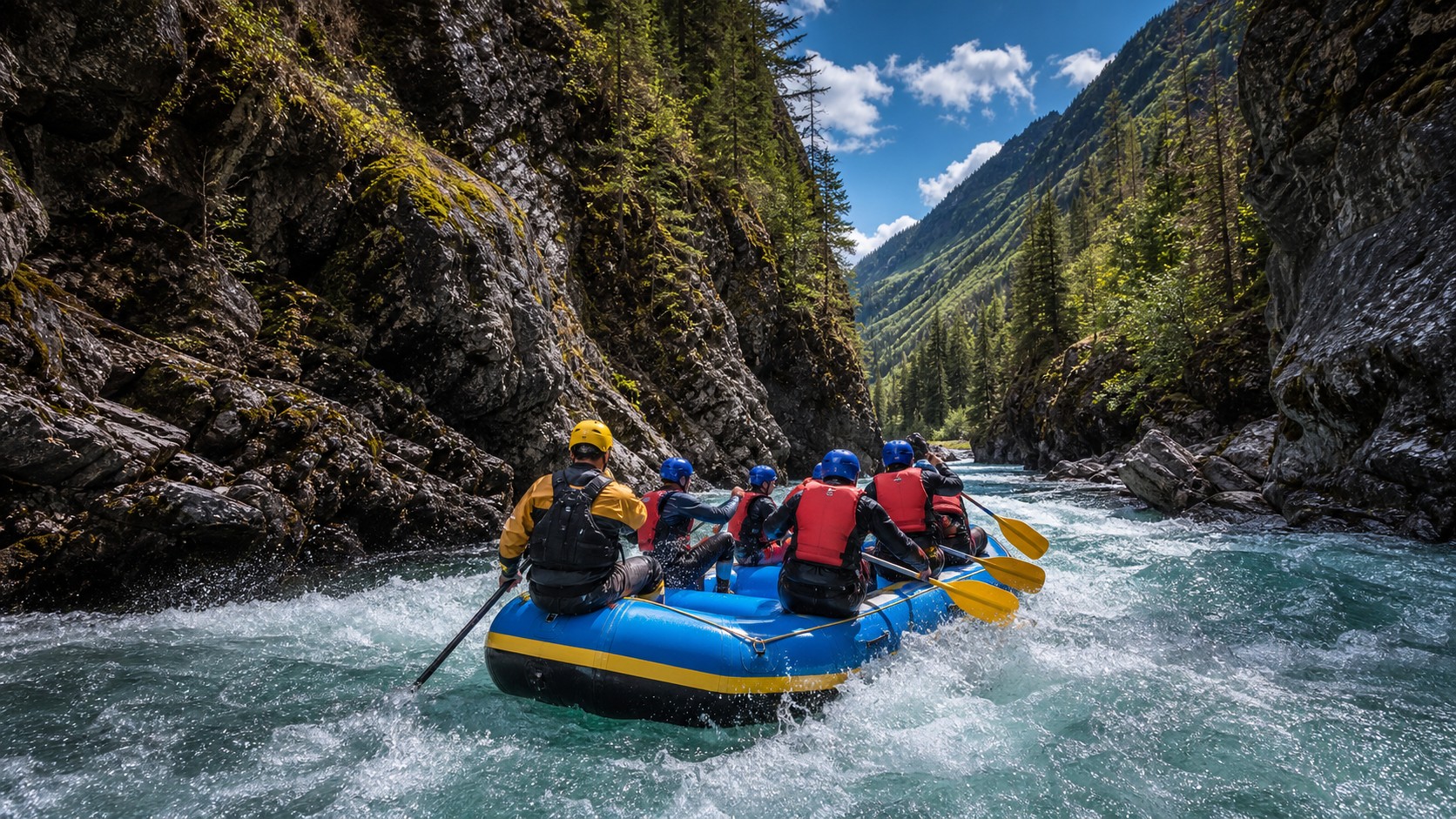
Generic fitness helps, but it is not the same as activity-specific preparation. A rafting trip may require paddling, swimming confidence, and quick reactions. A high-altitude trek requires slow endurance, loaded walking, and patience. Canyoning may ask for mobility, cold-water tolerance, and comfort with ropes. Ice travel demands balance, layers, and careful footwork.
Training should copy the pattern of the trip as much as possible. Long walks on tired legs prepare you better for trekking than one heroic workout. Climbing stairs with a pack helps more than only lifting weights. Swimming and breath control can matter for water-based trips. Balance and mobility can make scrambling or canyon movement less intimidating.
Mental preparation counts too. Read the itinerary, watch technique videos from reputable sources, learn the vocabulary, and understand the sequence of the day. Knowing what will happen before the main event reduces surprise.
Do not train to impress the operator. Train so your body can absorb the day and your mind has enough spare attention to listen, adapt, and enjoy it. That margin is what makes challenge feel satisfying.
Choose Operators by Safety Culture
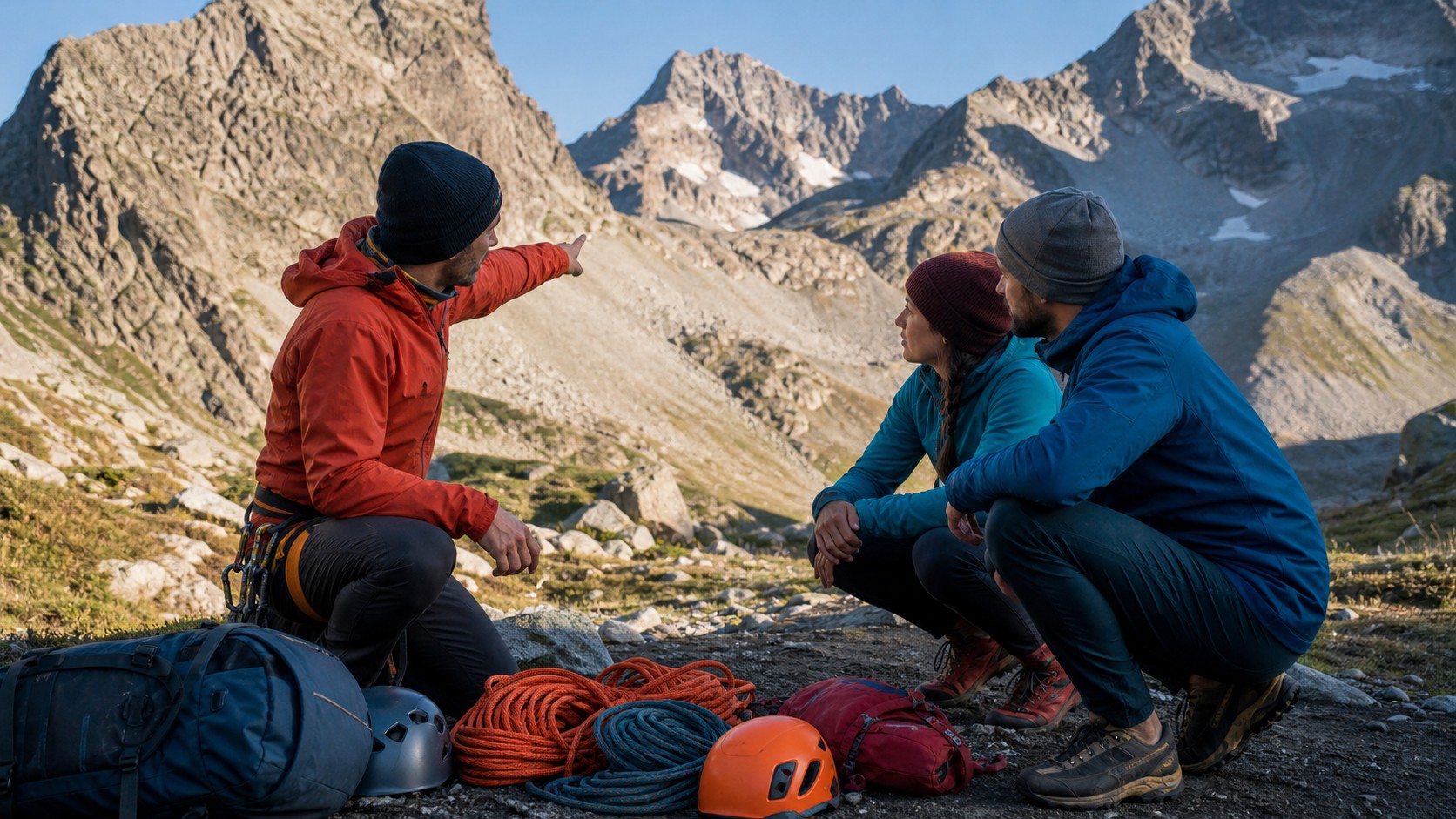
The operator is often the most important decision in extreme adventure travel. Look for companies that explain risk plainly, ask about health and experience, maintain equipment carefully, use qualified guides, limit group size, and cancel when conditions are wrong. Vague confidence is not the same as professionalism.
Read reviews for details, not just ratings. Mentions of patient guides, clear briefings, careful gear fitting, weather decisions, conservative judgment, and respectful handling of nervous guests are meaningful. Reviews that only praise how wild or cheap the experience was are less useful.
Ask questions before paying. What conditions cancel the activity? What certifications or local qualifications do guides hold? What equipment is included? How are beginners managed? What happens if someone cannot continue? A strong operator answers directly.
Notice whether the company describes the activity with respect or with pressure. Language that makes caution sound weak is a warning sign. The best operators can be enthusiastic without turning risk into a dare.
Safety culture also shows up in tone. If your cautious questions are mocked, brushed aside, or answered with sales pressure, choose someone else. The best guides respect careful travelers.
Understand Insurance, Health, and Exclusions
Extreme adventure travel can expose gaps in ordinary travel insurance. Some policies exclude high altitude, scuba diving, motorized activities, backcountry travel, racing, glacier travel, or technical climbing unless an upgrade is purchased. Read the wording for the specific activity rather than assuming adventure is covered.
Medical evacuation coverage matters when trips happen far from hospitals. Remote rivers, mountains, deserts, islands, and polar regions can make evacuation complicated and expensive. The more remote the trip, the more carefully insurance should be matched to the itinerary.
Documentation matters too. Keep policy numbers, emergency contacts, prescriptions, and operator details accessible offline. In remote places, the useful plan is the one you can find quickly when cell service, Wi-Fi, or battery life becomes unreliable.
Health disclosures should be taken seriously. Asthma, heart conditions, pregnancy, recent surgery, ear issues, panic attacks, medication, and old injuries may matter depending on the activity. A qualified medical professional can advise when the decision is not obvious.
Carry important medications, prescriptions, and emergency contacts in a way that survives wet bags, dust, cold, or rough transport. Practical health planning is part of the adventure, not an administrative side note.
Respect Weather Windows and Local Conditions
Weather is not background scenery on extreme trips. Wind cancels flights, storms change rivers, heat reshapes desert plans, snow affects mountain routes, rain alters canyons, and visibility can transform underwater or aerial activities. The right decision may be to wait, reroute, or cancel.
Travelers often struggle with cancellations because the trip is expensive and emotional. That is understandable, but pushing a guide to continue in marginal conditions is a bad instinct. The best operators would rather disappoint a schedule than normalize poor judgment.
Plan emotionally for that possibility before the trip begins. If a cancellation would ruin the whole vacation, add backup activities that still feel meaningful. A second-choice hike, scenic drive, local guide, or recovery day can keep disappointment from becoming panic.
Build buffer days where the activity matters most. A single fixed day for a weather-dependent experience creates pressure. Two or three possible days give the plan room to breathe and reduce the temptation to force conditions.
Ask operators what conditions are ideal, acceptable, and unacceptable. Clear answers help you understand the difference between ordinary adventure discomfort and genuine red flags.
Local knowledge is crucial. A river, canyon, pass, or launch site can change in ways that general travel research will not capture.
Pack Gear for Function, Not Image
Extreme adventure packing should prioritize fit, weather, and reliability over looking the part. Footwear, gloves, layers, sun protection, dry bags, hydration, headlamps, medication, and activity-specific clothing can affect safety and comfort. Small gear mistakes feel larger when conditions are cold, wet, hot, or remote.
Ask what the operator provides and what guests must bring. A helmet or harness may be included, while shoes, base layers, gloves, or waterproof shells may not be. Rental gear can be fine when maintained well, but fit should be checked before the activity begins.
Avoid brand-new critical items on major trips. Boots, packs, gloves, wetsuits, and technical layers should be tested before departure when possible. An adventure day is a poor time to discover that something rubs, leaks, slips, or restricts movement.
Pack for the worst reasonable conditions, not the promotional photos. A sunny image may hide cold mornings, wet exits, dusty transfers, or long waits in real conditions.
Plan Recovery and Travel Timing
Extreme activities often take more out of travelers than expected. A hard rafting day, altitude trek, cold canyon, long desert drive, or emotional skydiving morning can leave people tired even when everything goes well. Recovery time makes the trip safer and more enjoyable.
Avoid scheduling the hardest activity immediately before a long night drive, tight flight, or complex transfer. Fatigue makes decisions poorer and turns small delays into bigger problems. If the activity is the heart of the trip, give it space.
Sleep, food, hydration, and alcohol choices matter. Arriving dehydrated, hungover, underfed, or underslept for a serious activity is one of the easiest mistakes to prevent.
Plan the day after a major challenge with kindness. A slow breakfast, short walk, massage, scenic drive, or rest day can let the experience settle instead of disappearing into logistics.
Use Group Dynamics as a Safety Tool
Adventure travel is rarely only individual. Friends, partners, families, guides, and strangers in a group can all affect how safe and enjoyable the day feels. Good groups communicate early, listen to briefings, avoid teasing nervous participants, and respect opt-out decisions.
Peer pressure is a real risk. Someone may jump, paddle, rappel, or continue walking because they do not want to disappoint the group. That is the wrong reason to proceed. A strong group makes caution socially acceptable and completely normal.
Assign support roles informally. One person may be good at reading instructions, another at noticing fatigue, another at keeping snacks and layers organized. Small acts of care help the group stay calm when the activity becomes demanding.
Before booking, agree on expectations. Who is doing the activity? Who is watching? What happens if weather cancels? What if one person decides not to continue? These conversations may feel unromantic, but they prevent resentment.
The best adventure companions help each other stay clear-headed. They celebrate courage without demanding recklessness.
Know When to Stop or Turn Around
Turning back is not failure in extreme adventure travel. It can be the clearest sign that the system is working. Weather, illness, fear, equipment issues, route changes, water levels, altitude symptoms, or guide judgment can all end a plan early.
Decide before the trip that stopping is allowed. This reduces the shame that can appear in the moment. If the only acceptable outcome is completion, travelers may ignore information that deserves attention.
Good guides create decision points. They explain what will happen next, what options exist, and when continuing becomes unwise. Travelers should listen carefully and speak up before a small concern grows.
The memory of a turned-around trip can still be positive if the choice was honest. You can return stronger, choose a different activity, or simply be proud that judgment mattered more than ego.
Choose Meaning Over Maximum Intensity
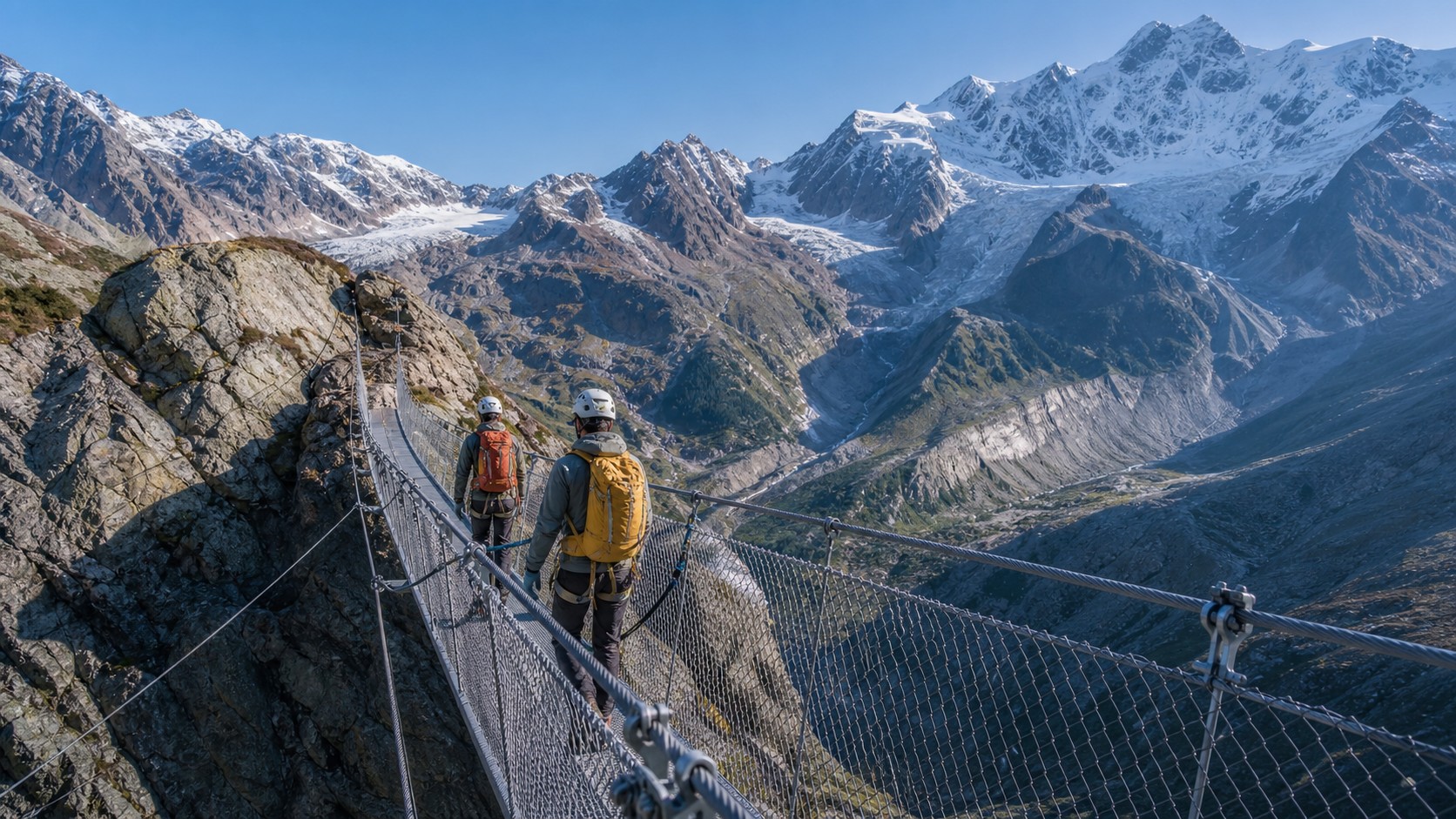
The ultimate extreme adventure is not necessarily the hardest, highest, fastest, or most expensive. It is the one that matches your ability, stretches you in a real way, and leaves you with a stronger relationship to the place. A guided glacier walk may mean more than an advanced climb. A beginner rafting trip may be perfect if the river, guide, and group are right.
Choose experiences that connect to landscape rather than existing only for a photo. Rivers, mountains, canyons, air, ice, deserts, reefs, and forests all have their own logic. The best adventures teach you something about that environment.
Be willing to progress. Take the introductory course, hire the better guide, train for another season, or save the harder objective for later. Extreme travel becomes richer when it is part of a long relationship with skill and judgment.
The perfect adventure should make you feel awake. It should not require pretending that fear, conditions, or preparation do not matter at any stage.