Extreme Adventure Should Feel Big, Not Careless
The best extreme adventure experiences around the world share one important quality: they are intense without being casual about risk. Whitewater rafting, skydiving, canyoning, paragliding, ice climbing, big-mountain trekking, shark diving, volcano hiking, and desert expeditions can all create the kind of memory that ordinary sightseeing rarely touches. But the right experience depends on more than adrenaline. It depends on the operator, season, safety systems, guide judgment, equipment, weather, your fitness, and your honest tolerance for exposure. A great extreme adventure expands your sense of what travel can feel like without asking you to pretend risk does not exist.
A: Guided rafting, tandem skydiving, tandem paragliding, intro canyoning, and glacier walks can be good when operators are strong.
A: It may be too risky if conditions, guide standards, equipment, health limits, or your own comfort are unclear.
A: Often yes. Check that your policy covers the exact activity, altitude, remoteness, and evacuation needs.
A: No. Extreme activities should be chosen by safety culture, guide quality, equipment, and conditions before price.
A: Tell the guide early. Good operators explain opt-out points and will not shame cautious decisions.
A: They can be managed responsibly, but no extreme activity is risk-free. The goal is informed, guided risk.
A: Train for the actual demands: paddling, hiking, cold, altitude, swimming, balance, or time on your feet.
A: Some can, but age limits, guide ratios, water confidence, height tolerance, and medical rules matter.
A: Ask about weather cancellations, guide credentials, gear, group size, medical limits, insurance, and emergency plans.
A: The best experiences combine challenge, professional guidance, respect for risk, and a setting that feels unforgettable.
Whitewater Rafting for Shared Adrenaline
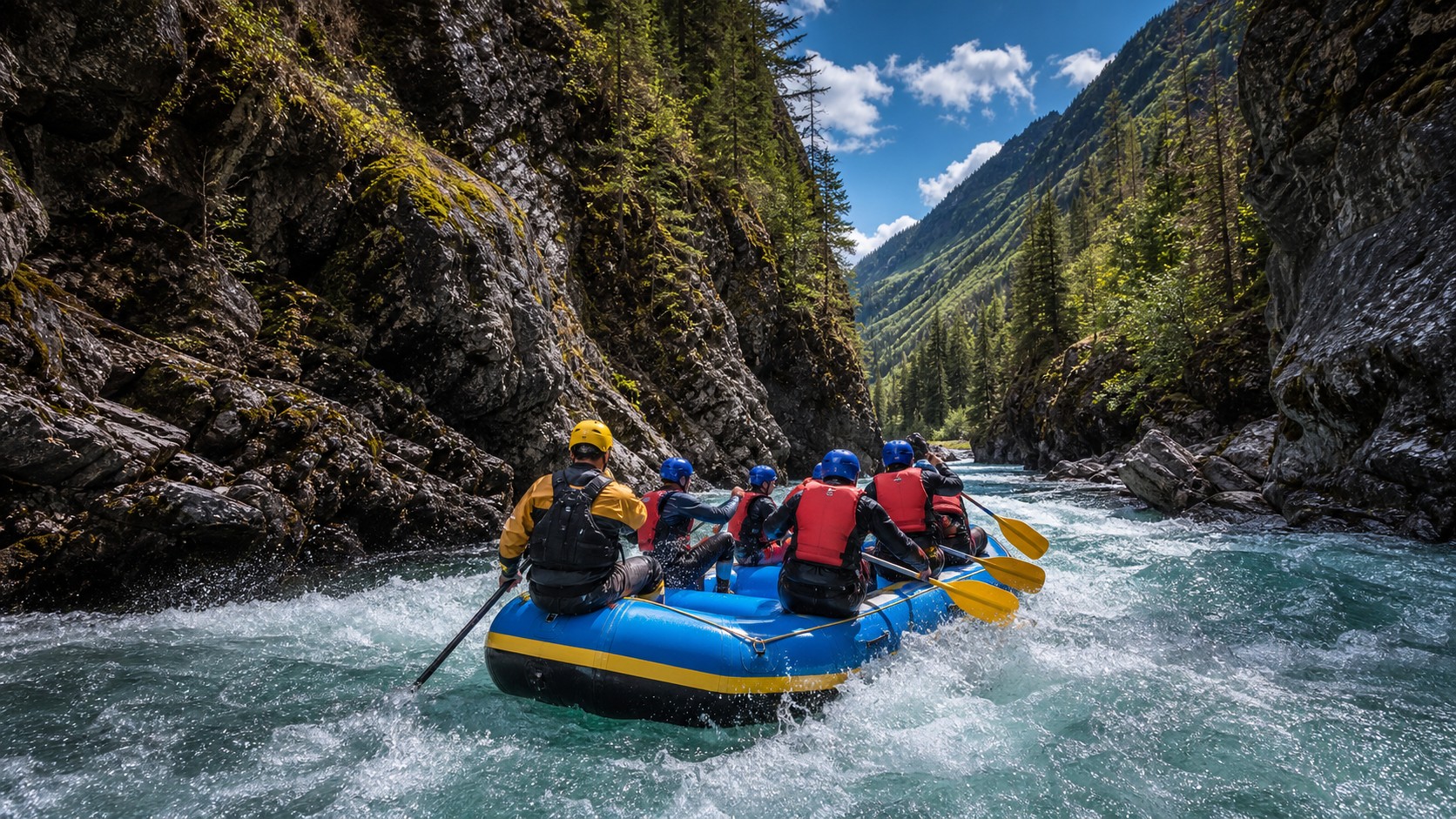
Whitewater rafting is one of the best extreme adventures for travelers who want intensity without needing years of technical training. The guide reads the river, the group paddles together, and the rapid turns teamwork into a physical experience. Famous rafting regions include the Grand Canyon, Futaleufu in Chile, the Zambezi near Victoria Falls, Nepal’s Himalayan rivers, and New Zealand’s adventure corridors.
The key is choosing the right class of river for your group. A beginner-friendly trip and a serious expedition-style river are completely different experiences. Water level, season, remoteness, swim ability, rescue support, and guide quality all matter. A river that is thrilling in the right conditions can be inappropriate when flows are too high or too low.
Multi-day rafting adds another layer. Camping beside the river, watching canyon walls change with light, and waking to the sound of water can turn the trip into a journey rather than a single burst of adrenaline. Day trips are easier to fit into vacations, but longer rivers often create the deeper memory.
Rafting suits travelers who like group energy, big scenery, cold splashes, and a guide-led structure. It is less ideal for anyone who panics in water or dislikes taking instructions quickly.
The best rafting operators brief clearly, fit helmets and life jackets carefully, explain what happens if someone swims, and make conservative decisions when conditions change.
Skydiving for a Controlled Leap
Tandem skydiving is famous because it compresses fear, trust, and awe into a few unforgettable minutes. New Zealand, Dubai, Switzerland, Hawaii, Namibia, Australia, and many other destinations offer dramatic drop zones where the view becomes part of the story. The experience is extreme, but for first-timers it is also highly structured.
The operator matters more than the view. Travelers should check licensing, instructor experience, aircraft procedures, weather policies, weight limits, medical restrictions, and how often jumps are delayed or canceled for safety. A good skydiving company never treats weather caution as an inconvenience.
It also helps to understand the emotional shape of the day. The waiting can be harder than the jump, the aircraft climb may feel surreal, and the landing often brings a delayed wave of relief. Knowing that arc makes the experience easier to accept as it unfolds.
Skydiving is best for travelers who want a single concentrated challenge rather than a multi-day expedition. It can be surprisingly accessible, but it still asks for honest nerves and trust in the professionals managing the jump.
Choose skydiving when the act of stepping into open air is the point. The scenery is a bonus, not a substitute for a strong safety culture.
Canyoning for Waterfalls, Ropes, and Focus
Canyoning blends hiking, rappelling, swimming, sliding, jumping, and route-finding through narrow rock and moving water. Switzerland, Madeira, New Zealand, Costa Rica, Slovenia, and parts of the American Southwest all offer versions of the experience. It is one of the most immersive ways to feel a landscape because the route goes through the canyon rather than past it.
Beginners should choose guided trips carefully. Water temperature, flow, rappel height, jump options, wetsuit fit, escape routes, and group size all affect comfort. Jumps should never be forced. A good guide gives alternatives and keeps the group moving at a safe pace.
The best canyoning days feel progressive. The first rappel or slide builds trust, the middle section asks for more focus, and by the end the group understands the rhythm of rope, water, rock, and guide signals. That progression is much better than being thrown immediately into the hardest feature.
Canyoning suits travelers who enjoy physical movement, wet environments, and problem-solving. It is not the best choice for people uncomfortable with heights, cold water, confined spaces, or following technical instructions.
The reward is total attention. In a canyon, the next handhold, pool, rope, and guide signal matter more than anything happening outside the walls.
Because conditions can change after rain, current local judgment is essential. A canyon that was safe yesterday may not be appropriate today.
Paragliding and Hang Gliding for Airborne Scenery
Paragliding and hang gliding turn a landscape into a moving viewpoint. Tandem flights above the Alps, Turkey’s Oludeniz coast, Nepal’s Pokhara valley, Colombia’s mountains, South Africa’s coast, and other flight zones can feel almost peaceful once the takeoff is complete. The adventure is extreme because of exposure, but the sensation can be graceful.
Weather is everything. Wind, thermals, cloud, launch conditions, pilot skill, landing zones, and equipment checks decide whether a flight should happen. Travelers should respect cancellations and avoid operators who seem willing to fly in marginal conditions just to keep a schedule.
These experiences are ideal for travelers who want height and scenery but not necessarily speed. They are less suited to people who cannot run during takeoff or who struggle badly with motion or exposure.
A responsible flight feels organized before it feels beautiful. The pilot should explain body position, takeoff timing, landing, and what to expect in the air.
Ice Climbing and Glacier Adventures for Cold-Weather Challenge
Ice climbing and glacier travel offer a completely different kind of extreme adventure. Iceland, Canada, Norway, the Alps, Patagonia, Alaska, and New Zealand all have cold landscapes where guided travelers can step onto ice, learn crampon movement, swing tools, or explore glacier terrain.
These trips require guide judgment and proper equipment. Ice conditions, crevasses, weather, objective hazards, and temperature can change quickly. Beginners should choose introductory guided experiences rather than assuming hiking fitness translates directly onto ice.
Clothing choices are part of safety and enjoyment. Wet gloves, poor socks, or the wrong outer layer can make a beginner miserable before the landscape has a chance to feel magical. Ask exactly what is provided and what guests need to bring themselves.
The appeal is texture and concentration. Every step sounds different. Light moves through blue ice, water runs under the surface, and the landscape feels both solid and temporary. That combination makes glacier adventures powerful.
Cold-weather adventure suits travelers who want skill, focus, and a stark visual world. It is not a casual add-on if clothing, footwear, or weather tolerance are poor.
Ask operators how they adapt routes when conditions shift. The answer reveals whether safety or itinerary pride comes first.
Big-Mountain Treks for Endurance Without Technical Climbing
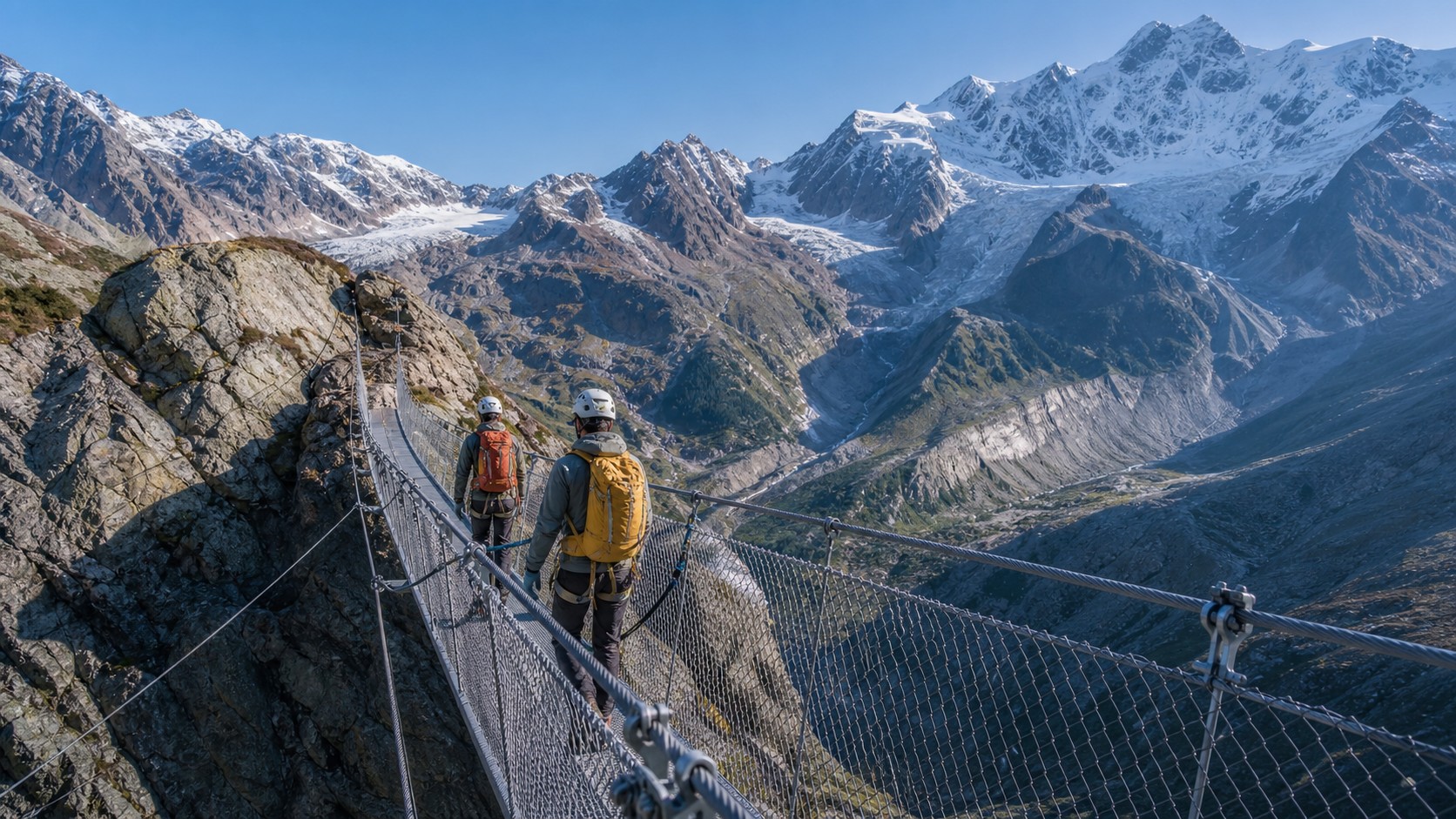
Some extreme experiences come from duration and altitude rather than ropes or speed. Kilimanjaro, Everest Base Camp, high Andean routes, Patagonia circuits, and Himalayan passes can push travelers through cold, fatigue, thin air, long days, and mental uncertainty without requiring technical climbing skills.
The risk is often underestimated because the walking looks familiar. Altitude illness, weather, dehydration, stomach issues, and poor pacing can turn a trek serious. Longer itineraries, acclimatization days, good guides, and honest turnaround decisions matter.
Training should match the pattern of the trip. One hard gym session is less useful than repeated hikes, loaded walking, stair climbs, descents, and long days on tired legs. Mental patience matters too, because altitude trips often reward the person who can move slowly without becoming frustrated.
These adventures suit travelers who want a multi-day test and a slow relationship with landscape. The reward builds over mornings, meals, conversations, tired legs, and the gradual realization that effort is changing the way the place feels.
Choose big-mountain trekking if endurance appeals more than a single burst of adrenaline. The challenge is sustained humility.
Shark Diving and Wildlife Encounters for Respectful Nerves
Shark diving, whale encounters, cage diving, manta ray nights, and other wildlife-focused adventures are extreme because they place travelers near powerful animals and unfamiliar environments. South Africa, the Bahamas, Mexico, Hawaii, Australia, and parts of Polynesia all offer memorable marine encounters.
The ethics matter as much as the thrill. Travelers should ask how operators protect animals, whether feeding or baiting is used, what local regulations apply, and how guest behavior is controlled. A close encounter is not automatically a good encounter.
Ocean conditions can matter as much as the animals. Visibility, swell, water temperature, boat motion, and entry style can change how comfortable the experience feels. Travelers who get seasick or anxious in open water should discuss that honestly before booking.
These trips suit travelers who feel curiosity alongside fear. They are strongest when guides teach animal behavior, ocean conditions, and conservation context rather than selling a simple scare.
Respectful wildlife adventure leaves animals in charge of the moment. That uncertainty is part of the experience.
Volcano, Desert, and Remote-Edge Expeditions
Volcano hikes, desert crossings, polar-style trips, and remote overland expeditions create extremity through environment. Guatemala, Indonesia, Iceland, Namibia, Chile, Morocco, Antarctica gateways, and other regions can place travelers in landscapes shaped by heat, ash, wind, altitude, isolation, or sudden weather.
These adventures require planning that goes beyond excitement. Guides, permits, water, evacuation options, clothing, communication, road conditions, and seasonal timing all matter. A remote landscape can be beautiful and unforgiving at the same time.
The right traveler for these trips enjoys exposure, simplicity, and the feeling of being far from ordinary systems. Comfort may be limited, but the sense of scale can be enormous.
Choose environmental extremes when you want landscape itself to be the challenge. The adventure is not always fast; sometimes it is the silence, heat, cold, or distance that changes you.
Good operators explain not only what you will see but what could make the plan change. That candor is a strength.
How to Choose the Right Extreme Adventure
Start with the kind of discomfort you can handle. Water, height, cold, altitude, speed, confinement, isolation, and physical fatigue all feel different. Someone who loves rafting may hate paragliding. Someone who enjoys trekking may find canyoning too claustrophobic. Extreme adventure is personal.
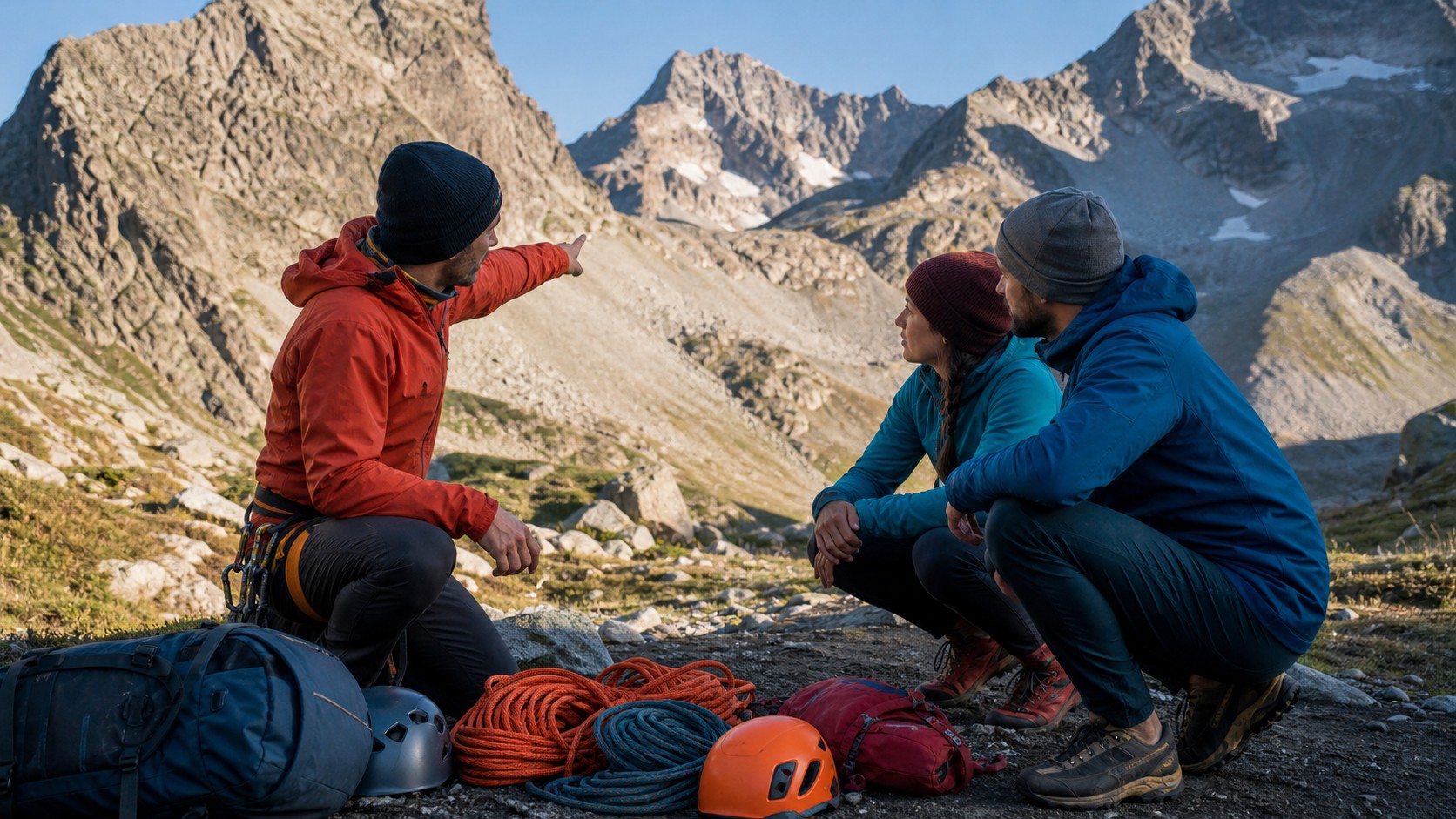
Then evaluate the operator. Look for clear safety briefings, appropriate equipment, realistic medical questions, honest cancellation policies, guide credentials, group-size limits, and reviews that mention professionalism rather than only excitement.
Consider the recovery time as well. A hard trek, cold-water canyon, or intense rafting day may leave you tired, bruised, or mentally drained in a satisfying way. Scheduling a difficult activity immediately before a long drive or flight can turn a great experience into logistical strain.
Match the challenge to your current ability, not the version of yourself you hope appears on vacation. Training can help, but no trip should depend on pretending you are stronger, calmer, or more experienced than you are.
The best extreme adventure leaves you proud, alert, and grateful. It should stretch your limits without making good judgment feel optional at any point whatsoever today.