Bucket List Extreme Experiences Should Be Chosen With Imagination and Judgment
A bucket list extreme experience should do more than sound impressive. It should place you in a setting that feels larger than ordinary travel, ask something real from your body or nerves, and leave you with a story that still feels meaningful after the adrenaline fades. The best choices are not all dangerous or elite. Some are beginner-friendly when guided well, while others require training, experience, weather patience, or a long approach. Skydiving, rafting, gorilla trekking, canyoning, ice climbing, volcano hiking, shark diving, big treks, and desert expeditions each offer a different kind of edge. The right bucket-list adventure is the one that stretches you without asking you to abandon judgment.
A: Choose a guided activity that excites you while keeping fear manageable, such as moderate rafting, tandem paragliding, or a glacier walk.
A: Skydiving, Kilimanjaro, Everest Base Camp, gorilla trekking, and Grand Canyon rafting are all iconic for different reasons.
A: No. Many are managed experiences with professional guides, but risk still needs to be understood honestly.
A: Rank by readiness, season, budget, training needs, permits, ethical comfort, and how strongly the experience calls to you.
A: Save activities that require more fitness, technical skill, insurance, weather flexibility, or emotional readiness than you currently have.
A: Yes, if the activity is designed for beginners and the operator uses strong safety systems.
A: Choose experiences for personal meaning rather than social status, and leave enough time for preparation and recovery.
A: Gorilla trekking, shark diving, manta ray encounters, and polar wildlife trips can all be extraordinary when handled ethically.
A: Yes. A thoughtful first step often creates a better memory than forcing the hardest version too early.
A: It should combine place, challenge, guidance, ethics, and a sense that you met the moment honestly.
Air and Height Experiences
Tandem skydiving deserves its place on many extreme bucket lists because it turns fear into a clear sequence: briefing, aircraft climb, door, freefall, canopy, landing, and the strange calm afterward. Drop zones in New Zealand, Switzerland, Dubai, Hawaii, Namibia, and Australia add scenery to the psychological challenge.
Paragliding is different. It is less explosive and more graceful, especially in places such as the Alps, Pokhara, Oludeniz, Colombia, and coastal South Africa. Tandem flights can feel surprisingly peaceful once takeoff is complete, but wind and pilot judgment are everything.
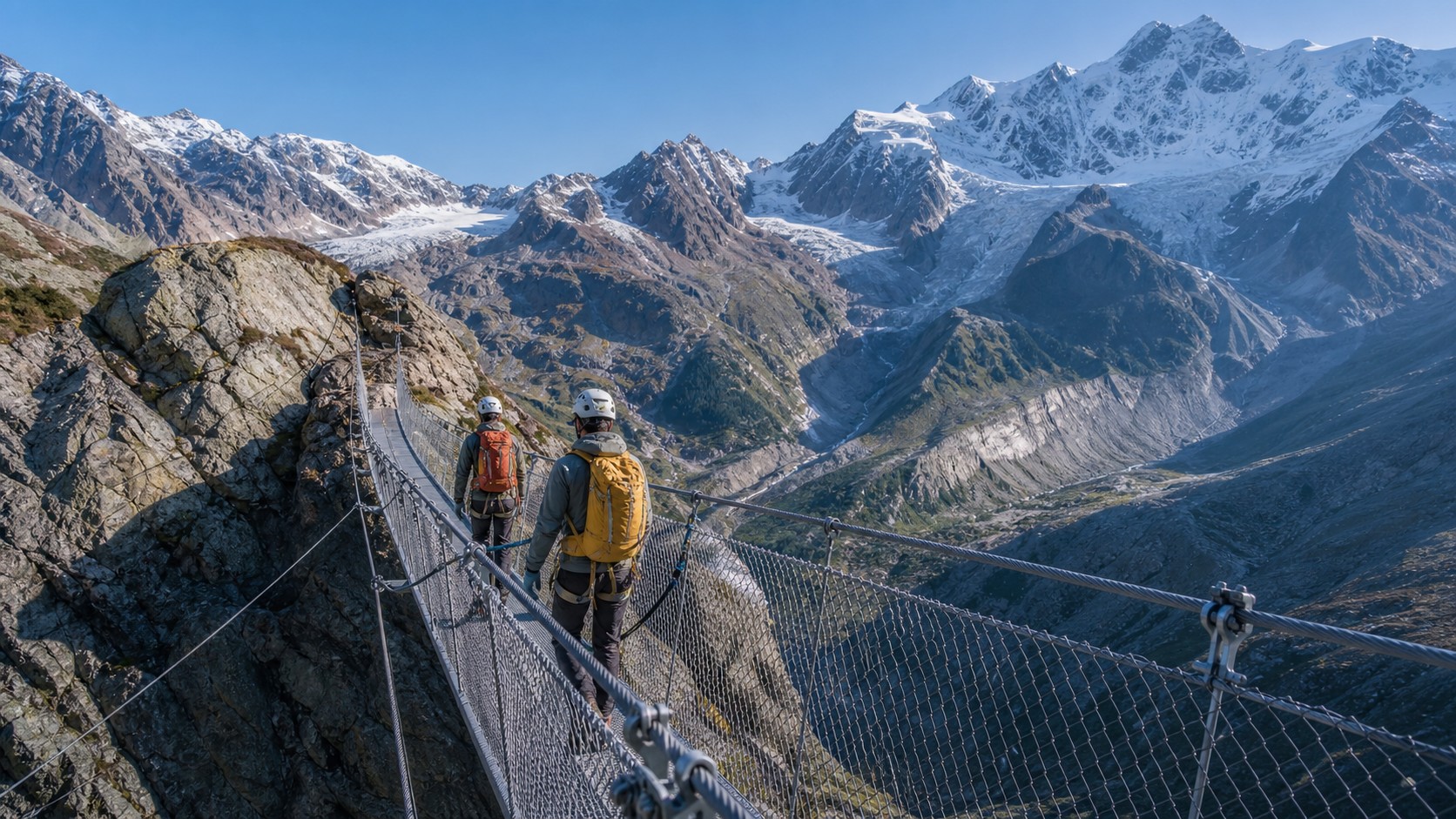
A via ferrata or protected alpine bridge can be a strong height-based experience for travelers who want exposure with structured equipment. The Dolomites, Swiss Alps, Austria, France, and other mountain regions offer routes where harnesses and fixed protection let non-climbers enter dramatic terrain with a guide.
These height experiences work because they make fear visible and contained. You can feel your body react, listen to instructions, and discover whether exposure sharpens or overwhelms you. That knowledge is useful before choosing harder mountain or aerial adventures.
Bungee jumping remains the purest short-form height challenge. Queenstown, Victoria Falls Bridge, and other famous jumps create a single, unforgettable commitment. It is brief, but the mental build-up can be enormous.
These experiences suit travelers who want to confront exposure directly. Choose operators with clear briefings, conservative weather judgment, and no pressure-driven sales atmosphere around the experience.
Water and River Challenges
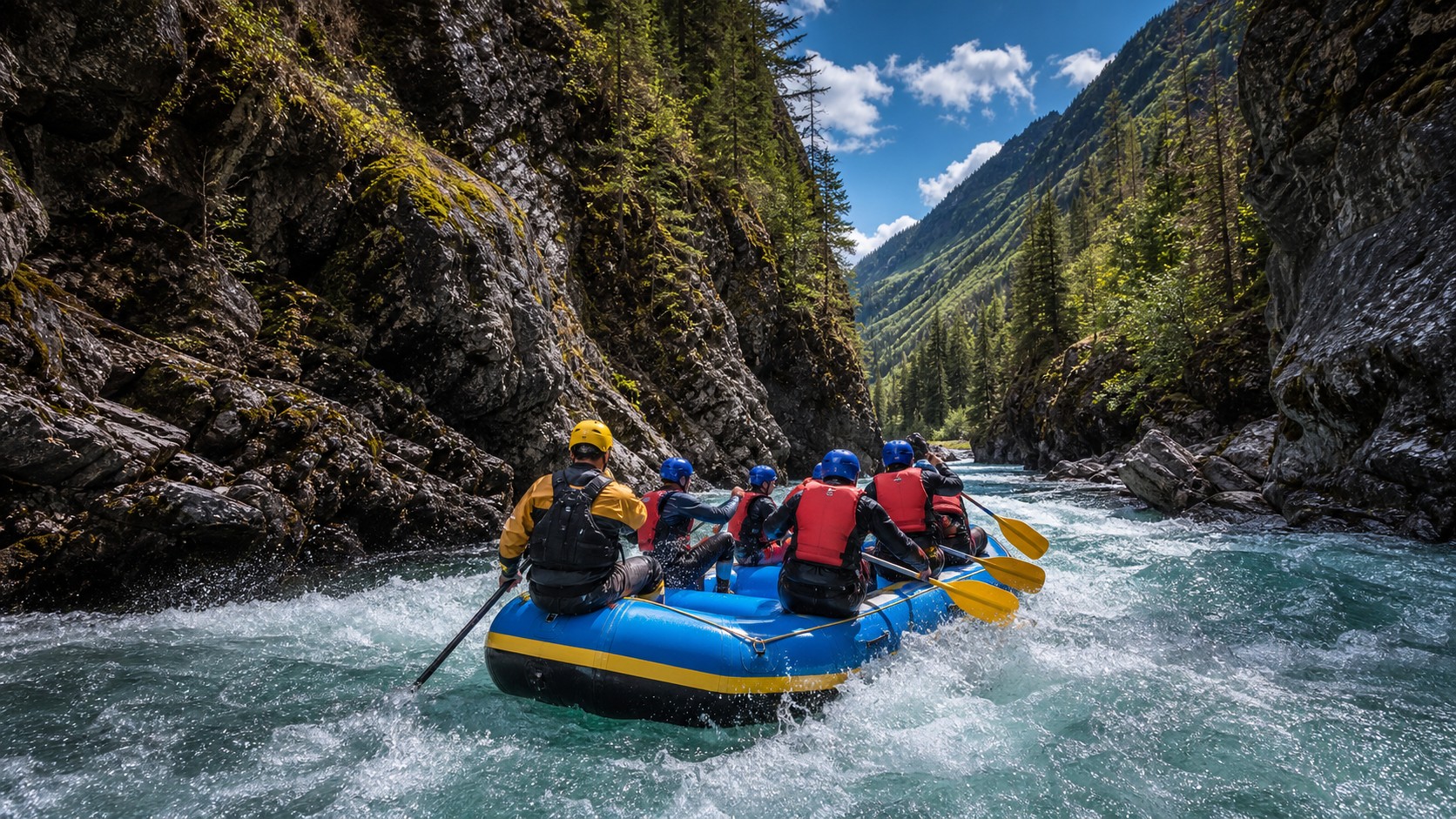
Whitewater rafting is a bucket-list classic because the group shares the intensity. The Grand Canyon, Futaleufu, Zambezi, Nepal’s rivers, Costa Rica, and New Zealand can all offer memorable versions, from scenic beginner days to serious multi-day expeditions.
Canyoning belongs on the list for travelers who want waterfalls, ropes, pools, and narrow-rock focus. Madeira, Switzerland, Slovenia, Costa Rica, New Zealand, and the American Southwest all have routes where the landscape surrounds the body completely.
Scuba diving with manta rays, sharks, or dramatic reefs can feel extreme even when the movement is slow. The edge comes from being underwater, trusting equipment, reading conditions, and entering a world where humans are temporary visitors.
Ice swimming or cold-water plunges in controlled settings can be powerful too, though they should be approached carefully. Cold shock is real, and the best experiences are supervised, brief, and culturally or environmentally grounded.
Water adventures require special honesty. If panic in water is likely, choose an easier introduction, stronger supervision, or a different bucket-list category.
Mountain and Ice Adventures
A high-altitude trek such as Kilimanjaro, Everest Base Camp, the Inca Trail’s high passes, or a Himalayan lodge route can become a bucket-list achievement through endurance rather than technical skill. The challenge grows day by day through altitude, weather, repetition, and patience.
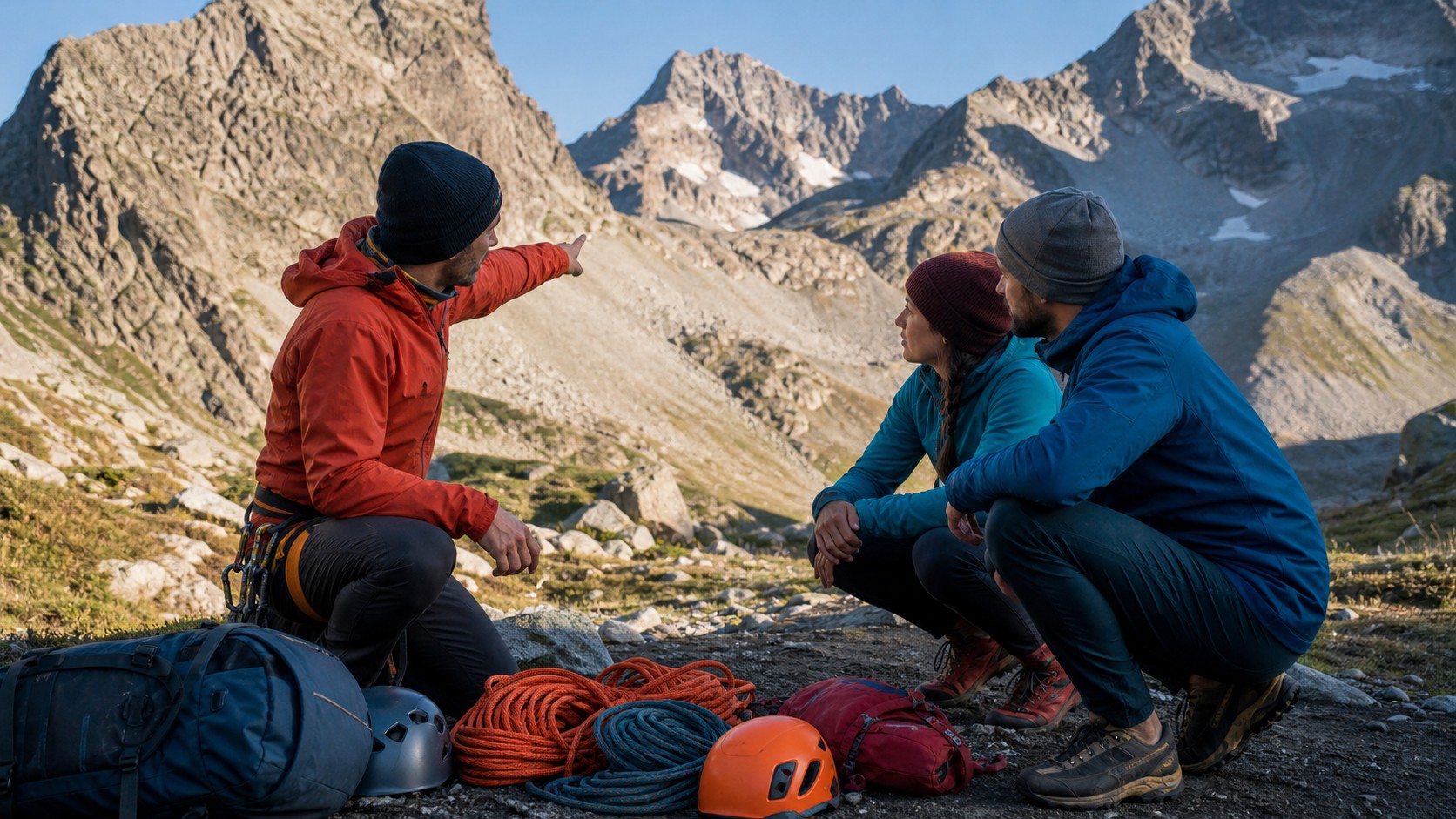
Ice climbing or a guided glacier route adds a more technical feeling. Iceland, Canada, Norway, Patagonia, Alaska, the Alps, and New Zealand offer icy landscapes where beginners can learn crampon movement, basic tool use, or safe glacier walking under professional supervision.
Ski touring, snowshoe expeditions, or winter hut trips can also qualify when the environment feels serious. These experiences depend on avalanche awareness, guide expertise, weather, fitness, and humility about winter terrain.
Volcano hiking belongs between mountain and environmental adventure. Guatemala’s Acatenango, Indonesia’s volcanoes, Icelandic volcanic landscapes, and other routes can combine altitude, heat, ash, weather, and unforgettable views.
Mountain and ice experiences reward preparation. Training, layers, acclimatization, footwear, and turnaround decisions often shape the memory more than the summit photo.
Wildlife Encounters With an Edge
Gorilla trekking in Uganda or Rwanda is not extreme in the same way as skydiving, but it belongs on many bucket lists because the encounter is rare, physical, emotional, and tightly regulated. The trek can involve mud, altitude, forest, and patient tracking before the short permitted viewing time begins.
Shark diving in South Africa, the Bahamas, Mexico, Australia, or other carefully managed locations brings a sharper kind of nerve. The ethics and operator standards matter deeply. A responsible encounter should teach respect, not sell fear as entertainment.
Manta ray night snorkeling or diving can be gentler but still unforgettable. Floating in dark water while huge animals move through light can feel otherworldly when done with strong local rules and respectful distance.
The strongest wildlife adventures often feel quieter than expected. You may spend more time waiting, listening, or following rules than chasing drama. That restraint is exactly what makes the encounter feel real rather than manufactured.
Polar wildlife trips, from Arctic edges to Antarctic expedition cruising, create extremity through remoteness, cold, sea conditions, and the humbling scale of the environment. They are expensive and logistically complex, but the sense of place can be profound.
Wildlife bucket-list experiences should leave the animals with control. If the encounter depends on harassment, crowding, or unsafe proximity, it does not belong on the list.
Remote and Environmental Extremes
Desert expeditions in Namibia, Morocco, Jordan, Chile, or the American Southwest can feel extreme because of heat, dryness, distance, and silence. The challenge may be slower than a rapid or jump, but the environment is powerful.
Multi-day overland routes in remote regions add self-reliance and logistics. Fuel, water, tires, navigation, permits, and weather become part of the adventure. These trips are best with expert local planning or a reputable guided operation when conditions are serious.
Remote trips also change how travelers define comfort. Shade, clean water, a reliable vehicle, a warm layer, or a safe campsite can feel luxurious when the landscape is stripped down. That shift is one reason environmental adventures stay with people.
Cave adventures, lava tubes, and underground routes can be bucket-list material for travelers comfortable with darkness and tight spaces. They require specialist guides, helmets, lights, and respect for fragile geology.
Expedition cruises through rougher waters, such as Southern Ocean routes, can also feel extreme through motion, weather, isolation, and anticipation. The destination may be spectacular, but the journey itself asks for resilience.
Environmental extremes are best for travelers who are moved by landscape. The thrill is not always speed. Sometimes it is the realization that the place is indifferent, immense, and beautiful anyway.
The Full Bucket List of 25 Experiences
A strong extreme bucket list might include tandem skydiving, paragliding, bungee jumping, a guided via ferrata, alpine bridge crossing, whitewater rafting, canyoning, shark diving, manta ray night snorkeling, scuba diving a major reef, gorilla trekking, polar wildlife travel, Kilimanjaro or another high-altitude trek, Everest Base Camp, an ice-climbing introduction, a guided glacier hike, volcano hiking, ski touring, a desert expedition, a remote overland route, a cave adventure, a multi-day sea kayak journey, a heli-hiking or heli-ski experience where appropriate, a jungle expedition, and a long-distance wilderness trek.
Not every item belongs on every traveler’s list. The point is to understand what kind of edge calls to you. Some people want water, others height, others cold, wildlife, solitude, or endurance. The best list has range rather than simply escalating danger.
A balanced list also includes different time scales. One adventure may take an afternoon, another a week of trekking, and another years of saving and preparation. Mixing short, medium, and long-horizon dreams keeps the list alive instead of turning it into distant fantasy.
Rank your list by readiness. Some experiences can happen this year with a strong operator. Others may need training, savings, permits, health planning, or a better season. A bucket list becomes more useful when it turns dreams into sequence.
Leave room for surprise. Sometimes the adventure you almost skipped becomes the one that changes how you see yourself.
How to Choose What to Try First
Start with a category that excites you and a discomfort you can manage. If heights intrigue you but terrify you, begin with a guided via ferrata or tandem paragliding rather than the biggest bungee jump. If water draws you, choose beginner rafting or a controlled scuba experience before a serious canyon or shark dive.
Look for progression. A first experience should build trust, not merely test nerve. The best beginner bucket-list adventures include clear briefings, professional equipment, opt-out points, and a guide who treats caution as normal.
Think about what kind of confidence you want afterward. A good first choice should leave you curious, not shaken into never trying again. That may mean choosing a moderate river, lower-altitude trek, shorter canyon, or tandem flight with an operator known for patient instruction.
Consider the rest of the trip. A major adventure should not be wedged between sleepless flights and long drives. Give it room for weather, recovery, and emotional afterglow.
Your first bucket-list extreme experience should make the next one feel possible. That is the quiet sign you chose well for yourself.
Keep the Bucket List Ethical
Extreme travel can place pressure on fragile environments and local communities. Choose operators that respect wildlife, minimize damage, hire qualified local staff, manage waste, follow access rules, and explain how guest money supports conservation or community benefit.
Avoid experiences that turn animals into props, ignore local permission, damage trails, or treat guides and porters as disposable. The more dramatic the destination, the more important responsible behavior becomes.
Ethical travel does not make the experience less thrilling. It gives the thrill a cleaner foundation. You can feel awe without leaving a place worse than you found it.
A bucket-list achievement should still feel good when you think about how it was made possible.
When to Save an Experience for Later
Some adventures are better delayed. If your fitness is not ready, the season is wrong, the operator feels vague, your insurance does not cover the activity, or your fear feels unmanageable, waiting can be the smarter choice. The list will still be there.
Saving an experience for later can make it better. Training, learning, choosing a stronger guide, traveling with the right companion, or waiting for a better weather window can turn a risky impulse into a lifelong highlight.
Delay can also protect meaning. If you rush into a dream trip before you understand the place, the skills, or the responsibility involved, the experience may feel thin. Preparation can make the same adventure feel deeper and more earned.
There is no shame in choosing a lower-intensity version. A guided glacier walk can be the right step before ice climbing. A scenic canyon hike can precede canyoning. A wildlife cruise can come before scuba.
The best bucket list grows with you. It should invite courage, not punish honesty or careful timing either.