The Best Ski Resort Is the One That Fits the Whole Group
The best ski resorts in the world are not automatically the steepest, biggest, snowiest, or most famous. A perfect resort for expert powder skiers may overwhelm a beginner, while a gentle learning mountain may bore advanced friends after two days. The right ski trip depends on terrain variety, ski school quality, snow reliability, lift layout, village atmosphere, lodging access, off-slope options, and how many ability levels need to be happy at the same time. Resorts such as Whistler Blackcomb, Zermatt, Vail, Aspen Snowmass, Niseko, Val d’Isere, St. Anton, Cortina, Park City, and Les Trois Vallees all have strong reputations, but each serves a different kind of skier best.
A: Beaver Creek, Buttermilk, selected Park City areas, and beginner-friendly European villages can work well with strong lessons.
A: Zermatt, Les Trois Vallees, Vail, Whistler, and the Dolomites offer excellent cruising when conditions fit.
A: St. Anton, Val d'Isere, Whistler, Jackson Hole, Chamonix, and Niseko can suit experts with the right snow and guidance.
A: Whistler, Aspen Snowmass, Park City, Vail, and Les Trois Vallees are strong because they offer varied terrain and village options.
A: No. A smaller resort with better lessons, lodging access, and terrain fit may create a smoother trip.
A: Prioritize ski school, gentle terrain, lodging convenience, childcare, easy meals, and rest-day options.
A: Niseko, Whistler, Alta, Snowbird, Jackson Hole, and selected alpine resorts can be strong when conditions align.
A: Only if the resort has true beginner support and does not make learning feel logistically stressful.
A: Very important for mixed groups, non-skiers, dining, lessons, rentals, and recovery after ski days.
A: World-class resorts combine terrain, snow, lift systems, instruction, safety, lodging, food, and a trip rhythm that fits the skier.
Whistler Blackcomb for Big-Mountain Variety
Whistler Blackcomb is one of the strongest all-around choices because its scale gives different skiers room to separate and reunite. Beginners can use learning zones and easier groomers, intermediates can explore long cruisers, and advanced skiers can find bowls, steeps, trees, and alpine terrain when conditions cooperate.
The size is exciting, but it requires planning. First-timers to the resort should study the mountain layout, choose meeting points carefully, and avoid spending the whole day chasing terrain across lifts. Weather can change from village rain to alpine snow, so layers and flexibility matter.
The resort is especially strong when skiers are honest about daily goals. One person may want lessons, another may want long groomers, and another may want storm skiing. A clear morning plan prevents the mountain’s scale from turning into confusion.
Whistler works especially well for mixed groups that want a lively village, strong dining, lessons, rental options, and enough terrain to keep confident skiers engaged. It can be crowded and expensive, so lodging location and timing affect the experience.
Choose Whistler when variety matters more than simplicity. It rewards skiers who want a full resort ecosystem, not only one perfect piste.
Zermatt for Scenery, Long Runs, and Alpine Character
Zermatt is famous for the Matterhorn, but the skiing is more than a postcard. Long groomed runs, high-altitude terrain, glacier skiing, car-free village charm, mountain restaurants, and cross-border links toward Cervinia create one of the most distinctive ski experiences in Europe.
Intermediates often love Zermatt because the runs can feel scenic and expansive rather than merely technical. Beginners should choose lodging and lesson plans carefully, because the resort’s grandeur can make logistics feel more complex than a smaller learning hill.
Advanced skiers can enjoy high-mountain routes, off-piste possibilities with guides, and long descents when conditions are right. The key is respecting weather and visibility. Beautiful alpine terrain can become confusing quickly in cloud or wind.
Zermatt suits travelers who want ski days wrapped in atmosphere: trains, chalets, mountain lunches, snowy lanes, and the constant presence of one of the world’s most recognizable peaks.
It is best for skiers who value scenery and European alpine culture as much as pure lift statistics.
Vail and Beaver Creek for Comfortable Progression
Vail is famous for size, back bowls, groomers, and a polished village experience. Beaver Creek, nearby, is known for comfort, service, and approachable learning environments. Together they make Colorado appealing for travelers who want strong infrastructure and a wide range of ability levels.
Beginners and families often appreciate resorts where lessons, rentals, signage, grooming, and lodging access reduce stress. Intermediates can spend days improving on blue terrain, while advanced skiers can look for bowls, trees, and steeper conditions when snow lines up.
The tradeoff is cost and popularity. Peak periods can be expensive and busy, so planning lodging, lessons, and restaurant reservations early can improve the trip dramatically.
Choose this region for a polished North American ski vacation where comfort, terrain, and service all matter.
Aspen Snowmass for Mixed Abilities and Mountain Personality
Aspen Snowmass is really a collection of distinct ski personalities. Snowmass offers broad terrain, family appeal, and strong intermediate options. Aspen Mountain feels steeper and more advanced. Aspen Highlands brings challenge and local character. Buttermilk is famously beginner-friendly and associated with terrain parks and learning.
This separation can be a strength for groups. Different skiers can choose the mountain that fits the day rather than forcing one hill to satisfy everyone. The town adds dining, culture, shopping, and atmosphere, which helps non-skiers or rest-day travelers feel included.
Aspen is not the cheapest choice, but it is one of the best for travelers who want ski variety with a sophisticated town experience. It rewards planning, especially around lodging location and transport.
Choose Aspen Snowmass when the group has different ability levels and wants each ski day to feel intentionally matched.
Niseko for Powder-Focused Travelers
Niseko in Japan is famous for deep, frequent powder and a winter atmosphere that feels different from European or North American skiing. The resort areas around Annupuri, Hirafu, Hanazono, and Niseko Village offer a mix of groomers, trees, powder zones, lessons, restaurants, and access to Japanese culture and food.
Powder beginners should be realistic. Soft snow can feel magical, but it also requires different technique and stamina. Intermediates who want to learn powder in a supportive environment may love Niseko, especially with lessons or guides. Advanced skiers often seek guided sidecountry or nearby areas, but local rules and avalanche awareness matter.
Niseko is also a good reminder that snow quality does not solve every planning question. Visibility, wind, lift closures, crowded peak weeks, and accommodation location can all shape the trip. Travelers who build in flexibility usually enjoy the powder chase more.
Niseko suits travelers who want snow quality, food, onsens, and a ski trip with cultural texture. It is less ideal for skiers who only want sunny groomers and simple European-style piste cruising.
Book early for peak snow season, and choose lodging based on whether nightlife, quiet, ski access, or family convenience matters most for your group.
Les Trois Vallees for Endless Intermediate Cruising
France’s Les Trois Vallees is one of the world’s largest linked ski areas, connecting resorts such as Courchevel, Meribel, Val Thorens, and Les Menuires. Its scale makes it a dream for confident intermediates who love long piste days, lift-connected exploration, and the feeling of crossing valleys on skis.
Beginners can do well when based in the right village and enrolled in lessons, but the full area’s size can feel overwhelming. Advanced skiers can find steep pistes and off-piste terrain with guides, while mixed groups can use the lift network to choose different levels of commitment.
The best trips are planned around base choice. Courchevel, Meribel, Val Thorens, and other villages differ in altitude, price, atmosphere, and access. The right base can make the same giant ski area feel elegant, lively, practical, or snow-secure.
Choose Les Trois Vallees if your dream is linked mileage, long lunches, and a European piste network that seems almost endless across several valleys.
St. Anton and Val d’Isere for Advanced Skiers
St. Anton in Austria and Val d’Isere in France are legendary for serious skiing, lively towns, and terrain that attracts advanced and expert travelers. Both offer groomed options, but their reputations are strongest among skiers who want challenge, off-piste possibilities, snow, and energetic apres-ski culture.
These resorts are not ideal first choices for nervous beginners unless the trip is carefully structured around lessons and easier zones. Confident skiers, however, may find them deeply rewarding. Guides are strongly recommended for off-piste terrain, where avalanche conditions, route choice, and local knowledge matter.
Advanced skiers should separate piste difficulty from off-piste seriousness. A black run on a marked trail and a guided powder route beyond the piste are not the same commitment. Knowing that difference helps travelers choose challenge without drifting into risk they did not intend.
The villages add personality. St. Anton has a strong Austrian alpine identity and famous apres energy. Val d’Isere pairs high-altitude skiing with French mountain style and access to a major linked area.
Choose these resorts when challenge is part of the trip’s purpose, and make safety decisions before powder temptation takes over on a storm day or deep morning.
Cortina and the Dolomites for Beauty and Food
Cortina d’Ampezzo and the broader Dolomites offer a ski experience where scenery, food, rifugios, villages, and dramatic limestone towers matter as much as vertical drop. The skiing can be wonderful for intermediates who enjoy cruising through landscapes that look carved for postcards.
Advanced skiers may want to mix groomers with guided off-piste or nearby challenge, while beginners can do well in selected learning areas. The region is especially good for travelers who want skiing to sit beside culture, long lunches, design, and mountain atmosphere.
The Dolomites are also appealing for mixed groups because non-skiers can enjoy towns, winter walks, food, views, and spa time. Not every ski trip needs to be judged by how hard everyone skied.
Choose Cortina or the Dolomites when beauty, food, and the rhythm of the day matter as much as terrain difficulty. The skiing can feel like travel, not only sport.
Park City for Accessible North American Scale
Park City is one of the easiest major ski destinations for many U.S. travelers because of its airport access, large terrain network, historic town, lodging range, and broad appeal. It can work for families, groups, intermediates, and travelers who want skiing plus restaurants and nightlife.
Beginners benefit from ski school and approachable terrain, while intermediates can cover a lot of ground. Advanced skiers may look for steeper zones, trees, bowls, or nearby resort combinations depending on conditions and trip goals.
Its convenience is a major strength, but popularity can bring crowds and high prices. Choosing the right lodging area, lesson times, and travel dates can make the experience feel far smoother.
Choose Park City when access matters and the group wants a full-service ski town without a complicated transfer. That convenience can matter most on short winter trips.
How to Choose by Skill Level
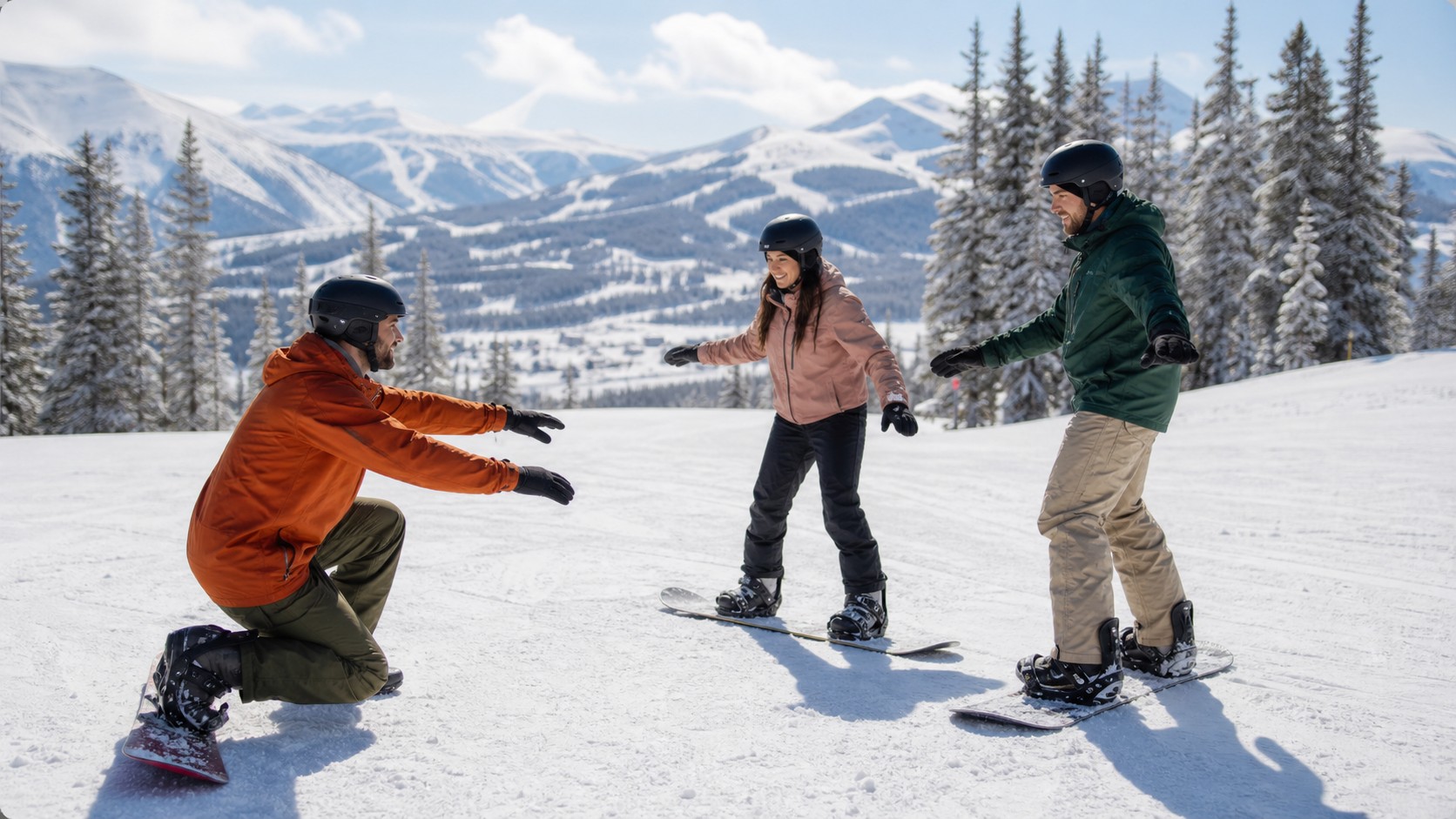
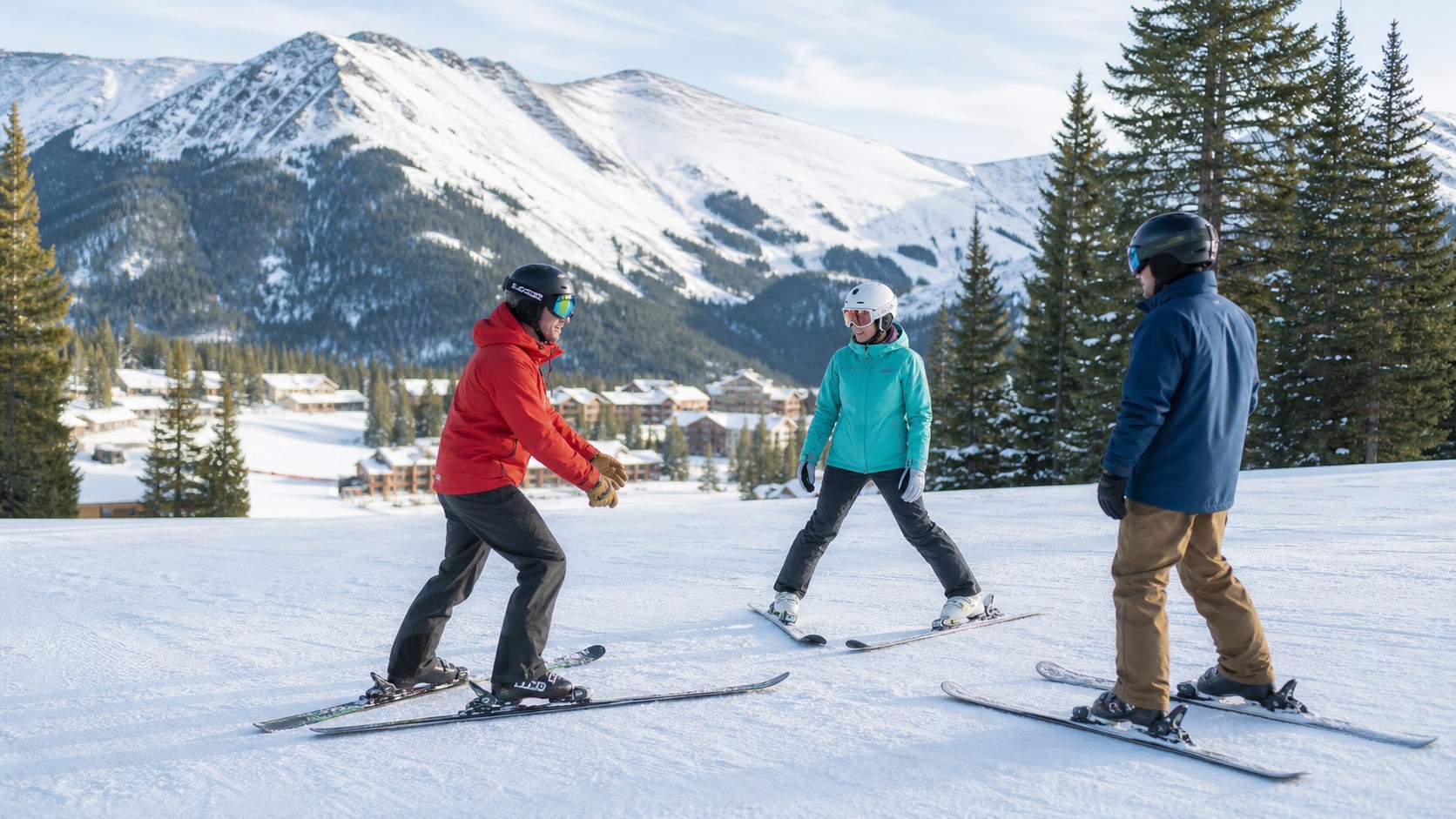
Beginners should prioritize ski school, gentle terrain, easy lifts, clear signage, rental convenience, and lodging that reduces daily stress. Intermediates should look for long groomers, varied blue terrain, and enough connected mileage to grow. Advanced skiers should evaluate snow reliability, steeps, trees, bowls, off-piste access, and guide availability.
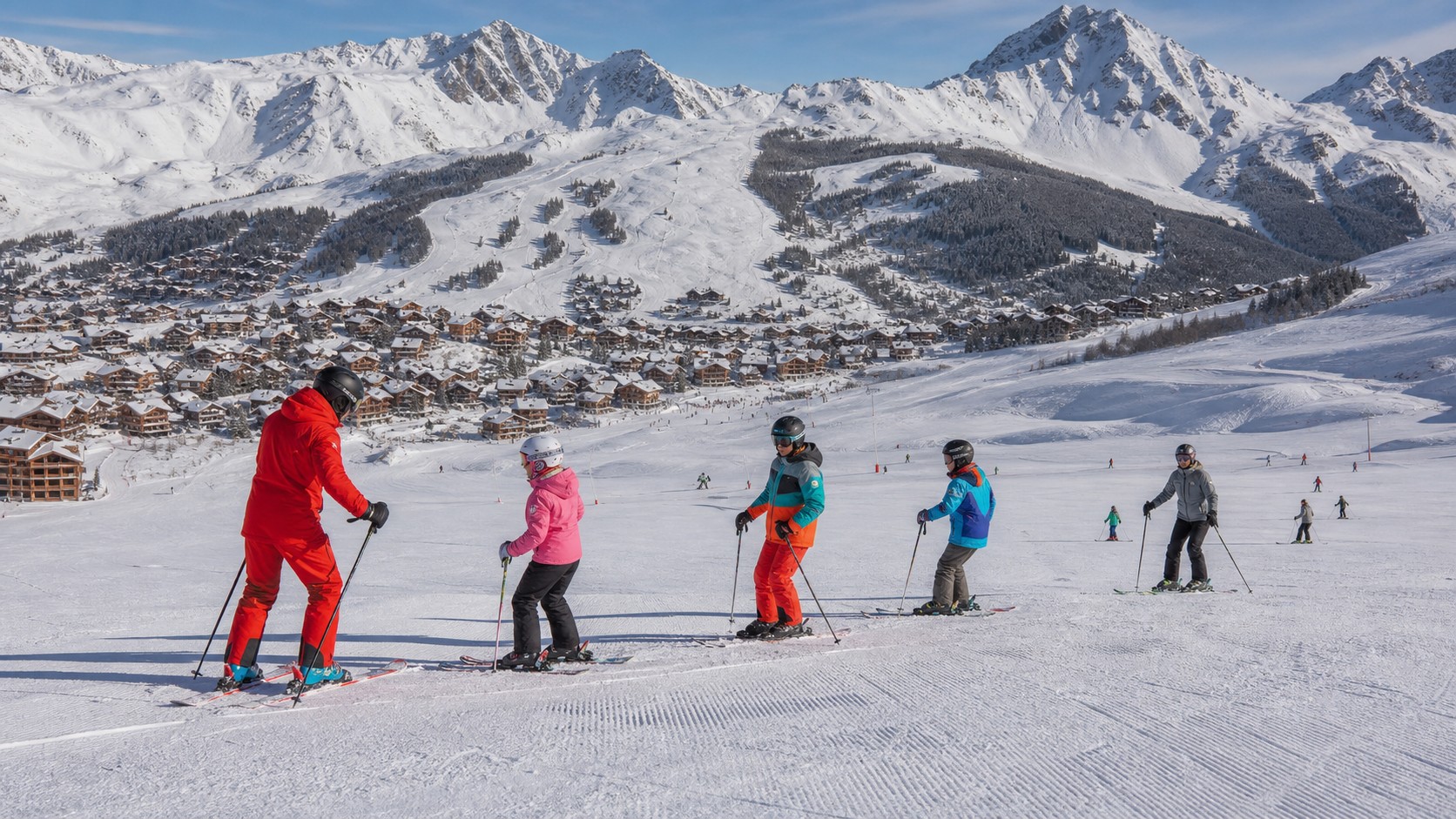
Mixed groups should choose resorts with multiple terrain pods and a strong village or base area where everyone can reconnect easily. Non-skiers need their own reasons to enjoy the trip, whether that means food, spas, shopping, winter walks, culture, or scenery.
The weakest skier should influence the base more than the strongest skier wants to admit. Experts can often travel to harder terrain for part of the day, but beginners and tired children feel every awkward lift, long walk, or confusing return route. Convenience is not a luxury for learners; it is part of learning well.
Snow matters, but so does the experience around the snow. A resort with perfect terrain but poor logistics for your group may feel harder than a slightly smaller mountain that fits everyone better.
The best ski resort is the one that lets each person feel challenged at the right level. That is what turns a winter vacation into a trip people want to repeat next season together.