Choose a Country That Lets Your Food Curiosity Grow
A favorite street-food dish can start a journey, but it should not become the only thing you expect from an entire country. The interesting discoveries often arrive when a familiar name changes character, a different meal period becomes important, or an everyday eating place reveals something you had not considered. Vietnam, Malaysia, Türkiye, and Portugal offer useful starting points for travelers who want that broader experience. Each can be researched through particular regional foods and local settings rather than a single national checklist. The best choice depends on what you enjoy eating, how far you want to move, and the amount of time you can give each place. Build the holiday around a few meaningful comparisons, with enough room for ordinary meals and personal discoveries. Food becomes a way to understand differences within a country instead of a race to collect its most recognizable dishes.
A: A focused regional route can provide varied meals without requiring additional international stops.
A: It supplies specific comparisons to investigate, such as different noodle dishes and everyday meal traditions.
A: Its tourism guidance introduces different culinary traditions and eating settings that can inform a focused base.
A: The setting and practical movement help define the experience beyond the dish name.
A: Markets, cafés, pastry shops, outdoor events, and actual seasonal vendor arrangements can provide different options.
A: One suitable area may provide enough food interest; additional bases should contribute a clear experience.
A: Extra transfers and other trip costs can outweigh savings on individual orders.
A: Confirm the actual order because names and previous experiences do not establish every version's composition.
A: Check the relevant dates and current arrangements, then keep wider eating interests available.
A: Memorable meals and a specific curiosity to follow further can make a limited route deeply rewarding.
Vietnam: Follow a Regional Food Interest
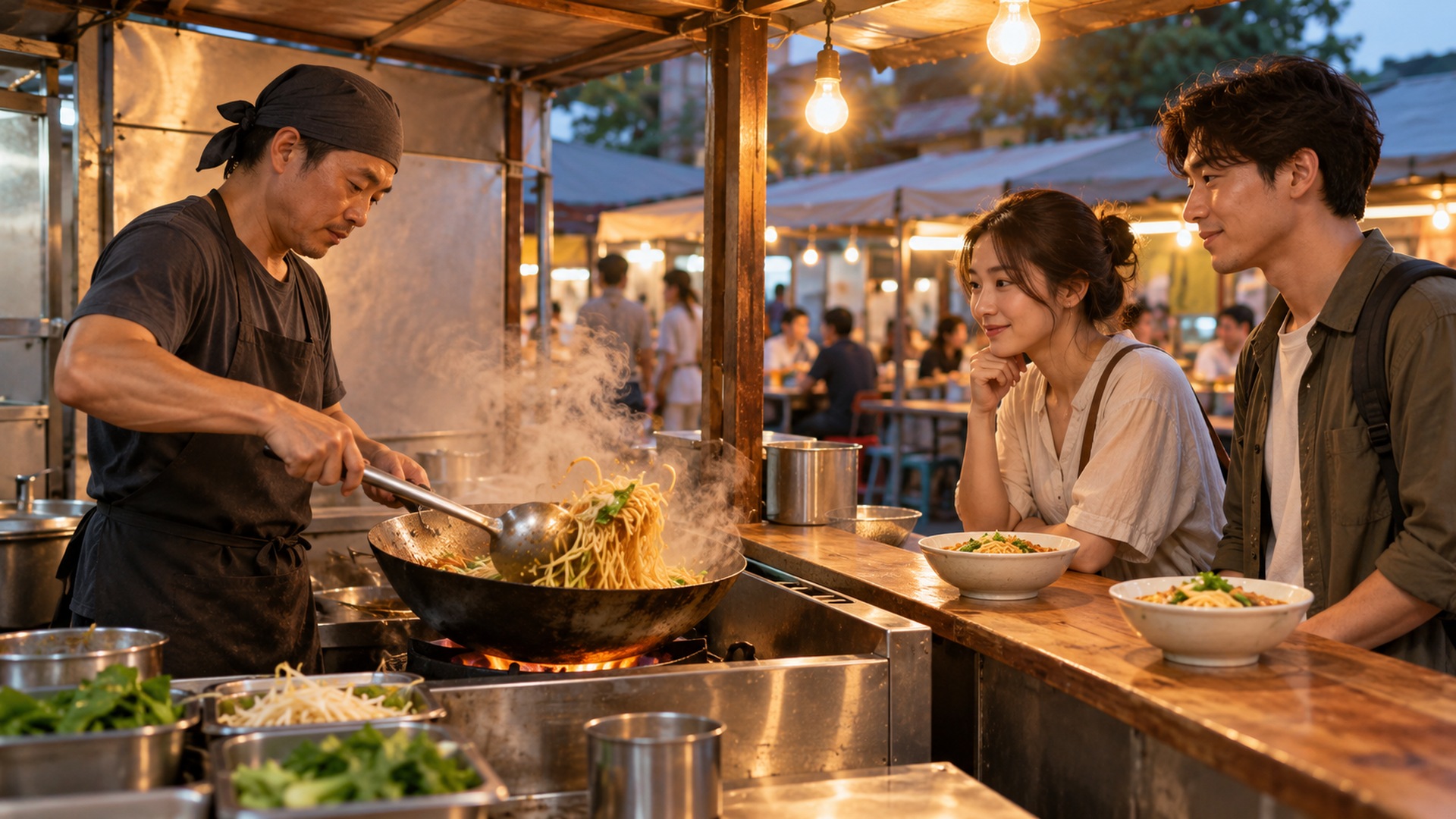
Vietnam is a strong research direction when you want regional differences to shape the journey. The official tourism overview of Vietnamese cuisine distinguishes northern, central, and southern food traditions. It introduces Hanoi’s phở and bún chả, Huế’s beef noodle soup, Hội An’s cao lầu, and southern bánh xèo and broken rice. Those examples give you several specific interests to investigate, rather than one undifferentiated idea of Vietnamese food.
Choose the comparison you actually want to explore. You might be interested in noodle dishes, the role of texture, or how an ordinary lunch differs between two places. That interest can guide the route without demanding a complete crossing of the country. Look at the time available after arrival, transfers, and departure. Two well-chosen bases may provide more useful eating time than several brief stops.
Give Vietnamese Food Names Local Context
Learning a dish name is a beginning, not a guarantee that every version will be identical. Ask about the actual order where you intend to eat, particularly when an ingredient or preparation detail matters. Notice the portion, accompaniments, and service arrangement before deciding how much to order. A regional food journey works best when you remain curious about differences instead of judging every meal against the first version you encountered. Write down the place and context along with the dish name, so the memory remains specific.
Malaysia: Explore Variety Through Everyday Eating
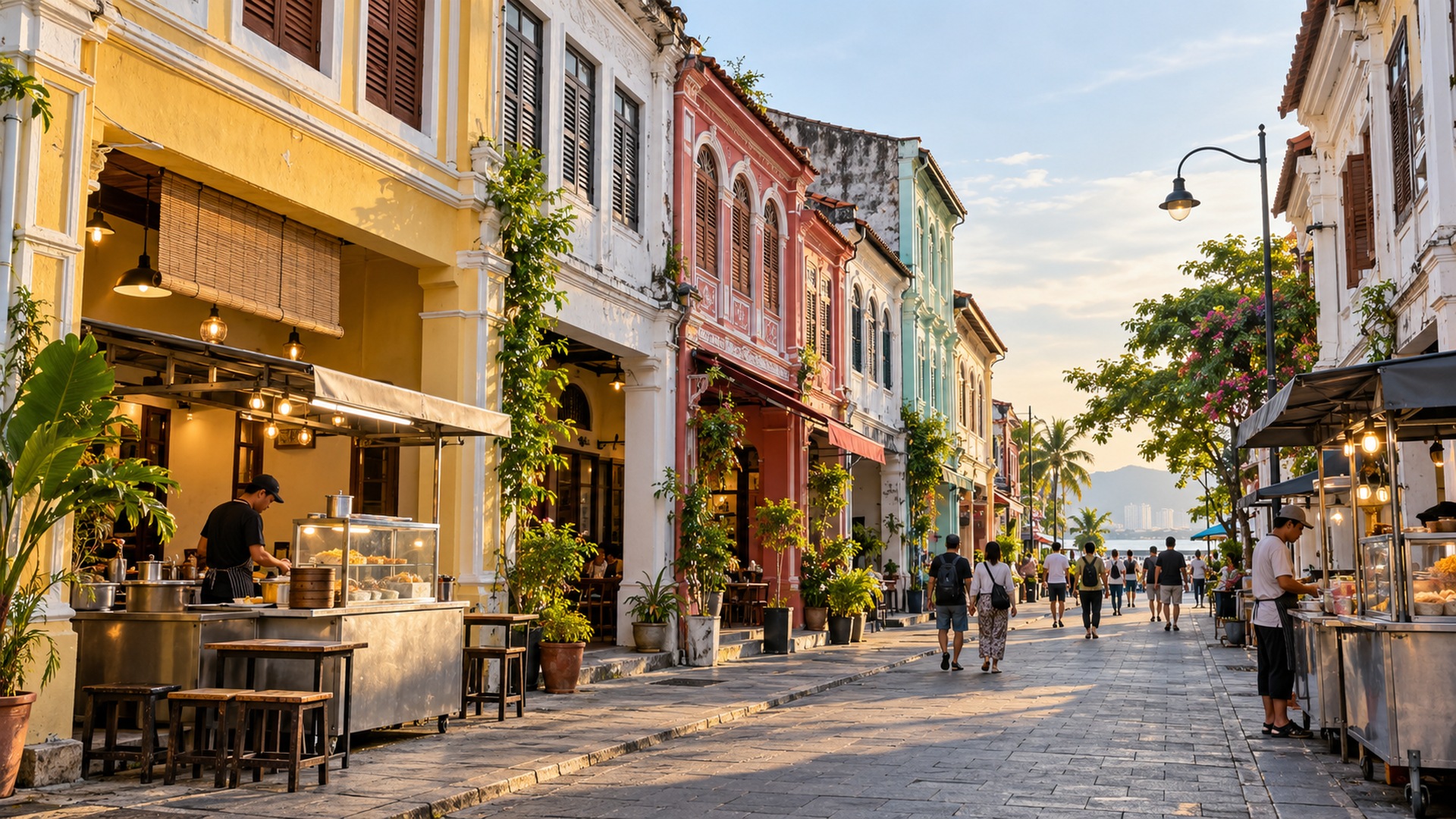
Malaysia offers another route into food variety: choosing eating settings where different culinary traditions can be explored during the same stay. Tourism Malaysia’s Kuala Lumpur eating guide introduces Malay, Chinese, and Indian food in settings that include casual open-air food courts. It also identifies distinct laksa variations associated with Penang, Johor, and Sarawak. Treat those references as invitations to investigate actual menus and places.
A useful first plan might focus on one base and several kinds of meal, rather than immediate travel between distant regions. You can compare what interests you, how orders are arranged, and which settings fit your preferred pace. A broader itinerary should grow from a genuine regional interest. Moving solely to add another place name can take time away from the meals you came to enjoy.
Do not assume that a country’s culinary diversity makes every dietary request straightforward at every stall. Establish the ingredients and preparation relevant to the actual order. If communication leaves an essential requirement unresolved, choose a suitable alternative. The aim is a satisfying holiday whose food choices work for you, with curiosity supported by clear information.
Understand the Eating Setting Before Ordering
A courtyard, food court, small stall, or café may have its own system for tables, payment, collection, and drinks. Observe the arrangement before deciding that a familiar-looking place works the way it does at home. Ask a brief practical question when needed, and keep access clear for other customers. Understanding the service makes it easier to focus on the meal.
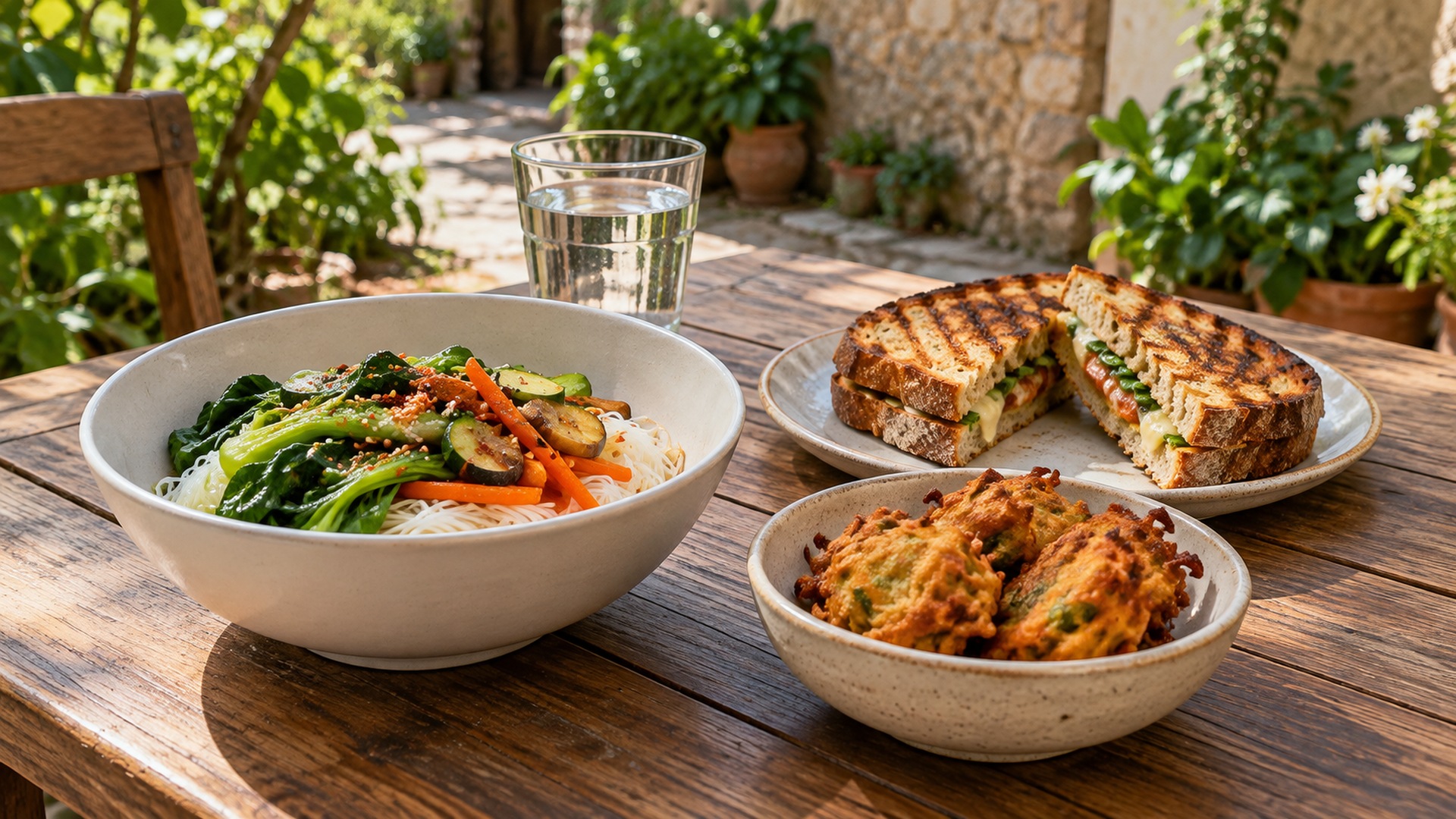
Use the first visit to learn how much food constitutes a comfortable meal for your group. Several appealing small orders can become a substantial lunch. Start with a manageable selection and leave room to make another decision afterward. You can return for a different combination on another day instead of trying to settle the entire menu at once.
Türkiye: Connect Street Foods With Their Settings
Türkiye is worth considering when your interest combines portable foods, informal eating, and the surroundings of a meal. Go Türkiye’s İstanbul street-food overview introduces examples including döner, savory pastries, filled potatoes, roasted chestnuts, and fish sandwiches associated with waterfront areas. This range supplies several different starting points for research. Select the foods and settings that appeal to you, then confirm the current arrangements for the particular places you choose. A tourism overview gives context; it does not establish every vendor’s present menu or hours.
Portugal: Make Room for Markets and Casual Food Traditions
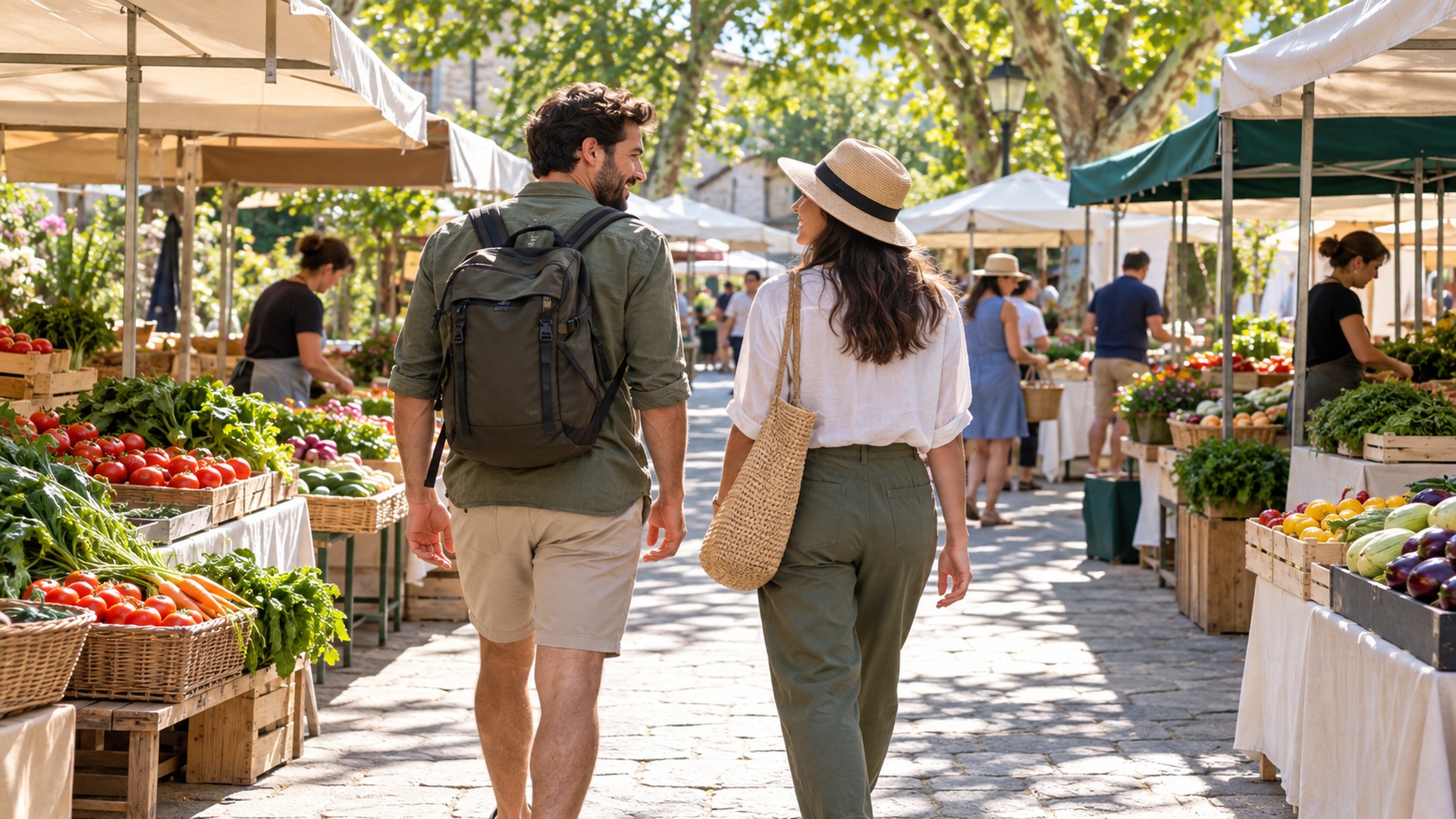
Portugal broadens this comparison from strictly pavement stalls to casual eating through cafés, pastry shops, and markets. That scope is deliberate: a country-level food journey can include a sandwich, a market meal, or a pastry-and-coffee interval without describing all of them as the same street-food format. Visit Portugal’s everyday-food guide identifies pastel de nata alongside regional market settings such as Lisbon’s Mercado da Ribeira and Porto’s Mercado do Bolhão. Select the setting you would enjoy using and verify the actual venue arrangements rather than assuming all market food is sold or eaten in the same way.
A Lisbon pastry interest might connect Belém’s custard-tart tradition with time in that district, while a Porto plan could give the market setting its own meal period. The official Lisbon gastronomy overview provides context for the Belém example. These are alternative regional directions to research, not a claim that two visits explain Portuguese food as a whole. Compare them with the Vietnamese noodle, Malaysian laksa, and İstanbul casual-food interests elsewhere in this selection through the actual preparations and places you want to understand. The four countries were chosen to show different regional food relationships and eating formats, with depth in one area a valid outcome.
Let Seasonality Refine the Country Shortlist
A food associated with a season or festival should be checked against the dates of your own holiday. Research current event information and actual vendor or venue arrangements before making it a central expectation. A country can still be a good choice when one seasonal item is unavailable, provided the wider eating interests remain appealing. Build the plan around several supported possibilities, then treat a special seasonal opportunity as an addition. That keeps a food holiday enjoyable even when the exact experience varies from an inspiring photograph.
Keep Learning Without Turning Every Meal Into Research
Choose a few comparisons that matter to you and let other meals remain ordinary pleasures. You can notice a regional difference without writing down every detail. Take a moment afterward to remember the strongest impression, then return attention to the holiday. A food journey should make the country more enjoyable to explore.
When recording a discovery, describe your own experience specifically. Include the place, the kind of order, and what stood out to you. Avoid turning one meal into a claim about every cook or the entire country. Personal observations become more useful when their limits are clear.
Return home with interests you would like to follow further. You may have discovered a texture, a meal format, or a regional name worth understanding better. That is a rewarding outcome even if the trip covered only a small part of the country’s food traditions. Curiosity can continue beyond the itinerary.
Find the Country Whose Everyday Meals You Want to Explore
Vietnam, Malaysia, Türkiye, and Portugal offer different openings for a street-food holiday. Compare the regional interests, casual eating settings, and travel rhythm that appeal to you. Choose through a realistic stay rather than the longest dish list. The strongest option gives your food curiosity enough time and a comfortable setting in which to develop.
Start with a few supported interests, clarify essential arrangements, and leave room for your preferences to change. Enjoy the differences within the country you select. A memorable food trip can come from familiar meals approached with attention, as much as from trying something entirely new. Give those everyday discoveries a proper place in the holiday.