Travel for the Food and the Setting Around It
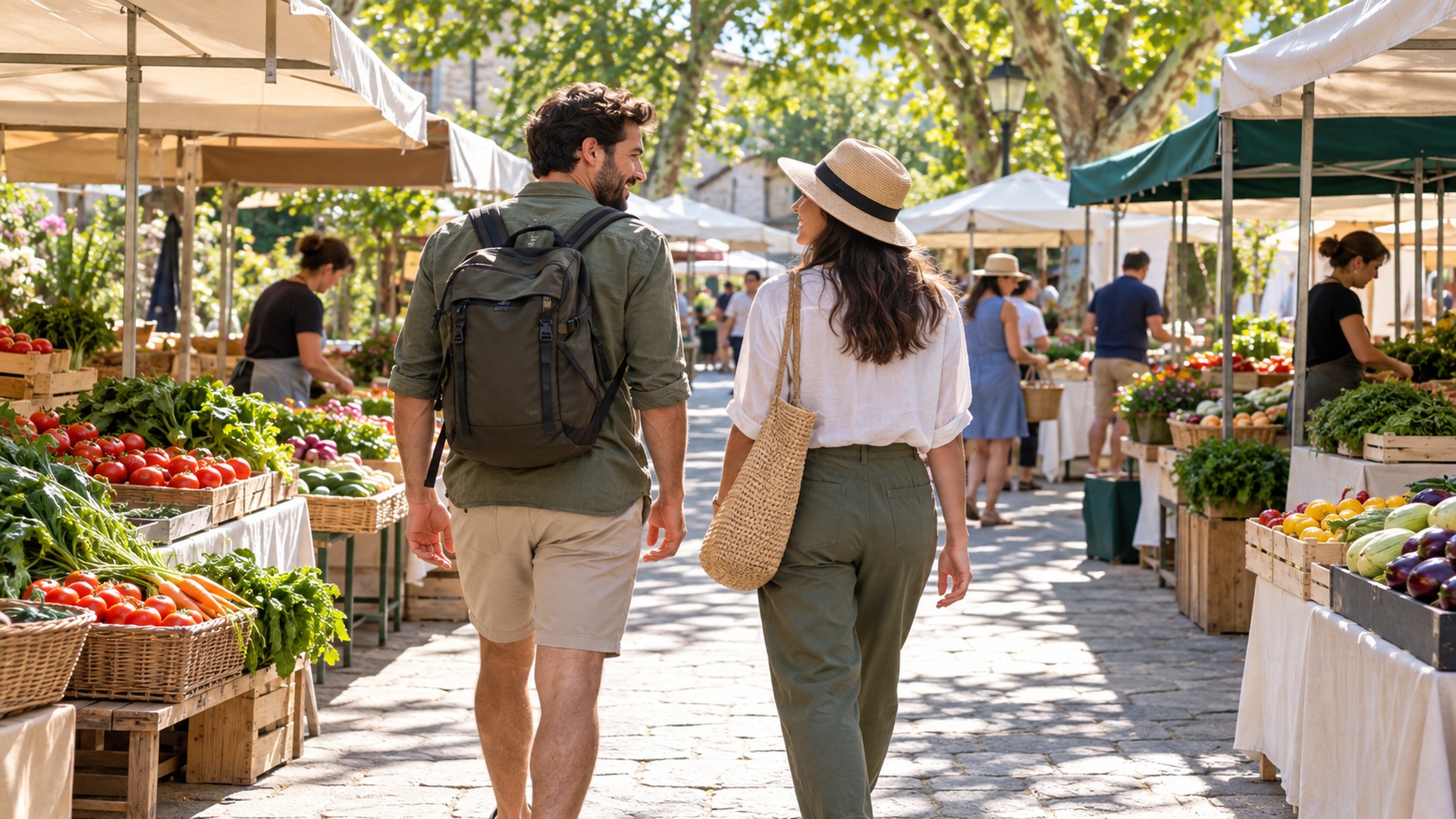
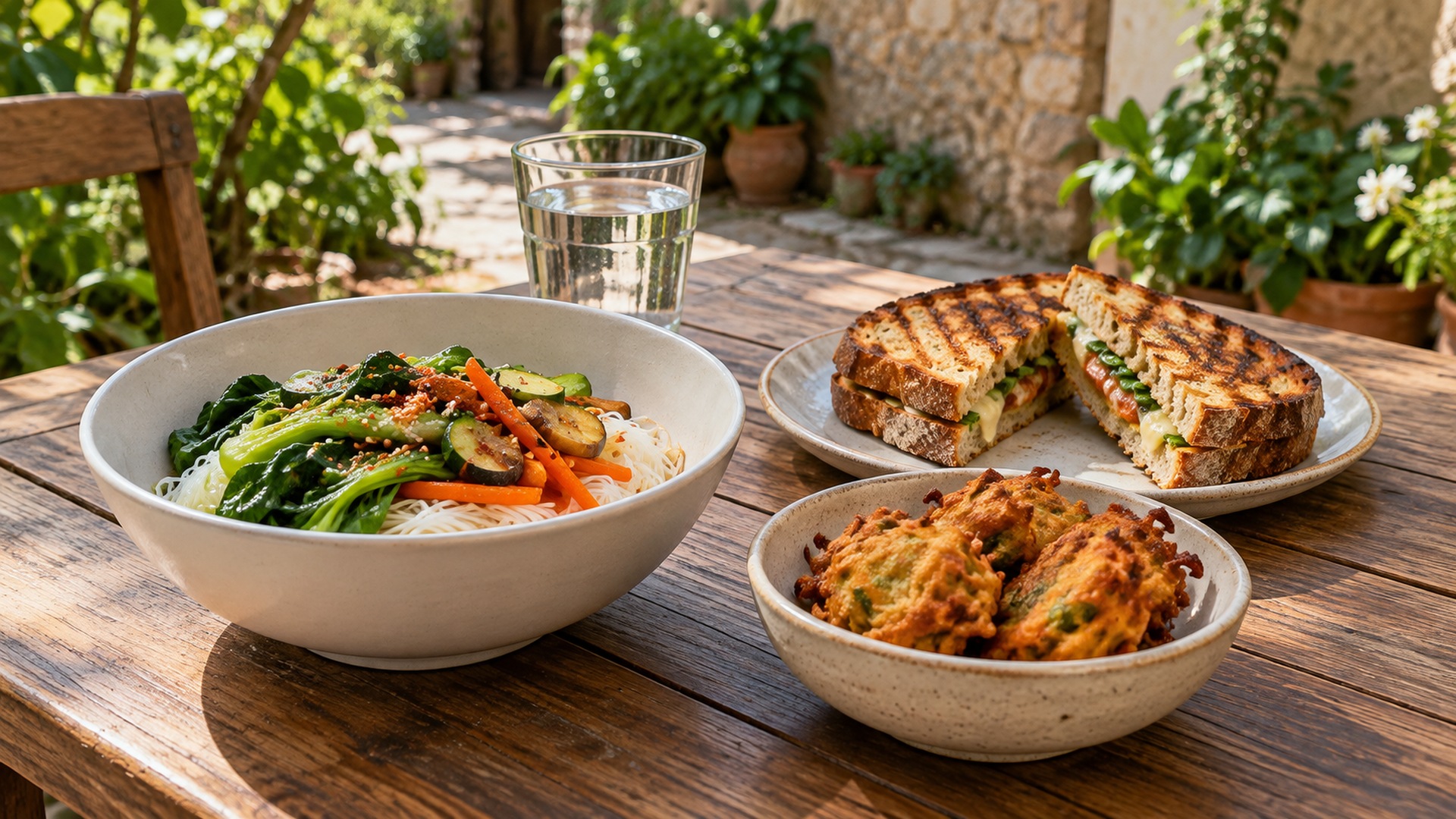
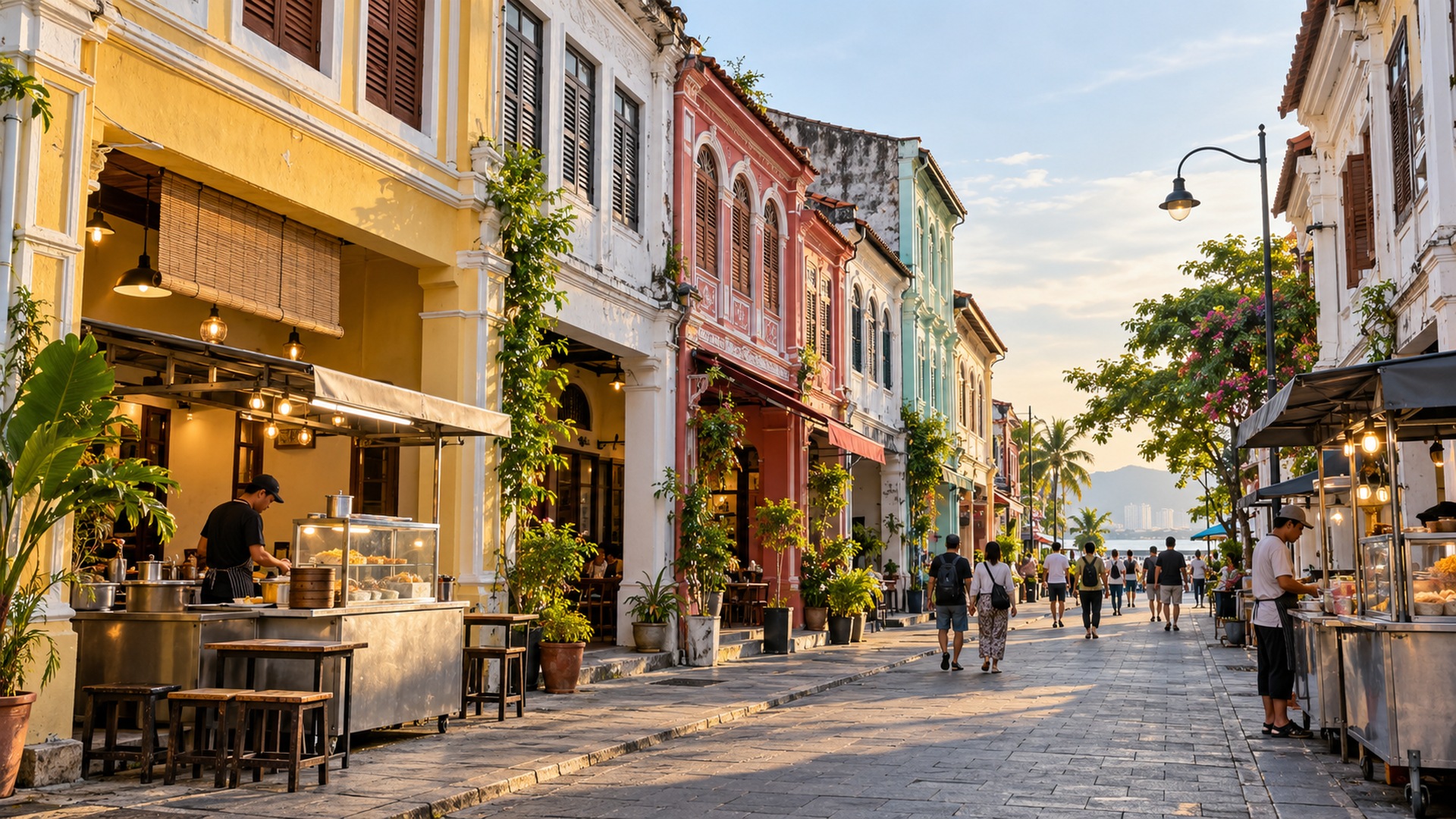
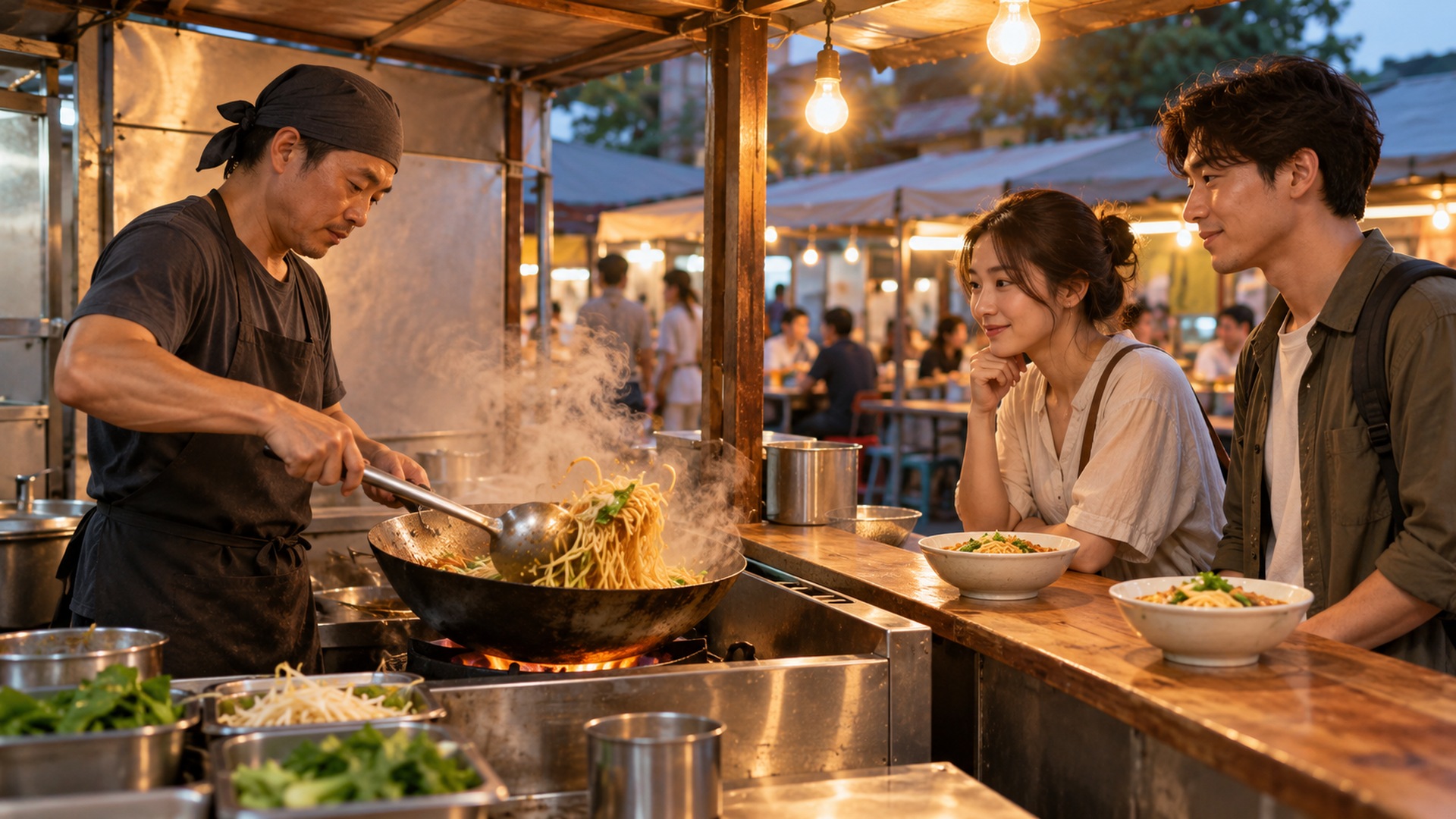
A street-food memory can include far more than the first bite: the cooking rhythm at a stall, the way an order is handed over, or the conversation around a shared table. The best street-food destinations in the world offer different relationships between food and everyday life. A hawker centre creates one kind of experience, a night-market route another, and a neighborhood taco stop another again. Choose through the dishes and settings that interest you rather than a universal ranking. Singapore, Bangkok, Taipei, Penang, and Mexico City provide distinct starting points for research, with current practical details still needing attention before a visit. A rewarding food trip leaves enough room to eat comfortably, understand the ordering routine, and appreciate the people doing the work. It combines curiosity with thoughtful choices instead of making every meal a contest to sample the most dishes.
A: Compare the eating setting, dishes, practical food route, and pace that appeal to your group.
A: Its tourism information introduces hawker-centre eating as a distinctive setting to investigate.
A: Choose a specific neighborhood, research current arrangements, and keep the eating sequence manageable.
A: Use the city's official information for named markets and the foods or settings you want to explore.
A: They provide specific preparation interests that can guide further research and suitable venue choices.
A: Different categories give the visit a more focused food interest than treating every order as the same experience.
A: Popularity is not a safety guarantee; assess preparation and use current relevant food and water guidance.
A: An apparently snack-like food may be more substantial than expected, affecting a comfortable sampling pace.
A: The route, inclusions, ordering format, commercial stops, and arrangements relevant to participation.
A: Practical movement, comfortable intervals, clear requirements, and consideration for the working people and setting.
Singapore for Hawker-Centre Eating
Singapore belongs in this selection for its hawker-centre eating format: several individual stalls within a shared setting rather than a route that requires another journey for every dish. A concrete starting comparison is Hainanese chicken rice at Maxwell Food Centre. The Singapore Tourism Board’s visitor guide identifies Maxwell and chicken-rice options there. Use the dish as an interest to investigate, then check the selected stall’s current arrangements. Chicken, seasoned rice, and accompanying sauces create a useful preparation to ask about individually when ingredients matter. A hawker-centre reputation does not establish that every stall or order meets your needs.
Look at the experience around ordering and eating as well as the dish. Observe the actual stall routine and ask politely when a step is unclear. Choose a manageable first order and leave room for another choice if you want it. The setting can reward an unhurried approach.
Bangkok for Neighborhood-Based Food Discovery
Bangkok’s Yaowarat area supplies a concrete food setting with distinct preparations to investigate. The Tourism Authority of Thailand’s Weng listing describes crab fried rice and crab noodles, offering two different directions within the same food interest. Compare the actual portion, ingredients, preparation, and service before choosing an order. The listing provides background for research, not a guarantee that a vendor operates to an old schedule or serves the same menu on your dates. Choose a focused Yaowarat meal period and assess the venue individually, leaving appetite and time for enjoying the neighborhood rather than treating the city as a race between famous dishes.
Taipei for a Night-Market Visit With a Clear Ordering Routine
Taipei’s official visitor information provides specific market starting points, including Yanping North Road Section 3 Tourist Night Market. Its description introduces foods such as gua bao and noodle dishes within that setting. Research the actual market and visit period rather than treating all night markets as interchangeable. Choose a manageable sequence that fits the area and your interests. Current operating details should be checked when the plan depends on them.
Begin by looking around appropriately and understanding the stalls you want to use. Notice where orders are placed, where customers wait, and how food is collected. Ask for clarification when needed. A little orientation can reduce the feeling of having to decide everything immediately.
Penang for Distinctive Dishes and Culinary Variety
Penang earns its place through distinct preparations and several identifiable hawker areas. Tourism Malaysia’s Penang guide introduces asam laksa and char koay teow, while Penang Global Tourism’s street-food material gives a Chulia Street curry-mee example. These are different eating interests to compare, not three compulsory orders for one sitting. Choose the preparation that attracts you, understand its actual ingredients at the venue, and connect it with an area you want to explore. The value is learning what distinguishes the foods and settings rather than collecting their names.
Mexico City for Exploring Different Taco Formats
Mexico City’s official street-food overview introduces taco categories such as al pastor, guisado, and grilled preparations. This offers a useful way to compare particular food interests rather than reduce the city to one dish. Use reliable information to understand what you want to investigate. Then assess the actual place, preparation, and arrangements you would use.
Choose an area through the complete visit rather than a single recommendation alone. Consider transport, the intended eating period, and the other experiences around it. A focused taco interest can anchor a neighborhood visit without requiring an extensive cross-city circuit. The practical sequence should serve the food experience.
Order Through Curiosity and Clear Requirements
Learn a little useful food vocabulary for the dishes you want to try. Ask what a particular order contains and how it is prepared when that matters to your requirements. A translated dish name may not answer every ingredient question. Clear communication is more useful than pretending to understand the menu completely.
Decide whether you want a guided introduction when language or ordering routines feel unfamiliar. Read what the provider includes and how the tour is organized. A good format should explain the setting and let you participate comfortably. It should not pressure the group into purchases or foods they do not want.
Keep portion choices manageable. Ask about what an order provides rather than assuming every food is a small snack. Sharing may work where the arrangement is appropriate, but it should follow the actual service routine. Leave room for another choice only when you still want it.
Make Food Handling Part of the Decision
The CDC’s food and water guidance for travelers recommends careful selection and explains that fully cooked food served hot is generally a safer choice than foods with uncertain handling. Street-vendor eating can carry illness risk, and a busy queue is not a guarantee. Use current relevant guidance and the actual preparation context when making choices. A destination’s food reputation does not remove the need for care.
Understand the Working Space Around the Food
A stall, market, or food centre is a place of work as well as a visitor experience. Follow the actual ordering and waiting routine. Keep access clear where people are cooking, serving, or moving through the area. Ask about photography rather than assuming a vendor must participate in the image you want.
Enjoy the encounter at its actual scale. A brief exchange may be friendly and useful without becoming a broad cultural explanation. Let the vendor return to their work when needed. Consideration for the people involved helps the visit remain comfortable.
Leave Space for a Food Memory to Develop
Choose a few interests that give the route purpose and allow ordinary discoveries around them. You may prefer returning to a setting you enjoyed or spending longer over one meal. Keep the discretionary parts flexible enough to follow that response. The holiday’s value does not depend on exhausting every recommendation. A strong food memory often comes from a manageable encounter you had time to appreciate.
Let Curiosity and Care Shape the Visit
A rewarding street-food journey combines interest in the food with attention to the actual setting and preparation. Use reliable current information, communicate requirements clearly, and keep the pace comfortable. Appreciate the people doing the work without asking them to perform a visitor’s expectations. The result can feel lively and memorable while remaining a thoughtfully planned holiday.
Give each destination its own character. You do not need to repeat the same sampling routine in every place or declare one food culture universally best. Choose experiences connected to what interests you there. That approach makes the journey more personal and the comparisons more meaningful.
Return with specific memories and questions rather than broad claims based on a short visit. A dish, a setting, or an explanation may open an interest you want to pursue further. Let that curiosity continue through reliable local voices and your own future choices. The best street-food destinations are the ones you can enjoy attentively through the trip you actually plan.