Plan a Food Day You Will Enjoy From Start to Finish
A street-food trip becomes rewarding when the meals, movements, and intervals fit together. A list of tempting dishes can inspire the holiday, but it does not tell you how to reach the areas, understand an order, or leave enough appetite for the next eating period. Start with a few food interests and the kind of setting you enjoy. Then choose a practical base and build days whose rhythm includes ordinary exploration and rest. Research current venue arrangements, communicate important requirements clearly, and use relevant food and water guidance when making choices. The perfect trip is not measured by the number of dishes sampled. It gives you time to notice preparation, enjoy the food comfortably, and appreciate the working place around it. A clear plan supports curiosity while leaving room for the actual day and the people traveling.
A: A few specific food or setting interests can guide neighborhood research and a manageable route.
A: A practical base supports the chosen eating areas, evening returns, and comfortable time between meals.
A: It gives the schedule a clear purpose while leaving appetite and time for ordinary exploration.
A: Clarify ingredients that matter, serving size, price, and the actual collection or service arrangement.
A: They can share a food setting while choosing suitable orders and portions individually.
A: Read its route, language, format, inclusions, commercial stops, and practical participation requirements.
A: Use current food and drink guidance, prepare for hand hygiene, and consider the actual handling context.
A: A clear transport arrangement helps the visit stay relaxed and makes its complete cost visible.
A: It shows the group's real appetite and energy, helping you adjust discretionary stops and movement.
A: A return can deepen familiarity and enjoyment without requiring a new area at every meal.
Choose the Food Interests That Give the Trip Purpose
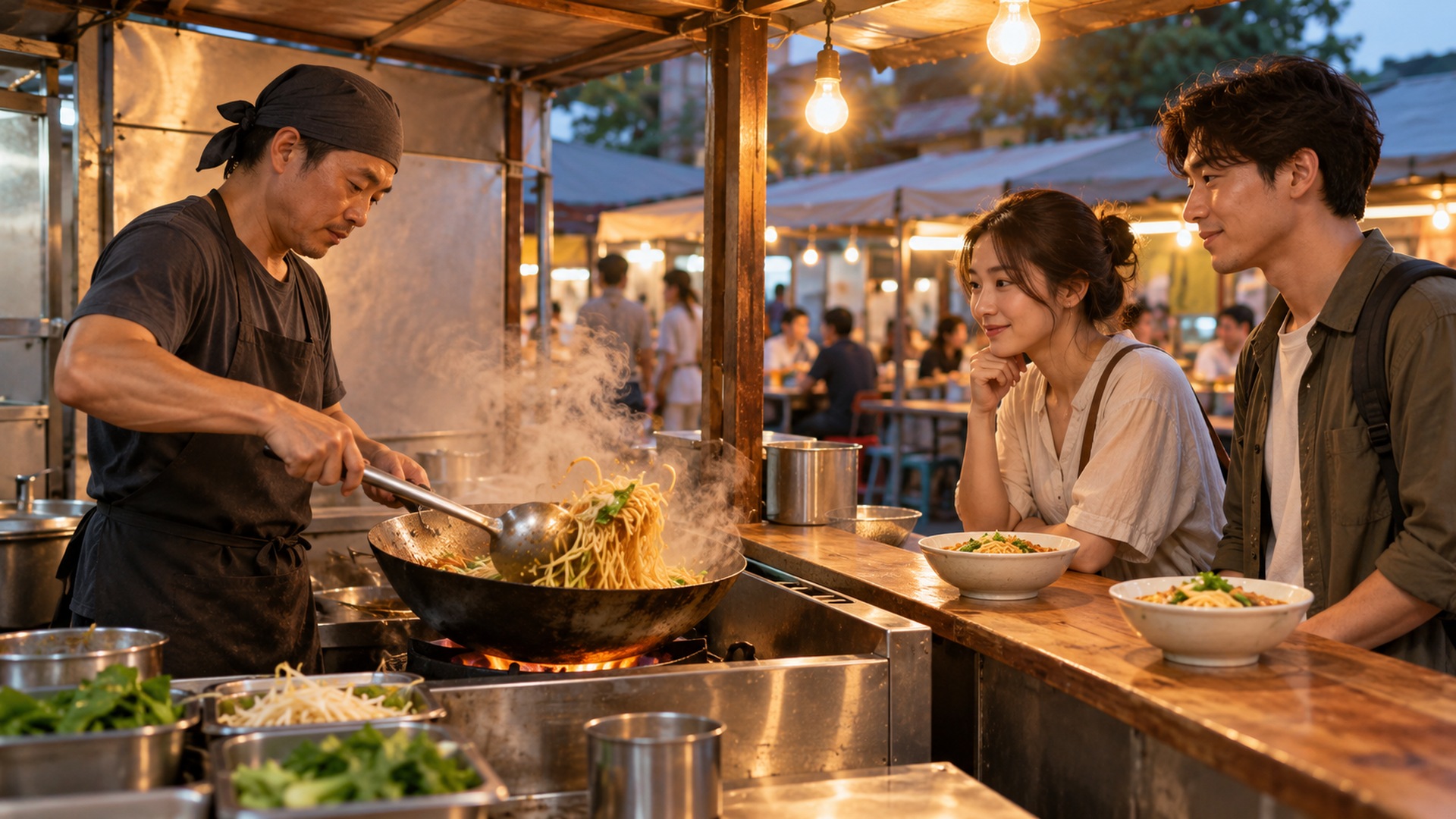
Begin with a few preparations, ingredients, or eating settings that genuinely interest you. You might want to explore noodle dishes, understand a market routine, or compare a particular food across suitable venues. Keep the interest specific enough to guide research. A clear purpose helps you choose areas and avoid adding distant stops merely because they appear on a popular list. The route should support the experience you want to enjoy.
Research Areas Before Collecting Individual Stalls
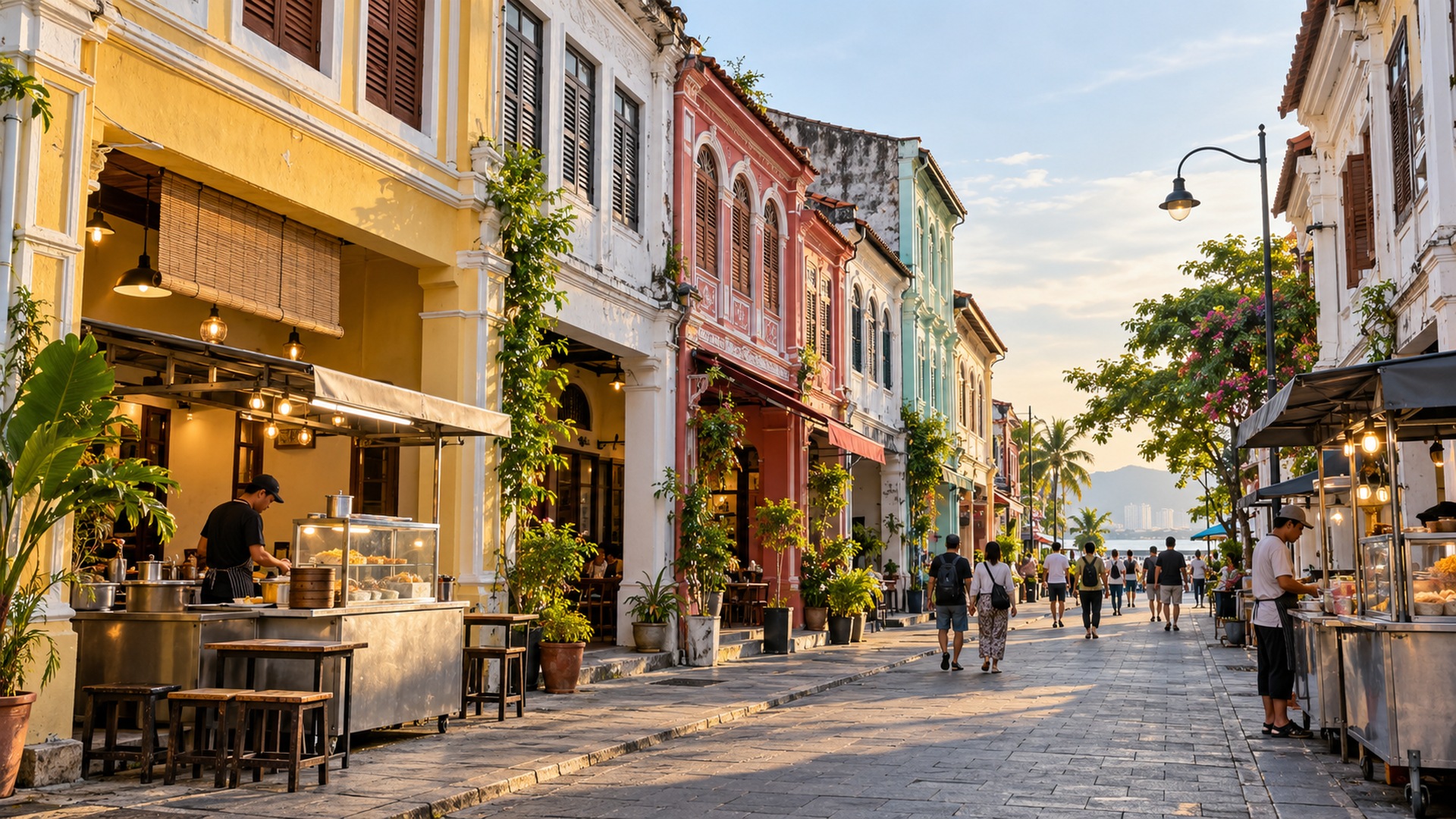
Look at the neighborhoods or food settings where your interests can be explored. Use reliable current destination information and the relevant venues’ own details. Identify the practical relationship between the areas and your likely accommodation. A compact food route can provide more enjoyable time than repeated cross-city journeys.
Keep the research proportionate. A few understood areas are more useful than a large collection of recommendations with no geographical relationship. Ask what makes each area worth visiting for your own interests. Remove a stop when it duplicates another without adding a meaningful experience.
Separate a general neighborhood description from a particular venue’s current arrangements. Opening days, service formats, and availability need their own check when the plan depends on them. Retain the source or contact used for important details. This makes the itinerary easier to update close to travel.
Check What a Guided Food Experience Includes
A suitable guided introduction can help when ordering routines or context feel unfamiliar. Read the route, language, group format, and inclusions before booking. Clarify commercial stops and which purchases remain separate. Ask about the practical requirements relevant to your group. The arrangement should support comfortable participation and a clear understanding of the setting.
Prepare Useful Ordering Questions
Learn the names of the foods you hope to investigate and a few practical phrases. Ask what a particular order contains or how it is prepared when the detail matters to you. A dish name or translation may not settle every ingredient question. Be clear when you need more explanation.
Confirm price and serving arrangement before agreeing to the order. Follow the actual queue and collection routine. Ask politely when a step is unclear rather than trying to imitate confidence. Straightforward communication can make the encounter easier for both customer and vendor.
Keep important dietary requirements explicit in the relevant conversation. Choose another arrangement when you cannot confirm something that matters to your participation. Do not treat the trip as an obligation to try every food regardless of your needs. A suitable order lets you enjoy the experience comfortably.
Use Current Food and Water Guidance
The CDC’s traveler food and drink information explains safer habits, including hand hygiene and attention to food temperatures. Apply current relevant guidance to the actual setting and preparation. Street food should be assessed through the same careful food-handling principles as other eating choices. A destination’s reputation or a stall’s popularity does not resolve every concern.
Keep the practical routine simple enough to use. Make room to clean your hands before eating and investigate suitable drinking arrangements through the guidance relevant to the destination. Ask about preparation when an important detail remains uncertain. Thoughtful choices are part of enjoying a food trip.
Keep a Food Budget Attached to Real Arrangements
Include the room, transport, meals, any suitable guiding, and the journey to the destination. Obtain current prices for the parts that matter most. Individual dishes may be modestly priced while the whole holiday still involves substantial costs. Compare complete arrangements rather than a food price alone.
Clarify the costs included in a tour or package. Check whether tastings, ordinary meals, local movement, and other services belong within the amount quoted. Keep exclusions visible so the comparison remains fair. A useful budget describes the actual route and eating routine.
Leave room for personal choices without assigning a universal allowance to every traveler. The group may want different orders, drinks, or optional visits. Agree how shared costs are handled before booking arrangements that commit everyone. Clear budgeting supports a comfortable pace.
Give the Vendor’s Working Routine Room
A food stall or market is a place of work. Follow the ordering arrangement and leave access clear for the people preparing, serving, and collecting food. Ask before making someone part of a photograph. Do not expect a vendor to pause the routine for the image or explanation you want.
Enjoy conversation at the scale the person can offer. A brief answer may be useful and friendly without becoming a long encounter. Let the vendor return to work when needed. Respect for the working setting helps the visit remain comfortable.
Keep Alternatives for the Food Stop That Matters Most
Identify another suitable experience nearby if an essential venue is unavailable or the arrangement does not fit your requirements. It should interest you rather than merely occupy the same meal slot. Check its current operating details. A practical alternative keeps the day flexible without requiring a completely new route. Choose through your original food interest and comfortable appetite.
A Realistic Food-Day Sequence
Imagine an illustrative Singapore food day centered on Maxwell Food Centre rather than several distant meals. Begin with breakfast at a size that suits you, then allow independent time in the Chinatown area before the main hawker-centre visit. Research one food interest, such as chicken rice, and confirm the chosen venue’s current opening arrangement. At the centre, leave time to understand ordering, find an appropriate place to eat, and enjoy the portion before deciding whether anything else appeals. The sequence is a planning example, not a claim about every stall’s hours or a timetable everyone should follow.
Afterward, leave a genuine non-eating interval: a suitable public visit, a return to the room, or another activity chosen for its own interest. Keep an evening food plan optional until you know how the first day felt. Count reaching the centre and leaving it as part of the visit, and save the area, return transport, and any important ordering requirements where companions can access them. If the intended stall is closed, choose another suitable option or change the meal rather than crossing the city to preserve an oversized checklist. This is how appetite, movement, and the neighborhood can work together without making continuous eating the measure of success.
Finish With a Route That Supports Comfortable Eating
The perfect street-food trip gives food its place within an enjoyable day. Choose a manageable set of interests, leave enough appetite and time, and use reliable current guidance. Respect the people working around the visit and let actual enjoyment guide optional choices. You can come home with memorable meals because the journey allowed you to appreciate them without continual rushing.